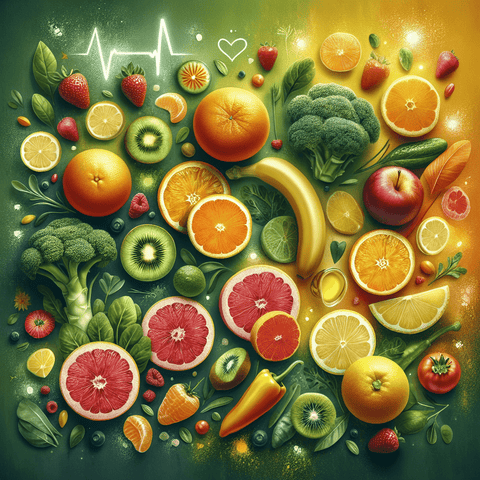
Vitamin C is a water-soluble nutrient involved in several normal bodily functions, including immune support, collagen formation, and antioxidant activity. Because the body does not produce or store vitamin C in large amounts, it must be obtained regularly through the diet. This page serves as a broad overview of vitamin C sources — the foods, drinks, and products that can contribute to daily intake — and offers practical context for including them in everyday routines.
Whether you are looking to diversify your meals, compare food options, or simply understand where vitamin C comes from, this guide covers the main categories, general serving considerations, and factors that can affect absorption. For a deeper look at the role of vitamin C in the body, you can explore our vitamin C benefits, immunity, and antioxidant guide.
What Are Vitamin C Sources?
Vitamin C sources are foods and beverages that contain ascorbic acid, the active form of vitamin C. They range from fresh produce — such as citrus fruits, berries, peppers, and leafy greens — to fortified items like certain juices, cereals, and plant-based drinks. Some people also use dietary supplements as an additional source, though whole foods remain the primary dietary route for most.
Because vitamin C is water-soluble and sensitive to heat, light, and oxygen, the amount present in a food can change during storage, preparation, and cooking. That means two servings of the same food may not always provide identical amounts. For general planning purposes, it is useful to think in terms of categories and typical serving sizes rather than exact numbers for every meal.
Why Vitamin C Sources Matter
Vitamin C is involved in normal immune function, collagen synthesis, and protection of cells from oxidative stress. Health authorities such as the NIH and NHS publish reference intakes, typically around 75–90 mg per day for adults, with higher needs during pregnancy and lactation and lower needs for young children. Meeting these targets consistently depends largely on including a variety of vitamin C sources in daily meals and snacks.
A diet that includes multiple vitamin C sources also tends to provide other nutrients, such as fibre, folate, and various phytochemicals. This broader nutritional context is one reason why guidance generally emphasizes whole foods over isolated sources. If you are considering supplements, it is advisable to check current guidelines or consult a qualified professional for personalized advice.
Main Categories of Vitamin C Sources
Vitamin C sources can be grouped into several broad categories. Knowing these categories can help you plan meals, shop seasonally, and rotate options to avoid monotony.
- Citrus fruits: oranges, grapefruits, lemons, and limes are well-known sources, often consumed fresh or as juices.
- Berries: strawberries, raspberries, blueberries, and blackcurrants provide vitamin C along with other nutrients.
- Tropical fruits: guava, kiwi, mango, and papaya are notable examples, with some offering particularly concentrated amounts.
- Cruciferous vegetables: broccoli, Brussels sprouts, cauliflower, and cabbage contribute vitamin C, especially when eaten raw or lightly cooked.
- Leafy greens: spinach, kale, and Swiss chard offer vitamin C alongside other vitamins and minerals.
- Fortified foods and drinks: some juices, plant-based beverages, and cereals have vitamin C added, which can help fill gaps.
Each category has different practical considerations. For example, citrus and berries are often eaten raw, while cruciferous vegetables may be cooked. Cooking can reduce vitamin C content to varying degrees, so methods like steaming, stir-frying, or microwaving with minimal water may help retain more compared with prolonged boiling.
How Much Vitamin C Do You Need Daily?
Daily recommendations for vitamin C vary by age, sex, and life stage. For most adults, typical targets are around 75–90 mg per day. Requirements are higher during pregnancy and lactation, and lower for young children. These figures are general reference values and may not reflect individual needs, which can depend on factors like diet, health status, and lifestyle.
Rather than tracking every milligram, many people find it helpful to include at least one or two vitamin C sources at meals and snacks. For example, a serving of citrus fruit, a handful of berries, or a portion of bell pepper can contribute meaningfully to daily intake. If you are unsure about your specific needs, checking current guidelines from health authorities or consulting a professional is recommended.
Factors That Affect Vitamin C Absorption
Several factors can influence how much vitamin C your body actually absorbs from foods and supplements. Being aware of these can help you make more informed choices about preparation and pairing.
- Cooking and storage: heat, light, and oxygen can degrade vitamin C, so fresher and minimally processed foods may retain more.
- Food matrix: vitamin C in whole foods is accompanied by other compounds that may influence absorption, though the overall effect is generally modest.
- Individual factors: smoking, certain medical conditions, and some medications can affect vitamin C status and requirements.
- Dose and form: absorption efficiency tends to decrease as single doses increase, which is one reason why spreading intake across meals is often suggested.
These factors do not usually require dramatic changes, but they can help explain why consistent intake from a variety of sources is generally preferred over relying on a single food or product.
Practical Tips for Including Vitamin C Sources
Incorporating vitamin C sources into daily routines can be simple and flexible. The following suggestions are general ideas, not personalized medical or dietary advice.
- Keep a mix of fresh, frozen, and dried options on hand for convenience and variety.
- Add fruit to breakfast, such as berries on porridge or yogurt, or citrus segments on the side.
- Include raw or lightly cooked vegetables in lunches and dinners, like bell peppers in salads or broccoli as a side.
- Blend fruits and vegetables into smoothies or soups where appropriate, keeping in mind that blending exposes vitamin C to air.
- Read labels on fortified products to estimate vitamin C content, noting that values can vary by brand and serving.
For those who prefer a structured approach, planning meals around a protein, a grain, and a vitamin C source can be a straightforward framework. This also makes it easier to adapt to seasonal availability and personal preferences.
Vitamin C Supplements and Fortified Products
While whole foods are the primary source of vitamin C for most people, supplements and fortified products can also contribute. Supplements are available in various forms, such as ascorbic acid, sodium ascorbate, and natural sources like acerola or rose hips. Fortified juices, plant-based drinks, and cereals may also provide meaningful amounts.
If you are considering a supplement, it is important to review the label, check for third-party testing where possible, and avoid exceeding upper intake levels unless advised by a healthcare professional. Supplements are not a substitute for a varied diet, and individual needs vary. For a broader look at supplement considerations, you can browse our natural supplements collection.
Understanding Vitamin C Content in Foods
Vitamin C content in foods can vary widely depending on the specific food, its freshness, how it was grown, and how it is prepared. Some foods are particularly concentrated sources, while others contribute smaller amounts that add up over the day. General comparisons usually focus on typical serving sizes, such as one medium fruit or one cup of chopped vegetables.
For example, citrus fruits, bell peppers, guava, and blackcurrants are often cited as high sources, while others like apples, bananas, and most root vegetables contain lower amounts. Bananas, in particular, are not considered a rich source of vitamin C, though they provide other nutrients. When planning, it can help to include at least one high source and several moderate sources across the day.
Common Questions About Vitamin C Sources
What food is highest in vitamin C?
Several foods are exceptionally high in vitamin C, including guava, blackcurrants, red bell peppers, kiwi, and citrus fruits. The exact ranking can vary depending on whether you compare raw, cooked, or fortified forms. For practical purposes, including one of these foods regularly can contribute significantly to daily intake.
Is banana rich in vitamin C?
Bananas contain some vitamin C, but they are not considered a rich source compared to citrus, berries, or peppers. They can still be part of a varied diet that includes other vitamin C-rich foods.
What blocks vitamin C absorption?
Some factors can reduce vitamin C absorption or increase losses, such as prolonged cooking, exposure to light and air, and certain medical conditions or medications. Smoking also increases vitamin C requirements. For most people, eating a variety of minimally processed foods is sufficient to support normal absorption.
Exploring Further
This page is intended as a broad introduction to vitamin C sources. More specific topics — such as detailed nutrient comparisons, recipes, or individual health conditions — are better addressed in dedicated articles. As you explore, you may also find it useful to look at related nutrient categories, such as our antioxidants guide, to understand how vitamin C fits into a broader nutritional picture.
For personalized advice about vitamin C intake, supplements, or dietary changes, consult a qualified healthcare professional. The information here is educational and not a substitute for medical guidance.