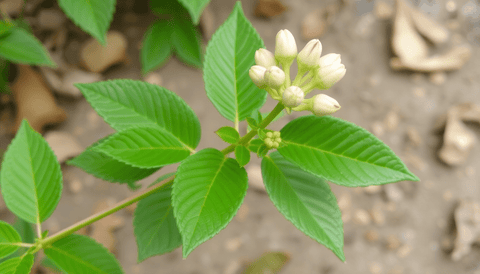
What Is Ashwagandha? A Quick Guide to the Ancient Herb


Summary of Ashwagandha

Ashwagandha, what is ashwagandha? It is a medicinal herb known for its adaptogenic properties, traditionally utilized in Ayurvedic medicine to enhance vitality and maintain balance. As a natural means of managing stress, improving sleep quality, and promoting mental well-being, ashwagandha has gained significant traction in modern wellness discussions. Its scientific name, Withania somnifera, belongs to the nightshade family, which encompasses many commonly consumed plants.

Ashwagandha is predominantly derived from its root, available in forms like powder and standardized extracts for targeted benefits. Research indicates its potential in modulating cortisol levels, positively impacting anxiety and sleep quality. As individuals increasingly seek non-prescription options for stress relief, ashwagandha is a viable choice among other adaptogens such as rhodiola and holy basil.

However, individual responses to ashwagandha may vary based on genetic, lifestyle, and health factors. It's crucial to consult with a healthcare provider before integrating ashwagandha into your regimen, especially for those with health conditions or on medications. Overall, maintaining a holistic approach with supplements—like multivitamins or vitamin D—can enhance the wellness journey.


What Is Ashwagandha? Benefits, Dosage, Side Effects & Daily Use Guide - Topvitamine
Jun 30, 2025
What Is Ashwagandha and Should You Take It Daily? Ashwagandha has become a popular term...

Introduction

Ashwagandha, a revered herb in traditional Ayurvedic medicine, has gained significant attention for its potential benefits in modern wellness conversations. In this quick guide, we will explore what ashwagandha is, its ancient roots, and how it may support various aspects of health. You’ll learn about its uses, scientific evidence, and tips for incorporating it into your routine for improved well-being. Understanding this adaptogen can be particularly beneficial in today's fast-paced world where stress and sleep disruption are prevalent.

What is ashwagandha?

Ashwagandha (Withania somnifera) is a medicinal herb widely recognized for its adaptogenic properties. It has been used for centuries in Ayurvedic medicine to promote vitality and balance.

Quick primer: adaptogen, Withania somnifera, and the broad wellness conversation

As an adaptogen, ashwagandha is believed to help the body manage stress and maintain homeostasis. Withania somnifera, its scientific name, indicates its classification in the nightshade family, which includes many commonly consumed plants. Today, readers often encounter this herb in wellness blogs, dietary supplements, and herbal teas.

What readers will gain from this guide

This article will provide a foundational understanding of ashwagandha, including its history, the parts used in supplements, its preparation methods, and evidence-based health claims. Additionally, we will discuss safe usage tips and how to seamlessly incorporate ashwagandha into your daily routine using trusted sources like Topvitamine.

Core explanation of the topic

Botanical background and parts used

Ashwagandha is an evergreen shrub native to India, the Middle East, and parts of Africa. The root is the most commonly utilized part of the plant in supplements due to its concentrated bioactive compounds known for therapeutic properties.

Forms of preparation: powder, standardized extracts, and their implications

Ashwagandha is available in various forms, including root powder and standardized extracts. Standardized extracts typically contain specific amounts of bioactive compounds, such as withanolides, making them potentially more potent. The formulation can affect how the body absorbs and processes the herb, so it's crucial to understand these differences when selecting a product.

Traditional uses and modern research directions

Traditionally used in Ayurveda, ashwagandha is known to support stress management, improve energy levels, and promote better sleep quality. Recent scientific investigations are confirming these benefits, particularly regarding its effects on stress, anxiety, and mood regulation.

Why this topic matters

Rising stress, sleep disruption, and everyday wellness needs

In today’s fast-paced lifestyle, many individuals are increasingly seeking solutions for stress and sleep disruptions. The growing interest in adaptogens like ashwagandha reflects a broader conversation about optimizing wellness through natural means.

The demand for non-prescription wellness supports

As many individuals prefer to avoid pharmaceuticals for common issues like fatigue and mood swings, natural options like ashwagandha are sought after for their accessibility and potential benefits without the need for prescriptions.

Place of ashwagandha among adaptogens in contemporary use

Ashwagandha holds a prominent position among commonly used adaptogens, along with others like rhodiola and holy basil. Its popularity stems from a growing interest in holistic health solutions that cater to stress and sleep challenges.

Related symptoms, signals, or health implications

Symptom clusters commonly discussed with ashwagandha

Individuals often consider ashwagandha for stress, anxiety, sleep quality, low energy, and hormonal signals. Its holistic approach targets various wellness aspects, making it appealing for those looking to improve overall health.

Potential physiological signals affected

Ashwagandha is believed to influence the hypothalamic-pituitary-adrenal (HPA) axis, which may affect cortisol patterns, sleep architecture, and daytime performance. Understanding these physiological connections highlights why ashwagandha is often used in wellness discussions.

Safety signals, contraindications, and interactions to watch

Before starting ashwagandha, individuals should be aware of potential contraindications such as pregnancy, autoimmune conditions, or interactions with certain medications. Consulting with a healthcare provider before beginning supplementation is advisable.

Individual variability and uncertainty

Why effects vary by person

The effectiveness of ashwagandha can vary significantly among individuals due to genetic differences, baseline health, stress levels, and lifestyle choices. Personal experiences may differ based on these factors.

Influencing factors: age, health status, concurrent medications, lifestyle

Factors such as age, existing health conditions, medications, and lifestyle practices can shape individual responses to ashwagandha. Being mindful of these variables can help optimize the benefits of supplementation.

What current research can and cannot tell us

While many studies highlight ashwagandha's potential benefits, inconsistent results regarding dosing and duration of use present challenges in drawing definitive conclusions. More rigorous research is necessary to solidify its efficacy.

Why symptoms alone do not reveal root cause

The symptom-to-etiology gap

Symptoms like anxiety, fatigue, or poor sleep may have multiple root causes beyond supplementation, such as lifestyle factors, diet, or underlying medical conditions. A comprehensive approach is essential for meaningful health improvements.

The value of a broader assessment

Effective wellness requires evaluating various factors, including sleep hygiene, stress management, nutrition, exercise, and possible medical screenings. Understanding holistic health can lead to more sustainable outcomes.

When to seek professional evaluation

If symptoms persist despite lifestyle changes or if any “red flags” arise, it’s essential to consult a healthcare provider. Professional assessment can clarify concerns and provide tailored recommendations.

The role of nutritional supplements in this topic

What supplements can offer in stress and sleep support

Nutritional supplements, including ashwagandha, may offer support for stress and sleep as part of a balanced wellness plan. They should not replace essential lifestyle practices but rather complement overall health strategies.

Ashwagandha product types: root powder vs standardized extracts; withanolide content

Understanding the differences between root powder and standardized extracts (which are marked by specific withanolide content) can help you choose the right product. Selecting a supplement with clear labeling ensures effective dosing.

Quality signals and safety standards to look for

When selecting ashwagandha products, look for signs of quality, such as third-party testing, clean manufacturing processes, organic or non-GMO formulations, and clear ingredient lists to ensure safety and efficacy.

How nutritional supplements could support

Mechanisms of action

Ashwagandha exhibits adaptogenic properties that may help in modulating cortisol levels, potentially influencing mood and sleep pathways, thus contributing to overall well-being.

Evidence snapshot by outcome area

Research provides a mixed but generally positive overview of ashwagandha, indicating potential effectiveness for stress relief, anxiety management, improved sleep quality, and enhanced energy levels.

Dosing considerations and timing

Typical dosing for ashwagandha varies, but starting low and adjusting based on individual response is advisable. Regular use may yield cumulative benefits, but caution is necessary regarding duration and consistency.

Safety considerations and potential interactions

Common safety considerations include possible digestive upset or interactions with medications. Open discussions with healthcare providers before starting any new supplement regimen are crucial for safe usage.

Decision-support section (when nutritional supplements make sense)

Who may benefit and in what situations

Ashwagandha may be beneficial during periods of elevated stress, occasional sleep disturbances, or for those wishing to avoid pharmaceuticals. Its use should be thoughtfully considered based on personal health needs.

How to choose a product (potency, extraction method, quality)

Choosing high-quality ashwagandha involves looking for standardized extracts with clear potency labels. Researching reputable brands can ensure reliable ingredients and formulations.

How to test response: monitoring symptoms and timing

Track your response over a suggested period of 4–6 weeks. Note improvements and evaluate when to reassess your use of ashwagandha based on symptom changes.

Practical steps to integrate with other wellness habits

Incorporating ashwagandha should align with overall health practices, including prioritizing sleep hygiene, nutritional balance, regular exercise, mindfulness practices, and consistent daily routines.

Red flags and when to consult a clinician

If adverse effects occur, or if symptoms continue despite supplementation, it is vital to consult with a healthcare provider to evaluate your health status and explore alternative options.

Clear concluding section connecting the topic to buying nutritional supplements on Topvitamine.com

Why Topvitamine offers relevant ashwagandha options

Topvitamine provides a variety of high-quality ashwagandha products that emphasize safety, effectiveness, and user trust. Our selection includes standardized extracts and organic formulations to suit your needs.

How to browse and evaluate products on Topvitamine

Customers can easily explore our product pages to assess potency, third-party testing details, and user reviews. Using product filters can help you find the most suitable ashwagandha option.

Final takeaway and call to action

Explore our selection of ashwagandha options at Topvitamine.com and consider adopting this ancient herb into your wellness routine, always with a mindful approach that prioritizes your health needs.

Key Takeaways

  • Ashwagandha, an adaptogen, may help mitigate stress and improve overall health.
  • The root of ashwagandha is primarily used in supplements, available as powder or standardized extracts.
  • Effects may vary based on individual health status, genetics, and lifestyle factors.
  • Quality matters; look for third-party testing and transparent labeling when selecting products.
  • A comprehensive approach to health is essential, as symptoms alone may not reveal root causes.
  • Integrate ashwagandha use with other wellness practices for a holistic approach to health.

Q&A Section

1. What is ashwagandha primarily used for?

Ashwagandha is commonly used to help reduce stress and anxiety, improve mood, and support better sleep quality.

2. How does ashwagandha work in the body?

Ashwagandha is thought to modulate cortisol levels and influence the HPA axis, helping the body respond to stressors more effectively.

3. Are there any side effects associated with ashwagandha?

Some individuals may experience mild digestive upset or headaches. It’s recommended to consult with a healthcare provider before starting supplementation.

4. How long does it take to see effects from ashwagandha?

Many users report benefits within 4 to 6 weeks of consistent use, although experiences may vary based on individual factors.

5. Can ashwagandha be taken with other medications?

It's essential to discuss with a healthcare provider if you are taking other medications, as ashwagandha can interact with certain drugs.

6. Is ashwagandha safe during pregnancy?

Pregnant individuals should avoid ashwagandha due to the lack of sufficient safety research in this population.

7. How should I store ashwagandha supplements?

Store ashwagandha supplements in a cool, dry place away from direct sunlight to maintain potency.

8. What is the typical dosage for ashwagandha?

Common dosages range from 300 to 600 mg of standardized extract per day, but it’s best to follow specific product recommendations.

9. Can I take ashwagandha every day?

Many people take ashwagandha daily; however, it's essential to assess your response and consult a healthcare provider if concerns arise.

10. Is there a difference between organic and conventional ashwagandha?

Organic ashwagandha may be free from synthetic pesticides and fertilizers, potentially offering a cleaner option compared to conventional varieties.

11. How can I tell if ashwagandha is high quality?

Look for products with clear labeling, third-party testing, and information regarding withanolide content to ensure quality.

12. Can ashwagandha replace prescription medications for stress or anxiety?

Ashwagandha may support stress and anxiety management but should not replace prescribed treatments without consulting a healthcare provider.

Keywords

ashwagandha, adaptogen, Withania somnifera, stress management, sleep quality, nutritional supplements, holistic health, cortisol modulation, herbal medicine, Ayurvedic remedy.