Zinc Benefits and Food Sources: Your Complete Guide
Zinc is a trace mineral that supports many functions in your body, from immune defense to skin repair. Since your body does not store zinc, you need a regular supply from food or supplements. This guide explains the key zinc benefits, the best food sources—including options for plant-based diets—and how to recognize signs of low zinc levels.
What Is Zinc and Why Does Your Body Need It?
Zinc is a mineral found in every cell. It is involved in immune function, wound healing, DNA production, and growth. Your body cannot make zinc, so you must get it from your diet or supplements.
Top Zinc Benefits for Your Health
Supports Immune Function
Zinc is well known for its role in supporting immune health. It helps activate immune cells that defend your body. Maintaining adequate zinc levels is important for your natural defenses, especially during cold and flu season.
Promotes Skin Health and Wound Healing
Zinc is involved in skin repair and helps reduce inflammation. It supports cell growth and is often included in skincare products for its potential benefits. Adequate zinc can help your skin recover from minor wounds and maintain its overall condition.
Supports Growth and Development
Zinc plays a crucial role in growth and development, particularly during childhood and adolescence. It supports cell division and DNA synthesis, which are essential during these life stages.
Best Food Sources of Zinc
The best way to get zinc is from food. Here are some top sources, starting with the highest content:
- Oysters – Among the richest natural sources, a single serving can cover your daily need.
- Red meat and poultry – Beef, lamb, and chicken provide highly absorbable zinc.
- Seafood and fish – Crab, lobster, and sardines also contain zinc.
- Dairy products – Milk, cheese, and yogurt contain good amounts.
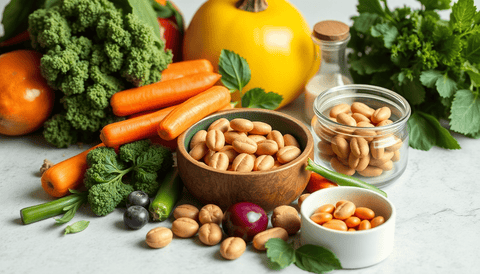
- Legumes – Chickpeas, lentils, and beans are plant-based options.
- Nuts and seeds – Pumpkin seeds, cashews, and hemp seeds are good choices.
- Whole grains – Oatmeal, quinoa, and fortified cereals provide zinc.
Plant-Based Zinc Sources
For vegetarians and vegans, legumes, nuts, seeds, and whole grains are the primary zinc sources. However, plant foods contain phytates, which can reduce zinc absorption. Soaking beans and grains before cooking can help improve absorption.
What Fruit is High in Zinc?
Fruits generally contain small amounts of zinc. Avocados, blackberries, pomegranates, and guavas provide some, but not enough to be considered high-zinc sources. For significant zinc intake, focus on the foods listed above.
How to Meet Your Daily Zinc Needs Through Food
Most adults need 8-11 mg of zinc daily. You can meet this by including zinc-rich foods in your meals. For example, a serving of oysters provides well over 100% of the daily need, while a serving of beef provides about half. Combining several sources throughout the day helps ensure you get enough.
Signs of Zinc Deficiency and What to Do
Zinc deficiency can occur when intake is insufficient. Common signs may include frequent infections, slow wound healing, hair loss, and changes in taste or smell. These symptoms can also be caused by other conditions, so if you experience them, consult a healthcare provider for proper evaluation.
Zinc Supplements: When and How to Choose
Supplements may be useful when dietary intake is insufficient or when a healthcare professional recommends them. They come in several forms, including zinc gluconate, zinc picolinate, and zinc citrate. When choosing a supplement, consider the form, the amount of elemental zinc per serving, and any additional ingredients. Look for products from trusted brands that undergo third-party testing.
Zinc Safety and Interactions
More is not better. High doses of zinc can interfere with copper absorption and may cause nausea. Zinc can also interact with certain medications, such as antibiotics and diuretics. If you take medications, are pregnant, or have a health condition, talk to your doctor before taking zinc supplements.
Conclusion
Zinc is a vital mineral that supports immunity, skin health, and growth. By including zinc-rich foods in your diet, you can meet your daily needs and avoid deficiency. If you struggle to get enough zinc or have concerns, consult a healthcare professional about whether a supplement is right for you.
Frequently Asked Questions
What food has the highest zinc?
Oysters are among the highest natural sources of zinc. A single serving can provide more than the recommended daily intake.
How do you get 100% of your daily zinc from food?
Eating a variety of zinc-rich foods throughout the day can help you meet your daily needs. For example, include a serving of meat or legumes in lunch and dinner, and snack on nuts or seeds.
What are signs of zinc deficiency?
Common signs include frequent infections, slow wound healing, hair loss, and changes in taste or smell. If you notice these symptoms, consult a healthcare provider.
What fruit is high in zinc?
Fruits are generally low in zinc. Avocados, blackberries, pomegranates, and guavas contain small amounts, but they are not primary sources.