
News
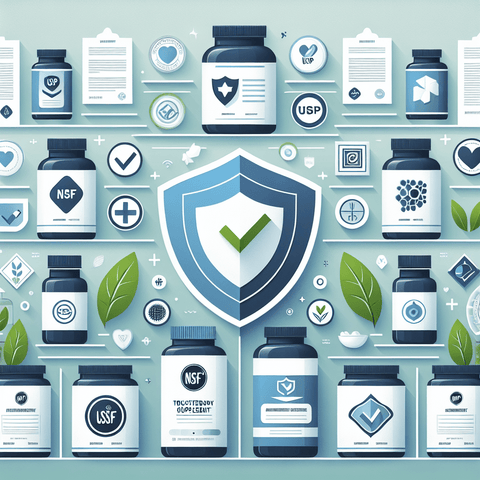
What Does Certified Supplement Brands Mean?Choosing certified supplement brands is one of the most reliable ways to ensure the safety and quality of dietary supplements. A certified supplement has been independently tested by a third-party organization for purity, potency, and the absence of contaminants. Certifications like NSF, USP, and Informed-Choice are issued for specific products, not entire brands, so shoppers must verify seals and product details through official directories. Understanding what these certifications mean helps consumers move beyond marketing claims and focus on verified quality.Key Certifications and How to Verify ThemThe most recognized third-party certifiers are NSF International, USP, and Informed-Choice. NSF Certified for Sport tests for athletic banned substances and general contaminants, USP verification ensures ingredients, potency, and proper dissolution, and Informed-Choice focuses on preventing doping in sports. To confirm a product's certification, look for the official logo on the label and search the certifier's online database by product name. This verification step is essential because certification applies to individual products, not the entire product line.Choosing Trustworthy Supplement Brands Beyond CertificationWhile certification is a strong indicator of quality, other factors signal a trustworthy brand. Reputable manufacturers follow Good Manufacturing Practices (GMP), conduct batch testing, and provide Certificates of Analysis (COAs) upon request. They also show transparency in sourcing and labeling, avoid exaggerated health claims, and offer clear return policies. Purchasing from reputable providers reduces the risk of counterfeit products. Always consult a healthcare professional before combining supplements or using them with medications, especially if you have health conditions or are taking prescriptions.

Understanding Manufacturing AccreditationManufacturing accreditation is a formal recognition that a production facility meets established standards for quality, safety, and consistency. It is a structured way for manufacturers to demonstrate that they follow good manufacturing practices, maintain rigorous quality controls, and have independent audits verifying their processes. Unlike a one-time approval, accreditation is typically an ongoing commitment to meet revised standards and keep documentation current.Common Manufacturing CertificationsThere are many widely recognized manufacturing certifications. ISO 9001 is an international standard focused on quality management systems, covering everything from design to customer service. CMfgA, or Certified Manufacturing Associate, is a credential for individuals, not facilities, that demonstrates core skills in manufacturing. Other important certifications include IATF 16949 for the automotive industry, ISO 13485 for medical devices, and various industry-specific safety or environmental standards.How to Obtain Manufacturing AccreditationThe process for obtaining accreditation involves a gap analysis, implementing required procedures, conducting internal audits, and then passing an external certification audit. It is essential to choose a recognized certification body, prepare thoroughly, and address any non-conformities. After achieving certification, you must continue to maintain compliance and undergo periodic audits to remain accredited. This structured approach not only improves product reliability but also builds trust with customers and partners.

Antioxidant Properties ExplainedAntioxidants are compounds that help neutralize free radicals—unstable molecules produced during normal metabolism and from environmental exposures. Their key properties include free radical scavenging, inhibiting oxidation, supporting the body's own antioxidant enzyme systems, and chelating pro-oxidant metals. These actions help maintain cellular integrity and support resilience against oxidative stress.The Big 3 and Other Key AntioxidantsVitamin C, vitamin E, and glutathione are often called the “big 3” because they work synergistically: vitamin C regenerates vitamin E, and glutathione plays a central role in cellular detoxification. Other important antioxidants include carotenoids (like beta-carotene and lycopene), polyphenols, selenium, coenzyme Q10, and alpha-lipoic acid—each offering unique benefits in different body compartments.Choosing Supplements for Daily WellnessBecause no single antioxidant is universally “most powerful,” a diverse intake from diet and supplements provides the most comprehensive support. When choosing supplements, look for quality, bioavailability, and balanced formulas rather than megadoses of single compounds. High-quality antioxidant supplements can help bridge nutritional gaps and support immune function, energy, and mental clarity as part of a healthy lifestyle.

Dietary Supplements: What They Are and How to ChooseDietary supplements are products designed to add nutritional value to your diet, not replace whole foods. They come in forms like pills, capsules, powders, and liquids, and contain ingredients such as vitamins, minerals, herbs, amino acids, and enzymes. Common examples include vitamin D, calcium, fish oil, probiotics, protein powder, and multivitamins. Because supplements are regulated differently from prescription drugs, it's important to understand their purpose and how to use them safely.How to Select the Right Supplements for Your GoalsStart by defining your health goals—whether that's supporting immunity, filling a nutrient gap, or addressing a specific concern. Consider your health profile, diet, lifestyle, and any medications you take. Reading labels carefully is essential: look for clear ingredient lists, serving sizes, and third-party testing seals from organizations like USP or NSF. Be wary of proprietary blends that hide individual ingredient amounts. A personalized supplement plan should reflect your unique needs and preferences.Safe Supplement Use and Nutrient Absorption TipsTo get the most from your supplements, take fat-soluble vitamins (A, D, E, K) with a meal containing healthy fats, consider timing for better tolerance, and support gut health. Consistency helps maintain stable nutrient levels. Always stick to recommended dosages, choose reputable brands, and consult a healthcare provider before starting any new supplement, especially if you have health conditions or take medications. Monitoring your response and adjusting based on how you feel can help you use supplements responsibly.

What Are Personalized Supplements?Personalized supplements, also known as bespoke or custom vitamins, are nutrient plans tailored to your individual health data, including genetics, lifestyle, and results from blood tests or questionnaires. Unlike off-the-shelf multivitamins, they focus on addressing your specific deficiencies and goals, potentially improving efficacy and reducing unnecessary ingredients. The process starts with an assessment, then a formulation designed just for you.Benefits and ConsiderationsThe main advantages of a personalized regimen include targeted dosing, better nutrient targeting, improved adherence, and reduced risk of imbalances. However, these benefits come with costs and downsides: bespoke supplements are generally more expensive, require a time investment for testing, and their scientific backing varies. They may not be necessary for everyone, especially those with a balanced diet and no known deficiencies. Weighing the value proposition is key.Choosing and Starting a Personalized PlanWhen choosing a provider, look for transparency, third-party testing, and qualified expert input. Compare services like Bioniq, Persona, and VitaminLab for features and pricing. Start by consulting a healthcare professional, select a reputable company, and plan for regular reviews every 3-6 months. Always consider potential interactions with medications, such as GLP-1 agonists, and consult your doctor.
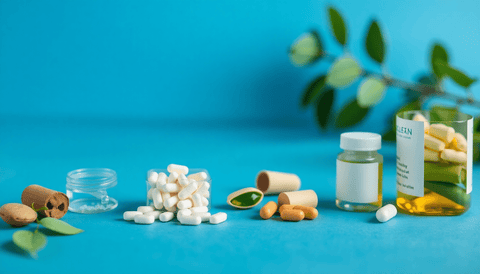
Compare natural joint mobility support supplements, including glucosamine, chondroitin, MSM, turmeric, and collagen. Learn what to look for, how to choose a quality product, and how these ingredients may support joint comfort. We also cover who should be cautious with certain supplements and natural food sources for better joint health.