
News

Safe Supplement Selection: The Core PrinciplesChoosing safe and effective supplements starts with defining your personal health goals and researching scientific evidence. Not all products are created equal, so prioritizing safety and transparency is essential. Look for supplements that address your specific needs, and be cautious of sensational claims. Always consult a healthcare professional to ensure a supplement fits with your health profile and medication plan.Practical Steps for Evaluating QualityImplement a practical checklist to assess quality before purchase. Third-party testing seals from organizations like USP or NSF are reliable indicators that the product is accurately labeled. Read the supplement facts panel to identify transparent ingredients and appropriate dosages. Avoid proprietary blends that conceal ingredient amounts. It is also important to check the expiration date and avoid products that promise miracle results or have missing manufacturer information. These steps simplify the process of how to choose safe and effective supplements.Maximizing the Benefits You GetTo maximize the health benefits of supplements, pay attention to nutrient absorption. This involves strategies like taking fat-soluble vitamins with meals containing healthy fats and choosing well-absorbed nutrient forms such as citrate or glycinate. Remember that supplements should complement, not replace, a healthy diet. By combining careful selection and smart usage, you can improve nutrient absorption optimization and get the most from your routine.
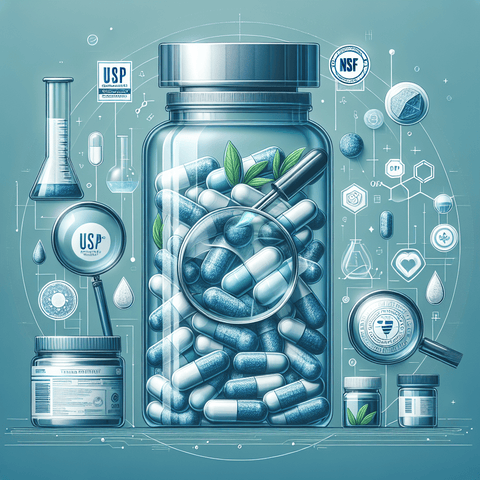
What Does Third-Party Tested Supplements Mean?Third-party tested supplements undergo independent evaluation by an organization with no connection to the manufacturer. These independent supplement testing programs verify that the product contains the ingredients listed on the label, in the declared amounts, and is free from harmful levels of contaminants like heavy metals, pesticides, and microbes. Because the supplement industry is not as strictly regulated as pharmaceuticals, third-party verification provides an essential safeguard. Certification seals from organizations such as NSF International, USP, and ConsumerLab.com signal that a product has met rigorous, publicly available quality standards. However, this verification confirms quality and safety, not health benefits or clinical effectiveness.How to Check if a Supplement Is Third-Party TestedYou can identify validated supplement quality by looking for certification seals on packaging, checking for a Certificate of Analysis (COA), and researching the brand's testing practices. A COA is a document detailing specific test results for a product batch, often available on the brand's website. Certification goes beyond a simple test, as it includes ongoing audits of manufacturing facilities and adherence to good manufacturing practices (GMP). Brands that are transparent about their testing protocols and provide easy access to COAs are more likely to offer trustworthy products. While internal brand testing is valuable, third-party testing adds an unbiased layer of accountability.Comparison of Major Third-Party Testing ProgramsNSF International offers certifications like NSF Certified for Sport®, which tests for over 270 banned substances, making it a popular choice for athletes. USP's Verified Mark ensures ingredients, potency, and manufacturing under GMP. ConsumerLab.com tests products and publishes results, offering a subscription-based seal for products that pass. Labdoor and Informed Choice also provide independent testing, with Informed Choice focusing on banned-substance screening for sports nutrition. The standards vary by program, so a seal from a well-known organization like NSF or USP generally represents a higher level of assurance than lesser-known certifications. Understanding these differences helps you make more informed supplement choices.

Why Third-Party Testing Matters for Supplement SafetyThird-party testing provides an independent check on dietary supplements to help confirm that what is on the label matches what is in the bottle. Unlike manufacturer-conducted tests, an independent organization with no financial ties to the brand analyzes raw materials and finished products. This helps identify risks such as contamination with heavy metals, harmful microbes, hidden ingredients, and inaccurate potency. For consumers, seeking out third-party testing is a practical way to support safer choices in a market with less regulatory oversight than pharmaceuticals.Understanding Certification Seals and Testing BodiesNot all testing programs are equal, and the seal on a supplement bottle is only meaningful if you understand what it represents. Reputable certification seals, such as NSF Certified for Sport, USP Verified, and Informed-Choice, indicate that a product has passed independent testing for banned substances, contaminants, and label accuracy. To verify a certification, check the certifying organization's official website and search their product database. Also, look for testing bodies that use accredited laboratories, such as those meeting ISO 17025 standards, to ensure technical competence. Distinguishing between a generic 'lab tested' claim and a verified certification is key to making informed decisions.How to Put Third-Party Testing into PracticeYou can use third-party testing as a practical part of your supplement routine. First, look for a specific, recognizable certification seal on the product packaging. Then, confirm that certification online by searching the certifier's directory for the exact product. For ongoing assurance, check if the brand publishes batch-specific test results, which shows verification is not just a one-time event. Review the ingredient list for full transparency, and research the brand's quality commitments, including any partnerships with independent testing agencies. These steps help you support supplement safety through informed choices.
How to Identify Effective Supplement CompaniesFinding effective supplement companies starts with understanding what makes a brand reliable. Trusted supplement brands typically follow GMP manufacturing standards, provide independent third-party testing, disclose complete ingredient amounts, and use responsibly sourced materials. Certifications from organizations like NSF or USP offer extra assurance of purity and potency. By focusing on these markers, you can narrow down the many options and choose a brand that aligns with your quality standards.Top Trusted Supplement Brands and What They OfferSeveral supplement brands consistently demonstrate a strong commitment to quality and transparency. Thorne Research is known for scientifically-backed, high-potency formulas and extensive third-party testing. Nature's Way offers a broad range of vitamins and herbal supplements with a long-standing reputation for purity. Nordic Naturals specializes in premium omega-3 fish oils, rigorously tested for environmental toxins. Garden of Life focuses on organic, plant-based, and whole-food supplements with certifications like USDA Organic and Non-GMO Project Verified. Each brand has unique strengths, so the best choice depends on your health goals and dietary preferences.How to Choose the Right Supplement Brand for YouWhen comparing supplement brands, look for third-party certifications, transparent labels, GMP compliance, and clear ingredient sourcing. Avoid products with proprietary blends that hide individual amounts. Reading independent customer reviews and consulting a healthcare professional can provide additional guidance. The purest or #1 supplement brand is not a universal title; it is the one that meets your individual criteria for quality, fits your specific needs, and offers the transparency you expect. Use the practical tips in this article to make an informed, confident decision.

Ingredient Sourcing: The Foundation of Supplement QualityIngredient sourcing is the process of obtaining raw materials—vitamins, minerals, herbs, and other compounds—that go into a supplement. The quality of these materials directly affects the final product's safety, efficacy, and consistency. Poor sourcing can introduce contaminants like heavy metals, pesticides, or microbial agents, or result in adulterated or low-potency ingredients. Responsible sourcing from verified suppliers helps ensure that what is listed on the label is actually in the bottle, supporting health goals without hidden risks. Understanding sourcing is the first and most crucial step in a chain of quality control measures.Types of Sourcing and the Strategic ProcessThere are three primary types of ingredient sourcing in the supplement industry: direct sourcing from manufacturers or growers, sourcing through distributors or brokers, and private label or contract manufacturing sourcing. Each model has different implications for control, traceability, and quality. Strategic sourcing is a systematic process that ensures consistency and value. It involves seven key steps: needs assessment, supplier identification, supplier evaluation and vetting, negotiation and selection, contracting, implementation and ordering, and performance review. This framework helps brands establish clear specifications, vet suppliers thoroughly, and maintain long-term quality.Vetting Suppliers and Ensuring TransparencyRigorous supplier vetting is essential. Brands should review Certificates of Analysis (COAs), verify Good Manufacturing Practices (GMP) compliance, and check for third-party certifications from organizations like NSF International or USP. Supply chain traceability, allergen controls, stability data, and change notification policies are also critical. Connecting sourcing to safety, the article explains how proper sourcing reduces contamination risks. The '5-ingredient rule' is discussed as a guideline for simpler formulations that may be easier to quality-control. Third-party testing provides final verification of label accuracy and contaminant limits. Manufacturing transparency and ongoing quality assurance build consumer trust. By understanding these practices, consumers can make empowered choices about supplement brands.

Sustainable Supplements: What They Are and Why They MatterSustainable supplements are dietary products designed with environmental responsibility at their core. They are sourced, manufactured, and packaged to minimize ecological impact while supporting ethical practices. Unlike conventional supplements that may prioritize cost or convenience, sustainable options consider the entire lifecycle—from ingredient harvesting to disposal. Choosing these products helps support both personal health and environmental wellbeing.Key Factors for Choosing Eco-Friendly SupplementsWhen selecting sustainable supplements, look for third-party certifications such as USDA Organic, Non-GMO Project Verified, Fair Trade, and Marine Stewardship Council (MSC). Also evaluate sustainable sourcing practices, eco-friendly packaging like glass or recycled materials, and manufacturing transparency. Brands committed to sustainability often share details about energy-efficient production, water conservation, and waste reduction efforts.Green Innovations and Plant-Based AlternativesThe supplement industry is embracing green innovations such as supercritical CO2 extraction, renewable energy manufacturing, and biodegradable capsules. Plant-based supplements, including algae-based omega-3, lichen-derived vitamin D, and organic herbal products, offer lower environmental impact compared to animal-derived alternatives. These options reduce resource requirements and support biodiversity through organic farming practices.