
News
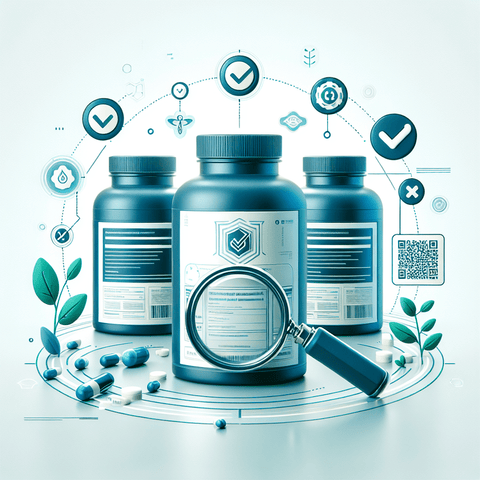
How to Spot Fake Supplements and Ensure SafetyCounterfeit supplements are fake products designed to look like genuine brands but may contain incorrect ingredients, harmful fillers, or no active ingredients. Learning how to spot fake supplements is essential for protecting your health. Warning signs include spelling errors on labels, blurry logos, broken seals, missing batch numbers, suspiciously low prices, poor-quality packaging, and unusual appearance or odor of the product itself.Verify Supplement Authenticity Before You BuyTo verify supplement authenticity, compare the label with the manufacturer's website, check for third-party seals like NSF or USP, and use official batch verification tools. Genuine products will have clear lot numbers, expiration dates, and often QR codes. If you are unsure, contact the brand's customer service directly. Buying directly from the brand's official website or authorized retailers is the most reliable way to ensure you receive authentic supplements.Avoid Counterfeit Supplements on Online MarketplacesOnline marketplaces like Amazon can be a source of counterfeit supplements. To minimize risk, check seller ratings and reviews, avoid deals that seem too good to be true, and confirm that the seller is an authorized reseller listed on the brand's website. If you suspect a supplement is fake, stop using it and report it to the manufacturer. Prioritizing verified supplement sources reduces the risk of contamination, incorrect dosing, and other safety issues.

What Are Dietary Supplements?Dietary supplements are products taken by mouth that contain a dietary ingredient intended to supplement the diet. They include vitamins, minerals, herbs, amino acids, enzymes, and other substances, and are available in forms such as capsules, tablets, gummies, powders, and liquids. Common examples are multivitamins, calcium, vitamin D, fish oil, probiotics, and protein powders. These products are designed to help fill nutritional gaps and support overall wellness, but they are not meant to replace a balanced diet.Common Types of Dietary SupplementsSupplements can be grouped into several categories based on their ingredients and intended use. Vitamins and minerals are micronutrients essential for many bodily functions, such as vitamin C for immune support and iron for oxygen transport. Herbal supplements and botanicals, like turmeric, echinacea, and ginseng, are derived from plants and are often used for traditional wellness benefits. Other categories include amino acids and proteins, probiotics for gut health, and specialized formulas targeting specific needs like joint or heart health.How to Choose Dietary Supplements SafelyChoosing a high-quality supplement involves several steps. First, identify your individual needs based on your diet, lifestyle, and wellness goals. Look for products that have been verified by independent third-party organizations such as USP or NSF International, which test for purity, potency, and contaminants. Read the Supplement Facts panel carefully to check active ingredients and dosages, and avoid products with proprietary blends that hide individual amounts. Research the brand to ensure they follow Good Manufacturing Practices and provide transparent sourcing information. Also consider bioavailability, which affects how well your body can absorb and use the nutrient. Always consult a healthcare professional for personalized advice, especially if you have a medical condition or take medication.
How to Spot Safe Supplements: A Practical GuideNavigating the supplement market can be confusing, especially with widespread scams and misleading claims. This guide helps you spot safe supplements by using a verification checklist that includes checking for third-party certifications like NSF, USP, or ConsumerLab, scrutinizing the Supplement Facts panel for full ingredient disclosure, and researching the brand's reputation for transparency and GMP compliance. You'll learn to recognize red flags such as exaggerated health claims, hidden proprietary blends, and high-pressure sales tactics.Red Flags and Common Supplement ScamsUnderstanding the most common supplement scams is essential for avoiding fake products. Current scams include social media-driven "miracle" cures, products falsely labeled as "FDA-approved" (since the FDA does not approve supplements), counterfeit versions of popular brands sold at deep discounts, and tricky free-trial offers that lead to recurring charges. Always be wary of products that promise to diagnose, treat, or cure diseases—such claims are red flags and violate regulations.How to Avoid Fake Supplements and Verify AuthenticityTo avoid fake supplements, purchase directly from official brand websites or authorized retailers, and avoid third-party marketplaces where counterfeiters often operate. Once you have a product, check the packaging for spelling errors, missing lot numbers, or broken seals. Legitimate brands may offer online verification codes. Also, be mindful of dangerous supplement interactions—such as blood-thinning supplements with prescription blood thinners—and always consult a healthcare provider before starting any new supplement.
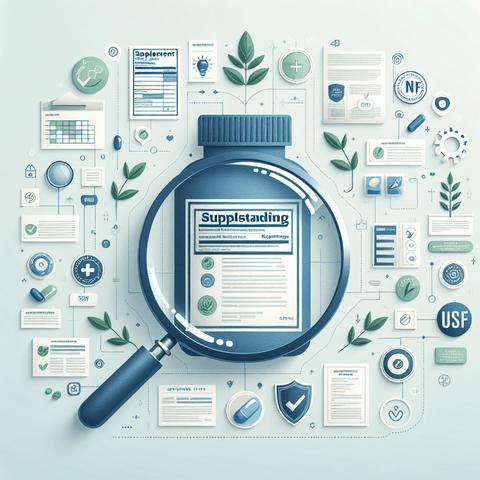
Ingredient Transparency in Supplements: A Practical GuideIngredient transparency means that a supplement manufacturer fully and clearly discloses every component in a product, including active ingredients, fillers, binders, flavorings, and potential allergens. This openness helps consumers make informed, safe choices in a market where the FDA does not pre-approve supplements for safety or effectiveness. Understanding supplement labeling, especially the Supplement Facts panel, allows you to evaluate serving size, nutrient amounts, %Daily Value, and unnecessary additives. While federal regulations require dietary ingredients to be listed, proprietary blends can conceal individual ingredient amounts, making it harder to assess potency and value.How to Evaluate Supplement Labels and QualityTo assess ingredient transparency, start by reading the Supplement Facts panel and the full ingredient list. Look for specific names rather than vague terms, and be cautious of proprietary blends that only list a total weight. Check for third-party verification seals from organizations like USP, NSF International, or ConsumerLab.com, which indicate independent testing for purity and quality. Research the manufacturer: reputable brands often provide Certificates of Analysis for specific batches. Also, be skeptical of exaggerated health claims—structure/function claims such as "supports immune health" are not evaluated by the FDA before a product is sold.Practical Checklist and FAQs for Supplement ShoppersWhen shopping for supplements, use a practical checklist: confirm the ingredient list is complete and specific, look for third-party certifications, research the manufacturer's sourcing and manufacturing practices, and question overly broad health promises. The "5 ingredient rule" is a consumer principle favoring products with fewer, well-defined ingredients. In an FAQ, we address common questions: what food transparency means, what Americans for Ingredient Transparency represents, and how to identify high-quality supplements. Ultimately, ingredient transparency empowers you to move beyond marketing and make choices based on factual information, taking an active role in safeguarding your health.
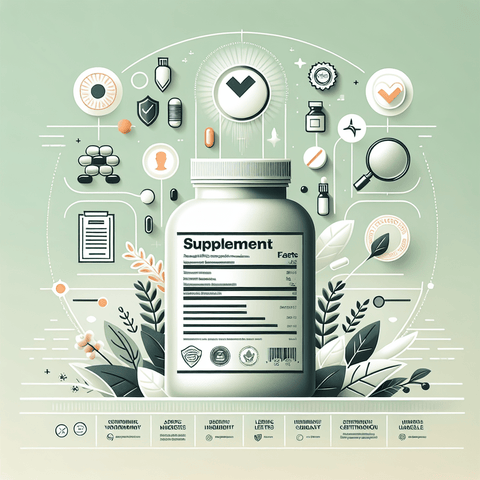
What Does Ingredient Transparency Mean for Supplement Labels?Ingredient transparency means a supplement label clearly and honestly discloses everything inside the product—active ingredients, fillers, binders, allergens, sources, and exact amounts per serving. A transparent label allows you to make an informed decision before consumption. Key elements of a transparent label include a complete ingredient list, specific amounts for each ingredient, identifiable sources, clear allergen statements, and manufacturer contact details with lot numbers for traceability. Transparency also involves avoiding hidden proprietary blends and vague terms that obscure dosages. Understanding this concept helps you evaluate whether a supplement meets your needs and safety expectations.How to Use the Supplement Facts Panel and Label ChecklistTo read a supplement label for transparency, start with the Supplement Facts panel: check the serving size, servings per container, nutrient amounts, and % Daily Value to assess potency. Next, review the full ingredient list for specific names rather than vague terms like "proprietary blend." Inspect the "Other Ingredients" section for unwanted additives, fillers, or allergens. Look for third-party certifications such as GMP, USP Verified, or NSF Certified, which provide independent verification of purity, potency, and safety. Finally, verify manufacturer details, including physical address, contact information, lot number, and expiration date. A reputable company provides complete traceability; missing information is a red flag.Regulations, the 5-Ingredient Rule, and Actionable TipsSupplement labeling regulations, governed by DSHEA in the U.S., require all dietary ingredients to be listed on the label; failing to disclose ingredients is a federal violation. However, proprietary blends can legally hide individual amounts, reducing transparency. The "5 ingredient rule" is a consumer guideline suggesting that products with five or fewer recognizable ingredients are simpler and potentially cleaner; it encourages minimal, purposeful ingredients. To verify trust, look for third-party certifications and Certificates of Analysis, avoid disease-treatment claims, and be cautious of vague marketing terms like "natural." Use this knowledge to choose brands that prioritize full disclosure, and consult a healthcare professional if you have specific health concerns or are considering high-dose supplements.
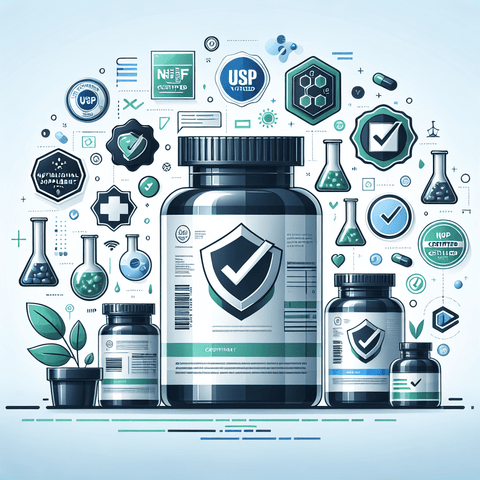
What Is Supplement Certification?Supplement certification is a voluntary process in which an independent third-party organization, such as the United States Pharmacopeia (USP), evaluates a dietary supplement to confirm that it meets specific quality standards. Unlike a manufacturer's own claims, certification provides an unbiased review of the product's ingredients, purity, and manufacturing practices. The certification process typically includes testing for ingredient potency—verifying that active ingredients are present in the amounts declared on the label—and screening for harmful contaminants like heavy metals, pesticides, and microbial pathogens. It also involves a review of the manufacturing facility to ensure compliance with Good Manufacturing Practices (GMP) and an assessment of the label to ensure it is truthful and not misleading. Importantly, certification focuses on product quality and manufacturing, not on whether the product works or its health claims.How the Supplement Certification Process WorksThe certification process follows a structured, step-by-step approach. First, a manufacturer voluntarily submits its product to a certifying organization like USP. The organization then conducts laboratory testing to verify ingredient potency and purity, checking for contaminants. Next, the manufacturing facility is audited to confirm GMP compliance. The product label is reviewed for accuracy and truthfulness. Once the product meets all standards, the certifier awards its seal, which the manufacturer can display on the label. This certification is not permanent; it is typically renewed periodically, and the certifier may conduct ongoing monitoring or re-testing to ensure continued compliance. This process provides consumers with a reliable signal of quality, especially in an industry with limited premarket regulation.Why Certification Matters and How to Identify Trusted LabelsSupplement certification matters because it offers independent confirmation that a product contains what it claims and is free from harmful levels of contaminants. Third-party testing is a cornerstone of supplement safety, as the dietary supplement industry is not as strictly regulated as the pharmaceutical industry. When choosing supplements, look for valid seals from reputable certifiers like USP or NSF. Transparency is also key: reputable brands provide clear sourcing information, state that they follow GMP, and often make Certificates of Analysis (COAs) available upon request. The table below compares common quality claims, highlighting that USP Verified is a third-party certification, while GMP compliance is largely self-reported, and the FDA does not approve supplements before they are sold. Understanding these differences helps you make informed, safe choices.