Clean Label Supplements: Understanding Quality Control and What to Look For
When you pick up a supplement, the label often says “clean,” “pure,” or “natural.” But what does a clean label actually guarantee? And how can you be sure that a supplement is safe, accurately labeled, and free from harmful contaminants? This guide explains what clean label manufacturing means for supplements, how quality control works from seed to supplement, and which independent checks—such as third-party testing and GMP certification—help confirm a product’s trustworthiness.
What Does “Clean Label” Mean for Supplements?
A clean label is a marketing term that signals a product made with simple, recognizable ingredients and minimal artificial additives, fillers, or processing aids. For supplements, a clean label typically means that the ingredient list is transparent, without hidden ingredients or proprietary blends that mask exact amounts. However, a clean label is not a formal certification. It is more of a philosophy that must be backed by verifiable manufacturing and testing practices.
What a Clean Label Does and Does Not Guarantee
A clean label suggests a focus on ingredient purity and transparency, but it does not automatically mean the product is organic, non-GMO, or allergen-free. It also doesn't guarantee that the product has been third-party tested or that it meets any specific safety standard. To assess a supplement's quality, you need to look beyond the label at the actual manufacturing practices and testing certificates.
Is the Clean Label Project Legitimate?
The Clean Label Project is a nonprofit organization that tests consumer products, including supplements, for environmental contaminants like heavy metals, pesticides, and plasticizers. Their goal is to increase transparency and help consumers choose products with fewer contaminants. However, the organization's methods and funding have been questioned. It is funded by donations, including from companies that may have an interest in the results. While its mission is focused on public transparency, its certification should be viewed as one of many factors—not a definitive measure of product quality.
Supplement Quality Control: From Seed to Supplement
Reliable quality control begins before manufacturing, with careful sourcing of raw materials, and continues through production, testing, and final labeling. A trustworthy supplement brand follows a rigorous process at every stage to ensure the final product is safe and accurately labeled.
Step 1: Ingredient Sourcing and Verification
High-quality supplements start with high-quality ingredients. Reputable brands verify the origin of their raw materials, often preferring organic or sustainably farmed sources. They also obtain Certificates of Analysis (COAs) from suppliers to confirm the identity and purity of each ingredient before it enters the manufacturing facility.
Step 2: In-Process Controls and Manufacturing
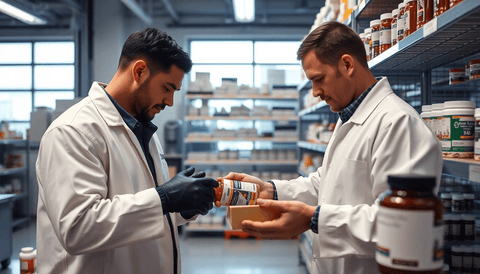
During production, strict protocols are followed to prevent cross-contamination and ensure consistency. This includes monitoring temperature, humidity, equipment cleanliness, and staff hygiene. Good Manufacturing Practice (GMP) systems require detailed documentation of these processes so that every batch can be traced and verified.
Step 3: Contaminant Testing and Potency Confirmation
Finished products are tested for potential contaminants such as heavy metals, pesticides, microbes, and foreign materials. Potency testing confirms that the active ingredients are present in the amounts stated on the label. This step is critical to ensure that what is listed on the label actually matches what is in the bottle.
How to Verify Supplement Quality: Third-Party Testing and Certifications
While manufacturers can test their own products, independent verification provides stronger assurance. Third-party testing by an unbiased laboratory is one of the most reliable ways to confirm a supplement's purity and potency.
What to Look for When Choosing a Supplement Brand
- GMP Certification: Look for a facility that follows Good Manufacturing Practices, which include stringent hygiene, training, and record-keeping requirements.
- Third-Party Tested Seals: Seals from independent labs like NSF International, USP, or ConsumerLab indicate that the product has been tested for quality and purity.
- Batch-Specific COAs: Ask for the Certificate of Analysis for the exact batch number on your bottle. This document shows the results of testing for potency and contaminants.
- Transparent Labeling: Choose products with complete ingredient lists that avoid proprietary blends, which hide individual ingredient amounts.
- EU Compliance: In Europe, supplements must meet strict safety standards for ingredients, maximum levels, and labeling. Check that the product is compliant with these regulations.
What Are the Requirements for a Clean Label Product?
There is no single universal standard for a clean label, but common criteria include:
- Short ingredient list with recognizable names
- No artificial colors, flavors, sweeteners, or preservatives
- No unnecessary fillers or binders
- Transparent labeling of all ingredients and their amounts
- Manufacturing processes that minimize chemical processing
The Role of GMP Certification and EU Standards in Quality Assurance
GMP and regional standards provide a framework for consistent quality and safety. GMP certification means that a manufacturing facility has been audited and meets established standards for production, storage, and testing. EU supplement safety standards govern which ingredients are allowed, maximum levels of vitamins and minerals, and labeling requirements, offering additional consumer protection.
Making an Informed Choice: Beyond the Label
Ultimately, a clean label is just one piece of the puzzle. True quality control involves the entire journey from sourcing to testing. When you choose a supplement, look for evidence that the brand follows rigorous practices: transparent sourcing, GMP-certified manufacturing, third-party testing, batch-specific COAs, and compliance with EU safety standards. If you have any health conditions, take medication, or are pregnant or breastfeeding, always consult a healthcare professional before starting any supplement.