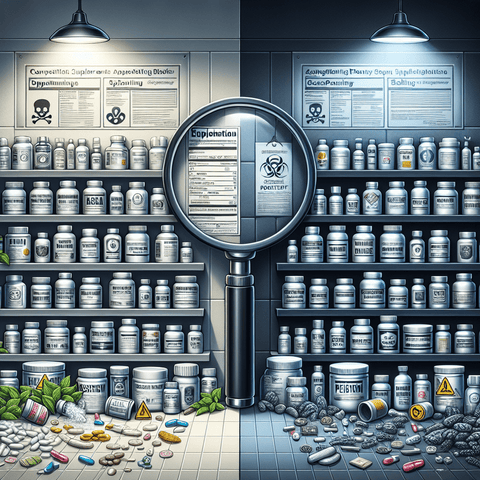
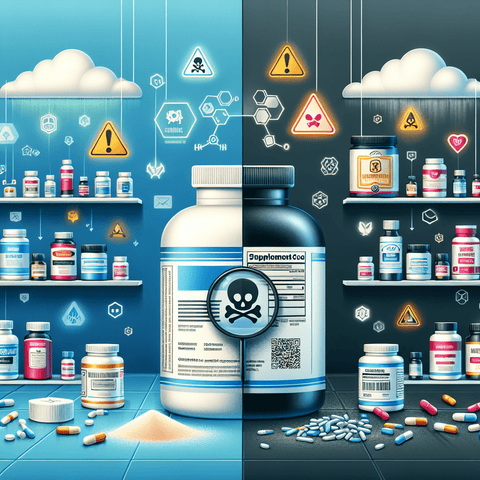
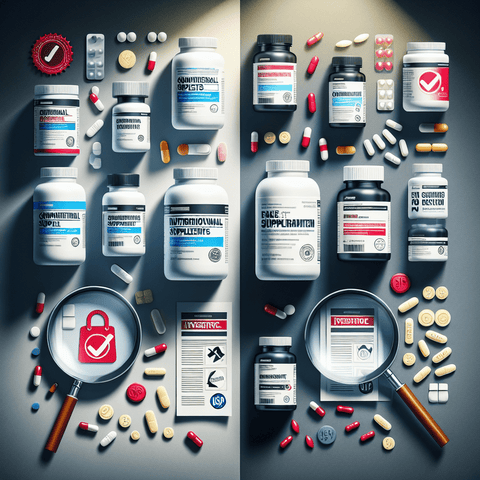
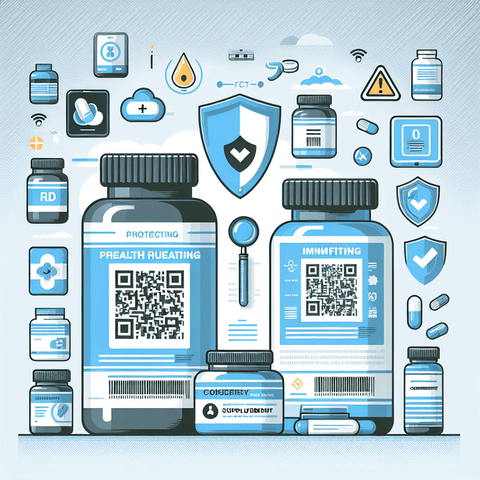
Fake dietary supplements are a pressing concern for anyone looking to improve their health and wellness. Counterfeit, adulterated, and mislabeled products can infiltrate the market through online marketplaces and other unverified channels, presenting serious health and financial risks. This page provides a broad overview of counterfeit dietary supplements, helping you understand the scope of the problem, the red flags to watch for, and the practical steps you can take to protect yourself and make informed choices about the supplements you buy.
What Are Fake Dietary Supplements?
The term “fake dietary supplements” covers several types of fraudulent or substandard products that can pose health risks. The main categories include:
- Counterfeit products: These are designed to mimic genuine brands but may contain unsafe ingredients or none of the promised nutrients.
- Adulterated supplements: These contain undisclosed fillers, contaminants, or other substances not listed on the label, compromising product integrity.
- Mislabeled products: These may contain incorrect doses or ingredients that do not match their claims, making it difficult to know what you are actually consuming.
- Unregulated products: These have no oversight, increasing the risk of poor quality, contamination, and unpredictable effects.
Understanding these distinctions is the first step in recognizing the potential dangers and making informed choices.
How to Spot Fake Supplements: Common Red Flags
While fake supplements may look convincing, there are often telltale signs that a product is not legitimate. Here are key red flags to watch for when evaluating a dietary supplement:
- Unrealistic health claims: Be wary of products promising rapid, dramatic, or 'miracle' results that seem too good to be true.
- Poor labeling: Look for missing manufacturer contact information, unclear ingredient lists, or dosage instructions that are difficult to understand.
- Lack of third-party certifications: Reputable brands often invest in independent testing. A lack of third-party verification can be a sign of lower quality control.
- Unusual packaging: Check for poor print quality, faded colors, misspelled words, or an overall appearance that differs from the official product.
- Suspiciously low prices: If a deal seems too good to be true, especially compared to prices from authorized retailers, it may be a counterfeit.
Health Risks of Counterfeit Supplements
The health risks associated with counterfeit dietary supplements can be severe and far-reaching. Because these products are not subject to the same rigorous quality control as legitimate brands, they may be contaminated with harmful substances, including heavy metals, pathogens, or undisclosed pharmaceutical ingredients.
Common Adverse Effects and Safety Concerns
Users may experience unexpected symptoms after taking a counterfeit product. These can include:
- Gastrointestinal distress such as nausea, cramping, or diarrhea.
- Headaches, dizziness, or skin reactions.
- General fatigue or unusual tiredness.
- More serious signals like changes in heart rhythm, liver or kidney problems, or neurological effects, which require immediate medical attention.
The presence of undisclosed active ingredients can also lead to dangerous interactions with prescription medications, creating unintended and potentially severe drug interactions. If you experience any adverse reaction after taking a supplement, discontinue use immediately and consult a healthcare professional.
How Fake Supplements Enter the Market
Counterfeit supplements often find their way into consumer hands through channels that lack the same oversight as authorized retailers. Understanding how these products enter the supply chain is crucial for avoiding them.
- Online marketplaces: While convenient, these platforms can be a haven for third-party sellers offering unbranded or counterfeit products.
- Gray-market suppliers: These are unauthorized dealers who may sell products through non-traditional channels, sometimes with suspect quality or authenticity.
- Unclear manufacturing origins: Products without transparent sourcing or a clear chain of custody are more likely to be fake or substandard.
Purchasing from established, reputable retailers who provide transparent sourcing is one of the most effective ways to reduce these risks.
Protecting Yourself: A Practical Guide to Supplement Safety
Your safety starts with being an informed consumer. While no method is foolproof, taking these precautions can significantly reduce your chances of encountering a fake or dangerous product.
Steps to Verify a Legitimate Supplement
- Buy from trusted retailers: Choose established pharmacies, health food stores, or authorized online sellers rather than unknown third-party vendors.
- Check for third-party testing: Look for seals from organizations like NSF International, USP, or ConsumerLab.com, which indicate independent verification of ingredients and quality.
- Examine the label carefully: Verify that the list of ingredients, dosage, and manufacturer information are all clear and complete.
- Look up the manufacturer: A legitimate company will have a verifiable physical address and contact information. Check their website and reputation.
- Be wary of extreme claims: Any product that promises a cure-all or 'miracle' result should raise immediate suspicion.
Understanding Regulatory Oversight
It is important to note that dietary supplements are regulated differently than conventional drugs. While agencies like the FDA in the United States set standards for Good Manufacturing Practices (GMP), they do not strictly approve supplements for safety and effectiveness before they are sold. This places a greater burden on the consumer to research brands and products carefully. Understanding this regulatory landscape is key to appreciating why counterfeit products can pose such a significant risk.
What to Do If You Suspect a Fake Supplement
If you suspect you have taken a counterfeit or adulterated supplement, the most important action is to stop taking it immediately. Keep the bottle and packaging for reference. If you experience any adverse health effects, contact a healthcare professional or a poison control center right away. You can also report the product to the appropriate regulatory authority in your region, such as the FDA's MedWatch program in the US.
The Financial and Consumer Trust Impact
The problem of counterfeit supplements extends beyond individual health risks. Spending money on ineffective or fraudulent products can waste your resources and, more seriously, delay the adoption of nutrition strategies that could genuinely help you. The widespread prevalence of fakes also erodes consumer trust in the entire supplement industry, harming the reputation of legitimate brands that invest in quality and transparency.
A Broader Perspective on Supplement Quality
Beyond avoiding fakes, evaluating a supplement for overall quality is crucial. A quality product is more likely to provide the expected benefits and less likely to cause harm. Key factors to consider include ingredient sourcing, manufacturing practices, and the company's overall commitment to transparency. For example, when selecting a specific nutrient, it can be helpful to consult resources that explain what to look for. Topvitamine’s guide on vitamin D or the multivitamins guide offers practical insights into choosing high-quality products.
The Role of Lifestyle and Diet
It's also important to remember that supplements are meant to complement, not replace, a healthy lifestyle. A well-balanced diet, adequate sleep, regular exercise, and stress management are the cornerstones of good health. Supplements should be used to address verified gaps or deficiencies, often under the guidance of a healthcare professional. A “quick fix” mindset can make you more vulnerable to marketing hype and counterfeit products.
Key Takeaways and Next Steps
- Fake dietary supplements pose significant health and financial risks due to their lack of regulation and quality control.
- Learn to recognize red flags in product claims, labeling, and packaging.
- Purchase only from trusted retailers and look for third-party testing certifications.
- Always consult with a healthcare professional before starting any new supplement, especially if you have underlying health conditions or take medications.
By staying informed and evaluating products carefully, you can navigate the supplement market with confidence and focus on your wellness goals. When you are ready to explore vetted options, Topvitamine offers a selection of supplements from trusted brands, with a focus on product quality and transparency, such as those in their natural supplements collection.