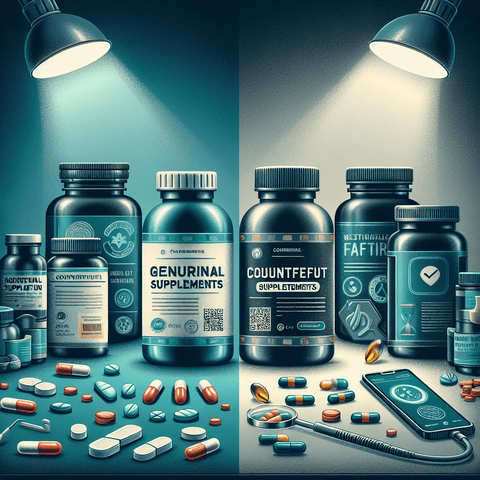
Supplement authenticity is a critical concern for anyone looking to support their health with vitamins, minerals, or other dietary products. With a growing market, the risk of encountering counterfeit, substandard, or mislabeled products has also increased. This guide provides a clear, practical framework for verifying the authenticity of your supplements. We will cover the essential checks, from reading labels correctly to understanding third-party testing and certifications, so you can make more informed and confident purchasing decisions.
Understanding Supplement Authenticity
Supplement authenticity is about confirming that the product in your hand is the same as what the manufacturer originally produced and intended for sale. A truly authentic product should be consistent in its formulation, labeling, and packaging. It must match the official product listings provided by the brand across their website and authorized retailers. When a product deviates from this standard, it raises a red flag. The goal of verifying authenticity is to ensure you are consuming a product that contains exactly what is stated on the label, in the correct amounts, from a reliable source.
Why Verifying Authenticity Matters
The primary reason for verifying supplement authenticity is safety. Counterfeit supplements are not regulated and may contain dangerous hidden ingredients, the wrong dosage of a nutrient, or toxic substances like heavy metals. Beyond safety, authenticity is about efficacy. If you are taking a supplement to address a specific nutrient gap, you need to be confident that the product contains the declared amount of the active ingredient. An authentic product from a reputable manufacturer provides this confidence, ensuring your money and effort are not wasted on an ineffective or potentially harmful counterfeit.
How to Spot Red Flags and Verify Authenticity
There are several key areas to examine when you are trying to determine if a supplement is genuine. These checks range from a physical inspection of the packaging to researching the brand's testing practices. By using a combination of these methods, you can significantly reduce the risk of buying a counterfeit product.
1. Visual Inspection of the Label and Packaging
Your first line of defense is a careful visual inspection. Look at the label and packaging closely for signs of tampering or low-quality printing. A genuine product typically has clear, sharp text and professional-looking packaging.
- Check for spelling errors and inconsistent fonts.
- Ensure the tamper-evident seal is intact.
- Verify the print quality on the bottle and box is high definition.
- Compare the product name, form, and net quantity against the official brand website.
While a high-quality counterfeit could still pass this test, you should treat any visual inconsistencies as a potential red flag and investigate further.
2. Using Batch Numbers and Certificates of Analysis (COAs)
A batch or lot number is a crucial tool for verifying authenticity. It connects a specific production run to its testing records. You can use this number to request a Certificate of Analysis (COA), which is a document from a laboratory that confirms the product's contents.
- Locate the batch or lot number printed on the product label.
- Search for a COA on the manufacturer's website or request one directly from them.
- Verify that the COA details, including the product name, batch number, and testing results, match the product you have in hand.
If a manufacturer is unable or unwilling to provide a COA for the specific batch, it is a strong signal that the product may not be authentic, or the brand may lack proper quality controls.
3. Checking for Third-Party Certifications and GMP Seals
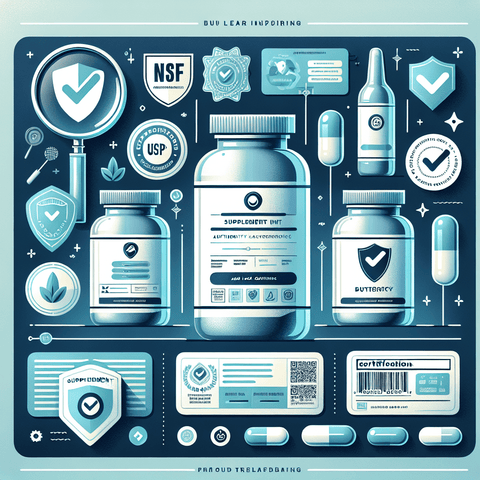
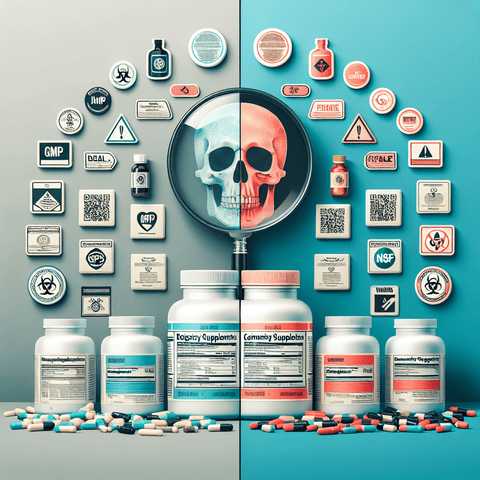
Good Manufacturing Practices (GMP) seals and third-party certifications indicate that a facility adheres to specific quality standards. While the GMP seal signifies the manufacturer follows regulatory guidelines for production, third-party certifications like NSF or USP provide an extra layer of verification.
Look for these seals on the packaging, but always check that the seal is current and awarded to the specific product you are considering. A seal from a recognized testing organization is a strong indicator that the product has been independently checked for quality and purity.
Researching Brand Trustworthiness
A company's reputation is often a reflection of its commitment to quality and transparency. The most trustworthy supplement companies are typically open about their manufacturing processes, ingredient sourcing, and testing procedures.
- Explore the brand's official website for detailed product information and educational resources.
- Look for brands that routinely publish Certificates of Analysis (COAs) for their products.
- Check if they participate in independent, third-party testing programs.
- Compare their product listings across authorized retailers and their official channels for consistency in pricing and information.
If a brand is vague about its sourcing or does not provide access to test results, you may want to be cautious. We encourage you to explore our healthy origins supplements category, which focuses on brands that often prioritize transparent sourcing and quality control.
The Role of the Retailer in Authenticity
The retailer you purchase from also plays a significant role in supplement authenticity. Buying from authorized distributors or directly from the manufacturer's official website is the safest approach. These sources have a direct relationship with the brand and are less likely to sell counterfeit goods. Be wary of deep discounts on platforms that are not authorized sellers, as this can be a sign that the product has been tampered with or is not genuine.
Exploring the Wider Supplement Landscape
Understanding authenticity is the first step in making wise supplement choices. To build a complete routine, it is helpful to learn about different categories of nutrients and how they support your overall health. You might find our guides on natural supplements or specific nutrients like Vitamin D helpful as you continue your research.
Building Your Verification Routine
Confirming a product's authenticity does not need to be complicated. By integrating these checks into your routine, you can shop with greater confidence. Before you purchase a supplement, take a moment to consider its source and whether you can verify its claims. By being a diligent consumer, you can significantly reduce the risk of buying counterfeit products and ensure you are truly getting what you pay for. This general information is for educational purposes and should not replace professional medical advice.