How to Tell If Your Supplements Are Counterfeit
Counterfeit supplements are fraudulent imitations of legitimate products. They may contain incorrect dosages, no active ingredients, or harmful contaminants. Knowing how to identify counterfeit supplements is essential for protecting your health. Start by examining the packaging, checking the seller, and using verification tools. Here's a practical checklist to help you spot fakes before you buy or consume them.
The Counterfeit Supplement Checklist: 5 Key Red Flags
Spotting a fake often starts with a careful visual and logical inspection. Before you buy or use a supplement, run through this checklist.
1. Packaging and Labeling Inspection
Legitimate brands invest in high-quality packaging. Look for these red flags:
- Spelling and Grammar Mistakes: Misspelled words or poor grammar on the label are major warning signs.
- Poor Print Quality: Faded ink, blurry logos, or crooked labels suggest illicit production.
- Missing or Inconsistent Information: Ensure the label includes a full ingredient list, manufacturer address, and lot/batch number. Check that this information matches between the outer box and the bottle.
- Tampered Seals: Broken or missing safety seals indicate the product may have been opened or tampered with.
2. Price and Seller Scrutiny
If a deal seems too good to be true, it often is.
- Unrealistic Discounts: Deep discounts on high-value items like specific vitamins or mineral supplements are a common tactic used by counterfeiters.
- Unverified Sellers: Be wary of unfamiliar online marketplaces or social media sellers. Always prefer authorized retailers like TopVitamine.com that source directly from certified manufacturers.
3. Over-the-Top Health Claims
Be skeptical of extravagant promises. Claims like "miracle cure," "guaranteed results," or promises to treat serious medical conditions are not permitted for dietary supplements and are hallmarks of scams.
4. Physical Product Inconsistencies
Once you have the product, examine it closely.
- Color, Size, and Smell: Compare the capsules or tablets to images on the official brand's website. An unusual odor, especially a rancid smell in products like fish oil, is a red flag.
- Texture and Dissolution: While not always a definitive test, significant variation between pills can indicate a problem.
5. Missing Verification Tools
Authentic supplements often have built-in verification methods. A lack of these is suspicious.
- QR Codes or Barcodes: Scan these with your phone. They should direct you to the manufacturer's official verification page.
- Batch/Lot Numbers: These should be clearly printed and traceable. You can often enter them on the brand's website to confirm authenticity.
How to Check If a Supplement Company Is Legit
Verifying the company behind the supplement is as important as checking the product itself. A legitimate company is transparent and accountable.
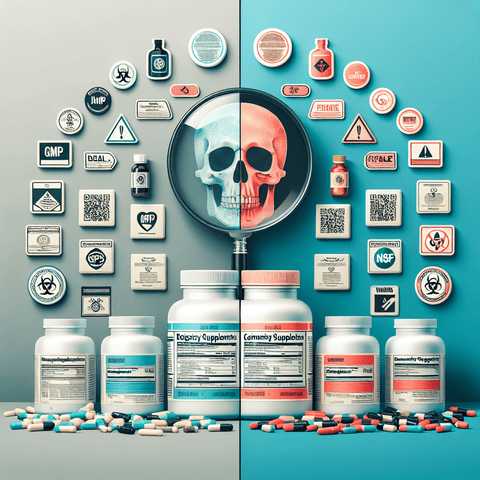
- Check for Certifications: Look for seals indicating Good Manufacturing Practices (GMP), NSF International, or USP (U.S. Pharmacopeia) certification. These mean the company adheres to strict quality control standards.
- Assess Transparency: A legitimate company will provide clear contact information, including a physical address and phone number. Their website should detail their sourcing practices and quality controls.
- Research Their Reputation: Search for the company name alongside terms like "review," "complaint," or "scam." Check independent forums and consumer protection sites for feedback.
- Look for Third-Party Testing: Reputable companies often make Certificates of Analysis (COA) available, which show independent lab results for purity and potency.
How to Verify a Supplement is Original: A Step-by-Step Guide
Follow these practical steps to verify your supplement's authenticity with confidence.
- Purchase from Trusted Sources: Start by buying from established, authorized retailers. This is your first line of defense.
- Examine Upon Arrival: Before opening, conduct the packaging and labeling checks outlined in the checklist above.
- Use Digital Verification: Scan any QR codes or barcodes. If none are present, visit the manufacturer's website and use their product verification tool, often found by entering the batch number.
- Contact the Manufacturer: If you have any doubts, email the brand's customer service with the product details and lot number. Legitimate companies will typically respond to verification requests.
- Compare to Previous Orders: If you've purchased the product before, compare the new packaging and pills to your previous batch. Subtle changes in design or product appearance can be a sign of counterfeiting.
Buying Supplements on Amazon: Risks and How to Verify Sellers
Online marketplaces like Amazon offer convenience, but they also present risks when it comes to counterfeit supplements. Third-party sellers can list products alongside authorized ones, making it harder to know what you're getting. To reduce your risk, always check the seller's name and ratings. Look for the manufacturer's official storefront or "Ships from and sold by" information. Be cautious if the price is significantly lower than the manufacturer's suggested retail price. When the product arrives, inspect the packaging carefully for any signs of tampering or poor quality. If something seems off, use the verification steps above to confirm authenticity before consuming.
Common Health Supplement Scams to Avoid
Beyond outright counterfeits, deceptive marketing can trick consumers. Be aware of these common tactics:
- "Miracle Cure" Marketing: Products claiming to cure diseases or produce overnight results are almost always fraudulent.
- Fake Reviews and Endorsements: Scammers often create fake testimonials or misuse celebrity images. Look for detailed, verified purchase reviews on independent platforms.
- Subscription Traps: "Free trial" offers that require credit card information can lead to unauthorized recurring charges that are difficult to cancel.
- Misleading "Approvals": Supplements are not "FDA-approved." Claims suggesting official government endorsement are false.
What to Do If You Suspect a Counterfeit Supplement
If you believe you have a counterfeit product, take immediate action to protect yourself and others.
- Stop Using the Product: Discontinue use immediately.
- Document Everything: Take clear photos of the product, packaging, labels, and any receipts.
- Contact the Seller: Report your suspicions and request a refund.
- Report to Authorities: File a report with your national food or drug safety agency (e.g., the FDA in the U.S. or the NVWA in the Netherlands). This helps track and shut down illegal operations.
- Notify the Legitimate Brand: Informing the actual manufacturer can help them take action against counterfeiters.
FAQs: Your Counterfeit Supplement Questions Answered
How to tell if supplements are counterfeit?
Check for poor packaging, spelling errors, and missing information like batch numbers. Compare the physical product to images from the official brand and use verification tools like QR codes. A suspiciously low price is also a major red flag.
How to check if a supplement is original or not?
Verify it through the manufacturer's website using the batch or lot number. Scan QR codes, and contact the brand's customer service for confirmation. Always purchase from authorized retailers to minimize risk.
How to spot fake NOW supplements?
For brands like NOW, start by examining the packaging for the NOW logo and quality print. Check for a lot number and expiration date that match the brand's standards. Use the verification tool on the NOW website if available, and compare the product's appearance to official images. If the price seems too low or the seller is not authorized, treat it as suspicious.
How to tell if a supplement company is legit?
Research the company for third-party certifications (like GMP or NSF), check for transparent contact information, and look up independent reviews. Legitimate companies are open about their manufacturing and testing processes.
How can you tell if a product is counterfeit?
Counterfeit products often have inconsistencies in packaging, labeling, and the physical product itself. The absence of verifiable batch numbers, tamper-evident seals, and official certification marks are strong indicators of a counterfeit.
Final Thoughts: Prioritizing Safety and Authenticity
Protecting yourself from counterfeit supplements requires diligence. By following the verification steps and red flag checklists in this guide, you can shop with greater confidence. Remember, your health is invaluable. Prioritizing purchases from transparent, reputable sources ensures you receive safe, effective supplements that support your wellness goals.