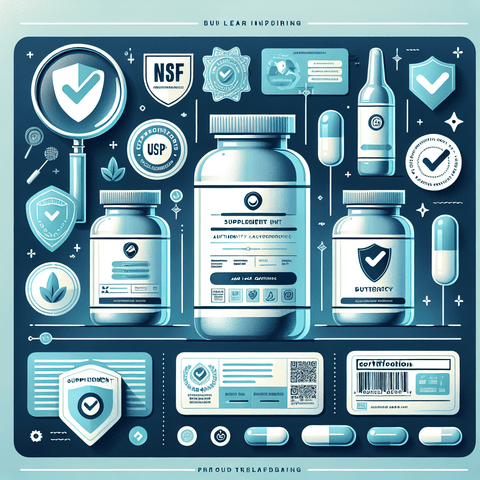
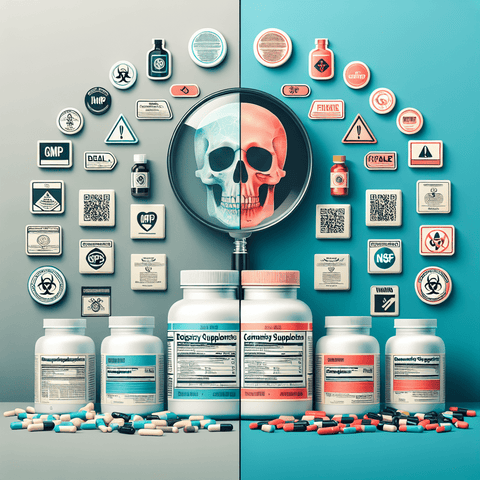
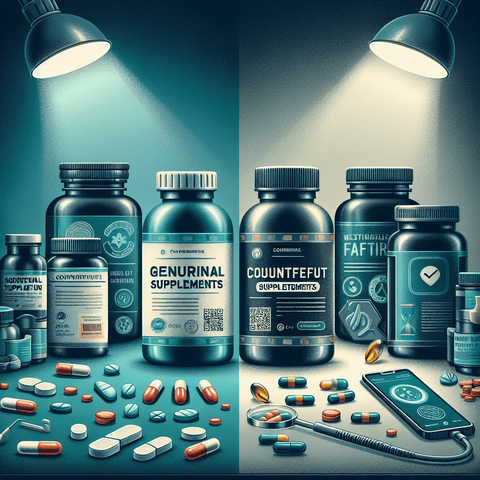
Supplement authenticity means a product contains exactly what its label declares — the right ingredients, in the stated amounts, without undeclared or harmful substances. Counterfeit, adulterated, and grey-market supplements do exist, and they can pose genuine health risks rather than simply wasting money. This article explains what supplement authenticity involves, why fake products enter the market, and which warning signs to check before and after you buy. You will also learn how to read labels like an inspector, interpret batch numbers and certificates of analysis, and understand what third-party testing and GMP certification actually prove — so you can make informed, safety-aware decisions about whether and how supplements fit into your routine.
Introduction: Why Supplement Authenticity Matters
The supplement market is large and fast-growing, and — unlike medicines — most products reach shelves without pre-market approval for efficacy. That gap creates space for counterfeiters. A fake supplement is not merely ineffective; it may contain too little of an active ingredient to matter, far too much, or substances that never appeared on the label. Because people often take supplements during pregnancy, illness, or intense training, the difference between a genuine product and a counterfeit one can directly affect health. Learning to verify supplement authenticity is therefore a practical health skill, not just a shopping tip.
What Is Supplement Authenticity? Meaning and Key Concepts
An authentic supplement verifiably matches its label: declared ingredients at stated doses, no undeclared pharmaceuticals, contaminants, or allergens, and manufacturing under documented quality controls. Authenticity also implies traceability — a legitimate chain from factory to shelf. A genuine product can still be poorly formulated, but a fake one misrepresents what you are actually consuming.
Types of Fake Supplements: Counterfeit, Adulterated, Spiked, and Grey-Market Products
Problems fall into four broad categories:
- Counterfeit products imitate a legitimate brand's packaging but come from unauthorized manufacturers with unknown contents.
- Adulterated products contain diluted, substituted, or contaminated ingredients — a herbal extract stretched with cheaper plant material, for instance.
- Spiked products secretly contain pharmaceutical drugs, such as stimulants in weight-loss formulas or prescription compounds in products marketed for energy or performance.
- Grey-market products are genuine goods diverted from normal distribution — sometimes expired, poorly stored, or re-labelled — and sold outside authorized channels.
Why Fake Supplements Are a Health Risk, Not Just a Waste of Money
The mildest consequence is wasted money: too little vitamin D, magnesium, or iron simply does nothing. The more serious risks involve what fakes add rather than what they lack. Spiked products can deliver uncontrolled drug doses with real interaction and side-effect potential, especially alongside prescription medicines. Contaminated products may carry heavy metals, microbes, or undeclared allergens such as gluten or nuts. Dose errors cut both ways — too little prolongs a deficiency, while accidental overdoses of fat-soluble vitamins or minerals raise toxicity concerns. For tested athletes, undeclared substances can also trigger positive doping results.
Warning Signs of Fake Supplements: Red Flags to Check Before and After You Buy
Red Flags Before You Buy: Packaging, Labels, Price, and Seller Credibility
Legitimate manufacturers invest in consistent packaging and transparent labeling, so irregularities deserve scrutiny:
- Prices far below the normal retail range, especially from unknown sellers
- No named manufacturer, vague contact details, or an unverifiable website
- Spelling errors, blurry print, missing batch numbers, or missing expiry dates
- Exaggerated claims such as "miracle cure" or promises to treat disease
- Marketplace sellers with thin histories or photos that don't match official product images
Red Flags After Delivery: Seals, Taste, Texture, and Physical Changes
Inspect products before first use. The safety seal should be intact and match the brand's usual format, and packaging should match previous purchases or official photos. Inside, watch for unusually soft or sticky capsules, crumbling tablets, clumping powders, discoloration, or a strong, unexpected smell. A missing leaflet or mismatched batch numbers between box and bottle also merit questions. One sign may have an innocent explanation; several together justify contacting the manufacturer before taking anything.
Why Fake Supplements Exist: Causes and Risk Factors
How Counterfeit Supplements Enter the Supply Chain
Authentic products normally travel through a controlled chain: manufacturer, authorized distributor, retailer. Every extra intermediary — resellers, repackagers, anonymous online storefronts — adds a point where goods can be diverted, diluted, or replaced. Supplements are attractive targets because demand is steady, margins are healthy, and controls are lighter than for medicines. Even genuine goods can degrade in transit when exposed to heat, humidity, or light.
Where Fakes Are Most Common: Online Marketplaces, Third-Party Sellers, and Trending Products
Counterfeiting clusters around demand spikes and anonymous sales channels. Regulatory warnings most often involve products for weight loss, muscle building, sexual performance, and energy, alongside hugely popular branded proteins and vitamins sold by unauthorized sellers. Social-media ads, implausibly cheap listings, and websites without a physical address complete the pattern. Buying directly from a brand or an authorized retailer sharply reduces exposure.
Why Supplement Needs — and Authenticity Stakes — Differ From Person to Person
Diet, Age, Lifestyle, and Health Status: Why Your Needs Are Personal
Nutritional requirements vary widely. Age shifts needs for calcium, vitamin D, and B12; pregnancy raises folate and iron demands; vegan diets make B12, iodine, and iron more relevant; limited sun exposure affects vitamin D status; some medications and gut conditions influence absorption. Because needs differ, the number of supplements a person genuinely requires differs too — and every product added is another one to verify.
When the Stakes Are Higher: Allergies, Medications, Pregnancy, and Sports Testing
For some people, a counterfeit product is dangerous rather than merely useless. Those with allergies depend on accurate allergen labeling; people on prescription medicines face interaction risks from undeclared drugs; during pregnancy, contaminants and excessive doses of certain nutrients — vitamin A is the classic example — are a concern. Competitive athletes need products screened for banned substances, which is why certified sports supplements are verified with particular care.
Food and Lifestyle First: Habits That Reduce Both Supplement Needs and Risk
How a Balanced Diet Reduces How Many Supplements You Need
For most healthy adults with access to varied food, a balanced diet covers the majority of nutrient needs. Vegetables, fruit, whole grains, legumes, fish, dairy or fortified alternatives, and quality protein sources supply vitamins, minerals, and bioactive compounds in forms the body handles well. Food-first thinking has a quiet authenticity benefit too: every supplement you don't need is one you never have to verify or store correctly.
Smart Buying and Storage Habits That Protect Product Integrity
- Buy from the manufacturer or clearly authorized retailers rather than anonymous marketplace listings
- Keep products in original packaging so batch numbers and expiry dates stay accessible
- Store in a cool, dry place away from sunlight — and away from humid bathrooms unless the label permits
- Never decant capsules or powders into unmarked containers
- Sign up for recall notifications where brands offer them
What Authenticity Looks Like Across Supplement Categories
Vitamins and Minerals: Dose Accuracy and Ingredient Forms
Here, authenticity hinges on dose accuracy and honest ingredient identification. Labels should name the chemical form — vitamin D3 rather than a vague "vitamin D," or a specific magnesium salt — because forms differ in absorption and tolerability. Misdeclared doses are the core risk: too little delivers nothing, while excessive amounts of fat-soluble vitamins, iron, zinc, or selenium are undesirable over time.
Protein Powders, Herbal Supplements, and Probiotics: Spiking, Adulteration, and Potency Claims
Each category has its own weak points. Protein powders have historically been vulnerable to "amino spiking," where cheap individual amino acids inflate measured protein content. Herbal products are especially exposed to adulteration and substitution, which is why transparent sourcing and species-level identification matter when choosing herbal supplements. Probiotics raise potency questions: an authentic product states strains, counts, and whether declared CFU applies at manufacture or at expiry, since live cultures decline over time in probiotic supplements.
When Supplementation May Be Relevant — and When Authenticity Becomes Critical
Situations Where Dietary Intake May Fall Short
Certain situations are repeatedly associated with lower intake or higher needs: vitamin D during winters at higher latitudes, vitamin B12 on vegan diets, iron for women with heavy menstrual losses, and folate during pregnancy under medical guidance. In these cases supplementation may be worth discussing with a professional — which makes the authenticity of the chosen product more than a technicality.
Nutritional Support vs. Medical Treatment: Keeping the Line Clear
Supplements support nutritional intake; they do not treat, cure, or prevent disease. If symptoms suggest a possible deficiency — persistent fatigue, unexplained changes — the responsible step is professional assessment rather than self-diagnosis and online ordering. A clinician can arrange appropriate tests and distinguish a nutritional question from a medical one.
How to Choose the Right Supplement: An Authenticity-First Checklist
Third-Party Testing, GMP Certification, and Certificates of Analysis: Proof of Quality
Three markers carry real weight. GMP certification indicates manufacturing under Good Manufacturing Practice, with documented processes and contamination controls. Third-party testing means an independent laboratory has analyzed the product, ideally through a recognized program. A certificate of analysis (COA) is the batch-level result; it should match the number on your bottle and report identity, potency, and contaminant screening. Brands that publish COAs openly demonstrate confidence; brands that cannot produce one are asking for trust without evidence.
Ingredient Forms, Doses, and Bioavailability: Comparing Products Intelligently
Once quality markers check out, compare what is actually inside. Chemical form matters for absorption — magnesium citrate and magnesium oxide, for example, differ meaningfully — though no single form is universally superior. Compare doses with reference intakes rather than assuming more is better, and check that amounts stay well below upper intake levels, particularly for fat-soluble vitamins and trace minerals.
Single-Ingredient vs. Combination Products: Simplicity, Transparency, and Verification
Single-ingredient products are easier to verify: a COA covers one compound, doses are adjustable, and interactions are simpler to track. Combination formulas can be convenient but multiply the variables you take on trust. If you choose a multivitamin, favor brands with strong documentation — a clear guide to multivitamin ingredients and safety helps you know what to expect on the label.
Added Ingredients, Allergens, and Delivery Formats: Capsules, Tablets, Powders, and Liquids
Check the "other ingredients" list for allergens, unnecessary fillers, or sweeteners that don't suit you, and confirm vegan, vegetarian, or religious suitability where relevant. Format affects stability: capsules and softgels protect sensitive ingredients, powders allow dose flexibility, and liquids suit people who avoid tablets — but each format has distinct storage demands that counterfeits rarely replicate faithfully.
How to Read a Supplement Label Like an Inspector
The Supplement Facts Panel: Serving Sizes, Doses, and Daily Values
Start with the serving size, since per-capsule figures mislead if a serving is two or three units. Then read each nutrient's amount and percentage of the daily value. Doses near 100% of the daily value are normal for nutrients with wide safety margins; amounts far above it — especially for vitamin A, vitamin D, or iron — warrant a second thought. The panel should also specify the nutrient form, which tells you what is genuinely inside.
Proprietary Blends, Batch Numbers, and Expiry Dates: Details Counterfeits Often Get Wrong
Proprietary blends list ingredients without individual amounts, leaving you unable to judge meaningful doses — treat them as a transparency red flag. Batch or lot numbers enable COA matching, recall checks, and consistency checks between box and bottle. Expiry dates should be clearly printed, not stickered over older dates. Counterfeiters routinely copy front-of-pack design but stumble on these quieter details, so a label missing a batch number deserves suspicion.
Who May Benefit Most From Supplementation — and Who Should Verify Most Carefully
Life Stages and Diets Commonly Linked to Nutritional Gaps
Groups frequently associated with gaps include pregnant women (folate, iodine, vitamin D — under professional guidance), older adults (vitamin D, B12), vegans and some vegetarians (B12, iodine, sometimes iron, zinc, and omega-3s), people with restrictive diets or malabsorption, and those with little sun exposure. This doesn't mean supplements are automatically needed — it means that when one is used, its quality and authenticity matter more, not less.
When to Test Rather Than Guess: Blood Work and Professional Guidance
Symptoms such as tiredness are unspecific and cannot confirm a deficiency. For several nutrients — vitamin D, B12, folate, iron status — validated blood tests provide a far better basis for decisions than guesswork. A doctor or registered dietitian can review your diet, medications, and health history, order tests where useful, and identify a genuine need rather than an assumed one.
Safety First: Interactions, Mislabeling Risks, and Suspected Fakes
Contaminants, Undeclared Ingredients, and Incorrect Doses: Why Fakes Carry Real Risks
Regulatory analyses of adulterated supplements have repeatedly found undeclared stimulants, prescription drugs, anabolic agents in performance products, and heavy metals such as lead, mercury, and cadmium in some samples. Beyond contamination, mislabeled doses create interaction risks — vitamin K is relevant for people taking blood-thinning medication, and excess vitamin A is a concern in pregnancy. Tested, authentic products are the safer baseline.
Suspected a Fake? Practical Steps and When to Involve a Professional
- Stop using the product, but keep the packaging, batch number, and receipt
- Contact the manufacturer — legitimate brands want to hear about counterfeits and can often verify your batch
- Report the seller to the marketplace and, where possible, to your national food or drug regulator
- Seek medical advice promptly if you feel unwell, describing exactly what you took
Food First or Supplements? Making an Informed, Confident Decision
When Dietary Changes Alone May Be Enough
If your diet is varied, your blood work is unremarkable, and you have no specific risk factors, food-focused improvements are usually the sensible first step. Adding oily fish, legumes, vegetables, or fortified foods can close small gaps without adding any products to verify — and it is cheaper and safer.
When Supplementation Makes Sense — and What Should Guide Your Final Choice
Supplementation becomes more relevant when intake is demonstrably low, needs are elevated, absorption is reduced, or testing has identified a gap. When you do buy, let authenticity evidence lead: verifiable third-party testing, a batch-matched COA, transparent labeling, and a seller you can hold accountable. Quality and honesty are worth more than the lowest price.
Supplement Authenticity FAQ
Are Cheap Supplements Always Fake?
No. Legitimate prices vary with ingredient form, dose, and distribution. A price becomes suspicious mainly when it is dramatically below standard retail and comes from an unknown or unauthorized seller.
Can You Verify a Supplement by Batch Number or QR Code?
Often, yes. Many manufacturers publish batch-specific certificates of analysis or QR codes linking to lab results. Matching the number on your bottle to a published COA is one of the strongest available checks; a missing batch number is a reason for caution.
What Is a Certificate of Analysis (COA)?
A COA is a laboratory report for a specific production batch, confirming the identity and amount of declared ingredients and screening for contaminants. It is only meaningful if the batch number matches your product.
What Does GMP Certification Mean for Supplements?
Good Manufacturing Practice (GMP) refers to documented production standards covering hygiene, equipment, testing, and traceability. GMP-certified supplements are made under controlled conditions, which lowers — though does not eliminate — the risk of mislabeling or contamination.
Which Supplements Are Counterfeited Most Often?
Products marketed for weight loss, muscle gain, and sexual performance appear most frequently in regulatory warnings, alongside best-selling branded proteins and multivitamins sold through unauthorized sellers. High demand and margins drive the problem.
Can Fake Supplements Contain Dangerous Ingredients?
Yes. Analyses have found undeclared stimulants, prescription drugs, banned substances, heavy metals, and undisclosed allergens in adulterated products — which is why fakes are treated as a health hazard rather than a harmless disappointment.
Is It Safe to Buy Supplements From Online Marketplaces?
It depends on the seller. Listings handled by the brand or an authorized retailer are far safer than third-party sellers with no verifiable history. When in doubt, order from the manufacturer's own store.
How Do I Check Whether a Supplement Has Been Recalled?
Keep the batch number from your packaging and check your national food safety authority's recall database or the manufacturer's website. Recalls are published by product and batch — one more reason to keep original packaging.
Does an Expired Supplement Become Toxic?
Usually not; most supplements lose potency rather than becoming harmful after expiry. The real grey-market concern is expired stock that is re-labelled and sold as current — a form of misrepresentation, not simple aging.
Do Certification Seals on the Label Guarantee Authenticity?
No seal is foolproof, since logos can be forged. Treat certifications as one layer of verification alongside seller credibility, batch checking, and — where possible — a COA matched to your own bottle.
What Should I Do if I Suspect a Fake?
Stop taking the product, preserve the packaging and receipt, contact the manufacturer to verify the batch, and report the seller to the platform and relevant regulator. Seek medical advice if unusual symptoms appear.
Key Takeaways
- Supplement authenticity means a product contains its declared ingredients, at stated doses, without undeclared substances.
- Four problem types exist: counterfeit, adulterated, spiked, and grey-market products — spiked products carry the most direct health risk.
- Check seller credibility, pricing, and label quality before buying; inspect seals, print, texture, and smell after delivery.
- GMP certification, independent third-party testing, and batch-matched certificates of analysis are the strongest available quality markers.
- Read labels closely: serving sizes, nutrient forms, proprietary blends, batch numbers, and expiry dates reveal a lot about transparency.
- Buy from brands or authorized retailers rather than anonymous third-party marketplace sellers, especially for trending products.
- Nutritional needs vary with diet, age, life stage, and health status; food comes first, then targeted supplementation where a real gap exists.
- Symptoms alone cannot confirm a deficiency — blood tests and professional guidance beat guesswork.
- If you suspect a fake, stop using it, keep the packaging, contact the brand, and report the seller.
Conclusion: Making Supplement Authenticity Part of Smarter Health Choices
Supplement authenticity is not an abstract quality concept — it determines what actually enters your body. For most people, a varied diet remains the foundation, and many will need few or no supplements at all. Where a genuine gap exists, whether from diet, life stage, or health circumstances, supplementation may be worth considering, and verifying authenticity becomes part of doing it responsibly. Read labels critically, favor products with third-party testing and GMP manufacturing, match batch numbers to certificates of analysis, and buy from sellers you can hold accountable. Needs differ from person to person, so let your own diet, lifestyle, and — where appropriate — test results guide you, with professional advice for high-stakes decisions.
Related Keywords
- supplement authenticity
- how to verify supplement authenticity
- counterfeit supplements
- fake supplements
- adulterated supplements
- spiked supplements
- grey market supplements
- certificate of analysis (COA)
- third-party tested supplements
- GMP certified supplements
- supplement label guide
- batch number verification
- undeclared ingredients in supplements
- supplement quality and safety
- how to spot fake supplements