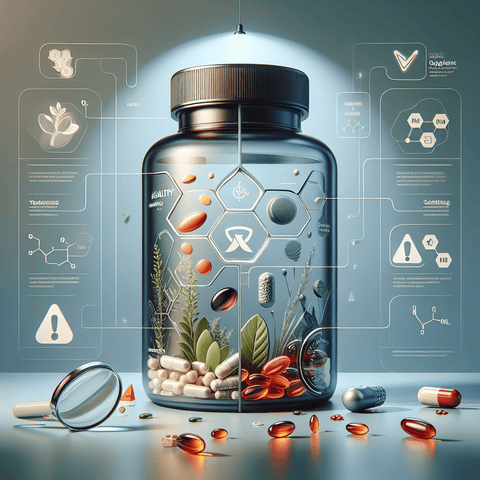
Supplement safety is a critical aspect of maintaining personal wellness, especially given the increasing reliance on dietary supplements in everyday health regimens. In this guide, we’ll cover how to know if a supplement is safe, the risks of unsafe use, and practical skills for reading labels and avoiding harmful interactions. By following these steps, you can make confident, informed decisions about the supplements you choose.
Introduction to supplement safety
How to know if a supplement is safe
No supplement is completely risk-free, but you can reduce risk by choosing products from reputable brands that follow Good Manufacturing Practices (GMP) and have third-party testing seals like USP, NSF, or ConsumerLab. Look for labels with clear ingredient amounts, recommended dosages, and allergen warnings. Also, check for batch numbers and lot numbers that allow you to verify product authenticity. If a supplement claims to cure or treat a disease, that is a red flag—dietary supplements are not medications.
Why doctors may discourage supplements
Doctors often discourage supplements because many people take them without a confirmed deficiency, which can lead to unnecessary expenses and potential risks. High doses of certain vitamins and minerals can cause toxicity or interact with prescription medications. Additionally, some supplements are not backed by strong evidence, and the industry’s lack of pre-market approval means product quality can vary. That is why professional guidance is so important before starting any new supplement.
Core explanation of supplement safety
What 'safe dosing' means for dietary supplements
Safe dosing involves taking supplements in amounts that are generally regarded as safe and effective for most people. Each nutrient has a Recommended Dietary Allowance (RDA) or Adequate Intake (AI) that provides a target for daily intake. Exceeding these levels, especially for fat-soluble vitamins like A, D, E, and K, can lead to accumulation and toxicity. Always start with the lowest effective dose and consult a healthcare professional if you are considering higher amounts for a specific health goal.
Which vitamins pose the greatest risk of toxicity?
The two vitamins most commonly associated with toxicity are vitamin A and vitamin D. Vitamin A is fat-soluble and can accumulate in the liver, leading to symptoms like nausea, dizziness, and even liver damage when taken in high doses. Vitamin D toxicity, although rare, can cause dangerously high calcium levels in the blood, leading to kidney stones and organ damage. To stay safe, avoid taking excessive doses of these vitamins unless under medical supervision.
How labeling and product transparency contribute to safety
Accurate labeling is a key part of supplement safety. A trustworthy label lists the active ingredients, the amount per serving, percent Daily Value (%DV), other ingredients, and any allergens. Transparent brands also provide information about sourcing, manufacturing, and third-party testing. When a product lacks essential label information or uses vague terms like 'proprietary blend' without showing amounts, it is harder to assess safety.
The role of interactions: drugs, foods, and other supplements
Supplements can interact with medications, foods, and other supplements, sometimes in dangerous ways. For example, vitamin K can interfere with blood thinners like warfarin, while calcium can reduce the absorption of certain antibiotics. Some nutrients compete for absorption, such as iron and calcium. That is why it is essential to talk to your doctor or pharmacist before combining supplements with any medication, and to time your doses appropriately.
Why supplement safety matters
Prevalence of supplement use and consumer misconceptions
Dietary supplements are popular, with many people assuming that 'natural' automatically means safe. However, natural substances can still be harmful in excessive amounts or when combined with medications. The misconception that more is better can lead to accidental overdosing. Education is key to navigating these misconceptions and using supplements responsibly.
Potential risks: contamination, mislabeling, and inappropriate dosing
Risks include contamination with heavy metals or undeclared ingredients, labels that don’t match the actual contents, and taking doses that are too high or too low. Such problems can cause unexpected health complications, especially for individuals with pre-existing conditions. Choosing third-party tested products and following dosing guidelines reduces these risks.
Symptoms, signals, and health implications
Common symptoms that can prompt evaluation
If you experience fatigue, gastrointestinal upset, headaches, or sleep disturbances after starting a supplement, it might be a sign that the product is not right for you. These symptoms can also be caused by other factors, but it’s worth evaluating your supplement routine if they persist.
Signals that may indicate a safety issue
Unexpected allergic reactions, unusual bleeding, or mood changes could point to an adverse reaction. If you experience any of these, stop taking the supplement and consult a healthcare professional immediately. Monitoring your body's response is an essential part of responsible supplement use.
Health implications of unsafe use
Chronic overuse can lead to nutrient imbalances, toxicity, and long-term health issues. For instance, excessive iron can damage organs, and too much vitamin B6 can cause nerve damage. Being aware of these risks helps you use supplements as intended—as support, not as a free pass to ignore diet and lifestyle.
Individual variability and uncertainty
How genetics, age, sex, and physiology affect safety and dosing
Your body’s response to supplements depends on genetics, age, sex, and overall physiology. For example, older adults may absorb certain nutrients less efficiently, while genetic variations can affect how well you convert vitamin D into its active form. Personalized dosing, ideally with the help of a clinician, is the safest approach.
Health status, pregnancy, lactation, kidney/liver function, and chronic conditions
Conditions like pregnancy, lactation, kidney or liver disease, and chronic illnesses change your nutritional needs and tolerance. Some supplements that are safe for the general population may be harmful in these situations. Always seek specialized guidance if you fall into any of these categories.
Variability in drug-supplement interactions among individuals
Not everyone reacts the same way to a supplement-medication combination. Factors like dosage, timing, and your unique metabolism can alter the interaction. Keeping a record of everything you take and discussing it with your healthcare provider helps prevent problems.
The inevitability of uncertainty in supplement research
Research on supplements is constantly evolving. What is considered safe today might be revised as new evidence emerges. Stay informed by relying on reputable sources, and approach new products with curiosity and caution.
Why symptoms alone do not reveal root cause
The difference between symptoms and underlying deficiency or imbalance
Fatigue and low energy can be signs of many things—not just a nutrient deficiency. Treating symptoms with supplements without a proper diagnosis can mask the real issue. Professional evaluation, including blood tests, helps identify what is actually needed.
Limitations of self-diagnosis and the value of professional assessment
Self-diagnosis often leads to incorrect assumptions. For example, hair loss might be due to iron deficiency—or a thyroid issue. Clinical history and lab tests can provide clarity, ensuring you target the actual deficiency or imbalance rather than guessing.
The role of nutritional supplements in this topic
Supplements as supportive tools, not universal solutions
Supplements are meant to complement a balanced diet, not replace it. They can help fill gaps when diet alone is insufficient, but they are not a cure-all. A healthy lifestyle—nutritious food, exercise, and sleep—forms the foundation, and supplements support specific needs when appropriate.
When supplements can fill real gaps
Certain situations increase nutrient needs: restrictive diets like veganism, pregnancy, older age, or conditions that impair absorption. In these cases, targeted supplementation can be beneficial. However, it’s important to confirm the need through testing whenever possible.
Scenarios where supplementation may be appropriate
For example, vegans often need vitamin B12, pregnant women may need folic acid, and older adults might require extra vitamin D and calcium. These are evidence-based uses, but always confirm with a healthcare provider before starting.
How to read supplement labels: a practical, step-by-step guide
Essential elements to review on every label
- Active ingredients per serving and total amounts
- Percent Daily Value (%DV) and guidance values
- Recommended dosage and maximum intake guidance
- All ingredients, including fillers, binders, and potential allergens
Safety and quality signals on the label
- Good Manufacturing Practices (GMP) statements
- Third-party verification seals (USP, NSF, ConsumerLab)
- Warning statements and cautions
Ingredient sourcing and processing cues
Look for details about plant sources, extraction methods, and bioavailability. For example, calcium citrate is better absorbed than carbonate for some people, and fat-soluble vitamins are best taken with meals. Honest sourcing information is a good sign of quality.
Expiry, storage, and stability notes
Check expiration dates and storage instructions. Some supplements, like probiotics, need refrigeration. Proper storage preserves potency and prevents degradation. Always follow the label’s guidance.
Label claims vs. evidence
Be wary of labels that promise to 'treat' or 'cure' conditions—that’s beyond what supplements can legally claim. Health maintenance claims, like 'supports bone health,' are more realistic. Evaluate the quality of evidence behind such claims, not just the marketing language.
How to evaluate a product beyond the label
Look for batch numbers and lot numbers that enable traceability. Third-party testing and transparency about ingredient origins are also positive indicators. When in doubt, consult the manufacturer’s website or contact them for more details.
Interactions and safety signals to watch for
Drug-supplement interactions (examples across common medication classes)
Vitamin K can reduce the effectiveness of blood thinners, while St. John’s Wort can alter the metabolism of many drugs. Calcium can interfere with thyroid medications, and iron can reduce antibiotic absorption. Always review your full medication list with a healthcare professional.
Food and nutrient interactions that affect absorption and effect
Fat-soluble vitamins (A, D, E, K) need dietary fat for absorption, while iron is better absorbed with vitamin C but reduced by calcium. Fiber can slow absorption, and certain foods like grapefruit can magnify drug effects. Know these interactions to maximize benefits and minimize risks.
Recognizing adverse reactions and when to seek care
Severe allergic reactions, difficulty breathing, unusual bleeding, or persistent gastrointestinal distress are red flags. If you experience any of these, stop the supplement and seek medical attention promptly. Early intervention can prevent more serious complications.
Special caution for high-risk populations
Pregnant individuals, children, older adults, and those with organ impairment should approach supplements with extra caution. Many product labels include specific warnings for these groups. Professional guidance is non-negotiable in these cases.
Special populations and safety considerations
Pregnancy and lactation: balancing needs vs risk
During pregnancy, folic acid and iron are often recommended, but some supplements like high-dose vitamin A can be harmful. Always consult your obstetrician before taking anything, as the health of both mother and child depends on careful choices.
Children and adolescents: dosing and safety precautions
Children have specific dosing needs that differ from adults. Giving adult supplements to kids can lead to overdoses. Only use products formulated for children, and only under pediatric guidance.
Older adults: polypharmacy considerations and nutrient needs
Older adults often take multiple medications, increasing the risk of interactions. Nutrient needs also change with age; for example, vitamin B12 absorption decreases. Keep an up-to-date list of all supplements and medications for your healthcare provider.
Chronic disease and transplant recipients: consult healthcare teams first
If you have a chronic condition like liver or kidney disease, or you’re a transplant recipient, supplements can interact with immunosuppressants or other drugs. Your healthcare team can guide you on what’s safe and effective for your specific situation.
What constitutes responsible supplement use
The 'start small, monitor, adjust' principle
Begin with the lowest effective dose to see how your body responds. Keep a journal of any changes in energy, digestion, or mood. Adjust only after giving your body time to adapt, and always with professional advice if needed.
The importance of professional guidance and routine health monitoring
Regular check-ups and blood tests help ensure that your supplement regimen truly meets your needs without causing imbalances. Work with your doctor to review your plan at least once a year or after any major health change.
The role of Topvitamine.com in safe supplement choices
Emphasizing product quality, transparency, and safety standards
Topvitamine.com is committed to offering supplements that meet high standards of quality and transparency. They provide detailed product information, including ingredient sources and third-party testing where available, so you can make informed decisions.
How to compare options: filters for ingredients, third-party testing, and safety notes
On Topvitamine.com, you can filter products by specific ingredients, third-party testing, and safety notes. For example, if you’re looking for senior-friendly supplements, you can explore our range of multivitamins or vitamin D supplements that are carefully curated for safety and efficacy.
How to verify product authenticity and avoid counterfeit products
Buying from reputable retailers like Topvitamine.com reduces the risk of counterfeit supplements. Always check for tamper-evident seals, verify lot numbers if possible, and avoid deals that seem too good to be true.
Conclusion: tying supplement safety to informed buying
Key takeaways: safe dosing, label literacy, and evaluating interactions
- Understand safe dosing recommendations and individual needs.
- Be proficient in reading and interpreting supplement labels.
- Acknowledge potential interactions with medications and food.
- Monitor symptoms, adjust dosages, and consult professionals when necessary.
- Leverage reputable sources, like Topvitamine.com, for quality supplements.
Practical next steps: assess your gaps, review labels, consult a clinician, and explore options
Start by evaluating your dietary gaps and any symptoms you may have. Review labels carefully and don’t hesitate to ask a healthcare professional for advice. Then, when you’re ready to purchase, use trustworthy platforms like Topvitamine.com to find products that meet your safety standards. For example, you can explore magnesium supplements that are transparently labeled and backed by quality checks.
FAQ: Quick answers to common supplement safety questions
What is the safest brand of supplements to take?
There is no single 'safest' brand, but look for brands that use third-party testing, have transparent labeling, and follow GMP guidelines. Brands like those carried on Topvitamine.com are curated with these criteria in mind, but always check individual products for certifications and ingredient quality.
How can I tell if a product is safe to take with my meds?
Always consult your doctor or pharmacist before combining supplements with prescription medications. They can check for known interactions and adjust timing or dosage to ensure safety.
What should I do if I experience adverse reactions?
Stop taking the supplement immediately and contact a healthcare professional. If the reaction is severe, such as difficulty breathing or swelling, seek emergency care right away.
Are there specific nutrients I should focus on for general health?
Commonly, vitamin D, magnesium, and omega-3s are highlighted for general health, but needs vary. A healthcare provider can help you determine what is appropriate for your lifestyle and health goals.