Knowing how to read a supplement label is essential for making informed choices about your health. A key part of the label is the Daily Value percentage (%DV), which shows how much a nutrient in a serving contributes to your daily diet. This guide explains how to interpret %DV, including how to calculate it and use the simple 5/20 rule, so you can choose supplements with confidence.
What Are Daily Value Percentages (%DV)?
The Daily Value percentage (%DV) on a supplement facts label tells you how much a nutrient in one serving contributes to a standard daily diet of 2,000 calories. It helps you quickly assess if a serving is high or low in a nutrient and makes it easier to compare different products.
For example, if a supplement provides 20% DV for vitamin C, one serving gives you 20% of the amount of vitamin C generally recommended each day, based on a 2,000-calorie diet. Keep in mind that your personal needs may vary based on age, sex, life stage, and health status.
How to Calculate %DV
Manufacturers calculate %DV using this formula:
%DV = (Amount of Nutrient per Serving ÷ Daily Value for that Nutrient) × 100
As a consumer, you don’t need to do the math yourself because the label provides the %DV. However, understanding the formula helps you interpret what the number means. For instance, if a food label shows 200 calories and 10 grams of fat, and the Daily Value for fat is 78 grams, the %DV for fat would be (10 ÷ 78) × 100 = 12.8%, which the label may round to 13%.
This calculation is standardized by the FDA and similar regulatory bodies, ensuring consistency across products.
What is the 5/20 Rule?
The 5/20 rule is a simple guideline for interpreting %DV:
- 5% DV or less means a nutrient is low per serving.
- 20% DV or more means a nutrient is high per serving.
This rule helps you quickly decide which nutrients you might want more of (like fiber or vitamin D) and which you might prefer to limit (like saturated fat or sodium). For example, if a supplement has 20% DV for calcium, it’s high in calcium; if it has 2% DV for iron, it’s low.
Understanding Different %DV Values
What Does 40% Daily Value Mean?
A %DV of 40% means that one serving provides 40% of the recommended Daily Value for that nutrient, based on a 2,000-calorie diet. This is considered high, so it’s useful when you need to increase your intake of a particular nutrient, but it also suggests you should be mindful of not exceeding your daily needs.
What Does 2% Daily Value Mean?
A %DV of 2% is very low. It means the product contains only a small amount of that nutrient per serving. You would need to consume many servings or other sources to meet your daily requirement.
These interpretations are especially helpful when comparing products or assessing whether a supplement fills a specific gap in your diet.
Reading the Supplement Facts Panel
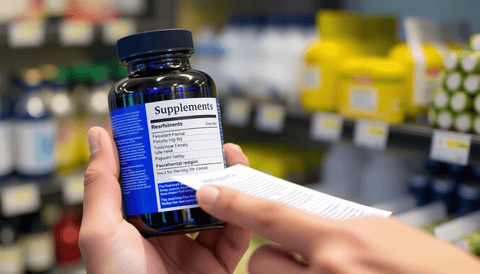
The Supplement Facts panel is the core of the label. Always start by checking the serving size, because all nutrient amounts and %DV are based on this serving. Next, review the list of vitamins, minerals, and other ingredients, noting the amount per serving and the %DV. For ingredients without an established Daily Value, the label may list the amount without a %DV.
Also look for the ingredient list, which shows all components, including inactive ones like fillers or binders. This is where you can identify potential allergens or ingredients you wish to avoid, such as gluten, soy, or artificial colors.
Understanding Nutrient Dosages and Your Needs
Nutrient dosages tell you the exact amount of each ingredient per serving. The %DV puts this into context relative to general daily recommendations. Your personal needs may vary based on your diet, health status, or lifestyle. For example, athletes may have higher protein needs, while pregnant women may require more folate.
It’s always wise to discuss any supplement plan with a healthcare provider, especially if you have a medical condition or are taking medication. They can help you determine appropriate dosages and avoid potential interactions.
How to Choose Supplements Wisely at Topvitamine
Beyond the label, consider these quality indicators when choosing supplements:
- Ingredient transparency: Look for clear lists with recognizable ingredients.
- Certifications: Organic, non-GMO, or allergen-free labels can be helpful.
- Third-party testing: Some brands verify purity and potency through independent labs.
- User reviews: Real experiences can offer insight into effectiveness and tolerability.
- Expiration dates: Always check for freshness and potency.
At Topvitamine, we prioritize products that meet these standards. However, remember that the most expensive product isn’t always the best—focus on what matches your needs.
EU Supplement Regulations and Safety
Supplements sold in the EU, including those on Topvitamine.de, must comply with strict regulations for safety and accurate labeling. This includes clear listing of ingredients, amounts, and mandatory details like batch numbers and expiration dates to ensure traceability and potency. These regulations help protect consumers by ensuring that what’s on the label is what’s in the product.
Common Questions About Daily Values
How to calculate the percentage Daily Value?
As explained above, %DV is calculated by manufacturers using the formula: (Amount per serving ÷ Daily Value) × 100. You don’t need to do this yourself, but understanding it helps you interpret labels.
What is the 5/20 rule for Daily Value?
The 5/20 rule states that a nutrient with 5% DV or less per serving is considered low, while 20% DV or more is considered high. It’s a quick way to judge nutrient content at a glance.
What does 40% Daily Value mean?
40% DV is high, meaning one serving provides nearly half of the recommended daily amount for that nutrient. It’s useful when you need a significant source of a nutrient.
What does 2% Daily Value mean?
2% DV is very low, indicating only a small fraction of your daily need is met per serving. You’d need many servings to make a significant contribution to your intake.
Practical Tips for Using %DV
- Use the 5/20 rule to quickly assess nutrient density.
- Compare similar products using %DV to see which has more of a desired nutrient or less of one you want to limit.
- Remember that %DV is based on a 2,000-calorie diet; your calorie needs may be higher or lower.
- For nutrients without a Daily Value, such as certain botanical extracts, rely on the listed amount and quality of evidence.
Conclusion
Understanding how to read a supplement label, especially Daily Value percentages (%DV), empowers you to choose products that support your wellness journey. By using tools like the 5/20 rule and focusing on quality, you can shop at Topvitamine with greater confidence and clarity. Always consider your individual needs and consult a healthcare professional when in doubt.