
News

Personalized Supplements: What They Are and How They WorkPersonalized supplements, also called customized nutrients or individualized health supplements, are vitamins and minerals formulated around your unique health profile instead of a generic multivitamin. The process usually begins with a detailed questionnaire about your diet, lifestyle, health goals, and current concerns. More advanced services combine that information with blood tests or DNA analysis. The data is then reviewed by qualified professionals to identify nutritional gaps and create a tailored supplement plan for specific areas such as energy, immune support, sleep, or athletic recovery. Because the formula is based on your own data, it may include different nutrients at different amounts than a standard multivitamin.Do Custom Vitamins Work and Are They Worth It?Custom vitamins can be more relevant than standard formulas because they are designed to address your identified needs. For example, if a blood test reveals low vitamin D, a personalized supplement can provide a targeted amount rather than the general amount in a multivitamin. This targeted approach may also improve adherence, because you know the formula was made for you, and reduce waste by leaving out nutrients you may already get from food. Effectiveness depends on the quality of the assessment and the scientific thinking behind the formulation. Supplements support health and fill gaps; they do not cure conditions, and results vary with consistent use over weeks or months.How to Choose the Best Personalized Nutrition CompanyThere is no single best personalized nutrition company for every person. Focus on services with scientific oversight from dietitians, pharmacists, or other qualified professionals; transparent labels that list ingredients and dosages; GMP-certified manufacturing with third-party testing; and clear data privacy policies. A reputable provider explains how it creates your custom vitamins, gives practical usage guidance, and offers follow-up reassessment when your needs change. Talk with a healthcare professional before using personalized supplements if you have a medical condition, take medication, or are pregnant or breastfeeding.

Powdered Supplements: An OverviewPowdered supplements are concentrated forms of vitamins, minerals, amino acids, botanicals, and other beneficial compounds. They are typically made by drying, freeze-drying, or micronizing whole foods or isolated nutrients into fine particles that dissolve easily in liquids or mix into soft foods. Common types include vitamin powders, supergreens, protein powders, adaptogen powders, and mineral powders. Because they are already broken down, powders may be absorbed faster than pills, which need to disintegrate first.Comparing Powders and PillsPowdered supplements and pills both have pros and cons. Powders often offer faster absorption and more flexible dosing, and they can be easier to swallow. However, they may have a stronger taste and require more preparation. Pills are convenient and portable but may take longer to work and can be harder to digest for some people. The best choice depends on your personal needs, lifestyle, and the specific nutrient. For example, fat-soluble vitamins like A, D, E, and K are better absorbed when taken with meals containing healthy fats, which can be easier to achieve with powders mixed into food.Safe and Effective UseSafety is paramount when using powdered supplements. Always follow the recommended serving size, as concentrated powders can lead to excessive intake of certain nutrients, especially fat-soluble vitamins, which can build up in the body. Be mindful of potential interactions with medications, such as vitamin K and blood thinners. Heat-sensitive nutrients like probiotics may lose effectiveness when added to hot foods. Mix powders into smoothies, yogurt, oatmeal, or cold juices, and consult a healthcare professional if you are on medication or have underlying health conditions.
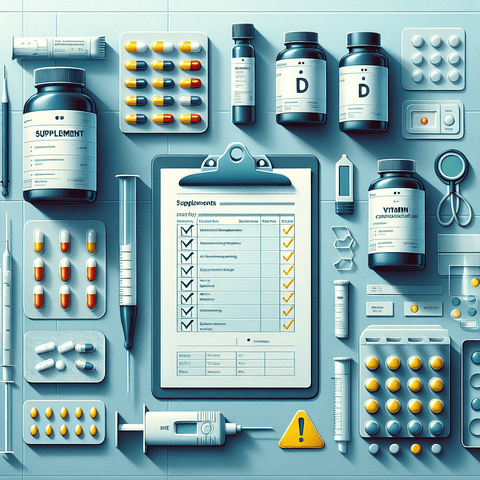
Supplements and Blood Test Results: How They InteractSupplements can change blood test results in two main ways: by directly interfering with the lab analysis or by causing real, temporary changes in your body. For example, high-dose biotin may distort thyroid and cardiac tests, while vitamin C can affect glucose and creatinine readings. Understanding these effects is essential for accurate lab work and reliable healthcare decisions.Which Supplements to Pause Before BloodworkCommon supplements that may interfere include biotin, vitamin C, vitamin E, niacin, vitamin D, iron, omega-3 fatty acids, and herbal products like St. John's Wort. The timing to stop taking them varies: water-soluble vitamins may require a 2–3 day pause, while fat-soluble vitamins and herbals may need 3–7 days or more. Always follow your healthcare provider's specific advice.How to Ensure Accurate Lab ResultsTo get reliable test results, disclose your full supplement list to your doctor, follow pre-test instructions, and consider the timing of your supplement use. This partnership helps your healthcare provider interpret results correctly and supports your overall wellness goals.

Best Supplements for Fasting: A Practical GuideIntermittent fasting can be a powerful tool for metabolic health, but it also changes your nutrient needs. The best supplements for fasting are those that support hydration, energy, and electrolyte balance without breaking your fast. This guide explains which supplements are safe to take during your fasting window, which ones to save for meals, and how to time them for best results.Fast-Friendly vs. Fast-Breaking SupplementsNot all supplements are created equal during fasting. Electrolytes like sodium, potassium, and magnesium are generally safe and help prevent headaches, cramps, and fatigue. Water-soluble vitamins such as B-complex and vitamin C can be taken on an empty stomach, though some people may experience mild nausea. On the other hand, protein powders, BCAAs, MCT oil, and exogenous ketones contain calories or trigger an insulin response, effectively breaking your fast. Even certain gummy vitamins contain sugars that disrupt the fasted state.How to Choose and Time Your Supplements During Intermittent FastingThe key to successful supplementation during fasting is timing and format. Fat-soluble vitamins like A, D, E, and K are best absorbed with food, so take them during your eating window. In contrast, fast-friendly options like electrolytes and herbal extracts can be taken anytime. Always choose sugar-free, additive-free supplements to avoid hidden calories. This guide also answers common questions about specific supplements, including whether they break a fast and how to avoid digestive discomfort.

Why Adult Chewable Vitamins Are a Practical ChoiceChewable supplements are no longer just for children. Many adults choose chewable vitamins because they are easier to take than pills, especially if swallowing tablets is a challenge, or if maintaining a daily routine has been difficult. Chewing a tablet also starts digestion in the mouth, which may help some people absorb nutrients more comfortably. However, effectiveness depends on the nutrient form and the quality of the product. A well-chosen adult chewable multivitamin can provide essential vitamins and minerals without the inconvenience of traditional capsules.Key Nutrients and Quality Factors in Chewable FormulasWhen selecting a chewable multivitamin for adults, look for formulas that include B-complex vitamins, vitamin D, vitamin C, zinc, magnesium, and iron where appropriate. Pay attention to sugar content, as some chewables are sweetened with added sugars, while others use natural sweeteners like stevia or monk fruit. Also consider your dietary needs: many modern chewables are vegan, gluten-free, and allergen-friendly. Potency matters too—choose products with meaningful doses and bioavailable nutrient forms, such as methylcobalamin for vitamin B12, to get the most benefit.Comparing Chewables to Pills and Choosing WiselyChewable and pill supplements both have pros and cons. Pills can offer higher potencies in a compact form, but chewables excel in convenience, taste, and compliance. For adults who travel or have busy schedules, chewable vitamins are often the easier option. When comparing products, check labels for nutrient amounts, fillers, and artificial additives. Always consult a healthcare professional before starting any new supplement, especially if you have underlying health conditions, take medications, or are pregnant or breastfeeding.

What Are Organic Supplements?Organic supplements are made from ingredients grown without synthetic pesticides, fertilizers, or GMOs. In the context of vitamins, "organic" often refers to whole-food-based nutrients derived from organic fruits, vegetables, or herbs. These products may carry certifications like USDA Organic or Non-GMO Project Verified, which provide third-party assurance about farming and sourcing practices. However, organic does not automatically mean chemical-free or safer, and the term "chemical-free" itself is misleading because all matter, including nutrients, is composed of chemicals.How to Choose Clean, Non-Synthetic VitaminsChoosing clean vitamins involves evaluating more than just the organic label. Look for brands that prioritize ingredient transparency, minimal additives, and third-party testing for purity and potency. Certifications from NSF International, USP, or ConsumerLab.com verify that a product contains what it claims and is free from harmful levels of contaminants. Whole-food supplements from brands like Garden of Life, MegaFood, or New Chapter often feature organic ingredients, but the key is to assess the brand's overall quality standards, including GMP compliance and batch-specific testing.Are Organic Supplements Worth It?Organic supplements can be worth it if you value certified organic sourcing and prefer food-based nutrients, but they are not inherently superior. The most important factors are purity, potency, and manufacturing quality, not just the organic seal. Always consult a healthcare professional before starting any supplement, especially if you are pregnant, nursing, taking medication, or managing a health condition. Ultimately, the best supplement is one that meets your individual needs, is third-party tested, and comes from a transparent, reputable brand.