
News
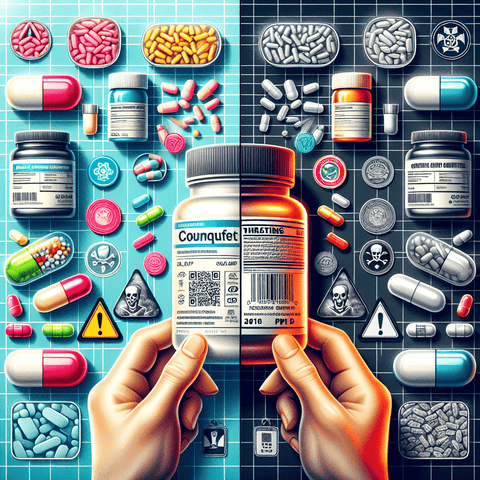
Spotting Fake Supplements: Key Warning SignsCounterfeit supplements can look almost identical to genuine products, but they often contain incorrect ingredients, improper dosages, or harmful contaminants. To spot a fake, inspect the packaging carefully for misspellings, blurry logos, or poor print quality. Check that tamper-evident seals are intact and that lot numbers and expiration dates are clearly printed. Be cautious of prices that are significantly lower than the market average, as extreme discounts are a common red flag. Buying only from authorized retailers or the brand's official website dramatically reduces the risk of encountering counterfeit products.Verifying Supplement Authenticity Step by StepBeyond the initial visual inspection, you can verify a supplement's authenticity through several practical steps. Look for third-party certification seals from organizations like NSF International, USP, or Informed-Choice, which indicate independent testing for potency and contaminants. Scrutinize the label for clearly listed active ingredients and dosages, and avoid vague 'proprietary blends' that hide specific amounts. Many reputable brands offer QR codes or batch numbers on their packaging that can be verified on their official website. You can also consult regulatory databases such as the FDA's recall list or the EU's RASFF system for any safety alerts related to the product.Buying Safely and What to Do If You Suspect a FakeTo minimize the risk of buying counterfeit supplements, always purchase from authorized retailers, pharmacy chains, or directly from the brand's official website, like TopVitamine. Avoid unknown third-party sellers on large online marketplaces. If you suspect you have purchased a counterfeit product, stop using it immediately, keep the packaging and receipt as evidence, and contact the brand directly. Report the product and seller to your local consumer safety authority, such as the NVWA in the Netherlands or the EU's RASFF system, to help protect other consumers.

Artificial Sweeteners in Supplements: An OverviewArtificial sweeteners are synthetic sugar substitutes used to add sweetness without calories. They are common in chewable tablets, gummies, and flavored powders. While FDA-approved sweeteners like aspartame, sucralose, and acesulfame potassium (Ace-K) are considered safe for the general population within acceptable daily intake levels, understanding what they are and how they fit into your health profile is essential.Safety, Health Conditions, and Label ReadingSafety depends on individual factors. For instance, aspartame must be strictly avoided by people with phenylketonuria (PKU) because their bodies cannot process phenylalanine. For those with small intestinal bacterial overgrowth (SIBO), some sweeteners may aggravate digestive symptoms, while individuals with chronic kidney disease (CKD) may need to consider potassium content. Learning to read supplement labels carefully can help you identify these ingredients and choose products that align with your health needs.Natural Alternatives and Making Informed ChoicesNatural sweeteners like stevia and monk fruit are increasingly used in clean-label supplements. While both artificial and natural sweeteners have trade-offs, moderation is key. By understanding the types of sweeteners, their potential effects, and your personal health conditions, you can make informed decisions about the supplements you take.
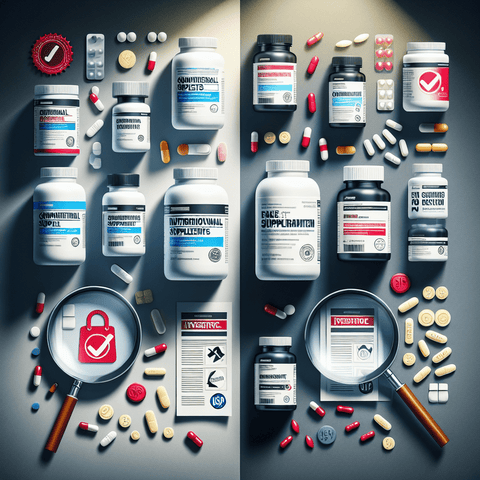
Why Fake Supplements Are a Real RiskCounterfeit supplements can contain incorrect dosages, hidden ingredients, or harmful contaminants. They may be ineffective, waste your money, and pose health risks. This guide helps you verify supplement authenticity before purchase, covering everything from third-party seals to batch number verification.How to Verify Supplement AuthenticityUse a step-by-step checklist: check for third-party testing seals (USP, NSF, ConsumerLab), inspect packaging for quality and tamper-evident seals, verify batch numbers on the brand's website, and scan QR codes where available. Look for red flags like misspellings, missing information, or prices that are too good to be true.Buying Safely and Avoiding ScamsCompare purchasing channels: official brand websites and authorized retailers are safest, while large marketplaces carry higher counterfeit risk. Be wary of 'free trial' offers and fake reviews. For specific supplements like collagen and curcumin, check for certified ingredients and product-specific verification tools.
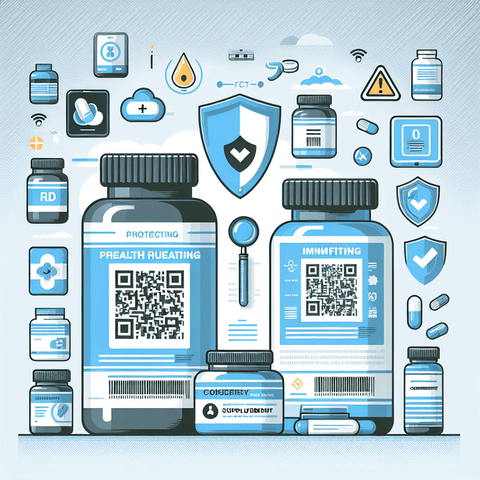
Why Are Supplements Different?Supplements differ because of variations in formulation, manufacturing standards, and quality control. A budget multivitamin from an unknown brand is not the same as a third-party-tested product from a reputable manufacturer, even if the labels list similar ingredients. Understanding these differences is key to making safe choices. The purity, source, and type of active ingredients vary between brands and batches. For example, vitamin D may come as D2 or D3, and magnesium may be bound to different acids, affecting absorption. Products made in GMP-certified facilities follow strict quality control, unlike those from unregulated environments. Third-party testing from organizations like NSF or USP verifies quality and contents—a critical difference that counterfeit products lack.How to Spot Fake SupplementsSpotting a fake supplement isn't always easy, but there are warning signs you can learn to recognize. Phrases like “lose 10 kg in one week” or “instantly cure arthritis” are red flags. Regulatory bodies like the European Food Safety Authority (EFSA) restrict such unsupported health claims, so be skeptical of products that promise dramatic results. If a product costs drastically less than comparable items, it might be counterfeit or expired. Look for inconsistencies in color, font, or images compared to the manufacturer's official website. Authentic products include lot numbers, expiration dates, suggested use, and detailed ingredient lists. Check for contact information, return policies, and privacy standards. Reputable retailers offer full transparency about sourcing and quality controls.Verify Authenticity Before BuyingModern technology gives you tools to verify supplements before you buy. Many legitimate manufacturers include QR codes on packaging. Scanning these can lead you to a webpage showing production date, origin, and test results. Batch or lot numbers can often be verified on the manufacturer's website. Look for holographic images that change when tilted and seals that are intact and properly applied. Certifications from NSF, USP, or GMP indicate that a product has met rigorous safety and quality standards. Counterfeiters often target high-demand supplements such as multivitamins, protein powders, weight loss capsules, sexual health enhancers, and popular single-ingredient products like vitamin D and magnesium. Knowing which products are at risk can help you be extra vigilant. Protecting yourself from counterfeit supplements requires vigilance. Analyze packaging, question unbelievable claims, research your sources, and use authentication tools such as QR codes and batch verifiers.

Safe Supplements for Seniors: What to ConsiderChoosing safe supplements for seniors starts with understanding individual health needs and potential medication interactions. Older adults often benefit from vitamin D, vitamin B12, calcium, omega-3 fatty acids, magnesium, and creatine, but the right choice depends on diet, health status, and prescribed medications. A healthcare professional can help determine which supplements are appropriate and which to avoid.Key Nutrients for Healthy AgingVitamin D supports bone, muscle, and immune health; vitamin B12 aids nerve function and energy metabolism; calcium works with vitamin D for bone strength; omega-3 fatty acids support brain and heart health; magnesium promotes muscle relaxation and sleep; and creatine may help maintain muscle mass. Each nutrient has specific safety considerations, such as avoiding high doses or checking for interactions with blood thinners or kidney conditions.Quality and Safety First for SeniorsPrioritize third-party tested supplements with clear dosage labels and transparent ingredient lists. Always consult a doctor or pharmacist before starting any supplement, especially if you have chronic conditions or take multiple medications. Supplements should complement a balanced diet, not replace it, and more is not always better.
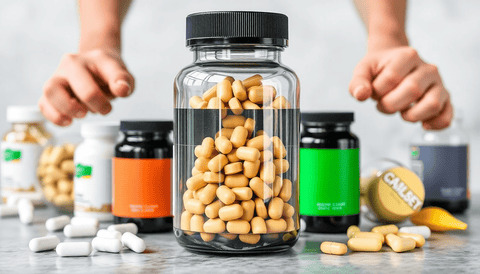
Explore the top supplements for athletes and active lifestyles in 2026. This evidence-based guide explains the benefits, dosage, timing, and safety of creatine, caffeine, beta-alanine, protein, and more. Learn how to choose quality products and answer common questions about athletic performance, the big 3 supplements, and the 4 2 1 rule.