
Früherkennung von akuten Mangel-Symptomen und Ergreifen von Maßnahmen zum Schutz Ihrer Gesundheit. Das frühzeitige Erkennen subtiler Veränderungen kann Ihnen helfen, schnell zu reagieren und das Risiko einer Verschlimmerung zu verringern. Diese Seite bietet Hinweise zu schnellen Überprüfungen, wann Sie Hilfe suchen sollten und praktischen Schritten, um Komplikationen im Zusammenhang mit akuten Mangel-Symptomen zu verhindern. Schnelle Checks, die Sie verwenden können, umfassen das Notieren, wann die Symptome begonnen haben, ob sie neu oder ungewöhnlich für Sie sind und ob sie sich im Laufe der Zeit verändern. Beobachten Sie, wie sie alltägliche Aufgaben, Konzentration, Gleichgewicht oder Bewegungen beeinflussen und ob sie in Schüben auftreten oder anhalten. Eine einfache Aufzeichnung dieser Beobachtungen hilft Ihnen, Muster zu erkennen und zu entscheiden, ob es Zeit ist, um Rat bei akuten Mangel-Symptomen zu suchen. Wann Hilfe suchen: Wenden Sie sich an einen Fachmann, wenn die Anzeichen plötzlich auftreten oder sich verschlechtern, wenn sie länger als kurz anhalten oder wenn sie den Alltag beeinträchtigen. Suchen Sie sofort ärztliche Hilfe auf, wenn Sie Verwirrung, Schwindel, Sprachstörungen, starke Schmerzen oder Ohnmacht erleben. Frühes Kontaktieren eines Gesundheitsdienstleisters kann sicherstellen, dass Sie eine angemessene Bewertung und Unterstützung bei akuten Mangel-Symptomen erhalten. Um Komplikationen zu vermeiden, erstellen Sie einen Plan für die Überwachung der Symptome und das rechtzeitige Eingreifen. Teilen Sie Ihre Beobachtungen einem medizinischen Fachmann mit, folgen Sie dessen Anweisungen und passen Sie Ihre Überwachung nach Bedarf an. Eine leicht zugängliche Liste mit Kontaktdaten für dringende Bewertungen sowie das Wissen, welche Anzeichen sofortige Aufmerksamkeit erfordern, können Ihnen helfen, akute Mangel-Symptome effektiver zu bewältigen.
Akute Mangelerscheinungen: Frühe Anzeichen erkennen und Maßnahmen zum Schutz Ihrer Gesundheit ergreifen
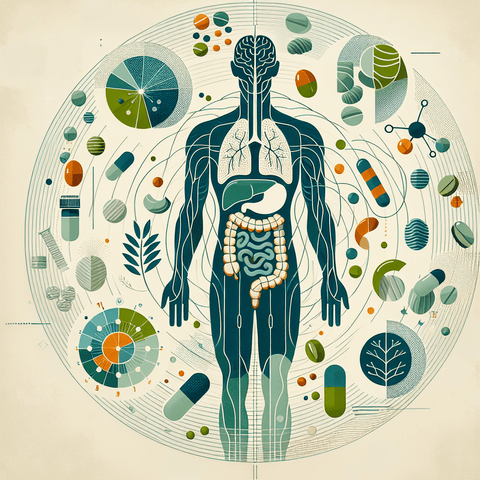
Acute deficiency symptoms are signs that may appear when the body is lacking an essential nutrient and the shortfall begins to affect normal functions. While some nutrient deficiencies develop slowly and produce subtle changes over time, an acute situation can bring more noticeable symptoms that interfere with daily life. This page provides a broad overview of the topic, helping you understand which nutrients are most commonly involved, what types of symptoms may prompt attention, and how to approach the next steps responsibly.
This is a topical hub, not a diagnostic guide. It is designed to give you the map of the subject so you can better navigate the more detailed articles linked below. Always consult a healthcare professional for personalized advice.
What Does 'Acute Deficiency Symptoms' Mean?
The term 'acute' generally refers to something that has a relatively rapid onset or a short course. In the context of nutrition, acute deficiency symptoms are those that may emerge more quickly than the gradual signs of a long-term, mild shortfall. They can be triggered by various factors, such as a sudden change in diet, an illness that affects nutrient absorption, or a period of increased demand that the body cannot meet through intake alone.
It is important to note that 'acute' does not automatically mean 'severe' or 'emergency'. However, some acute symptoms can be serious and require immediate medical evaluation. The distinction lies in the speed of onset and the potential for rapid progression. Understanding this helps in deciding when to monitor at home and when to seek professional care.
Nutrients Most Commonly Linked to Acute Symptoms
Several vitamins and minerals are frequently discussed in relation to deficiency symptoms because of their essential roles in energy metabolism, nerve function, oxygen transport, and muscle activity. The nutrients below are among the most commonly mentioned, but this is not an exhaustive list. Each nutrient may be associated with a range of symptoms, and symptoms often overlap with other health conditions.
Vitamin D
Vitamin D plays a role in calcium absorption, bone health, muscle function, and immune system regulation. A deficiency may be associated with symptoms such as fatigue, bone pain, muscle weakness, or mood changes. Because vitamin D is obtained primarily through sun exposure and certain foods, levels can drop during periods of limited sun exposure or inadequate intake.
Vitamin B12
Vitamin B12 is necessary for red blood cell formation, nerve function, and DNA synthesis. Deficiency may lead to symptoms like tingling or numbness in the hands and feet, difficulty with balance, fatigue, weakness, or cognitive changes. It is found mainly in animal products, so individuals following vegan or vegetarian diets may be at higher risk.
Iron
Iron is a key component of hemoglobin, which carries oxygen in the blood. Iron deficiency can cause fatigue, weakness, pale skin, shortness of breath, dizziness, or cold hands and feet. It is more common in women of reproductive age, pregnant individuals, and those with certain dietary patterns or medical conditions.
Magnesium
Magnesium is involved in hundreds of enzymatic reactions, including energy production, muscle contraction, and nerve function. Symptoms of deficiency may include muscle cramps, fatigue, weakness, irritability, or sleep disturbances. It is found in whole grains, nuts, seeds, and leafy green vegetables.
Recognizing Potential Warning Signs
Symptoms of acute deficiency can vary widely depending on the nutrient involved and the individual. Some general signs that may prompt attention include:
- Sudden or unusual fatigue, weakness, or low energy
- Changes in mood, concentration, or mental clarity
- Muscle cramps, twitching, or weakness
- Tingling or numbness in extremities
- Dizziness, lightheadedness, or balance issues
It is important to remember that these symptoms can have many causes, and only a healthcare professional can determine whether they are related to a nutrient deficiency. Keeping a log of when symptoms started, how they change over time, and how they affect daily activities can be helpful information to share with a doctor.
When to Seek Immediate Medical Attention
Certain symptoms should never be ignored and warrant immediate medical evaluation. These include:
- New confusion, disorientation, or difficulty speaking
- Severe pain, especially in the chest or abdomen
- Fainting or loss of consciousness
- Sudden weakness or numbness on one side of the body
- Rapid heartbeat or difficulty breathing
These signs may indicate a medical emergency and should be addressed by emergency services. For non-urgent but persistent or worsening symptoms, contact a healthcare provider for an evaluation.
Preparing for a Healthcare Consultation
If you decide to speak with a healthcare professional about your symptoms, being prepared can help make the visit more productive. Consider bringing the following information:
- A detailed description of your symptoms, including when they started and what makes them better or worse
- A list of all medications, supplements, and herbal products you take
- Information about your typical diet and any recent changes
- Any relevant personal or family medical history
A healthcare provider can determine whether testing is appropriate and, if a deficiency is identified, discuss potential underlying causes and management options. If you are interested in exploring general information about supplements that provide essential nutrients, you may find our overview of natural supplements helpful for background context.
Broad Considerations for Nutrient Intake
Maintaining adequate nutrient intake is important for overall health, but individual needs vary based on age, sex, life stage, dietary patterns, and health status. A balanced diet that includes a variety of foods is generally the best way to obtain essential vitamins and minerals. However, some individuals may benefit from fortified foods or supplements when dietary intake is insufficient or absorption is impaired.
It is always advisable to consult a healthcare professional before starting any new supplement, especially if you have underlying health conditions or take prescription medications. For a broader look at mineral supplements, including iron and other trace elements, see our mineral supplements guide.
Exploring Specific Nutrient Topics
The articles listed on this page go into greater detail about specific nutrients and the symptoms that may be associated with a deficiency. They cover topics such as vitamin D deficiency symptoms, B12 deficiency signs, iron deficiency, and magnesium shortfalls, among others. These resources are designed to provide focused, evidence-informed information to help you understand each nutrient's role and the potential consequences of inadequate intake.
If you are particularly interested in a specific vitamin, such as vitamin D or vitamin B, you can explore our dedicated collections for a deeper dive into benefits, sources, and safety considerations. These pages can complement the broader overview provided here.