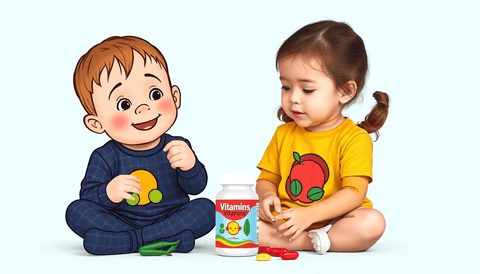
Allergenfreie Vitamine für Kinder: Sicher, Nahrhaft, Kindertoeglich


Allergenfreie Vitamine für Kinder bieten eine Produktkategorie von Nahrungsergänzungsmitteln, die mit Blick auf Transparenz bei den Inhaltsstoffen entwickelt wurden. Diese Produkte geben an, welche häufigen Allergene nicht enthalten sind, und liefern oft klare Angaben auf der Verpackung zu frei-von-Inhaltsstoffen. Für Familien, die Allergien berücksichtigen, können allergenfreie Vitamine für Kinder die Entscheidungsfindung erleichtern, indem sie Formulierungsdetails und Inhaltsstofflisten hervorheben. Das Ergebnis ist ein Produktangebot, das auf Zugänglichkeit, klare Kennzeichnung und Verbrauchervertrauen setzt. Allergenfreie Vitamine für Kinder sind in kinderfreundlichen Formen erhältlich, von Kaubonbons und Weichgelkapseln bis hin zu Flüssigkeiten und löslichen Tabletten. Geschmack und Textur werden so gewählt, dass sie ansprechend sind, mit fruchtbetonten Aromen und lebendiger Verpackung, die für junge Nutzer gestaltet ist. Die Dosierung wird in einfachen Schritten oder gemessenen Tropfen angegeben, um eine einfache Anwendung zu ermöglichen und es Pflegepersonen zu erleichtern, die Routine zu verwalten. Diese Produkte, die auf vertrauenswürdiger Qualität basieren, werden in Einrichtungen produziert, die dokumentierte Qualitätskontrollen einhalten. Hersteller setzen möglicherweise Allergenkontrollen, Batch-Verifizierungen und Rückverfolgbarkeitspraktiken ein, um die Genauigkeit der Kennzeichnung zu gewährleisten. Bei Bedarf bieten unabhängige Tests oder Zertifizierungen zusätzliche Verifizierungsstufen. Produktetiketten enthalten oft Hinweise zur Lagerung und Chargennummern für die Rückverfolgbarkeit. Bei der Auswahl allergenfreier Vitamine für Kinder sollten Sie die Inhaltsstoffliste sorgfältig lesen, nach expliziten Frei-von-Aussagen suchen und Hinweise auf Kreuzkontamination überprüfen. Berücksichtigen Sie die bevorzugte Darreichungsform Ihres Kindes, die benutzerfreundliche Verpackung und den Dosierungsplan. Wenn Sie Fragen zur Eignung haben, lesen Sie das Produktetikett oder konsultieren Sie einen Arzt oder eine medizinische Fachkraft.


Top Vitamins for Kids: Safe and Effective Picks for 2025 - Topvitamine
August 20, 2025
Vitamine für Kinder können sinnvoll sein, wenn die Ernährung bestimmte Nährstofflücken nicht abdeckt oder ein erhöhter Bedarf fachlich festgestellt wurde. Dieser Ratgeber erklärt die Rolle von Vitamin D, Vitamin C, Eisen, Zink und Omega-3-Fettsäuren und zeigt, worauf Eltern bei Dosierung, Inhaltsstoffen, Allergenen, Zucker und Darreichungsform achten sollten. Außerdem werden häufige Fragen zu Multivitaminen, Allergien und ADHS medizinisch vorsichtig beantwortet.

Choosing the right vitamins for children is an important part of supporting their growth and development. When allergies are a concern, the selection process becomes even more critical. This guide provides a broad overview of allergen-free vitamins for kids, helping you understand what they are, why they matter, and how to choose the best option for your child without the guesswork.

What Are Allergen-Free Vitamins for Kids?

Allergen-free vitamins for kids are dietary supplements specifically formulated without common food allergens like dairy, gluten, soy, eggs, tree nuts, and peanuts. They are designed for children who have diagnosed allergies, sensitivities, or dietary restrictions that make taking standard vitamins difficult. A key feature of these products is the clear and transparent labeling that explicitly states which allergens are absent, allowing parents to make safe and informed decisions quickly.

These labels often include terms like "free from," "no gluten," or "dairy-free," but the level of certification can vary. Some products may be tested by independent third parties, while others rely on their own internal manufacturing controls. Understanding these distinctions can help you assess the level of assurance a product provides.

Key Nutrients for Children's Health

Before choosing a supplement, it's helpful to understand which vitamins and minerals are typically important for children. A balanced diet is always the best source of nutrients, but supplements can help fill in the gaps. Here are some commonly included nutrients:

  • Vitamin A: Supports immune function and healthy vision.
  • Vitamin C: An antioxidant that supports the immune system and skin health.
  • Vitamin D: Essential for calcium absorption and bone growth.
  • Vitamin E: An antioxidant that helps protect cells from damage.
  • Vitamin K: Important for normal blood clotting and bone health.

Many children's formulas also include minerals like iron, zinc, and calcium, which are vital for various bodily functions. You can learn more about individual nutrients by exploring our detailed guides on vitamin D or vitamin C.

How to Choose an Allergen-Free Vitamin

With a wide range of products available, choosing the right allergen-free vitamin requires looking beyond just the marketing claims. Here is a step-by-step approach to guide you through the process.

  1. Read the Full Ingredient List: Don't just rely on the front-of-package claims. Always review the full ingredient list on the back label to check for any hidden sources of allergens.
  2. Look for Free-From Statements: Seek out clear and explicit 'free-from' statements that match your child's allergies. Be cautious of vague language.
  3. Check for Cross-Contact Notices: Look for warnings like 'may contain traces of...' or 'processed in a facility that also handles...' to assess the risk of cross-contamination.
  4. Consider Certifications: Third-party certifications can offer an extra layer of assurance, as the manufacturer follows strict standards and is subject to verification.
  5. Consult Your Pediatrician: Discuss your child's nutritional needs and any concerns about supplements with a healthcare provider before starting a new product.

It's also important to consider the frm of the vitamin. Does your child prefer a multivitamin gummy, a liquid drop, or a chewablee tablet? The taste and texture play a significant role in ensuring your child consistently takes their supplement. Start with a product that fits their preferences and your dosing routine.

Understanding Common Questions About Allergies and Vitamins

Parents often have several questions about the relationship between allergies and vitamins. Here we address some of the most common concerns at a high level.

Can Vitamins Trigger Allergies?

Yes, in some cases, vitamins can trigger an allergic reaction. This is rarely due to the nutrient itself, but rather to the inactive ingredients in the vitamin, such as flavorings, colorings, fillers, or binders. These are often derved from corn, soy, or other common allergens. This is why choosing a supplement with a clean, transparent ingredient profile is so important.

Which Vitamins May Help with Allergy Symptoms?

Some research suggests that certain vitamins, like Vitamin C and Vitamin D, may play a supportive role in the immune system's response to allergies. However, they are not a cure or a treatment. A healthcare provider can offer guidance on whether increasing specific nutrients is appropriate for your child. It's also important to differentiate between a food allergy and an intolerance; a healthcare professional can help with this diagnosis.

Relying on Trusted Quality and Transparency

The credibility of an allergen-free vitamin hinges on the manufacturer's commitment to quality. Reputable brands that prioritize safety and transparency invest in rigorous quality controls at their production facilities. These controls often include dedicated allergen-management protocols, thorough batch testing, and robust traceability systems to ensure that what is on the label accurately reflects what is in the bottle. For parents, this means greater peace of mind when introducing a supplement into their child's routine.

Product labels should also include essential information like storage instructions, dosage based on age, and batch numbers. These details are part of a best-practice system that values consumer safety and accountability.

Explore the Topic Further

This guide serves as a comprehensive starting point for understanding allergen-free vitamins for kids. From recognizing key nutrients to navigating labels and certifications, you now have a framework for making an informed decision. For more in-depth information on specific types of supplements or to explore products from trusted brands, we encourage you to browse our related articles.

You can also see our selection of supplements from Allergy Research Group or learn about other natural supplement options that are available.