
Dieser Seite konzentriert sich auf animalische B12-Optionen, mit einem Blick auf Eier, Fleisch und Milchprodukte sowie darauf, wie Sie die besten Optionen für Ihre Ernährung und Vorlieben auswählen können. Anstatt sich auf Ernährungsaussagen zu konzentrieren, liegt der Schwerpunkt auf Herkunft, Etikettierung und Lebensstilpassung, um Ihnen beim Vergleichen und Entscheiden zu helfen. Eier können je nach Produktionsmethode und Etikettierung variieren. Bei der Bewertung von Eieroptionen könnten Begriffe wie konventionell, Freilandhaltung, Weidehaltung und Käfighaltung auffallen, ebenso wie Zertifizierungen von unabhängigen Organisationen. Diese Details—Produktionspraktiken, Herkunft vom Bauernhof und Verpackung—können beeinflussen, wie Sie Eier in Ihren Alltag integrieren und was zu Ihren täglichen Entscheidungen passt. Fleisch und Milchprodukte umfassen eine Vielzahl von Produkten aus unterschiedlichen Tieren und Verarbeitungsweisen. Bei der Gegenüberstellung von Optionen sollten Sie Faktoren wie Herkunft, Zertifizierungen und Verpackung berücksichtigen. Gängige Etikettierungen sind beispielsweise Bio, Weidehaltung oder hormonfrei; wie diese mit Ihren Vorlieben und Ihrem Budget übereinstimmen, kann Ihre Auswahl leiten. Für Milchprodukte gehören Kategorien wie Milch, Käse, Joghurt und andere Artikel, während Fleisch verschiedene Schnitte und Herkunftsquellen umfasst. Durch die Abwägung von Herkunft, Etikettierung und Verfügbarkeit können Sie aus den animalischen B12-Optionen wählen, die zu Ihrer Ernährung und Ihren Vorlieben passen.
Top Tier der tierischen Vitamin-B12-Quellen: Eier, Fleisch, Milchprodukte & Wie man die richtige Wahl trifft
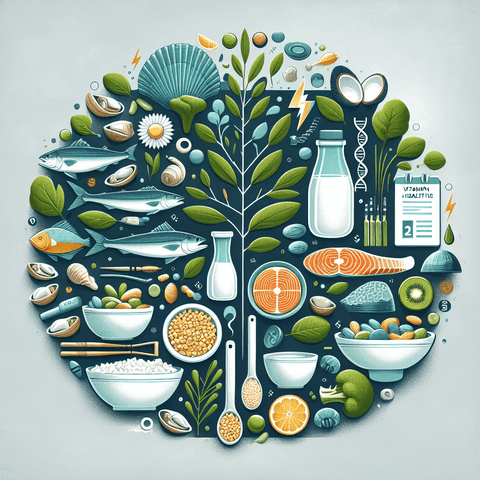
Vitamin B12 is a water-soluble vitamin that is essential for normal red blood cell formation, normal homocysteine metabolism, and normal neurological and psychological function. It is naturally present in a variety of foods from animal sources. This page serves as a broad guide to animal-derived vitamin B12 options, helping you understand the main food sources, important considerations when choosing them, and how they fit into a balanced diet.
What Is Vitamin B12 and Why Is It Important?
Vitamin B12, also known as cobalamin, is a nutrient that the body needs for several critical functions. It plays a role in the normal formation of red blood cells, the normal metabolism of homocysteine, and the normal function of the nervous system. Because the body does not produce vitamin B12 on its own, it must be obtained through diet or supplementation. Animal-derived foods are the primary natural sources of vitamin B12, making them a key focus for anyone looking to maintain adequate intake through food.
Main Types of Animal-Derived Vitamin B12 Sources
Animal-derived vitamin B12 options come from a range of animal foods. Each category has its own characteristics in terms of vitamin B12 content, culinary uses, and nutritional profile. The main groups include:
- Meat: Beef, pork, lamb, and poultry are commonly consumed sources of vitamin B12. The vitamin B12 content can vary depending on the animal and the cut.
- Organ meats: Liver and kidney, particularly from beef or lamb, are known to have high concentrations of vitamin B12.
- Fish and seafood: Salmon, tuna, trout, and other fish, as well as shellfish like clams, mussels, and oysters, are notable sources of vitamin B12.
- Eggs: Eggs, particularly the yolk, contain vitamin B12. The amount can vary based on the hen's diet.
- Dairy: Milk, cheese, yogurt, and other dairy products provide vitamin B12, with levels varying by product type.
Comparing Vitamin B12 Content Across Animal-Derived Foods
The amount of vitamin B12 in animal-derived foods can differ significantly. While the following table provides approximate values, actual content can vary based on factors such as the animal's diet, the specific cut or product, and preparation methods. These figures are for general guidance and are not intended to replace personalized dietary advice.
- Beef liver: Often cited as one of the richest sources, with very high amounts per 100g.
- Clams: Also very high in vitamin B12 per 100g.
- Salmon: Contains moderate to high amounts per 100g.
- Tuna: Provides vitamin B12, though amounts can vary by type and preparation.
- Eggs: Contain vitamin B12, primarily in the yolk, with moderate amounts per 100g.
- Milk and cheese: Provide vitamin B12 in varying amounts, generally lower than organ meats or shellfish.
For those who follow a vegetarian diet, eggs and dairy can be important sources of vitamin B12. For vegans, fortified foods and supplements are often necessary. You can explore our vitamin B complex supplements and information to learn more about B vitamins as a group.
Factors That Influence Vitamin B12 Content and Absorption
Several factors can affect both the amount of vitamin B12 in animal-derived foods and how well your body absorbs it. Understanding these factors can help you make more informed dietary choices.
- Animal diet and farming practices: The vitamin B12 content of meat, eggs, and dairy can be influenced by what the animal eats and how it is raised.
- Food processing and preparation: Cooking methods and processing can affect vitamin B12 levels in the final food product.
- Individual absorption: The body's ability to absorb vitamin B12 from food can vary. Factors such as age, digestive health, and certain medications can influence absorption.
- Bioavailability: Vitamin B12 in animal-derived foods is generally well absorbed, but absorption can be affected by the food matrix and other components.
Who Might Need to Pay Special Attention to B12 Intake?
While animal-derived foods are a natural source of vitamin B12, some individuals may need to monitor their intake more closely. This includes vegans and vegetarians, who may not consume enough animal-derived foods, as well as older adults, whose absorption of vitamin B12 can decrease with age. People with certain digestive conditions, such as celiac disease or Crohn's disease, may also have difficulty absorbing vitamin B12. In these cases, fortified foods and vitamin B12 supplements can be important alternatives. It is always advisable to consult a healthcare professional for personalized advice regarding your individual needs.
Animal-Derived B12 vs. Vegan and Fortified Alternatives
For those who follow a vegan diet or prefer to limit animal products, vitamin B12 can be obtained from fortified foods and supplements. Fortified foods may include plant milks, breakfast cereals, and nutritional yeast. Vitamin B12 supplements are also widely available in various forms, such as tablets, capsules, and sublingual drops. While animal-derived foods provide vitamin B12 in its natural form, fortified foods and supplements offer alternatives that can help meet requirements. The choice between animal-derived and vegan sources depends on individual dietary preferences, lifestyle, and health considerations. If you are considering supplements, you can browse our natural supplements collection for options.
Practical Considerations When Choosing Animal-Derived B12 Options
When selecting animal-derived vitamin B12 options, there are several practical factors to consider. These can help you align your choices with your dietary preferences, budget, and values.
- Sourcing and labeling: Terms such as organic, grass-fed, free-range, and pasture-raised can provide information about how the animal was raised. Third-party certifications may also offer additional assurance.
- Nutritional profile: Beyond vitamin B12, animal-derived foods provide other nutrients, such as protein, iron, and omega-3 fatty acids in fish. Considering the overall nutritional profile can help you make balanced choices.
- Dietary patterns: If you follow a specific diet, such as keto, paleo, or Mediterranean, your choice of animal-derived B12 sources may vary. Ensuring your diet meets your vitamin B12 needs is important regardless of the pattern.
- Budget and accessibility: The cost and availability of different animal-derived foods can vary. Choosing options that fit your budget and are easily accessible can help you maintain a consistent intake.
For those interested in other vitamin and mineral supplements that support overall health, you may also explore our mineral supplements guide.
Frequently Asked Questions About Animal-Derived Vitamin B12
Can you only get B12 from animal products?
No, vitamin B12 is not found only in animal products. While animal-derived foods are natural sources of vitamin B12, fortified foods and dietary supplements can also provide it. This is important for people who follow vegan or vegetarian diets.
How do vegans get enough vitamin B12?
Vegans can obtain vitamin B12 from fortified foods, such as plant milks, breakfast cereals, and nutritional yeast, as well as from vitamin B12 supplements. Because plant foods do not naturally contain vitamin B12, it is important for vegans to include fortified foods or supplements in their diet to meet their needs.
How did ancient vegans get B12?
This is a complex historical and anthropological question. It is possible that ancient populations following largely plant-based diets obtained vitamin B12 from unintentional sources, such as soil on unwashed produce, insects, or fermented foods. However, modern hygiene practices and food systems mean that these sources are unlikely to be significant today. For anyone following a vegan diet now, fortified foods and supplements are the most reliable sources.
What do you crave when your B12 is low?
Some people may experience cravings for certain foods when their vitamin B12 levels are low, but this is not a reliable indicator. Vitamin B12 deficiency can cause symptoms such as fatigue, weakness, and tingling in the hands and feet. If you suspect you may be deficient, it is important to consult a healthcare professional for proper testing and advice.
Exploring Further
This page provides a broad overview of animal-derived vitamin B12 options. For more detailed information on specific topics, such as the vitamin B12 content of particular foods, bioavailability, or guidance for specific dietary patterns, we encourage you to explore the individual articles linked below. If you are considering supplements, please consult with a healthcare professional to determine what is appropriate for your individual needs.