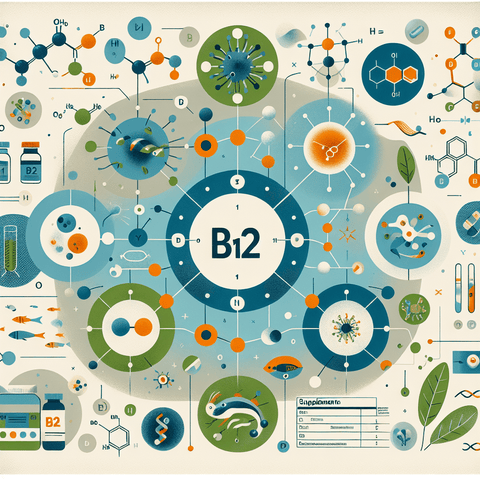
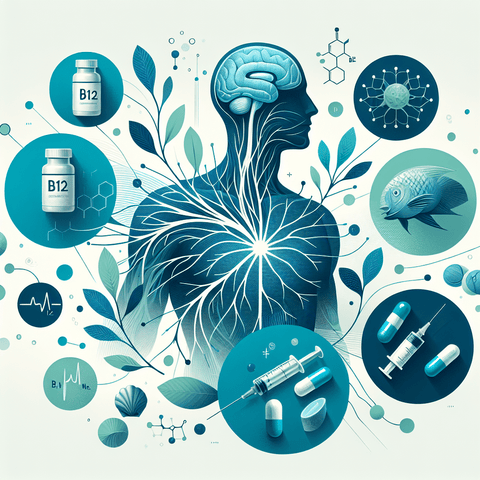
B12-rich foods are foods that provide meaningful amounts of vitamin B12, an essential water-soluble vitamin that occurs naturally almost exclusively in animal-derived products and is also added to many fortified foods. Whether you are reviewing your diet, following a plant-based or mixed eating pattern, or simply curious about where vitamin B12 comes from, this page maps out the whole topic: what B12-rich foods are, which food categories reliably contain them, how much vitamin B12 different foods provide per serving and how daily needs are commonly met.
What Are B12-Rich Foods?
Vitamin B12, also known as cobalamin, is a water-soluble vitamin that the body cannot produce on its own, so it must come from food, fortified products or, in some cases, supplements. Approved nutrition and health claims in the EU describe its role in normal energy-yielding metabolism, normal functioning of the nervous system and normal red blood cell formation.
When people talk about B12-rich foods, they usually mean foods with a higher concentration of vitamin B12 per standard serving. Whether a specific food qualifies depends on how much B12 it naturally contains, how a standard serving is defined and how fortification or processing has influenced its nutrient profile. Because vitamin B12 content can vary noticeably between products, brands and preparations, nutrition labels and official food composition databases are the most dependable comparison tools.
B12-rich foods fall into two broad families: foods that naturally contain the vitamin, and foods to which it has been added during manufacturing. The main groups are:
- Organ meats, such as liver — generally among the most concentrated natural sources.
- Shellfish and fish, such as clams, sardines, trout, salmon and tuna.
- Meat and poultry, where amounts depend on the cut and preparation.
- Eggs and dairy products, such as milk, cheese and yoghurt.
- Fortified foods and drinks, such as fortified breakfast cereals, fortified plant-based drinks and fortified nutritional yeast.
Main Food Sources of Vitamin B12
Each category contributes vitamin B12 in its own way, and the amount per standard serving can differ considerably within every group. Comparing foods within the same category, using serving-based nutrition information, is usually more meaningful than comparing across unrelated product types.
Animal-Derived Foods
Foods of animal origin are the natural dietary sources of vitamin B12, and the top of the range is concentrated in a small number of foods. Based on official food composition data, cooked clams provide roughly 84 micrograms of vitamin B12 per 3-ounce (85 g) serving, while a similar serving of cooked trout supplies about 5.4 micrograms and salmon about 4.9 micrograms. These figures illustrate how widely values differ between foods — and why serving-based comparisons matter.
Everyday animal foods contribute in more modest amounts, usually spread across the foods people already eat regularly:
- Meat and poultry, with amounts that vary by cut and preparation.
- Eggs, a modest but familiar source in many diets.
- Dairy products such as milk, cheese and yoghurt, often consumed daily.
- Canned fish such as sardines and tuna, a convenient pantry option.
Fortified Foods and Drinks
Fortification adds vitamin B12 to products that do not naturally contain meaningful amounts of it. Common examples include fortified breakfast cereals, plant-based drinks made from soy, oat or rice, some meat substitutes and fortified nutritional yeast products. Because fortification practices differ between brands and countries, two seemingly similar products can contain very different amounts of vitamin B12, which makes checking the nutrition panel especially worthwhile.
Drinks illustrate this variation well. Cow's milk naturally contains vitamin B12, fortified plant-based drinks can provide it too, and unfortified plant-based drinks generally do not. There is no single drink that is highest in vitamin B12 across all brands and regions, so the per-serving nutrition information on the label remains the most reliable way to compare options.
If you want to interpret label claims with more confidence, our guide to superfoods and EFSA-approved nutrient claims explains how regulated nutrition and health claims work in practice.
How Much Vitamin B12 Do You Need Each Day?
Recommended daily intakes of vitamin B12 are set by health authorities and vary with age and life stage. Official dietary reference values commonly place the requirement for most adults at around 2.4–2.5 micrograms per day, with higher amounts recommended during pregnancy and while breastfeeding. The guidance that applies to your own age group and country is the most reliable starting point.
Rather than focusing on one 'best' food, most practical approaches to vitamin B12 emphasize regular inclusion: reliable sources enjoyed consistently across the week, so that daily intake builds up from a varied diet. The amounts in individual foods are useful for planning, but the overall eating pattern is what determines intake over time.
Who May Pay Extra Attention to Vitamin B12?
Vitamin B12 is relevant to almost everyone, but some groups commonly pay closer attention to their intake, either because of what they eat or because of how the body absorbs the vitamin.
Vegetarian, Vegan and Plant-Based Diets
Because naturally occurring vitamin B12 comes almost exclusively from animal-derived foods, people who eat few or no animal products usually rely on fortified foods and drinks as their main dietary sources. Fortified plant-based drinks, fortified breakfast cereals and fortified nutritional yeast are the most common options, and some people also consider supplements as part of a broader approach. Consistency matters in either case: fortified foods only contribute to intake when they are eaten regularly.
Adults Over 50 and Absorption Considerations
Some health authorities note that a noticeable share of older adults absorb naturally occurring vitamin B12 from food less efficiently, and may be advised to include fortified foods or supplements. People who suspect absorption problems, or who take long-term medication that may affect vitamin B12 absorption, are encouraged to discuss their situation with a healthcare professional.
Because the possible signs of low vitamin B12 — such as tiredness and weakness — overlap with many unrelated conditions, self-diagnosis is not advised. A healthcare professional can assess symptoms and check vitamin B12 status with a blood test, which is the dependable route to clear answers. The articles associated with this tag look at deficiency signs in more detail.
Simple Ways to Include B12-Rich Foods in Everyday Meals
You do not need elaborate recipes to include B12-rich foods in a busy routine. Most practical ideas come down to combining widely available items in convenient, repeatable ways, so that reliable sources become part of ordinary meals rather than a special effort.
- Build breakfasts around eggs, yoghurt, cheese or milk, or use fortified plant-based drinks in coffee, oats and smoothies.
- Keep fortified breakfast cereals on hand for mornings when time is short.
- Use canned fish such as sardines or tuna for quick lunches, salads and spreads.
- Rotate dairy, eggs, fish and fortified options through the week so that no single food carries all the responsibility.
- Check labels when trying new products, especially plant-based alternatives, to confirm whether vitamin B12 has been added.
These ideas are deliberately general, because the most suitable choices depend on your diet, preferences and household. The articles associated with this tag look at more specific meal-focused questions in greater detail.
Vitamin B12 Supplements
For some people, food alone does not tell the whole story. Vitamin B12 is also available as a standalone supplement, as part of vitamin B complexes and as one of the nutrients commonly included in multivitamins. If you are considering supplements, our vitamin B supplements category is a useful place to see the range of formulations available.
Multivitamins combine vitamin B12 with other vitamins and minerals in a single product, and our multivitamins guide covers ingredients, usage and safety considerations in more detail.
Supplements are intended to complement, not replace, a varied and balanced diet, and whether they make sense for you depends on your diet, lifestyle and any professional advice you have received. A healthcare professional or pharmacist is the right point of contact for personalized questions about vitamin B12.
Frequently Asked Questions About B12-Rich Foods
These short answers address the questions readers most often ask about vitamin B12 in food. The individual articles associated with this tag explore each of them in greater depth.
How can I raise my vitamin B12 level fast?
The dependable route is to increase your regular intake of vitamin B12 through foods such as clams, liver, fish, meat, eggs, dairy and fortified products, or through supplements where appropriate. How quickly levels change depends on your starting point and on how well your body absorbs the vitamin, so anyone concerned about their B12 status should seek guidance from a healthcare professional rather than trying to correct it alone.
What are the signs of vitamin B12 deficiency?
Tiredness and weakness are among the signs most often associated with low vitamin B12, but they overlap with many unrelated conditions, which is why health authorities advise against self-diagnosis. Anyone who suspects a deficiency should consult a healthcare professional, who can check vitamin B12 status with a blood test and advise on appropriate next steps.
What drink is highest in vitamin B12?
There is no single answer across all brands and regions. Cow's milk naturally contains vitamin B12, fortified plant-based drinks can provide meaningful amounts as well, and unfortified plant-based drinks generally contain little or none. Comparing per-serving nutrition information on the label is the most reliable way to identify the highest-B12 drink available to you.
How can I get enough vitamin B12 a day?
Dietary reference values commonly place adult needs at around 2.4–2.5 micrograms of vitamin B12 per day. A varied diet that regularly includes fish, meat, eggs, dairy and/or fortified foods can typically meet this amount, while people who eat few or no animal products usually focus on fortified foods and drinks, sometimes alongside supplements.
Exploring B12-Rich Foods Further
This page is designed as the broad overview of the B12-rich foods topic: the definitions, the source categories with typical amounts, the daily-intake context and the considerations that shape everyday decisions. The individual articles associated with this tag go deeper into specific questions, from raising B12 levels and recognizing deficiency signs to comparing drinks and other individual sources. Reading this overview first makes it easier to place those detailed answers in context and to decide which questions matter most for your own situation.