
Diese Seite skizziert sieben einfache, wissenschaftlich belegte Schritte, um die Herz-Kreislauf-Gesundheit zu fördern. Beginnen Sie noch heute mit zugänglichen Tipps, die darauf ausgelegt sind, unterschiedliche Zeitpläne und Vorlieben zu berücksichtigen, und bieten Sie einen Weg, sich durch stetige, nachhaltige Praxis mit dem Thema auseinanderzusetzen. Der Fokus liegt auf der Herz-Kreislauf-Gesundheit – wie Herz und Gefäßsystem funktionieren und wie tägliche Entscheidungen langfristig mit diesem System in Beziehung stehen. Die sieben Schritte werden als praktischer Rahmen präsentiert, anstatt als festgelegtes Regimen, mit Schwerpunkt auf Klarheit und Zugänglichkeit. Diese Schritte sind bewusst wissenschaftlich fundiert: Sie spiegeln Beobachtungen von Forschern wider, die Muster im Zusammenhang mit der Herz-Kreislauf-Gesundheit in verschiedenen Bevölkerungsgruppen untersuchen. Der Leitfaden hebt Prozesse hervor, die Forschende untersuchen, wie Konsistenz, achtsames Tempo und Umweltfaktoren, die das Wohlbefinden beeinflussen. Wichtig ist, dass die Empfehlungen umsetzbar sind und eine verständliche, nicht technische Anleitung bieten, die unterschiedliche Hintergründe und Bedürfnisse respektiert und gleichzeitig auf wissenschaftlichen Erkenntnissen zur Herz-Kreislauf-Gesundheit basiert. Die Umsetzung konzentriert sich auf kleine, wiederholbare Veränderungen anstelle radikaler Maßnahmen. Leserinnen und Leser werden ermutigt, die sieben Schritte auf ihr Leben anzupassen und einen persönlichen Plan zu entwickeln, der die Herz-Kreislauf-Gesundheit unterstützt und realistisch bleibt. Der Prozess lädt zur Selbstreflexion, zum Journaling und zu einfachen Tracking-Methoden ein, um zu beobachten, wie Veränderungen mit den persönlichen Zielen übereinstimmen, ohne kurzfristige Schwankungen mit langfristigem Zustand gleichzusetzen. Ob Sie neu auf diesem Weg sind oder Ihre Herangehensweise überdenken, dieser Inhalt möchte die Herz-Kreislauf-Gesundheit durch sieben durchdachte Schritte verständlich machen. Der Schwerpunkt liegt auf dem Verständnis der Wissenschaft hinter den Schritten und deren Anwendung in eine Routine, die zu Ihnen passt. Für eine individuelle Beratung sollten Sie einen medizinischen Fachmann konsultieren, der das Rahmenwerk an Ihre Umstände anpassen kann.
Herzgesundheit leicht gemacht: 7 Wege, um die kardiovaskuläre Gesundheit zu fördern

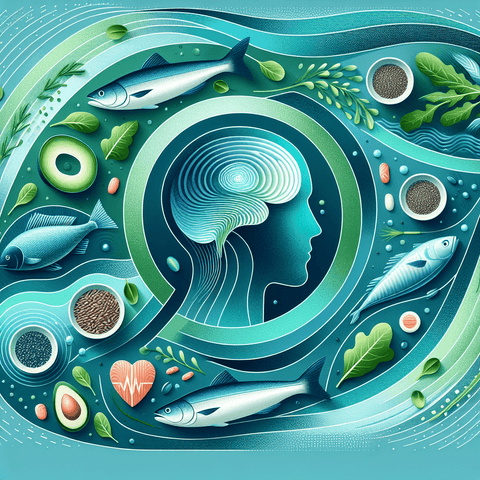
Cardiovascular health is a broad and essential topic that concerns the heart and the entire network of blood vessels responsible for circulating blood throughout the body. For many people, it represents a lifelong interest in maintaining energy, vitality, and overall well-being through informed lifestyle choices. This guide serves as a starting point, outlining the major dimensions of cardiovascular health, the factors that influence it, and practical, approachable steps you can consider. We will explore what cardiovascular health truly means, the key pillars of a heart-conscious lifestyle, and how to build a sustainable personal approach that fits your daily routine.
What Is Cardiovascular Health?
At its most basic level, cardiovascular health refers to the condition and function of the heart and blood vessels. This system, known as the cardiovascular system, is vital for transporting oxygen, nutrients, hormones, and cellular waste products to and from all parts of the body. The heart, a powerful muscular organ, acts as the pump, while arteries, veins, and capillaries form the intricate network of pathways. Good cardiovascular health means these components are working efficiently to support the body’s needs during rest, daily activity, and physical exertion. It is a foundational aspect of overall health, influencing stamina, cognitive function, and the body's ability to recover from physical stress.
A key part of understanding cardiovascular health is recognizing that it is not a static state but a dynamic process. Multiple systems and organs interact to regulate blood pressure, heart rate, and blood flow. The health of the inner lining of blood vessels, known as the endothelium, is particularly important, as it helps regulate vascular tone and clotting. Factors such as cholesterol levels, blood sugar control, and inflammatory processes also play significant roles. While the science behind these mechanisms is complex, the practical takeaway is that daily choices regarding diet, activity, and other lifestyle habits have a direct and cumulative impact on this essential system.
The Core Pillars of a Heart-Healthy Lifestyle
When exploring ways to support cardiovascular health, several lifestyle pillars consistently emerge from research and public health guidance. These areas represent the most actionable levers for most individuals to influence their heart and circulatory health over time.
Nutrition and Diet
Diet is a central component of cardiovascular well-being. A balanced dietary pattern that is rich in vegetables, fruits, whole grains, lean proteins, and healthy fats is frequently associated with better heart health. These foods provide essential nutrients, fiber, and antioxidants that help support normal bodily functions. Conversely, diets high in processed foods, trans fats, excessive sodium, and added sugars are often linked with less favorable health outcomes. Making gradual, sustainable changes to eating habits, such as cooking more meals at home and choosing whole-food snacks, can be a powerful way to support your cardiovascular system.
Physical Activity and Exercise
Regular physical activity is another fundamental pillar. Exercise helps the heart pump more efficiently, improves blood circulation, and aids in maintaining a healthy weight. Guidelines from health organizations often recommend a mix of aerobic activities, like brisk walking or cycling, and muscle-strengthening exercises. The best type of exercise is one that is safe and enjoyable for you, as consistency is more important than intensity, especially when starting a new routine. Even small increases in daily movement, such as taking the stairs or going for a short walk after meals, can contribute positively to cardiovascular health over time. Always consult with a healthcare professional before beginning a new exercise program, especially if you have existing health concerns.
Stress Management, Sleep, and Other Lifestyle Factors
Beyond diet and exercise, other lifestyle factors play a significant role in cardiovascular health. Chronic stress and poor sleep quality can have measurable effects on blood pressure and heart rate. Developing healthy stress-management techniques, such as mindfulness, meditation, or spending time in nature, can be valuable. Prioritizing consistent, restful sleep supports many bodily systems, including the cardiovascular one. Other considerations include avoiding tobacco use, limiting alcohol consumption, and undergoing regular health check-ups to monitor key indicators like blood pressure and cholesterol. These factors form an integrated picture of health; addressing them together tends to be more effective than focusing on any single one.
Key Nutrients and Supplement Considerations
While a balanced diet is the primary source of essential nutrients, many people are curious about the role of specific vitamins, minerals, and other dietary supplements in supporting cardiovascular health. It is important to view supplements as potential complements to a healthy lifestyle, not as replacements for it. Some nutrients have been studied more extensively than others for their role in cardiovascular function.
For example, Omega-3 fatty acids, found in fatty fish and some plant sources, are well-known for their role in supporting heart health. Similarly, magnesium and potassium are minerals that contribute to normal muscle function, including the heart muscle. Vitamins like Vitamin D and certain B vitamins are also important for various metabolic processes. When considering any supplement, it is crucial to discuss it with a healthcare provider, as individual needs vary and potential interactions with medications are possible.
For those interested in exploring specific nutritional approaches, a range of Omega-3 supplements are available. Additionally, you can learn more about the broader role of essential nutrients by exploring our multivitamin guide, which discusses a wide range of vitamins and minerals. For more specific insights, our magnesium guide offers detailed information on this important mineral. These resources provide more in-depth information to help you make informed decisions in partnership with a medical professional.
Building Your Personal Cardiovascular Health Plan
Creating a personal plan for cardiovascular health is about integrating the different pillars of a healthy lifestyle into a realistic and sustainable routine. The most effective approach is often built on small, repeatable shifts rather than overwhelming, drastic changes. This might involve setting a goal to eat one additional serving of vegetables per day, scheduling three 20-minute walks per week, or establishing a more consistent sleep schedule. Over time, these small steps can accumulate into significant positive changes.
Reflection and tracking are useful tools in this process. Keeping a simple journal to record your food intake, physical activity, energy levels, and stress can help you observe patterns and make adjustments. It is important to view short-term fluctuations as data points, not as failures or definitive health verdicts. The goal is long-term engagement with your well-being, understanding that consistency and self-compassion are more valuable than perfection. A personal plan should be flexible enough to adapt to life’s changing circumstances.
Finally, it is essential to recognize the role of professional healthcare. General information, including this guide, can help you ask better questions and have more informed discussions with your doctor. However, it is not a substitute for personalized medical advice. Regular check-ups, health screenings, and open conversations with healthcare professionals are critical components of any comprehensive cardiovascular health plan. They can help you understand your individual risk factors and tailor strategies to your unique health profile.