
Diese Seite untersucht den zirkadianen Rhythmus und Vitamin D sowie deren Wechselwirkungen, die tägliche Muster von Schlaf, Stimmung und Immunität beeinflussen. Beide Systeme reagieren auf Licht und Zeit, arbeiten jedoch über unterschiedliche Wege: Die zirkadiane Uhr koordiniert, wann wir wach oder müde sind, während der Vitamin-D-Status mit Sonnenexposition und Hautsynthese verbunden ist. Das Verständnis ihrer Verbindung hilft zu erklären, wie saisonale Veränderungen und natürliches Licht die tägliche Energie, den emotionalen Zustand und immunbezogene Prozesse beeinflussen können. Ziel ist es, aufzuzeigen, wie diese Zeitsysteme miteinander in Beziehung stehen, ohne spezifische Ergebnisse zu behaupten. Auf molekularer Ebene scheinen die zirkadianen Rhythmus- und Vitamin-D-Wegen gemeinsame Signalwege zu nutzen, die das Zeitmanagement in verschiedenen Geweben koordinieren. Die zentrale Uhr im Gehirn nutzt Licht, um tägliche Rhythmen zu setzen, während die Vitamin-D-Signalisierung seinen Rezeptor in vielen Zellen einbezieht. Einige Studien deuten auf Interaktionen zwischen sogenannten UhrGene und der Vitamin-D-Signalisierung hin, was auf eine Art Schnittstelle hindeutet, die beeinflussen könnte, wie unterschiedliche Körperteile synchron bleiben. Diese Verknüpfung unterstreicht, wie Licht- und Saison-Zeitsignale den umfassenderen Zeitrahmen des Körpers formen können. Praktische Tipps konzentrieren sich auf Licht und Zeitplanung. Suchen Sie morgens nach hellem, natürlichem Licht, um die zirkadiane Rhythmik zu unterstützen, und begrenzen Sie intensives Licht am späten Abend, um den Übergang zum Schlaf zu erleichtern. Halten Sie einen konsistenten Schlaf-Wach-Rhythmus und regelmäßige tägliche Routinen ein, um Zeitsignale zu verstärken. Wenn Ihre Umgebung wenig Tageslicht bietet, seien Sie achtsam gegenüber saisonalen Veränderungen und planen Sie die Lichtaufnahme entsprechend. Diese Überlegungen beziehen sich sowohl auf den zirkadianen Rhythmus als auch auf Vitamin-D-Wegen im Rahmen des täglichen Zeitmanagements. Hinsichtlich Supplementierung: Falls Sie diese in Betracht ziehen, sprechen Sie sie als eine Option mit einer qualifizierten Fachkraft ab, die Ihre Umstände berücksichtigen kann. Diese kann Ihnen helfen, darüber nachzudenken, wie Lichtaufnahme und tägliche Zeiteinteilung zu Ihren Routinen passen und wie äußere Faktoren die Zeitsignale beeinflussen könnten. Dieses Material lädt die Leser ein, über das Verhältnis zwischen zirkadianem Rhythmus und Vitamin D nachzudenken und wie Licht, Zeit und Supplementierungsentscheidungen die Rhythmen beeinflussen, die das tägliche Leben steuern.
Zirkadianer Rhythm & Vitamin D: Die überraschende Verbindung zu Schlaf, Stimmung und Immunität
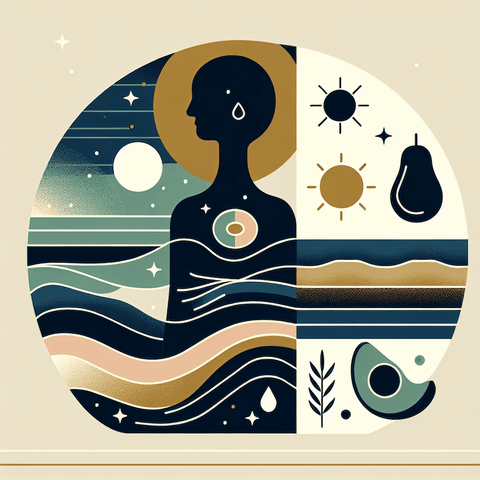
Circadian rhythm and vitamin D are two systems that influence daily energy, sleep timing and seasonal adaptation. The circadian rhythm acts as the body's internal clock, while vitamin D status is shaped largely by sun exposure, diet and supplements. This page offers a broad overview of how these systems relate, why light and timing matter, and which questions are worth exploring in more depth through the individual articles linked below.
What Is the Circadian Rhythm?
The circadian rhythm is an approximately 24-hour cycle that coordinates many biological processes. It helps regulate when you feel alert or sleepy, influences hormone release, body temperature and metabolism, and supports the timing of immune and digestive functions. The master clock in the brain responds mainly to light, especially morning daylight, and helps synchronize clocks in tissues throughout the body.
Because the circadian rhythm depends on light cues, modern routines can disrupt it. Late-night screen use, irregular sleep schedules, shift work and limited daytime outdoor light are common factors that may weaken timing signals. Understanding this system provides the context for why vitamin D, which is also linked to sun exposure, is often discussed alongside circadian health.
Vitamin D: Sources and Broad Functions
Vitamin D is a fat-soluble nutrient that the body can synthesize in the skin when exposed to ultraviolet B (UVB) radiation from sunlight. It is also found in some foods, such as oily fish, egg yolks and fortified products, and in supplement form. Vitamin D plays a role in calcium and phosphate regulation, bone health and normal immune function.
Several factors affect vitamin D status, including season, latitude, skin tone, age, sunscreen use, clothing coverage and time spent outdoors. Because sunlight is the main natural source, vitamin D levels often fluctuate with the seasons, which is one reason it is sometimes discussed in relation to circadian and seasonal rhythms.
How Circadian Rhythm and Vitamin D May Interact
The relationship between circadian rhythm and vitamin D is an active area of research. Some studies suggest that vitamin D signaling and clock genes may influence each other. The vitamin D receptor is present in many cell types, and clock-related nuclear receptors such as RORs and REV-ERBs have been studied for their possible involvement in vitamin D pathways. Melatonin, a hormone central to circadian timing, has also been examined in relation to vitamin D metabolism.
These interactions are complex and not fully understood. They do not mean that vitamin D directly sets the circadian clock or that correcting a deficiency will resolve rhythm-related concerns. Instead, they suggest that light exposure, seasonal change and timing may connect the two systems in ways that researchers continue to investigate.
Why Timing and Light Matter for Both Systems
Light is the primary signal that keeps the circadian rhythm aligned with the environment. Morning daylight helps set the timing of sleep and alertness, while bright light in the evening can delay the transition toward sleep. Because vitamin D synthesis also depends on sunlight, daily light habits influence both systems at the same time.
Practical habits that are commonly discussed include:
- Seeking bright natural light in the morning where possible.
- Keeping a consistent sleep-wake schedule.
- Limiting intense light exposure in the late evening.
- Being mindful of seasonal changes in daylight.
These considerations support general rhythm alignment and may also influence vitamin D-related habits, but they are not a treatment for any condition. If you are exploring supplements, you can review the vitamin D benefits, sources and safety category for general product information.
Supplementation Timing: What to Consider
Questions about the best time to take vitamin D are common. Some people wonder whether taking vitamin D3 at night affects sleep, while others ask whether morning dosing is preferable. Current evidence does not establish a single optimal time for everyone, and responses may vary. Vitamin D is fat-soluble, so taking it with a meal containing some fat is often suggested to support absorption.
If you are considering supplementation, dosage and timing are best discussed with a qualified healthcare professional who can consider your individual circumstances, including any medications or health conditions. This page does not provide personalized medical advice.
Common Questions About Vitamin D and Sleep
Several questions come up frequently when people explore the connection between vitamin D and circadian rhythm. The answers below offer brief context; more detailed discussions belong in dedicated articles.
Does vitamin D fix circadian rhythm?
There is no established evidence that vitamin D alone repairs or resets the circadian rhythm. Research points to possible interactions between vitamin D pathways and clock-related mechanisms, but the circadian system is primarily set by light and behavioral timing cues. Vitamin D may be one factor among many.
Why shouldn't you take vitamin D3 at night?
Some people report that taking vitamin D3 in the evening affects their sleep, but this is not a universal rule and evidence is limited. If you notice a personal pattern, adjusting the time of day with guidance from a healthcare professional may be reasonable. There is no confirmed biological reason that applies to everyone.
Why do some people sleep better when taking vitamin D?
Individual reports vary, and it is difficult to attribute sleep changes to vitamin D alone. Sleep is influenced by many factors, including light exposure, routine, stress and overall health. Anyone concerned about sleep or vitamin D status should seek personalized advice.
Exploring the Topic Further
Circadian rhythm and vitamin D connect through shared themes of light, timing and seasonal change. This page provides a broad map of the topic. The individual articles associated with this tag explore specific questions in greater depth, including mechanisms, study findings, deficiency signs and practical supplementation considerations. Related topics such as magnesium and its roles in energy, muscle and bone support and multivitamin ingredients, usage and safety may also be relevant for readers building a broader understanding of nutritional supplements.