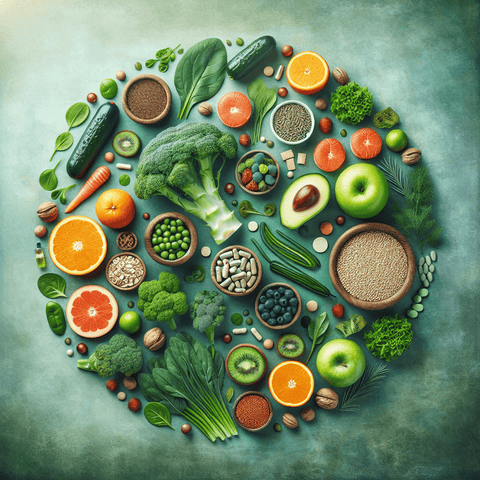
Tägliche Superfoods: 7 Lebensmittel, die jeden Tag die Gesundheit fördern


Tägliche Superfoods: Nährstoffreiche Entscheidungen für die Gesundheit im Alltag

Wenn Menschen nach täglichen Superfoods suchen, möchten sie in der Regel praktische Wege finden, um nährstoffreiche Lebensmittel in ihren Alltag zu integrieren. Superfoods sind typischerweise reich an Vitaminen, Mineralstoffen, Antioxidantien und anderen bioaktiven Verbindungen, die das allgemeine Wohlbefinden unterstützen. Statt sich auf eine einzelne exotische Zutat zu verlassen, gilt ein ausgewogener Ansatz mit einer Vielzahl bunter pflanzlicher Lebensmittel, Samen und fermentierter Produkte allgemein als am vorteilhaftesten.

Wichtige Nährstoffe und ihre Aufgaben

Viele Lebensmittel erhalten das Label „Superfood“, weil sie konzentrierte Mengen an essenziellen Nährstoffen liefern. Beispielsweise sind Blattgemüse und orangefarbenes Gemüse wertvolle Quellen für Vitamin A, das zur Erhaltung normaler Sehkraft und einer normalen Funktion des Immunsystems beiträgt. Zitrusfrüchte und Beeren liefern Vitamin C, ein Antioxidans, das zu einer normalen Kollagenbildung und einer normalen Funktion des Immunsystems beiträgt. Vitamin D, das in fettem Fisch und angereicherten Produkten vorkommt, spielt eine Rolle für die Erhaltung normaler Knochen, während B-Vitamine aus Vollkornprodukten und Hülsenfrüchten den normalen Energiestoffwechsel unterstützen.

Auch Mineralstoffe sind wichtig. Magnesium, das in Nüssen, Samen und dunklem Blattgemüse enthalten ist, trägt zu einer normalen Muskel- und Nervenfunktion bei. Kalzium aus Milchprodukten oder angereicherten Pflanzendrinks unterstützt die Erhaltung normaler Knochen. Antioxidantien wie Vitamin E und Polyphenole aus Beeren sowie Gewürzen wie Kurkuma tragen dazu bei, die Zellen vor oxidativem Stress durch freie Radikale zu schützen.

Praktische Wege, um Superfoods in den Alltag zu integrieren

Die tägliche Integration dieser Lebensmittel erfordert keine komplizierte Zubereitung. Einfache Gewohnheiten wie eine Handvoll Beeren zum Frühstück, Spinat im Smoothie oder das Bestreuen von Salaten mit Samen können die Nährstoffzufuhr erhöhen. Für Menschen mit einem hektischen Lebensstil bieten Superfoods und von der EFSA bestätigte Nährwertaussagen eine Orientierungshilfe, welche Lebensmittel nachweislich gesundheitliche Vorteile bieten. Zusätzlich können Multivitaminpräparate helfen, Nährstofflücken zu schließen, wenn die Ernährung nicht immer ausgewogen ist – sie ersetzen jedoch keine abwechslungsreiche Kost.

Für alle, die über konzentrierte Formen nachdenken, sind Antioxidantienpräparate zum Schutz vor freien Radikalen erhältlich. Dennoch bleiben natürliche Lebensmittel für die meisten Menschen die bevorzugte Quelle. Wie bei jeder Ernährungsumstellung gilt: Die individuellen Bedürfnisse variieren, und es ist ratsam, vor der Einnahme neuer Nahrungsergänzungsmittel eine Fachperson zu konsultieren.


What should I be eating every day? - Topvitamine
September 23, 2025
Was sollte ich jeden Tag essen? Eine feste Liste ist nicht nötig. Entscheidend sind abwechslungsreiche Mahlzeiten mit Gemüse und Obst, Vollkornprodukten, passenden Proteinquellen und hochwertigen Fetten. Dieser Leitfaden erklärt die wichtigsten Bausteine einer täglichen Ernährung, gibt einfache Mahlzeiten- und Snackideen und beantwortet häufige Fragen zu den 7 Grundbestandteilen, der 3-3-3-Regel und Nahrungsergänzungsmitteln.

The term "daily superfoods" refers to nutrient-dense whole foods that can be realistically incorporated into your everyday eating pattern. Unlike short-lived diet trends or exotic ingredients you might use once, these are practical, accessible foods that consistently provide a broad range of vitamins, minerals, fiber, and healthy plant compounds. This guide explores what makes these foods genuinely valuable, how to include them in your meals, and when supplements might play a complementary role for specific nutrient gaps. The goal is to help you build a sustainable, health-supporting diet based on evidence rather than hype.

What Actually Makes a Food a Superfood?

Not every food that gets labelled a "superfood" in the media actually qualifies. Understanding the nutritional science behind the term helps you make better choices. Several key concepts distinguish genuinely nutrient-dense foods from those that simply have good marketing.

Nutrient Density: Vitamins, Minerals, Fiber, and Healthy Fats

Nutrient density refers to the amount of beneficial nutrients a food provides relative to its energy (calorie) content. A truly nutrient-dense food is rich in vitamins, minerals, fiber, or healthy fats without excessive added sugar, refined starches, or unhealthy fats. Spinach, for example, provides vitamin K, vitamin A, folate, and iron for very few calories. Oats deliver fiber and B vitamins alongside complex carbohydrates. This concept is central to identifying which foods deserve a regular place on your plate.

Phytonutrients, Antioxidants, and Polyphenols: Terms Explained

Phytonutrients are naturally occurring plant compounds that are not essential for survival but may support health. These include polyphenols, flavonoids, and carotenoids. Many of these compounds act as antioxidants, meaning they help neutralise free radicals — unstable molecules that can damage cells through oxidative stress. Berries owe their deep colours to anthocyanins, a type of polyphenol. Leafy greens contain lutein and zeaxanthin, carotenoids linked to eye health. These compounds are part of why whole plant foods are so valuable.

Whole Foods, Food Matrices, and Why Extracts Are Not the Same

Whole foods are complex structures containing thousands of compounds that interact with each other. This is known as the "food matrix." The nutrients in a whole food are often absorbed differently than they would be from an extract or isolated supplement. For example, the vitamin C in a strawberry may enhance the absorption of its iron, and the fiber slows sugar absorption. A supplement powder of "berry extract" does not replicate this complexity. This is a key reason why whole foods should form the foundation of your nutritional strategy.

The Limits of the Word “Superfood” in Scientific Context

Scientifically, "superfood" is not a formal term with a strict definition. It is primarily a marketing concept. That does not mean certain foods are not exceptionally nutritious — many are. But the term can oversimplify nutrition, implying that a single food can compensate for an otherwise poor diet. No single food provides everything your body needs. Varied, whole-food dietary patterns are what truly matter.

Why Daily Superfoods Matter for Everyday Health

The value of daily superfoods lies in their cumulative effect on basic physiological processes. Your body relies on a steady supply of micronutrients to function optimally, and daily dietary choices either support or undermine these processes.

The Difference Between Eating Well Occasionally and Daily

Your body does not store most water-soluble vitamins for long periods. Vitamin C and the B vitamins, for instance, need regular replenishment. Eating a salad once a week has limited impact if your daily diet is otherwise low in vegetables. Daily intake ensures that your body has the raw materials it needs for ongoing processes like energy production, immune function, and tissue repair. Consistency is biologically more significant than occasional perfection.

How Micronutrients Support Normal Bodily Functions

Micronutrients — vitamins and minerals — act as cofactors in countless enzymatic reactions. B vitamins help convert food into cellular energy. Iron is essential for oxygen transport in the blood. Calcium and vitamin D support bone structure. Zinc is involved in immune cell function. These are not optional extras; they are fundamental to normal physiology. A diet lacking in these nutrients gradually compromises these systems.

Antioxidants and Oxidative Stress: What the Evidence Shows

Oxidative stress occurs when the production of free radicals exceeds your body's antioxidant capacity. This is a normal part of metabolism, but chronic imbalance is associated with accelerated ageing and various health conditions. Dietary antioxidants from whole foods — including vitamin C, vitamin E, and polyphenols — help maintain this balance. Research suggests that antioxidant intake from foods is associated with better health outcomes, though high-dose isolated antioxidant supplements have not consistently shown the same benefits. Whole-food antioxidant delivery is more complex and nuanced than simply taking a pill.

Fiber, Gut Health, and Feeling Satisfied After Meals

Fiber, found abundantly in oats, berries, chia seeds, and vegetables, is essential for digestive health. It feeds beneficial gut bacteria, promotes regular bowel movements, and helps you feel full after eating. Stable satiety supports weight management by reducing the likelihood of overeating. Fiber also slows the absorption of sugars, helping to keep blood glucose levels steadier.

Signs That Your Daily Diet May Be Missing Nutrient-Dense Foods

Recognising the signs of a potentially nutrient-poor diet is useful, but it is important to interpret these signs cautiously. Many symptoms are non-specific and could have multiple underlying causes.

Non-Specific Signs: Fatigue, Low Energy, or Skin and Hair Concerns

Low energy, persistent tiredness, dry skin, or brittle hair can sometimes indicate inadequate nutrient intake. Iron deficiency, for example, is a common cause of fatigue. Low B12 levels can also affect energy and mood. However, these symptoms also result from poor sleep, stress, or other medical conditions. They do not, on their own, confirm a nutrient deficiency.

Dietary Patterns: What Your Plate Suggests About Nutrient Intake

A more reliable indicator is your typical eating pattern. If your meals rarely include vegetables, fruit, whole grains, or legumes, your intake of fiber, vitamins, and minerals is likely suboptimal. A diet heavy in ultra-processed foods, refined grains, and added sugars often displaces more nutrient-dense options. Reviewing your plate honestly is the first step toward improving your nutrient intake.

Why Blood Testing and Professional Assessment Matter Before Conclusions

Symptoms alone cannot diagnose a deficiency. Blood testing, when clinically indicated, can provide objective data about your nutritional status. However, routine testing for every vitamin and mineral is not necessary or recommended for everyone. A doctor or registered dietitian can assess your symptoms, dietary habits, and risk factors to determine whether testing is warranted.

The Difference Between a Deficiency and a Less Diverse Diet

A clinical deficiency is a state where nutrient levels are low enough to cause measurable health problems. A less diverse diet, on the other hand, may simply mean you are not getting optimal amounts of certain nutrients without frank deficiency. Both are relevant, but they require different responses. A deficiency may need targeted supplementation; a less diverse diet usually benefits from dietary improvement first.

Common Causes and Contributing Factors For Low Nutrient Intake

Various factors can contribute to a diet that lacks sufficient nutrient-dense foods. Understanding these factors helps you identify which ones may apply to your situation.

Ultra-Processed and Convenience Foods

Ultra-processed foods — think packaged snacks, fast food, sugary drinks, and ready-made meals — are designed for convenience and palatability. They are often high in calories, sodium, and refined sugars but low in essential micronutrients. When these foods dominate your intake, they leave little room for nutrient-rich whole foods.

Time Pressure, Cooking Ability, and Meal Variety

Busy schedules and limited cooking confidence can lead to repetitive meals that lack variety. Sticking to the same few convenience dishes often means missing out on the wide range of nutrients that different foods provide. Simple meal preparation strategies can help overcome this barrier.

Restrictive Eating Patterns and Diets That Exclude Food Groups

Certain dietary patterns — such as vegan, vegetarian, or elimination diets — can be nutritionally adequate when planned carefully. However, they may increase the risk of specific nutrient shortfalls, including vitamin B12, iron, zinc, and omega-3 fatty acids. Excluding entire food groups requires deliberate attention to alternative sources.

Age, Appetite Changes, and Decline in Absorption Efficiency

As we age, appetite often decreases, and the digestive system may absorb nutrients less efficiently. Older adults, therefore, may need to pay extra attention to nutrient density. They also require more vitamin D and B12 in some cases, as highlighted in our vitamin D resources and general nutritional guidance.

Environmental Factors: Availability, Cost, and Stress

Access to fresh produce is not equal for everyone. Cost, geographic location, and seasonality all influence food choices. Chronic stress also affects eating habits, often leading to less nutritious comfort foods. Acknowledging these factors is important; overcoming them is not simply a matter of willpower.

Variations Due to Digestive Health, Genetics, and Metabolic Status

Individual factors play a role too. Certain digestive disorders impair nutrient absorption. Some people have genetic variations that affect how their bodies process specific vitamins. Metabolic status — such as being insulin resistant or having an underactive thyroid — can also alter nutritional requirements. This is why one-size-fits-all dietary advice has clear limitations.

Why Personal Lab Testing Cannot Be Replaced With a One-Size Guessing Game

Given this individual variability, guessing your nutrient needs is unreliable. If you suspect a deficiency, targeted blood testing based on your specific symptoms and risk profile is far more useful than taking a random supplement. You can learn more about individual nutrient considerations in our guide to mineral supplements.

A Shared Starting Point Still Matters for Most People

Despite individual differences, there are common dietary principles that benefit most people. Eating a variety of whole plant foods, including the seven daily superfoods below, is a sound universal starting point. This approach supports overall health for the majority of individuals, regardless of specific genetic or metabolic variations.

The 7 Daily Superfoods Worth Including in Your Daily Diet

These seven foods were chosen for their nutrient density, versatility, and evidence base. They are not exotic or expensive, and they fit easily into common meals.

1. Berries: Blueberries, Strawberries, and Their Polyphenols

Berries are among the highest sources of polyphenols per serving. Blueberries and strawberries are rich in anthocyanins, which give them their deep colours. Research suggests that regular berry intake may support cognitive function and cardiovascular health. They are also relatively low in sugar compared to many fruits, making them a smart choice for daily consumption. Fresh or frozen, they retain most of their nutritional value. Add them to oatmeal, yogurt, or smoothies.

2. Leafy Greens: Spinach, Kale, and Other Dark Leafy Greens

Dark leafy greens are vitamin and mineral powerhouses. Spinach offers folate, iron, and vitamins A and K. Kale is also rich in vitamins K, A, and C. These greens are versatile: they can be eaten raw in salads, sautéed as a side dish, or blended into smoothies. Regular consumption supports vision, bone health, and blood clotting. To learn more about specific antioxidant vitamins, see our page on vitamin E and vitamin C.

3. Oats and Whole Grains: Fiber and Steadier Energy

Oats are an excellent source of beta-glucan, a type of soluble fiber that supports heart health by helping to manage cholesterol levels. They provide slow-releasing carbohydrates, promoting stable energy throughout the morning. Other whole grains like quinoa, barley, and brown rice offer similar benefits. Whole grains also contain B vitamins, magnesium, and iron, making them a valuable addition to any meal.

4. Greek Yogurt or Kefir: Protein, Calcium, and Fermented Bacteria

Greek yogurt and kefir are fermented dairy products that provide high-quality protein, calcium, and probiotics. Probiotics are beneficial bacteria that may support gut health. The live cultures in yogurt and kefir can contribute to a healthy microbiome diversity. Greek yogurt is thicker and higher in protein, making it a satisfying snack or breakfast base. Unsweetened varieties are best to keep added sugar intake low.

5. Almonds, Walnuts, and Chia Seeds: Vegan, Minerals, and Fiber

Nuts and seeds are incredibly nutrient-dense. Almonds provide vitamin E, magnesium, and healthy monounsaturated fats. Walnuts are notable for their alpha-linolenic acid (ALA), a plant-based omega-3 fatty acid. Chia seeds are rich in fiber, plant protein, and omega-3s; they absorb liquid and form a gel, making them useful in puddings and smoothies. This trio supports heart health, satiety, and digestive regularity.

6. Avocados: Monounsaturated Fat and Potassium

Avocados are a unique fruit, rich in monounsaturated fat rather than carbohydrates. They provide potassium, a mineral involved in blood pressure regulation and muscle function. Avocados also contain fiber, folate, and vitamin K. Their creamy texture makes them a satisfying addition to salads, toast, or smoothies. The healthy fats in avocados also help your body absorb fat-soluble vitamins from other foods.

7. Fatty Fish: Salmon, Sardines, Omega-3s and Vitamin D

Fatty fish like salmon, sardines, and mackerel are the best dietary source of long-chain omega-3 fatty acids (EPA and DHA). These fats are important for brain function and cardiovascular health. Fatty fish also provide vitamin D, a nutrient many people are low in. Omega-3s from fish are more readily used by the body than plant-based ALA. If fish is not part of your diet, an omega-3 supplement may be worth considering, as discussed in our omega-3 supplement collection. Aim for two servings of fatty fish per week.

How to Combine the 7 Daily Superfoods Into a Realistic Meal Plan

Incorporating these foods is about making simple, repeatable switches rather than adding complex recipes. For breakfast, combine oats with berries and a spoonful of chia seeds. For lunch, build a salad with spinach, avocado, walnuts, and a portion of grilled salmon or chickpeas. For a snack, have Greek yogurt with almonds. The key is to keep pantry staples stocked so these foods are the easiest choice.

Lifestyle and Diet Strategies to Support Daily Superfood Habits

Building consistent habits requires more than just knowing what to eat. Practical strategies can significantly improve your ability to stick with a nutrient-dense diet.

Use Weekly Meal Prep and a Simple Shopping List

Setting aside a couple of hours to wash vegetables, cook grains, and portion snacks can save time during the week. A well-organized shopping list based on your planned meals prevents impulse purchases of ultra-processed foods. When healthy options are ready to eat, they become the path of least resistance.

Choose Breakfast, Lunch, and Dinner Patterns That Include Whole Foods

Design simple, repeatable meal templates. A "base + topping" approach works well: a base of oats, yogurt, or greens, topped with nuts, seeds, or fruit. This structure reduces daily decision fatigue while ensuring nutrient variety.

Hydration, Sleep, Physical Activity, and Stress Management

Nutrition does not operate in isolation. Poor sleep, high stress, and inactivity increase oxidative stress and affect appetite regulation. Prioritizing adequate sleep, regular physical activity, and stress management techniques strengthens the foundation that good nutrition builds upon.

The Priority of Food over Strict “Superfood” Perfection

You do not need to eat all seven foods every single day to benefit. Aiming for most days, most weeks is a realistic and effective goal. Perfection is not necessary; a consistent pattern of good choices is far more powerful than occasional perfect days.

The Role of Supplements in a Daily Superfood Strategy

Once your whole-food foundation is established, supplements may play a targeted role in addressing specific gaps. They should never be used as a replacement for a poor diet.

Whole Foods Should Come First: Why Supplements Are Complementary

Whole foods provide a complex matrix of nutrients, fiber, and plant compounds that supplements cannot fully replicate. Food also contributes to satiety, gut health, and overall meal satisfaction. Supplements should be viewed as a tool to fill specific gaps, not as a free pass to eat poorly.

Omega-3 and Vitamin D as Poorly Covered Daily Nutrients

Two nutrients that are commonly under-consumed are vitamin D and omega-3 fatty acids. Vitamin D is found in few foods and comes primarily from sun exposure, which many people do not get enough of. Omega-3s, both from fish and plant sources, are also often low in modern diets. A high-quality supplement such as fish oil or algae oil can provide a reliable intake of EPA and DHA. Our omega-3 collection offers guidance on this topic.

Probiotic Support When Fermented Foods Are Missing

If you consistently do not eat fermented foods like yogurt, kefir, sauerkraut, or kimchi, a probiotic supplement might support your gut health. This is particularly relevant after antibiotic use or for those with digestive discomfort. At probiotic supplements, you can find options for daily use.

Multivitamins or Individual Nutrients: What’s the Right Starting Point

For people with varied diets and no specific known deficiency, a high-quality multivitamin can serve as a suitable baseline. For those with a confirmed or suspected deficiency — such as low vitamin D or iron — an individual nutrient supplement at the appropriate dose is usually more effective. Guessing based on symptoms is rarely wise; lab testing provides better direction. Learn more about choosing wisely in our multivitamin guide.

“Superfood Powders” and Blends: They Can Replace Meals

Be cautious with "superfood powders" that claim to combine many beneficial ingredients. While some are wholesome and useful, others are expensive formulations that deliver an unreliable dose of any single nutrient. They can be convenient additions to smoothies, but they should not replace real food. Read labels carefully for added sugars and proprietary blends.

When Supplementation May Be Reasonable

There are specific, evidence-based situations where supplementation is reasonable and sometimes necessary.

When Daily Intake Cannot Cover Established Nutrient Needs

If your dietary needs are higher than what you can reasonably eat — such as a higher requirement for iron during heavy menstruation — a supplement may help bridge the gap.

If a Blood Test or Physician Confirms a Specific Insufficiency or Deficiency

A diagnosed deficiency, confirmed by lab testing, is the clearest reason to take a targeted supplement. For example, iron deficiency anaemia cannot typically be corrected through diet alone and often requires iron supplementation under medical supervision. The informed professional guidance is key here.

Extra Needs During Pregnancy, Vegetarian or Vegan Diets, or Later Life

Pregnancy increases requirements for folate, iron, iodine, and vitamin D. Vegetarians and vegans may lack vitamin B12, vitamin D, and omega-3s. Older adults often need more vitamin D and B12. In all of these cases, supplementation is not a luxury but a sensible, recommended strategy.

Distinguishing Nutrient Support of Normal Health from Treatment

It is crucial to distinguish between supplementing for general health and treating a medical condition. Supplements can support normal bodily functions and address deficiencies, but they are not designed to cure, treat, or prevent diseases like cancer or heart disease. Medical claims that sound too good to be true generally require high-quality clinical evidence.

How to Choose the Right Supplement for Your Gaps

Choosing the right supplement is more complex than picking a popular brand. The form of the nutrient, the dosage, and the overall formulation all matter.

First Identify Your Potential Nutrient Gap, Then Choose the Form Again

Your starting point is what your diet does not provide. Once that gap is identified, you can then choose the appropriate nutrient form and dose. Choosing a supplement before knowing your nutritional gap is like buying a random medicine without a diagnosis.

Ingredient Forms Doing Differences: D3 Versus D2, Types of B12, Iron Soaked

Chemical forms matter. Vitamin D can exist as D2 (ergocalciferol) or D3 (cholecalciferol); D3 appears to be more effective at raising blood levels in most people. Vitamin B12 exists as cyanocobalamin, methylcobalamin, and other forms; methylcobalamin is used directly by the body, while cyanocobalamin is a synthetic form that must be converted. Iron comes in ferrous and ferric forms, with ferrous often being better absorbed. Understanding these nuances helps you select higher-quality products.

Absorption and Bioavailability: Why It’s Actually the “Form”

Bioavailability means how much of a nutrient your body can actually absorb and use. Certain forms are simply better absorbed than others — for example, magnesium citrate or glycinate are generally better absorbed than magnesium oxide. The "form" of a nutrient is not a marketing gimmick; it has real physiological significance.

Single-Ingredient Recipe and Combinations: When to Use What

If you have one specific deficiency, a single-ingredient product is usually best because it allows precise dosing. If you have multiple gaps, a combination product like a B-complex or specific multivitamin may be more convenient. Take care with products that combine many ingredients; they can make it hard to know exactly how much of each active compound you are receiving.

Purity, Fillers, Synthetic Additives, and Third-Party Quality Tests

Check the label for unnecessary fillers, artificial colours, and hydrogenated oils. Look for certifications from independent testing organisations like USP or NSF. These ensure the product contains exactly what is stated and is free from harmful contaminants.

Allergens, Dietary Preferences, and Vegan-Friendly Capsules

If you have allergies, ensure the product is free from gluten, soy, dairy, and nuts. For vegetarians and vegans, check whether the capsule is made of plant-based materials (cellulose) rather than gelatin. Many all-natural supplement brands, such as the ones on Allergy Research Group and Dr. Mercola, cater to specific dietary preferences.

Comparison of Capsules, Powders, Liquids, and Gummies

Each format has pros and cons. Capsules are convenient and allow exact dosages. Powders are versatile but require measuring. Liquids are easy to absorb but can have short shelf lives and awkward tastes. Gummies are tasty and convenient but often contain added sugars and fewer nutrients per bite. Choose a format that is convenient for your routine and matches the product's quality.

What to Look for on a Supplement Label

Learning to read a supplement label is an essential skill for making informed choices.

Serving Size, Servings Per Container, and Amounts That Matter

The "Serving Size" tells you how much you need to take to get the stated amount of nutrients. "Servings Per Container" tells you how long the product will last. Compare these with your daily nutritional needs. Pay attention to whether the dose in the product is reasonable relative to established recommended intakes.

Active Substances and “Proprietdry Blends” Read Carefully

You should always know exactly what you are taking. A "proprietary blend" hides the exact amounts of each ingredient, which is a sign of low-quality formulation. The label should clearly list the amount of each active nutrient in milligrams or international units (iu).

Poor Excess Forms: Addnitional Vitamins, Shelf, and Excipients

Check for "other ingredients" — these include excipients (fillers and carriers), anti-caking agents, and colours. A short ingredient list is generally a good sign. If you see ingredients you cannot pronounce, consider whether they are necessary.

Certification Seals: USP, NSF, GMP, and Reliable Independent Testing

Third-party testing provides external quality assurance. The USP (United States Pharmacopeia) seal indicates that the product meets standards for purity, potency, and disintegration. NSF International verifies that products do not contain undeclared ingredients. GMP (Good Manufacturing Practices) certification ensures consistent production quality. These seals are helpful but not the only measure of quality.

Who May Benefit Most From Targeted Supplementation

Certain groups may have a greater need for targeted supplementation due to their unique physiological or lifestyle circumstances.

Older Adults: Absorption, B12, Calcium, and Vitamin D

As we age, stomach acid production declines, reducing B12 absorption from food. Skin also produces less vitamin D with age. Older adults often need more calcium, vitamin D, and B12 than younger people. A combination approach using diet and targeted supplements can help maintain bone density and cognitive function.

Vegetarians and Vegans: B12, Vitamin D, Omega-3, Iodine

Vitamin B12 is found almost exclusively in animal products, so vegans—and some vegetarians—need to obtain it from fortified foods or supplements. Plant-based diets can also lack vitamin D and omega-3 EPA/DHA, which they can get from algae-oil supplements. Iodine is also sometimes low in vegan diets.

Pregnant Women: Folate, Iron, and Selected Nutrients (With Physician Advice)

Pregnancy increases the need for folate (to prevent neural tube defects), iron (to support increasing blood volume), and vitamin D. The general advice is to start with a high-quality prenatal vitamin and take any additional supplements under the guidance of an obstetrician. Very high doses of some nutrients, like vitamin A, can be harmful during pregnancy.

People With Inflammatory Digestive Conditions or Malabsorption

Conditions like celiac disease, Crohn's disease, or ulcerative colitis impair nutrient absorption. People with these conditions often need higher doses of nutrients orally, or in some cases, parenterally. Working with a gastroenterologist and a dietitian is essential in these situations.

Active Athletes Who Need More Vitamins and Mineral Recycling

Athletes lose sodium, potassium, and magnesium through sweat and have elevated energy demands. They may also have increased need for B vitamins for energy metabolism. Most athletes can meet these needs through food, but some may benefit from targeted supplementation if they have specific deficiencies.

Those With Laboratory-Confirmed Insufficiency Only, Not Based on Guess

Ultimately, the people who benefit most from supplements are those who have a specific, confirmed insufficiency. This should be diagnosed through appropriate testing, not guesswork. If you are not in a high-risk group and have no symptoms, your money is often better spent on high-quality food.

Safety, Interactions, and When to Seek Professional Advice

Supplements are not harmless because they are natural. They can have side effects and interact with medications.

Upper Intake Levels: Why More Is Not Better

Vitamins and minerals have upper intake levels (ULs) — the maximum daily amount unlikely to cause adverse effects. For example, excessive vitamin A can harm the liver, and high doses of vitamin E can interfere with blood clotting. More is not better; it is simply riskier. Always respect the stated serving size and do not combine multiple supplements containing the same nutrient without professional review.

Medication Interactions: Blood Thinners, Antacides, and Thyroid

Many supplements interact with prescription medications. Vitamin K, found generously in leafy greens, can counteract the effect of the blood thinner warfarin. Taking calcium supplements at the same time as thyroid medication (levothyroxine) can reduce its absorption. St. John's Wort reduces the effectiveness of many drugs. Always tell your healthcare provider about all supplements you take.

Pregnancy and Chronic Disease and Complicated Supplements

Pregnant women should be particularly cautious with herbal formulations and high doses of fat-soluble vitamins. Those with chronic diseases like liver or kidney failure should avoid supplements unless explicitly prescribed, as nutrient metabolism is altered in these conditions.

Why Blood Testing and Medical Advice Matter

Blood testing, when clinically indicated, can tell you whether a supplement is helping or harming. It provides objective evidence that can guide dose adjustments. Professional medical advice is critical for those with existing health conditions or those taking prescription medications.

Decision Support: Should You Rely Only On Food

Use this step-by-step framework to decide your next move.

Step 1: Assess the Quality of Your Current Daily Meals Honestly

Review your last three days of eating. How many servings of vegetables did you have each day? How much fiber? Did you eat fatty fish or nuts? This honest assessment will reveal your baseline.

Step 2: Determine Whether Food Alone Can Fill the Gap

Compare your current intake with recommended guidelines. If you consistently fall short on fiber or omega-3s, can you adjust your meals to close those gaps? For most people, dietary improvement is sufficient.

Step 3: Consider a Supplement Only When There Is a Specific Reason

If you identify a specific shortfall that you cannot address through food — like an intolerance, an allergy, or a dietary restriction — then—and only then—consider a targeted supplement. Do not take supplements "just in case."

Step 4: Compare Products on Ground: Forms, Quality, Dosage, and Label

When selecting a supplement, compare products based on the form of the nutrient, the dosage, certifications for quality, and the ingredients list. Choose a reputable brand that is transparent about its formulation, such as those listed in our healthy origins line.

When to Ask Your Doctor or Dietitian Before Deciding

If you have a medical condition, take prescription medication, are pregnant, or are considering high-dose supplementation, talk to a doctor or registered dietitian first. They can order appropriate tests and recommend targeted products based on your medical history.

Key Takeaways

  • Daily superfoods are nutrient-dense whole foods that support health through regular consumption, not occasional use.
  • Key concepts include nutrient density, phytonutrients, antioxidants, and the food matrix.
  • Berries, leafy greens, oats, Greek yogurt, nuts/seeds, avocados, and fatty fish are seven excellent daily choices.
  • Consistency is more important than perfection; aim for most days per week.
  • Whole foods should always come first; supplements are for specific gaps.
  • Supplements are most useful for confirmed deficiencies or specific dietary restrictions.
  • Nutrient form matters for absorption; D3 vitamin D, methylcobalamin B12, and magnesium citrate are examples of well-absorbed forms.
  • Always read labels carefully and choose products with third-party quality testing.
  • Supplements have upper safety limits and can interact with medications; professional advice is important.
  • Assessment of your own diet should come before any supplement purchase.

Frequently Asked Questions

What exactly is a daily superfood?

A daily superfood is a nutrient-dense whole food that can be realistically incorporated into your everyday eating pattern. It provides a high concentration of vitamins, minerals, fiber, or healthy fats relative to its calorie content, and offers sustained health benefits when consumed regularly.

What are the best daily superfoods?

The best daily superfoods include berries, dark leafy greens, oats, Greek yogurt or kefir, nuts and seeds, avocados, and fatty fish like salmon or sardines. These foods are nutrient-dense, versatile, and supported by scientific evidence.

What is the difference between a superfood and a regular food?

A "superfood" is a marketing term for foods with exceptional nutritional profiles. All whole foods have some nutritional value, but superfoods are particularly packed with vitamins, minerals, and plant compounds. The term is not a scientific one, but the underlying nutrient density is real.

Are superfoods good for weight loss?

Superfoods can support weight management indirectly by promoting satiety and providing stable energy. Foods like oats, Greek yogurt, nuts, and avocados are high in protein or fiber, which help you feel full. No single food causes weight loss on its own.

How do you eat superfoods daily?

Use simple, repeatable meal templates. Add berries to your oats or yogurt. Put spinach in a smoothie or salad. Use avocado as a spread or in a salad. Snack on almonds and walnuts. Aim for a source of fatty fish twice a week.

Is it better to eat superfoods or take supplements?

Eating whole superfoods is generally better because they provide a complex matrix of nutrients and fiber that supplements lack. Supplements can fill specific gaps when food cannot meet your needs, but they should not replace a healthy diet.

Are frozen vegetables and berries as nutritious as fresh ones?

Frozen produce is often as nutritious as fresh, and sometimes more so, because it is picked at peak ripeness and immediately frozen. This preserves nutrients. Both fresh and frozen versions are excellent choices for your daily superfood intake.

Are superfoods suitable for people on a budget?

Many superfoods — like oats, chia seeds, frozen berries, and canned sardines — are quite affordable when bought in bulk or frozen. Buying seasonal produce and using frozen options can make nutrient-dense eating accessible on any budget.

Which is better: Greek yogurt or kefir?

Both are excellent fermented dairy products. Greek yogurt is higher in protein, while kefir tends to have a broader range of probiotic strains and is easier for those with lactose sensitivities. Choose based on your preference for texture and your nutritional goals.

Can I get the same benefits from eating superfoods occasionally?

Occasional consumption provides some benefits, but the most significant health effects come from regular, daily intake. Your body needs a steady supply of micronutrients, and consistency is key to experiencing the long-term benefits of a nutrient-dense diet.

What is the most popular superfood?

There is no single most popular superfood. Berries, leafy greens, and avocados are consistently among the most popular due to their versatility, taste, and strong nutritional profiles.

Are eggs considered a superfood?

Yes, eggs are often considered a superfood due to their high-quality protein, choline, B vitamins, and antioxidants like lutein and zeaxanthin. They are affordable, versatile, and nutrient-dense, though the "superfood" label is informal.

Related Keywords

  • daily superfoods
  • nutrient-dense foods
  • antioxidant-rich foods
  • top superfoods list
  • daily nutrition tips
  • whole foods for health
  • superfood definition
  • healthy eating plan
  • micronutrients and immunity
  • fiber and gut health
  • omega-3 fatty acids foods
  • polyphenols and antioxidants
  • best foods for energy
  • daily diet and supplements