
Probiotika vs Präbiotika: Das klare Unterscheiden dieser Begriffe hilft, den Fachjargon in den Diskussionen rund um den Darmmikrobiom zu durchdringen. Einfach ausgedrückt sind Probiotika lebende Mikroorganismen, die in bestimmten Präparaten enthalten sein können, während Präbiotika Substanzen sind, die von menschlichen Verdauungsenzymen widerstanden werden und stattdessen von Darmmikroben genutzt werden. Diese Erklärung hebt den zentralen Unterschied zwischen Probiotika und Präbiotika hervor: Eins betrifft lebende Akteure, das andere Substrate, die mikrobiellen Gemeinschaften Nahrung bieten. Der Unterschied zwischen Probiotika und Präbiotika ist eine grundlegende Unterscheidung bei der Bewertung von Forschungsergebnissen und Produktinformationen, da er Erwartungen darüber setzt, was an das mikrobielle Ökosystem geliefert oder bereitgestellt wird. Aus mechanischer Sicht beziehen sich Probiotika auf lebende Organismen, die auf Art- und Stammesebene identifizierbar sind und in Formaten enthalten sind, die die Lebendigkeit bis zur Anwendung bewahren sollen. Präbiotika sind dagegen typischerweise nicht-verdauliche Kohlenhydrate oder verwandte Substrate, die den oberen Verdauungstrakt passieren und bestimmten mikrobiellen Gruppen im unteren Darm zugänglich werden. Einige Substanzen können Merkmale beider Kategorien aufweisen, und es gibt Produktkonzepte, die sie kombinieren, manchmal als Synbiotika bezeichnet. Das Verständnis des Unterschieds zwischen Probiotika und Präbiotika hilft Lesern, Etikettierungen, Forschungsergebnisse und die Ziele verschiedener Interventionen richtig zu interpretieren, ohne die beiden Kategorien zu vermengen. Bei der Bewertung von Optionen sollte man sich auf Etiketten und Studiendetails konzentrieren, statt auf allgemeine Behauptungen. Wenn ein Produkt oder eine Studie ein lebendes Mikroorganismus mit einer genauen taxonomischen Bezeichnung und einem angegebenen Überlebenszeitraum aufführt, handelt es sich um ein probiotisches Element; wenn die Auflistung einen fermentierbaren Substrat oder einen nicht-verdaulichen Kohlenhydrat beschriebt, das als Präbiotikum bezeichnet wird, handelt es sich um ein präbiotisches Element. Für eine wissenschaftlich fundierte Interpretation sollten die spezifischen Studiendesigns berücksichtigt werden: die untersuchte Stamme oder Substrat, die verwendete Dosis oder Konzentration sowie die Eigenschaften der Studienpopulation, da die Ergebnisse je nach Kontext variieren können. Auch regulatorische und qualitätskontrollierende Aspekte, die beeinflussen, wie Informationen präsentiert werden und wie Produkte hergestellt oder getestet werden, sind zu beachten. Zusammengefasst hängt der Unterschied zwischen Probiotika und Präbiotika davon ab, was geliefert wird: ein lebender Mikroorganismus versus ein Substrat, das bestimmte Mikroben nährt. Bei der Wahl zwischen den Kategorien sollte man sich an genauer Etikettierung, aktuellem wissenschaftlichem Stand und bei Bedarf an professionellem Rat orientieren. Wenn man die Unterscheidung im Kopf behält – Unterschied zwischen Probiotika und Präbiotika – kann man Informationen zu diesen Begriffen mit einem klaren Rahmen angehen und vermeiden, Kategorien in Diskussionen oder Entscheidungen zu vermengen.
Probiotika vs Präbiotika: Der klare Unterschied und welche Sie wählen sollten
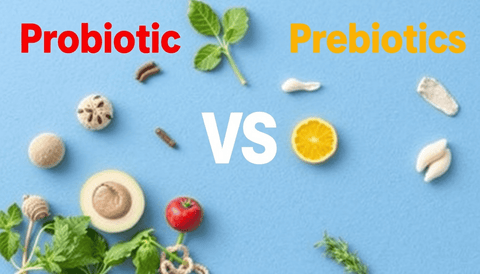
Probiotics and prebiotics are core concepts in any conversation about gut health, but they are often confused. While their names are similar, they play distinct and complementary roles in supporting a balanced digestive system. In short, probiotics are live beneficial microorganisms, and prebiotics are the food that helps those microorganisms thrive. Understanding this fundamental difference is key to interpreting product labels, evaluating research, and making informed choices for your wellness routine.
Defining Probiotics: The Beneficial Microbes
Probiotics are live microorganisms that, when consumed in adequate amounts, are intended to provide a health benefit to the host. They are often described as "good" or "friendly" bacteria because they help maintain a balanced environment in the gut. A characteristic feature of a true probiotic is that the specific strain is identified and the product is manufactured to maintain the viability of the organisms until they are consumed.
Common sources of probiotics include fermented foods such as yogurt, kefir, sauerkraut, and kimchi. When looking at a supplement label, a probiotic will typically list the genus, species, and strain of the microorganism, like Lactobacillus rhamnosus GG, and the number of live organisms (colony-forming units or CFUs) available at the time of manufacture.
Defining Prebiotics: The Microbial Fuel
Prebiotics are substrates that are not digested by the human host but are selectively utilized by beneficial microorganisms in the gut. In practical terms, they are a type of fiber that acts as fuel for the existing healthy bacteria in your digestive system. Instead of introducing new microbes, prebiotics help the beneficial ones already present grow and become more active.
Excellent natural sources of prebiotic fiber include bananas, onions, garlic, leeks, asparagus, oats, and apples. On a supplement label, you may see prebiotics listed by their chemical name, such as inulin, fructooligosaccharides (FOS), or galactooligosaccharides (GOS).
How Probiotics and Prebiotics Work Together
The true power for digestive wellness often lies in how probiotics and prebiotics work in concert. Probiotics aim to add beneficial strains to your gut, while prebiotics aim to nourish and promote the growth of beneficial bacteria. This partnership is so well recognized that a term exists for products that combine both: synbiotics.
By supporting both the introduction and the maintenance of beneficial bacteria, a balanced approach may be more effective than focusing on only one. For general wellness, a diet rich in both fermented foods and high-fiber plant foods is often a practical first step.
A Quick Comparison: Probiotics vs. Prebiotics
To clearly differentiate the two, consider this comparison table:
- Nature: Probiotics are live microorganisms; Prebiotics are non-digestible plant fibers.
- Function: Probiotics add new beneficial bacteria; Prebiotics feed existing beneficial bacteria.
- Examples: Probiotic sources include yogurt, kefir, and fermented vegetables; Prebiotic sources include bananas, onions, and whole grains.
- Labeling: Probiotics are identified by their strain and CFU count; Prebiotics are identified by their fiber name such as inulin or FOS.
Why Understanding the Distinction Matters
Understanding whether a product contains probiotics, prebiotics, or both helps set realistic expectations. If you are looking to diversify your gut flora, a probiotic may be the focus. If you want to support the beneficial bacteria you already have, increasing prebiotic fiber intake is a primary strategy. Many people may choose to incorporate both for a comprehensive approach.
Key Considerations for Supplements
If you are considering a supplement, it is important to evaluate the label carefully. Look for a probiotic that clearly states the genus, species, and strain, and also indicates the number of live organisms expected at the end of shelf life. For a prebiotic, the label should specify the type of fiber and the amount per serving. Quality control and manufacturing practices are also important factors to consider.
Exploring different supplement formats can help you find what works for your routine. For a broad overview, you can explore our probiotics and prebiotics supplements category to see the types of products available. For a wider view of nutritional supplements, our natural supplements collection provides an overview of different options.
Safety and General Guidance
For most healthy people, probiotics and prebiotics from food sources are well-tolerated. Some individuals may experience mild digestive discomfort, like gas or bloating, when they first increase their intake. As with any supplement, it is wise to consult with a healthcare professional before starting, especially if you have underlying health conditions or are taking medication.
This page provides a foundational understanding of the difference between probiotics and prebiotics. For more specific questions, such as the signs that you might need prebiotics, how they interact with other foods, or details on specific types, the associated articles on this topic provide a much deeper dive into those individual areas.