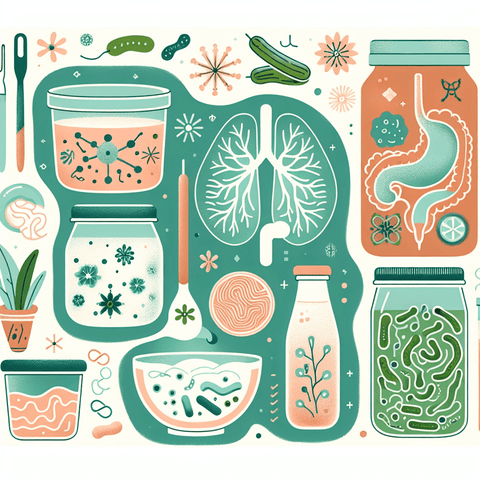
Unlocking die Verdauungsgesundheit: Einfache Tipps für einen glücklicheren Bauch


Die Verdauungsgesundheit ist mehr als ein vorübergehendes Gefühl. Sie spiegelt wider, wie der Körper täglich verarbeitet und darauf reagiert. Auf dieser Seite finden Sie einen knappen, wissenschaftlich fundierten Blick auf die Verdauungsgesundheit, mit Erklärungen, die klar und zugänglich gestaltet sind. Der Schwerpunkt liegt auf dem Verständnis der Faktoren, die Forscher untersuchen, und darauf, wie diese in praktisches Wissen umgesetzt werden – anstelle von schnellen Versprechen. In diesem Bereich untersuchen Wissenschaftler, wie die Aktivität des Magen-Darm-Trakts mit dem Nervensystem interagiert, wie Signale das Empfinden von Komfort und Unbehagen beeinflussen, und wie methodische Entscheidungen unser Wissen über die Verdauungsgesundheit prägen. Indem Sie neugierig bleiben auf Beweise – wie Studien gestaltet sind, was Peer-Review bedeutet – können Sie eine fundierte Sichtweise entwickeln und verlässliche Erkenntnisse von ersten Ideen unterscheiden. Dieser Ansatz fördert eine überlegte Auseinandersetzung mit dem Thema Verdauungsgesundheit. Um die Verdauungsgesundheit auf eine reflektierte Weise zu erforschen, könnten Sie sich auf lernorientierte Schritte konzentrieren: Etablieren Sie eine regelmäßige Routine für Reflexion, dokumentieren Sie Muster, die Sie beobachten, und suchen Sie Informationen von vertrauenswürdigen Quellen. Diese praktischen Schritte betonen sorgfältige Beobachtung, Skepsis und kontinuierliches Lernen – anstelle von vordefinierten Empfehlungen. Das Ziel ist ein stetiger Fortschritt beim Verständnis, wie unterschiedliche Kontexte mit der Verdauungsgesundheit zusammenhängen. Beginnen Sie noch heute Ihre Reise, indem Sie die Wissenschaft hinter der Verdauungsgesundheit erkunden – klicken Sie, um mehr zu erfahren und sich nähren zu lassen. Diese Seite bietet klare Erklärungen, glaubwürdige Diskussionen und evidenzbasierte Wege für eine fortlaufende Untersuchung. Begeistern Sie sich für Neugier und lassen Sie zuverlässige Informationen Ihre Erforschung der Verdauungsgesundheit leiten.


10 Factors That Influence Nutrient Absorption - Topvitamine
April 21, 2026
Die Nährstoffaufnahme bestimmt, wie gut Ihr Körper Vitamine und Mineralstoffe aus dem Essen verwerten kann. Dieser Artikel erklärt die zehn wichtigsten Faktoren – von Magensäure, Verdauungsenzymen und Darmmikrobiom bis zu Medikamenten und Stress – und zeigt, wie Sie Vitamine besser aufnehmen. Außerdem beantworten wir häufige Fragen zu Darmproblemen und Morbus Crohn und erläutern, wann Nahrungsergänzungsmittel die Nährstoffversorgung sinnvoll unterstützen können.
Does magnesium clean your colon? - Topvitamine
February 13, 2026
Magnesium zur Darmreinigung kann den Stuhl kurzfristig weicher machen und die Darmentleerung unterstützen. Besonders Magnesiumcitrat wirkt osmotisch, indem es Wasser im Darminhalt bindet. Das ist jedoch keine Entgiftung und behandelt nicht automatisch die Ursache von Verstopfung. Der Artikel erklärt Wirkung, mögliche Magen-Darm-Nebenwirkungen, wichtige Vorsichtsmaßnahmen, Einnahmehinweise und alltagstaugliche Alternativen wie Flüssigkeit, Bewegung und Ballaststoffe.
What is the 14 day gut reset? - Topvitamine
February 03, 2026
Ein 14-Tage-Darm-Reset ist keine Detox-Kur, sondern eine zeitlich begrenzte Routine für eine darmfreundliche Ernährung und einen bewussteren Lebensstil. Der Leitfaden zeigt, wie Sie Ballaststoffe langsam steigern, ausreichend trinken, Bewegung und Schlaf einbeziehen und Beschwerden beobachten. Außerdem erfahren Sie, welche natürlichen Verdauungshilfen infrage kommen, wann ein Mikrobiom-Test sinnvoll sein kann und bei welchen Beschwerden ärztlicher Rat wichtig ist.
Is coffee good or bad for your gut? - Topvitamine
February 01, 2026
Kaffee kann die Verdauung anregen, wird aber nicht von allen Menschen gleich gut vertragen. Koffein und weitere Inhaltsstoffe können die Darmbewegung fördern, bei empfindlichen Personen jedoch Sodbrennen, Reflux, Blähungen oder Durchfall begünstigen. Dieser Ratgeber erklärt die wichtigsten Zusammenhänge, beantwortet häufige Fragen zu Diabetes und Arthrose und zeigt, wie Sie Ihre individuelle Verträglichkeit systematisch beobachten können.
What is the best probiotic available for purchase? - Topvitamine
October 25, 2025
Das beste Probiotikum gibt es nicht für alle Menschen gleichermaßen. Entscheidend sind der konkrete Bakterien- oder Hefestamm, die wissenschaftliche Datenlage zur gewünschten Anwendung, eine transparente CFU-Angabe, passende Lagerbedingungen und eine gute Verträglichkeit. Dieser Ratgeber erklärt, wie Sie Probiotika vergleichen, welche Grenzen die Forschung hat und wann ärztlicher Rat sinnvoll ist – auch bei Fragen zu Reflux oder GERD.
What is the best natural probiotic? - Topvitamine
October 14, 2025
Das beste natürliche Probiotikum gibt es nicht pauschal: Für viele Menschen sind Joghurt, Kefir und ausgewählte fermentierte Lebensmittel ein sinnvoller Anfang. Nahrungsergänzungsmittel können eine standardisierte Menge bestimmter Stämme liefern, sind aber nicht für alle notwendig. Dieser Ratgeber erklärt, wie Probiotika, Präbiotika und Lebensstil die Verdauungsgesundheit unterstützen können, worauf Sie bei Produkten achten sollten und wann ärztlicher Rat wichtig ist.

Digestive health refers to how well the digestive system breaks down food, absorbs nutrients and handles waste — and how comfortable that process feels in daily life. It is shaped by what and how you eat, your daily routine, stress, sleep and the community of microorganisms living in the gut. Because digestion touches so many parts of everyday wellbeing, it is one of the most widely discussed topics in nutrition. This page works as a topical hub: it explains the main themes of digestive health at a broad level, while the articles collected under this tag explore specific questions in more detail.

What Is Digestive Health?

The digestive system is a group of organs — including the stomach and intestines — that work together to break food down into nutrients the body can absorb. Digestive health broadly describes how smoothly this system functions and how comfortable it feels in daily life. When people talk about gut health, they usually mean this same combination of digestion, comfort and regularity.

The Gut–Brain Connection

Digestion is also connected to more than the gut itself. Researchers study how the digestive system communicates with the nervous system — a relationship often called the gut–brain axis — and how this interaction may relate to experiences of comfort and unease. This is an active area of research, and the discussion here stays at a general, educational level.

Why Digestive Health Gets So Much Attention

Digestion determines how food becomes available to the body, which places it at the centre of everyday nutrition. It also influences daily comfort: many people notice how they feel after meals, and that experience is a big part of why the topic draws so much interest. Attention to digestive health has grown further as research into the gut microbiome has expanded. Because the field keeps evolving, it helps to stay evidence-aware — looking at how claims are supported rather than accepting every promise at face value.

Signs Commonly Associated With Digestive Discomfort

People who feel their digestion is not working smoothly often report bloating, excess gas, heartburn, a heavy feeling after meals or irregular bowel habits. These experiences are common from time to time and can have many everyday explanations, including eating habits, food choices and stress.

Occasional discomfort is not the same as a medical problem. Symptoms that are persistent, severe, unusual or new deserve assessment by a doctor or another qualified professional. General information like this page can support understanding, but it cannot replace personal medical advice.

Everyday Habits That Support Healthy Digestion

There is no single trick to good digestion. Most general guidance centres on consistent, manageable habits rather than dramatic changes. The habits below are widely recommended as part of a digestion-friendly routine:

  • Eat at a comfortable pace and chew food thoroughly.
  • Build meals around varied, fibre-rich foods such as vegetables, fruit, whole grains and legumes.
  • Drink enough fluids throughout the day.
  • Stay physically active in a way that suits you.
  • Manage stress and aim for consistent, sufficient sleep.
  • Notice how different foods affect you, without drawing firm conclusions from a single experience.

Gradual change tends to work best. Adding a lot of fibre at once, for example, can feel uncomfortable at first, so many people increase it step by step while drinking enough fluids.

Drinks Often Part of a Digestion-Friendly Day

Water is the most straightforward choice, especially alongside fibre-rich meals. Herbal teas such as ginger or peppermint have a long history of traditional use around mealtimes, and sugary drinks are generally better kept occasional. Tolerance varies from person to person, so it can help to notice what suits you.

The Gut Microbiome: Probiotics and Prebiotics

The gut is home to a large community of bacteria and other microorganisms, often called the gut microbiome or gut flora. Research into the microbiome has grown rapidly, and it is now one of the most discussed areas within digestive health.

Two terms appear often in this context. Probiotics are live microorganisms found in fermented foods such as yoghurt, kefir and sauerkraut, as well as in supplements. Prebiotics are types of fibre that these microorganisms use as food. They are usually discussed together because they describe complementary parts of the diet.

For those who want to look beyond foods, our probiotics and prebiotics supplements collection gathers products in this category. As with any supplement, composition and quality vary between products, so it is worth comparing options carefully.

Nutrients, Fibre and Botanicals Often Mentioned With Digestion

Fibre deserves special mention, because it is central to most conversations about digestion. It comes from plant foods, and different types behave differently in the gut. A varied, plant-rich diet is the usual starting point, and browsing a superfoods collection can be a practical way to add more variety to your meals.

Vitamins and minerals are part of the picture too. Magnesium, for example, contributes to normal muscle function, which is one reason it often comes up in discussions about digestion. Options can be found in our magnesium supplements collection.

Botanicals such as ginger, peppermint and artichoke have a long history of traditional use around digestion and are still widely discussed today. Traditional use is not a measure of proven effect, so it is best treated as background context rather than a promise.

Frequently Asked Questions About Digestive Health

How can I improve my digestive health?

Start with the basics: eat at a comfortable pace, choose varied fibre-rich foods, drink enough fluids, stay active and look after sleep and stress. Consistency over weeks matters more than any single change, and persistent problems are best discussed with a professional.

What are signs of poor digestion?

Commonly reported signs include bloating, gas, heartburn, discomfort after meals and irregular bowel habits. Occasional symptoms are normal; anything persistent, severe or new warrants medical advice.

What drink helps your digestion?

Water is the simplest option, particularly alongside fibre-rich meals. Herbal teas such as ginger or peppermint are traditionally enjoyed around eating. Responses differ from person to person.

How do I reset my gut health?

There is no overnight reset. The gut microbiome generally responds to steady habits: a varied plant-rich diet, regular routines, sufficient sleep, movement and stress management. Extreme approaches are rarely necessary, and ongoing symptoms should be reviewed with a qualified professional.

Exploring Digestive Health Further

This page is a starting point rather than a finish line. The articles collected under this tag go deeper into specific questions — from individual nutrients and ingredients to particular digestive topics — so you can move from the broad picture to the detail that matters to you.

The information on this page is general and educational. It is not medical advice and cannot account for personal circumstances. If you have ongoing symptoms or questions about supplements, a doctor, dietitian or pharmacist is the right person to ask.