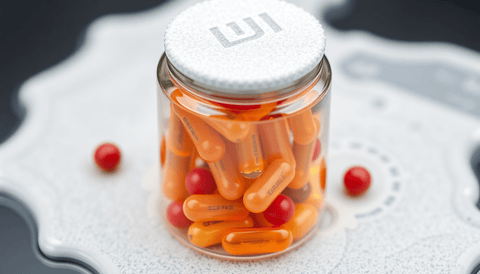
Enteric Coated Supplements: Steigern Sie die Absorption und schützen Sie Ihren Magen


Enteric beschichtete Nahrungsergänzungsmittel sind mit einer schützenden Polymerschicht formuliert, die den Kern einer Pille oder Kapsel umgibt. Diese Beschichtung ist dafür ausgelegt, der sauren Umgebung des Magens standzuhalten und erst bei Erreichen der höher pH-Werte im Dünndarm zu beginnen, sich aufzulösen. Durch die Kontrolle darüber, wo und wann ein Produkt seine Inhalte freisetzt, stellen enteric beschichtete Nahrungsergänzungsmittel einen gezielten Ansatz in der Formulierungswissenschaft dar, um Umwelteinflüsse während des Durchgangs durch den Verdauungstrakt zu steuern. Wie Beschichtungen funktionieren, basiert auf Barriereeigenschaften und pH-abhängiger Auflösung. Die Beschichtung bildet eine Barriere, die im Magensaft intakt bleibt, aber bei höheren pH-Werten im Darm löslich oder durchlässig wird. Das Wandmaterial wird aufgrund seiner chemischen Stabilität, seiner Film-formenden Fähigkeit und seines spezifischen Auflösungsverhaltens ausgewählt. In der Praxis erhalten die Beschichtungen ihre Integrität während des Magentransits und zerfallen im Darmmilieu, sodass der Kern kontrolliert freigesetzt werden kann. Die Auflösungstests in simuliertem Magen- und Darmflüssigkeit werden üblicherweise durchgeführt, um die Leistung zu charakterisieren. Die in enteric beschichteten Nahrungsergänzungsmitteln verwendeten Beschichtungsmaterialien stammen aus mehreren Polymerfamilien. Häufige Optionen sind bestimmte Cellulosederivate und synthetische Polymere wie Methacrylate. Beispiele sind Celluloseacetatphthalat und Hydroxypropylmethylcellulatphthalat sowie Methacrylat-Copolymere aus der Eudragit-Familie. Jedes Material hat eine definierte pH-Auflösungsschwelle und eine gewählte Filmdicke, die das Freisetzungsprofil beeinflusst. Die Auswahl der Beschichtung hängt vom gewünschten Freisetzungsort, der Stabilität während der Verarbeitung und der Kompatibilität mit der Kernformulierung ab. Praktische Überlegungen für die Produktion und Kennzeichnung betreffen den Beschichtungsprozess selbst, die Qualitätssicherung und Lagerungsbedingungen. Herstellungsprozesse umfassen das Auftragen der Beschichtungsschicht, Trocknen und Tests, um eine gleichmäßige Abdeckung und das Fehlen von Defekten zu gewährleisten. Verpackung und Umgebungsfaktoren wie Luftfeuchtigkeit und Temperatur können die Integrität der Beschichtung im Laufe der Zeit beeinflussen. Beim Überprüfen von Informationen zu enteric beschichteten Nahrungsergänzungsmitteln wird in der Regel auf die angegebenen Freisetzungseigenschaften, Testergebnisse und Handhabungsempfehlungen geachtet, um zu verstehen, wie die Beschichtung unter realen Bedingungen verhält.


What is Enteric Coating? Benefits and How It Works - Topvitamine
June 29, 2025
Eine enterische Beschichtung, auch magensaftresistente Beschichtung genannt, schützt den Inhalt einer Tablette oder Kapsel vor der Magensäure und ermöglicht eine spätere Freisetzung im Darm. Dieser Ratgeber erklärt die Funktionsweise, typische Beschichtungsmaterialien, den Unterschied zu einem normalen Filmüberzug und wichtige Auswahlkriterien für Nahrungsergänzungsmittel. Außerdem beantworten wir, woran Sie eine solche Beschichtung erkennen und warum Tabletten mit verzögerter Freisetzung nicht zerkaut oder geteilt werden sollten.

Enteric-coated supplements are a specific category of oral supplements designed with a special protective layer. This layer, known as an enteric coating, is not just an extra step in manufacturing; it serves a crucial purpose in how the supplement interacts with your digestive system. This guide explains what enteric coating is, why it’s used, its potential benefits and drawbacks, and what you should consider when you encounter these products.

What Does Enteric-Coated Mean?

The term "enteric" refers to the intestine. An enteric coating is a polymer barrier applied to the outside of a pill, tablet, or capsule. Its primary function is to resist the acidic, digestive environment of the stomach. Instead of dissolving in the stomach, the coating is designed to remain intact until the supplement reaches the small intestine, where the pH level is higher. This pH-triggered mechanism ensures that the supplement's contents are released in a specific part of the digestive tract, a process often referred to as targeted delivery.

This technology is used for both medications and supplements for several key reasons, such as protecting sensitive ingredients from stomach acid or preventing stomach irritation from certain compounds. For dietary supplements, this can be particularly relevant for ingredients that are delicate or that are better absorbed in the intestines.

Potential Benefits of Enteric-Coated Supplements

The design of enteric-coated supplements offers several potential advantages compared to standard, non-coated options.

  • Protection of Sensitive Ingredients: Some nutrients, like certain enzymes, probiotics, and plant extracts, can be degraded or inactivated by stomach acid. An enteric coating helps protect these ingredients so they can reach the intestines intact.
  • Reduced Stomach Upset: Certain supplements, such as high doses of omega-3 fatty acids or some minerals, can cause nausea or stomach irritation for some individuals. By bypassing the stomach's acidic environment, enteric coatings can help minimize this potential discomfort.
  • Targeted Absorption: The small intestine is the primary site for nutrient absorption. A coating that releases the supplement's contents in the intestine may, in some cases, lead to more efficient absorption than if it dissolved in the stomach.

How to Identify an Enteric-Coated Supplement

Identifying an enteric-coated supplement is usually straightforward. The product label is the most reliable source of information. Look for the terms "enteric-coated," "acid-resistant," or "delayed-release" on the packaging. The supplement facts panel may also list an ingredient like "cellulose acetate phthalate" or "methacrylic acid copolymer," which are common coating materials. If you are ever unsure, the product's official website or a healthcare professional can provide clarification.

Potential Disadvantages and Considerations

While enteric coatings offer benefits, there are also potential disadvantages and practical considerations to keep in mind.

  • Difficulty Swallowing: The coating can sometimes make the pill larger or slightly harder to swallow than an uncoated version.
  • Potential for Reduced Absorption: If the coating does not dissolve properly, or if the supplement moves through the digestive tract too quickly, the full dose may not be released or absorbed, potentially reducing its effectiveness. This is why manufacturing quality and dissolution testing are critical.
  • Cost: The additional manufacturing step can make enteric-coated products more expensive than their standard counterparts.
  • Interaction with Other Substances: Certain foods or medications that alter stomach pH or gut motility could theoretically affect how an enteric coating behaves.

It is always important to follow the storage instructions on the label, as humidity and temperature can affect the integrity of the coating over time.

Examples of Enteric-Coated Products

Enteric coating is a common technology in both the pharmaceutical and supplement industries. You will often find it on specific types of products.

  • Certain Probiotic Supplements: To protect live bacteria from stomach acid.
  • Digestive Enzymes: To ensure they reach the small intestine to aid in digestion where they naturally work.
  • Omega-3 Fatty Acids: To help prevent "fish burps" and potential stomach upset.
  • Some Herbal Extracts: To protect sensitive plant compounds from degradation.

The Manufacturing and Quality Control Process

The process of creating an enteric-coated supplement involves several critical steps to ensure the coating is uniform and effective. First, the core tablet or capsule is created. Then, the coating is applied, often through a spray process, to create a consistent film around the core. This is followed by a drying step. Quality control is paramount. Manufacturers use dissolution testing, which involves placing the coated product in simulated gastric and intestinal fluids, to verify that it remains intact in stomach-like conditions and releases its contents as intended. This testing ensures the product meets its stated release characteristics.

Exploring Your Supplement Options

Enteric coating is just one of many formulation technologies used in the supplement industry. If you are looking for specific types of supplements, understanding this technology can help you make more informed choices. For example, many brands offer probiotic and prebiotic supplements with enteric coatings to protect the beneficial bacteria. Similarly, specialized DHA and EPA omega-3 supplements are often enteric-coated to reduce reflux. For a broader view of your options, you can also explore the range of natural supplements available.