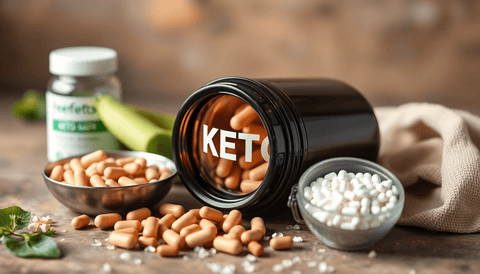
Exogene Ketone: Steigere Energie, Fokus und Leistung schnell


Exogene Ketone sind Ketonkörper, die von außerhalb des Körpers zugeführt werden. Die häufigsten Formen, die Sie sehen werden, sind Beta-Hydroxybutyrat (BHB) in Ketonsalzen und in Ketonestern. Wenn Sie ein Ergänzungsmittel einnehmen, kann es den Ketonspiegel im Blut erhöhen und eine zusätzliche Energiequelle bereitstellen, die unabhängig von der Kohlenhydrataufnahme ist. Diese Seite konzentriert sich darauf, zu verstehen, was exogene Ketone sind, wie sie wirken und praktische Überlegungen für die Dosierung und den täglichen Gebrauch. Was die Wirkungsweise betrifft, gelangen exogene Ketone nach der Einnahme in den Blutkreislauf und werden für den Transport zu verschiedenen Geweben verfügbar. Sie können als alternative Energiequelle dienen und zum bestehenden Pool an zirkulierenden Ketonen beitragen. Durch die Erhöhung der zirkulierenden Ketonspiegel können exogene Ketone beeinflussen, wie Energiequellen im Alltag genutzt werden, ohne dass eine spezifische Ernährungsumstellung erforderlich ist. Die metabolische Reaktion kann von Person zu Person variieren, und Ihre Erfahrung hängt möglicherweise von Faktoren wie der Formulierung und dem Zeitpunkt ab. Die richtige Dosierung für exogene Ketone variiert je nach Produkt und Formulierung. Es ist üblich, mit einer kleineren Portion zu beginnen, um die Verträglichkeit zu testen, und dann basierend auf der persönlichen Reaktion anzupassen. Bei Ketonsalzen liegen die üblichen Portionsgrößen bei etwa 5–12 Gramm pro Portion, während Ketonester höhere Mengen pro Portion enthalten können, oft im Bereich von 10–25 Gramm. Folgen Sie immer den Anweisungen auf dem Etikett des jeweiligen Produkts und erwägen Sie, mit einer halben Portion zu beginnen, um zu beurteilen, wie Sie reagieren, bevor Sie die Dosis erhöhen. Geschmack, Textur und Gesamtgenuss können Ihre Dosierungsentscheidung ebenfalls beeinflussen. Praktische Tipps für die Integration exogener Ketone in Ihren Tag sind die Planung des Einnahmezeitpunkts im Rahmen Ihrer Routine, ausreichend Flüssigkeit zu sich zu nehmen und ein einfaches Protokoll zu führen, wann Sie sie einnehmen und wie Sie sich fühlen, um Ihre persönliche Reaktion zu verstehen. Wenn Sie eine bestimmte Form bevorzugen – Salz oder Ester – überlegen Sie, wie sie in Ihren Tagesablauf und Geschmack passen. Eine richtige Lagerung und die Beachtung der Produktanweisungen helfen, die Qualität zu erhalten. Durch Anpassung der Anwendung an Ihre Routine und Notizen können Sie exogene Ketone so integrieren, dass sie zu Ihrem Tagesablauf passen.


Top Keto-Friendly Supplements to Support Fat Burn | Topvitamine - Topvitamine
July 06, 2025
Keto-Nahrungsergänzungsmittel können eine kohlenhydratarme Ernährung ergänzen, ersetzen aber weder eine ausgewogene Lebensmittelauswahl noch Bewegung. Besonders Elektrolyte wie Natrium und Magnesium können bei passenden Voraussetzungen relevant sein. Exogene Ketone und MCT-Öl liefern zwar Energie, sind jedoch kein garantierter Fettverbrenner. Dieser Ratgeber erklärt Nutzen, Grenzen, Auswahlkriterien und mögliche Gründe für Schwindel während der Keto-Diät.

Exogenous ketones are a popular topic in the health and wellness world, often discussed in relation to energy, focus, and athletic performance. This page serves as a central guide to understand what they are, the different forms available, and key factors to consider before you decide if they fit into your routine. We'll explore the basics of how they work, compare the main types, and offer practical tips for use, all while providing a foundation for exploring more specific questions.

What Are Exogenous Ketones?

Ketones are water-soluble molecules produced by the liver from fatty acids. They serve as an alternative energy source for the body, particularly when glucose (from carbohydrates) is limited. 'Exogenous' simply means 'produced outside the body.' Therefore, exogenous ketones are ketone bodies that you consume, usually in the form of a dietary supplement, to raise the level of ketones in your blood without needing to follow a specific diet.

The main ketone body relevant to supplements is beta-hydroxybutyrate (BHB). When you ingest BHB, it can quickly increase the concentration of ketones in your bloodstream, making them available for your tissues to use as fuel.

How Do Exogenous Ketones Work?

After you swallow an exogenous ketone supplement, the ketones are absorbed through your digestive tract and enter your bloodstream. From there, they can be transported to various tissues like your brain, heart, and muscles. These tissues can then take up the ketones and use them as an energy substrate, potentially influencing how your body manages its energy supply.

It's important to understand the difference between exogenous ketones and ketosis achieved through diet. When you follow a ketogenic diet, your body produces its own ketones by depleting glycogen stores. Exogenous ketone supplements provide a source of ketones directly, which can raise blood ketone levels. However, the metabolic response and effects can vary greatly from person to person. Factors like the formulation (salts vs. esters), your individual metabolism, and the timing of intake can all influence your experience.

Types of Exogenous Ketones: Salts vs. Esters

The two main forms of exogenous ketone supplements are ketone salts and ketone esters. They differ in their chemical structure, how they are made, and their characteristics.

  • Ketone Salts: These are BHB bound to a mineral salt, such as sodium, potassium, calcium, or magnesium. They are typically sold as a powder that you mix with water. They tend to be more affordable and have a better taste than esters.
  • Ketone Esters: These are BHB bound to another compound, usually a synthetic ester. They are a liquid and are known for raising blood ketone levels more rapidly and to a higher degree than salts. However, they are often more expensive and have a very bitter, unpleasant taste.

Ketone Salts vs. Esters and MCT Oil

It's also common to confuse exogenous ketones with MCT oil (medium-chain triglycerides). They are not the same. MCT oil is a type of fat that the liver can convert into ketones. It's a precursor, meaning it helps your body produce its own ketones, whereas exogenous ketone supplements provide ready-made ketones. MCT oil is generally considered a food, while exogenous ketones are supplements.

The table below provides a quick comparison to clarify the differences.

Comparison of Exogenous Ketone Salts, Esters, and MCT Oil

  • Ketone Salts: Absorbed quickly, taste fairly palatable, moderate cost, raises blood ketones moderately.
  • Ketone Esters: Absorbed very quickly, taste very bitter, high cost, raises blood ketones significantly.
  • MCT Oil: Not absorbed as quickly, tastes like oil, relatively low cost, may help produce ketones via the liver.

How to Use Exogenous Ketones: Dosage and Timing

Finding the right approach to using exogenous ketones involves a few key considerations. There is no single 'correct' dose that works for everyone, as it depends largely on the specific product and your individual response. However, understanding the typical ranges and best practices can help you start safely and effectively.

Starting Your Dosage

It is always best to follow the label instructions from the specific product you are using. As a general guideline, typical serving sizes are:

  • Ketone Salts: Around 5 to 12 grams per serving.
  • Ketone Esters: Often around 10 to 25 grams per serving.

Before starting, consider trying a half-serving to assess your tolerance. Gastrointestinal discomfort is a common side effect, especially with esters, so starting small is a prudent strategy.

Timing Your Intake

The best time to take exogenous ketones can depend on your goals. Some people use them before exercise for an energy boost, while others take them first thing in the morning to help maintain mental focus.

A practical approach is to plan your dosing around your routine. For example, if you want to test their effect on a workout, take them 30-45 minutes before training. If you're using them for morning focus, take them with breakfast. Keeping a simple log of when you take them and how you feel can be an excellent way to understand your personal response and determine what works best for you.

Practical Considerations for Use

Beyond dosage and timing, there are other practical factors to keep in mind when incorporating exogenous ketones into your daily routine.

  • Palatability: Ketone salts come in various flavors, but they can be quite salty. Ketone esters are notoriously bitter. Taste is a significant factor in sticking to a routine.
  • Hydration: Staying well-hydrated is important, as electrolytes from ketone salts can affect your body's water balance.
  • Texture and Form: Consider whether you prefer a powder you can mix or a liquid shot. This can influence your choice between salts and esters.
  • Storage: Always follow product directions for proper storage to maintain quality and effectiveness.

Exploring Ketosis and Related Topics

Understanding exogenous ketones also involves understanding the broader context of ketosis, the body's fat-burning state. This involves the metabolic state where your body uses fat for fuel instead of carbohydrates. For those interested in this area, exploring related nutritional topics can provide valuable background.

If you're curious about other supplements that support energy and performance, you might find our guide to sports supplements helpful. For a broader view of nutritional support, our sports supplements guide provides an overview of common products. Additionally, learning about MCT oil as a source of energy can be useful, and you can explore options within our superfoods guide which discusses nutrient-dense foods and their role in a balanced diet. For a detailed look at specific ingredients that may complement your wellness routine, our collection on amino acid supplements is also worth exploring.

Ultimately, exogenous ketones are an interesting tool that some people use to support their energy and focus goals. By understanding the types, how to use them, and what to expect, you can make a more informed decision about whether they align with your personal health strategy.