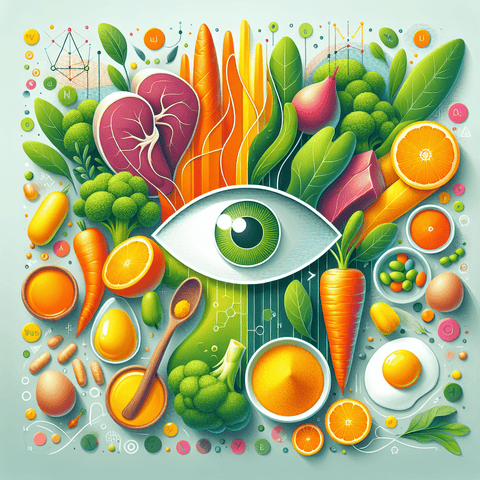
Augengesundheit Ernährung: 7 essentielle Nährstoffe für klares Sehen


Die Ernährung für die Augengesundheit ist ein Bereich, der verbindet, wie Vitamine, Mineralien und andere Nährstoffe mit der Funktion unserer Augen zusammenhängen. Diese Seite hebt die sieben essenziellen Nährstoffe hervor, die mit klarem Sehen verbunden sind, und erklärt in verständlichen Begriffen, wie Vitamine und Mineralien an der Augebiologie beteiligt sind, im Kontext der größeren Thematik der Ernährung für die Augengesundheit. Ziel ist es, ein Verständnisrahmen zu bieten, um die Rolle der Nährstoffe zu erfassen, ohne den Eindruck von Gesundheitsversprechen zu erwecken, aber dennoch praktische Hinweise für den Alltag beim Lernen über das Auge zu geben. Diese sieben essenziellen Nährstoffe sind Vitamin A, Vitamin C, Vitamin E, Zink, Lutein, Zeaxanthin und Omega-3-Fettsäuren. In der Ernährung für die Augengesundheit haben sie alle jeweils eine spezielle Rolle in den Augengeweben. Vitamin A ist mit dem visuellen Kreislauf in Photorezeptoren verbunden. Vitamin C und Vitamin E wirken als Antioxidantien in den Augen tissues. Zink ist an Enzymen und Prozessen im Netzhautbereich beteiligt. Lutein und Zeaxanthin sind Carotinoid-Pigmente, die in der Makula konzentriert sind und bei Lichtverhältnissen im Auge eine Rolle spielen. Omega-3-Fettsäuren, einschließlich DHA und EPA, sind Bestandteile der Netzhautmembranen und unterstützender Zellen. Aus der Perspektive der Ernährung für die Augengesundheit lässt sich sagen, dass diese Nährstoffe Elemente sind, die an der Erhaltung der Gewebeintegrität, der Unterstützung antioxidativer Schutzmechanismen und dem Beitrag zur Struktur der Augengewebe beteiligt sind. Dieser Ansatz hilft den Lesern zu sehen, wie verschiedene Nährstoffe in ein zusammenhängendes Bild der Augebiologie passen. Alltagstipps könnten in diesem Zusammenhang die Etablierung einer einfachen Routine betonen, um verlässliche Informationen zu erkunden, Notizen zu Fragen zu machen und eine ruhige Leseatmosphäre zu schaffen, um sich mit Inhalten zur Ernährung für die Augengesundheit auseinanderzusetzen. Um weiter zu vertiefen, kann man die Ernährung für die Augengesundheit als ein Vokabular verstehen, um zu erfassen, wie Vitamine und Mineralien die Funktion der Augen beeinflussen. Die sieben essenziellen Nährstoffe liefern einen ersten Anhaltspunkt, um zu lernen, wie das visuelle System auf zellulärer Ebene arbeitet. Man kann auf diese Seite zurückgreifen, als eine knappe Orientierung zu Ernährung für die Augengesundheit und die Rollen der einzelnen Nährstoffe im Kontext des Sehens.


What to eat for vitamin A deficiency? - Topvitamine
October 17, 2025
Bei Vitamin-A-Mangel können Lebensmittel mit Retinol oder Beta-Carotin zur ausreichenden Versorgung beitragen. Leber, Eier und angereicherte Milchprodukte liefern vorgeformtes Vitamin A, während Karotten, Süßkartoffeln, Kürbis und grünes Blattgemüse pflanzliches Beta-Carotin enthalten. Dieser Ratgeber erklärt praktische Kombinationen, die Rolle von Nahrungsfett, mögliche Anzeichen eines Mangels sowie den sicheren Umgang mit Vitamin-A- und Beta-Carotin-Präparaten.

Eye health nutrition is a broad topic that explores how the foods we eat and the nutrients they contain relate to the health and function of our eyes. This guide provides a clear overview of the key vitamins, minerals, and dietary components most often discussed in connection with vision. Rather than focusing on a single nutrient or a specific condition, this page offers a framework for understanding how different elements of your diet work together to support the overall structure and function of your eyes, preparing you to explore more specific topics in greater depth.

What Is Eye Health Nutrition?

Eye health nutrition is the study of how vitamins, minerals, and other nutrients relate to the way our eyes function. It's a field that ties together basic biology with the practical question of how dietary choices may influence long-term ocular well-being. The goal is to understand how certain compounds participate in the maintenance of eye tissues, support the body's natural antioxidant defenses, and contribute to the overall structural integrity of the visual system.

This field is not about promising improved vision through diet alone, but rather about building a comprehensive understanding of what nutrients are involved in eye biology and how they can be incorporated into a balanced lifestyle. It provides the essential vocabulary for exploring more specific questions about foods, supplements, and healthy habits for the eyes.

Core Nutrients in Eye Health Nutrition

Several nutrients are consistently identified as important for eye health due to their specific roles in ocular tissues. Understanding each one's contribution helps clarify the broad picture of how nutrition relates to vision. While this list is not exhaustive, it forms the foundation of most discussions on the topic.

The Major Vitamins

Vitamins play a variety of critical roles in the eye. Vitamin A is perhaps the most well-known, as it is directly linked to the visual cycle in the photoreceptor cells of the retina, which is essential for night vision. Vitamins C and E function as antioxidants within ocular tissues, helping to protect cells from oxidative stress. These vitamins are commonly found in a wide range of fruits, vegetables, and nuts.

Minerals and Carotenoids

The mineral zinc is involved in numerous enzymatic processes within the eye, particularly in the retina. Alongside vitamins, carotenoids like lutein and zeaxanthin are pigments that are highly concentrated in the macula, the central part of the retina responsible for sharp, detailed vision. They are thought to play a role in filtering high-energy light. These nutrients are abundant in leafy green vegetables.

Essential Fatty Acids

Omega-3 fatty acids, particularly DHA and EPA, are structural components of cell membranes throughout the body, including the retina. They are considered important for maintaining the health of retinal cells and supporting the function of the eye's supporting structures. Good sources include fatty fish and certain plant-based oils.

Food Sources for Eye-Healthy Nutrients

A balanced diet is the best way to obtain these essential nutrients. Rather than focusing on a single food, a varied and colorful plate is often the most effective approach. Here is a quick guide to common food sources for the nutrients most associated with eye health:

  • Vitamin A: Liver, sweet potatoes, carrots, and leafy green vegetables.
  • Vitamin C: Citrus fruits, bell peppers, broccoli, and strawberries.
  • Vitamin E: Almonds, sunflower seeds, and vegetable oils.
  • Zinc: Oysters, beef, poultry, and pumpkin seeds.
  • Lutein & Zeaxanthin: Kale, spinach, corn, and egg yolks.
  • Omega-3 Fatty Acids: Salmon, mackerel, flaxseeds, and chia seeds.

By incorporating a variety of these foods into your routine, you can naturally support your intake of the nutrients that are important for your eyes.

Exploring Nutritional Supplements for Eye Support

While a balanced diet is the primary foundation for obtaining these nutrients, dietary supplements can be a way to help fill nutritional gaps. Many people consider a supplement to support their eye health, particularly for nutrients like omega-3s, lutein, or a general multivitamin. For those interested in supplementing, it's crucial to understand what you're taking and why.

You can explore a range of options in our omega-3 supplement collection or review a broader guide to multivitamins to see how these nutrients fit into a complete daily regimen. Always consider supplements as a complement to a healthy diet, not a replacement for it.

Why a Balanced Diet Matters for Your Eyes

The overall pattern of your diet is just as important as any single nutrient. A diet that includes a wide variety of fruits, vegetables, whole grains, and healthy fats provides a broad spectrum of vitamins, minerals, and antioxidants. This holistic approach is generally considered more beneficial than trying to isolate one specific component, as many nutrients work together in complex ways within the body.

For those looking to optimize their nutritional intake, understanding the role of antioxidants is a common area of interest. You can find more about these protective compounds in our antioxidants collection. A diet rich in antioxidants contributes to the body's defense against oxidative stress, which is a key theme in the field of eye health nutrition.

Daily Lifestyle Tips for Healthy Eyes

Nutrition is just one piece of the puzzle when it comes to overall eye health. A comprehensive approach also includes other lifestyle factors that can have a significant impact. Here are some general practices to consider:

  • Regular Eye Exams: Visiting an eye care professional for routine check-ups is crucial for detecting potential issues early.
  • The 20-20-20 Rule: To reduce eye strain, every 20 minutes, look at something 20 feet away for at least 20 seconds.
  • Sun Protection: Wearing sunglasses that block UV rays helps protect your eyes from sun damage.
  • Avoid Smoking: Smoking has been linked to a number of negative health effects, including those related to eye health.

Common Questions About Eye Health Nutrition

People often have specific questions about how to apply the principles of eye health nutrition. Here are brief answers to a few common queries that provide a practical starting point for deeper exploration.

What is the healthiest food for the eyes?

Rather than a single superfood, a variety of foods is best. Leafy green vegetables like spinach and kale are excellent sources of lutein and zeaxanthin, while fatty fish provides essential omega-3s. A diet rich in colorful fruits and vegetables will naturally provide a broad range of beneficial nutrients for your eyes.

What is the best supplement for improving eyesight?

It's important to note that no supplement can guarantee improved eyesight. However, supplements containing a combination of nutrients like lutein, zeaxanthin, vitamins C and E, and zinc are often studied for their role in supporting eye health. It's always best to speak with a healthcare professional before starting any new supplement to discuss your individual needs.

Which nutrient is best for eyesight?

There isn't a single 'best' nutrient; rather, they work in concert. Vitamin A is fundamental for the basic function of the retina, while lutein and zeaxanthin are specific to the macula. Omega-3s support cell structure. A consistent intake of all these nutrients is considered most supportive for long-term eye health.

What to drink to improve eyesight?

Staying well-hydrated is important for your overall health, including the production of tears. There are no drinks that can directly improve eyesight, but consuming healthy beverages like water, green tea, or fresh vegetable juices as part of a balanced diet can contribute to your overall intake of beneficial nutrients.

Building a Foundation for Deeper Exploration

This page is designed as a topical hub to introduce the key concepts of eye health nutrition. It provides the essential vocabulary and framework needed to explore more specific questions and subtopics. Whether you want to learn about the specific mechanism of a single vitamin, compare different types of supplements, or understand what the latest research suggests, the information here provides the foundation for that deeper dive.

We encourage you to use this guide as a reference and continue to educate yourself on how nutrition plays a role in the overall health of your eyes. Always consult with a healthcare provider for advice on your personal health and any concerns you may have about your vision.