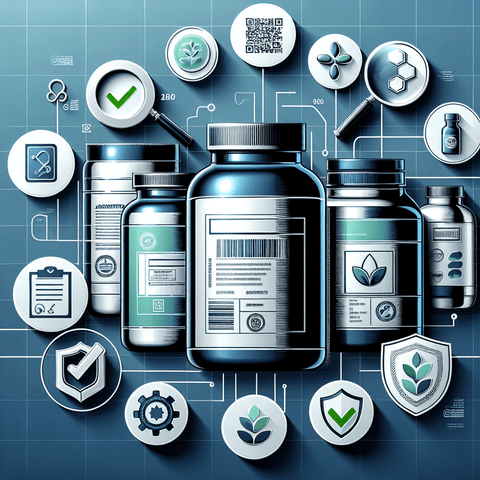
Gefälschte Nahrungsergänzungsmittel zu erkennen, dauert meist nur wenige Minuten: Prüfen Sie Verkäufer, Preis, Etikett, Chargennummer und Werbeaussagen. Keine einzelne Kontrolle bietet absolute Sicherheit, doch die Kombination aus einem verlässlichen Kaufkanal und einer sorgfältigen Etikettenprüfung kann das Risiko deutlich verringern.
Was ist Fälschungserkennung bei Nahrungsergänzungsmitteln?
Bei der Echtheitsprüfung geht es darum, festzustellen, ob ein Produkt tatsächlich den Angaben auf dem Etikett entspricht: mit den deklarierten Inhaltsstoffen und Mengen, ohne unerwünschte Zusätze, innerhalb der Haltbarkeit und mit einem verantwortlichen Hersteller. Dabei sind drei Arten von Problemen zu unterscheiden:
- Gefälschte Produkte (Plagiate) imitieren eine bekannte Marke. Ihr Inhalt kann stark variieren – von keinem oder zu wenig Wirkstoff bis hin zu verunreinigtem Material.
- Verfälschte Produkte enthalten nicht deklarierte Substanzen, etwa versteckte Stimulanzien oder anabole Wirkstoffe. Sie können ein besonders unmittelbares Gesundheitsrisiko darstellen.
- Minderwertige Produkte sind möglicherweise korrekt gekennzeichnet, verfehlen aber Qualitätsvorgaben, zum Beispiel durch Unterdosierung, Zersetzung oder Kontamination.
Häufige Methoden sind das Strecken eines Produkts, der Austausch von Inhaltsstoffen, die Anreicherung mit nicht deklarierten Wirkstoffen und das erneute Aufdrucken eines Haltbarkeitsdatums. Ein Plagiat ist nicht zwangsläufig schädlich, kann aber unwirksam sein oder unbekannte Inhaltsstoffe enthalten.
Warum die Fälschungserkennung für Ihre Gesundheit wichtig ist
Ein nicht originales oder verfälschtes Präparat kann vom fehlenden Wirkstoff bis zu nicht deklarierten, pharmakologisch aktiven Substanzen alles enthalten. Bei Kontrollen wurden unter anderem Abnehmprodukte vom Markt genommen, Produkte mit versteckten Stimulanzien oder anabolen Wirkstoffen sowie Nahrungsergänzungsmittel mit Verunreinigungen wie Schwermetallen oder Mikroben festgestellt.
Je nach Inhaltsstoff und persönlicher Situation können unerwünschte Wirkungen wie Herzrasen, Blutdruckschwankungen oder Magen-Darm-Beschwerden auftreten. Auch Wechselwirkungen mit verschreibungspflichtigen Medikamenten sind möglich. Wer Medikamente einnimmt, schwanger ist oder stillt, sollte die Auswahl von Präparaten mit einer Ärztin, einem Arzt oder einer Apotheke besprechen.
Auch ohne unmittelbare Beschwerden kann ein Produkt Geld kosten, ohne den erwarteten Nährstoff zu liefern. Ein Präparat mit fehlendem oder zu geringem Wirkstoff kann zudem falsche Sicherheit vermitteln, während eine tatsächliche Versorgungslücke unbemerkt bleibt.
Warnsignale gefälschter Nahrungsergänzungsmittel
Ein einzelnes auffälliges Merkmal beweist noch keine Fälschung. Achten Sie auf mehrere Hinweise zugleich – auf der Verpackung, beim Verkäufer und in der Produktwerbung.
- Beschädigte, fehlende oder nachträglich wieder befestigte Siegel und Schrumpffolien
- Verschwommener Druck, schief sitzende Etiketten oder deutlich abweichende Schriften und Farben
- Fehlende Chargennummern oder Haltbarkeitsdaten sowie Angaben, die neu aufgedruckt wirken
- Rechtschreibfehler, falsche Einheiten wie mg statt µg oder unvollständige Zutatenlisten
- Auffällig leichte Flaschen oder eine Stückzahl, die nicht mit der Deklaration übereinstimmt
Ein ungewöhnlich niedriger Preis ist vor allem zusammen mit weiteren Warnzeichen problematisch: etwa einem nicht überprüfbaren Händlerkonto, fehlender Geschäftsadresse oder unklaren Rückgabebedingungen. Krankheitsbezogene Heilversprechen, Garantien wie „100 % sicher“ oder klinische Behauptungen ohne nachvollziehbare Belege sollten ebenfalls misstrauisch machen. Solche Aussagen sind für seriöse Nahrungsergänzungsmittel kein Qualitätsnachweis und können auf unzulässige Werbung hindeuten.
Nach dem Öffnen können Verfärbungen, ranziger Geruch, Verklumpungen oder ein unerwarteter Geschmack Hinweise auf ein Problem sein. Sie beweisen jedoch keine Fälschung. Auch Heimtests wie das Auflösen in Wasser, ein Magnettest oder das Aufbrausen in Essig zeigen höchstens Eigenschaften der Rezeptur. Die Echtheit lässt sich damit nicht feststellen; dafür ist eine Laboranalyse maßgeblich.
Warum es Fälschungen gibt: Ursachen und Risikofaktoren
Ware kann über schwer nachvollziehbare Vertriebsketten in den Handel gelangen, etwa durch umgeleitete Bestände, weiterverkaufte Retouren, abgelaufene Chargen oder Dropshipping ohne ausreichende Herkunftsprüfung. Zu den häufig betroffenen Kategorien zählen Abnehmprodukte, Mittel für Muskelaufbau und Sport sowie beliebte Vitamine bekannter Marken. Fälscher orientieren sich oft an hoher Nachfrage und Produkten, bei denen Käufer schnelle, sichtbare Ergebnisse erwarten.
Mögliche Vertriebskanäle sind Drittanbieter auf Marktplätzen, Verkäufer in sozialen Medien und Nachahmer-Websites, deren Domain sich nur geringfügig von der echten Markenadresse unterscheidet. Bei solchen Angeboten ist die Herkunft oft schwieriger nachzuverfolgen. Auch ein professionell wirkender Auftritt allein bestätigt nicht, dass ein Produkt bis zum Hersteller zurückverfolgt werden kann.
Wie Sie echte Nahrungsergänzungsmittel auswählen: Original und Fälschung unterscheiden
Der wichtigste praktische Schritt ist die Wahl des Vertriebswegs: Kaufen Sie möglichst direkt beim Hersteller, bei einem auf dessen offizieller Händlerliste geführten Anbieter oder in einer lizenzierten Apotheke. Auf Marktplätzen sollten Sie prüfen, ob tatsächlich der offizielle Markenshop oder ein autorisierter Händler verkauft – nicht nur, ob die Plattform bekannt ist.
Vergleichen Sie vor der Bestellung den Namen des Verkäufers mit der autorisierten Händlerliste. Prüfen Sie die Schreibweise der Domain, eine nachvollziehbare Geschäftsadresse und funktionierende Kontaktdaten sowie Händlerhistorie, Bewertungen und Rückgabebedingungen. Ein Logo oder ein Gütesiegel allein reicht nicht aus: GMP, USP, NSF oder Informed Sport können Hinweise auf Standards oder Prüfungen geben, doch Logos lassen sich kopieren. Suchen Sie gegebenenfalls nach veröffentlichten Zertifikaten oder einer Bestätigung in der Datenbank des jeweiligen Zertifizierers.
Wenn die Marke Chargennummern, QR-Codes, Rubbelfelder oder Hologramme zur Prüfung nutzt, gehen Sie schrittweise vor:
- Suchen Sie die Chargennummer und das Haltbarkeitsdatum auf Flasche oder Faltschachtel.
- Prüfen Sie, ob das Produkt ein vorgesehenes Merkmal zur Echtheitsprüfung hat.
- Scannen oder rubbeln Sie den Code beziehungsweise geben Sie ihn ein – ausschließlich auf der offiziellen Website oder in der offiziellen App der Marke.
- Vergleichen Sie Produktname, Chargennummer und Haltbarkeitsdatum mit den angezeigten Angaben.
- Gibt es kein digitales Prüfsystem, wenden Sie sich mit Chargennummer und Kaufdaten an den Hersteller.
- Bewahren Sie einen Nachweis auf. Bei Abweichungen, einem nicht funktionierenden Link oder der Meldung „Code bereits verwendet“ sollten Sie das Produkt nicht verwenden und den Hersteller kontaktieren.
Plausibilisieren Sie auch Zusammensetzung und Mengen. Ungewöhnliche Dosierungen, Einheitenfehler oder Mengen, die etablierte obere Zufuhrmengen deutlich überschreiten, verdienen besondere Aufmerksamkeit. Ebenso sollte die angegebene Nährstoffform zur Beschreibung des Produkts passen. Bei Unsicherheit kann eine Apotheke oder medizinische Fachperson helfen, die Angaben einzuordnen.
Wie Sie ein Etikett lesen wie ein Echtheitsexperte
Ein aussagekräftiges Etikett nennt die Zutaten einschließlich ihrer Formen, die Mengen pro Portion und eine klar definierte Portionsgröße. Es sollte außerdem Allergene, Zusatz- und Hilfsstoffe, Nettofüllmenge, Herstellername und -anschrift sowie eine lesbare Chargennummer und ein Haltbarkeitsdatum ausweisen. Welche Angaben erforderlich sind, kann je nach Markt und Produkt variieren.
Vorsicht ist angebracht, wenn eine sogenannte proprietäre Mischung nur ein Gesamtgewicht nennt und die einzelnen Mengen verborgen bleiben. Auch fehlende Einheiten, Portionsgrößen, Chargennummern oder Herstellerkontaktdaten erschweren eine sinnvolle Prüfung. Ungewöhnlich hohe Mengen im Vergleich zu etablierten oberen Zufuhrmengen sind ein weiterer Grund, die Angaben kritisch zu hinterfragen.
- Druck und Verarbeitung: klarer, sauber ausgerichteter Aufdruck statt verschwommener Tinte und nicht zusammenpassender Schriften
- Rückverfolgbarkeit: nachvollziehbare Chargennummer und funktionierendes Prüfsystem statt fehlender oder nachträglich aufgebrachter Angaben
- Preis: plausibel im Vergleich zu autorisierten Händlern statt drastisch niedriger als alle vergleichbaren Angebote
- Etikettierung: vollständige Mengenangaben und sachliche Aussagen statt undurchsichtiger Mischungen und Krankheits-Heilversprechen
- Verantwortlichkeit: namentlich genannter, erreichbarer Hersteller statt eines nicht überprüfbaren Anbieters
Wer bei gefälschten Nahrungsergänzungsmitteln besonders vorsichtig sein sollte
Wer online oder über Marktplätze kauft, sollte Verkäufer und Lieferung besonders sorgfältig prüfen. Lagerung und Versand über mehrere Anbieter können die Herkunft unübersichtlich machen. Bevorzugen Sie den offiziellen Markenshop oder gelistete Händler und kontrollieren Sie Siegel, Etikett und Chargendaten bei Erhalt.
Bei Abnehm-, Muskelaufbau- und Energieprodukten ist besondere Aufmerksamkeit sinnvoll, da diese Kategorien in dokumentierten Verfälschungsfällen häufig vorkommen. Wer für Kinder, während einer Schwangerschaft oder Stillzeit oder bei einer chronischen Erkrankung ein Präparat auswählt, sollte zusätzlich fachlichen Rat einholen. Dosierung, individuelle Situation und mögliche Wechselwirkungen mit Medikamenten können die Auswahl beeinflussen.
Wenn Sie vermuten, ein gefälschtes Präparat eingenommen zu haben
Beenden Sie die Einnahme zunächst und bewahren Sie Flasche, Verpackung, Kassenbon sowie Screenshots des Angebots auf. Notieren Sie, wann Sie das Präparat eingenommen haben und welche Beschwerden gegebenenfalls aufgetreten sind. Wenden Sie sich an eine Apotheke, eine Ärztin oder einen Arzt, um die Situation besprechen zu können.
Nicht jedes verdächtige Produkt führt zu Beschwerden. Versteckte Wirkstoffe oder Verunreinigungen können jedoch beispielsweise Herzrasen, Schlaflosigkeit, Blutdruckschwankungen, Magen-Darm-Beschwerden oder Wechselwirkungen mit Medikamenten verursachen. Bei schweren Symptomen wie Brustschmerzen, Atemnot oder Ohnmacht sollten Sie sofort medizinische Hilfe in Anspruch nehmen.
Melden Sie den Verdacht der zuständigen nationalen Behörde, dem Markenhersteller und der Verkaufsplattform. Welche Behörde zuständig ist, hängt vom Land und vom Produkt ab; in Europa können Sie sich an die zuständige nationale Lebensmittel- oder Arzneimittelbehörde wenden.
Schnelle Prüfungen der Echtheit: Ihre Entscheidungs-Checkliste
Bevor Sie bestellen, nehmen Sie sich kurz Zeit für diese Fragen:
- Ist der Verkäufer autorisiert – etwa der Hersteller selbst, ein gelisteter Händler oder der offizielle Shop auf einem Marktplatz?
- Ist der Preis im Vergleich zu autorisierten Händlern plausibel?
- Sind die Produktbilder unverändert und Angaben zu Charge oder Haltbarkeit nachvollziehbar?
- Bleiben die Werbeaussagen sachlich und innerhalb der zulässigen nährstoff- und funktionsbezogenen Formulierungen?
- Sind Inhaltsstoffe, Mengen, Einheiten und Formen vollständig und plausibel?
Bei der Lieferung prüfen Sie, ob das Siegel unversehrt ist, die Chargennummer zum Produkt passt und Aussehen, Geruch sowie Stückzahl oder Gewicht der Deklaration entsprechen. Solche Kontrollen können Auffälligkeiten zeigen, aber keine Echtheit garantieren; eine Laboranalyse ist für eine definitive Prüfung erforderlich. Fragen Sie sich außerdem, ob Sie das Präparat tatsächlich benötigen: Ein nicht benötigtes Produkt gar nicht zu kaufen, ist der einfachste Schutz vor möglichen Fälschungen.
Häufig gestellte Fragen
Wie erkenne ich vor dem Öffnen, ob ein Nahrungsergänzungsmittel gefälscht ist?
Prüfen Sie vor allem vier Punkte: Verkäufer, Preis, Etikett und Werbeaussagen. Ein autorisierter Händler, ein plausibler Preis und ein vollständiges, sauber gedrucktes Etikett sind gute Hinweise, aber keine Garantie.
Beweisen QR-Codes und Rubbelfelder, dass ein Präparat echt ist?
Sie können nützliche Hinweise liefern, sind aber kein absoluter Beweis. Prüfen Sie den Code ausschließlich über die offizielle Website oder App der Marke und vergleichen Sie die angezeigten Produkt- und Chargendaten mit Ihrer Packung.
Worin unterscheiden sich gefälschte, verfälschte und minderwertige Nahrungsergänzungsmittel?
Gefälschte Produkte imitieren eine Marke, verfälschte Produkte enthalten nicht deklarierte Substanzen und minderwertige Produkte verfehlen Qualitätsvorgaben, etwa durch Unterdosierung oder Kontamination. Die möglichen Risiken unterscheiden sich je nach Produkt und Inhalt.
Erkennen virale Heimtests tatsächlich Fälschungen?
Nein. Tests mit Wasser, Magneten oder Essig können die Echtheit nicht bestätigen. Sie zeigen höchstens, wie sich eine Rezeptur verhält; für eine definitive Prüfung ist eine Laboranalyse erforderlich.
Sind Nahrungsergänzungsmittel von Online-Marktplätzen sicher zu kaufen?
Das hängt vom Verkäufer ab. Bevorzugen Sie den offiziellen Markenshop oder einen Händler, den die Marke als autorisiert aufführt, und prüfen Sie die Lieferung bei Erhalt.
Was ist eine Chargennummer und warum ist sie wichtig?
Die Chargennummer identifiziert eine bestimmte Produktionscharge. Sie hilft dabei, ein Produkt zurückzuverfolgen, etwa bei einer Rückrufaktion oder einer Anfrage zur Echtheitsprüfung beim Hersteller.
Was bedeutet GMP auf einem Etikett?
GMP steht für „Good Manufacturing Practice“, auf Deutsch gute Herstellungspraxis, und bezeichnet ein System von Anforderungen an Herstellungsprozesse. Ein aufgedrucktes Logo allein belegt nicht, dass ein Produkt zertifiziert ist; prüfen Sie entsprechende Nachweise beim Hersteller oder Zertifizierer.
Ist es sicher, ein Präparat mit beschädigtem Siegel zu verwenden?
Ein beschädigtes oder fehlendes Siegel kann auf Manipulation hindeuten. Verwenden Sie das Präparat nicht, bis der Hersteller oder die Verkaufsstelle den Verdacht geklärt hat.
Was tun bei Verdacht auf ein gefälschtes Präparat?
Setzen Sie die Einnahme aus, bewahren Sie Produkt, Verpackung und Kaufbeleg auf und wenden Sie sich an eine Apotheke, Ärztin oder einen Arzt. Melden Sie den Verdacht außerdem der Marke, der Verkaufsplattform und der zuständigen Behörde.
Wo melde ich verdächtige Fälschungen?
Melden Sie den Vorfall der zuständigen nationalen Lebensmittel- oder Arzneimittelbehörde, dem Markenhersteller und der Plattform, auf der Sie das Produkt gefunden oder gekauft haben. Die passende Behörde richtet sich nach Ihrem Land und der Produktart.
Sind günstigere Nahrungsergänzungsmittel immer gefälscht?
Nein. Ein niedriger Preis allein beweist keine Fälschung. Vorsicht ist besonders angebracht, wenn ein drastischer Rabatt mit einem nicht autorisierten Verkäufer und fehlender Rückverfolgbarkeit zusammenkommt.
Das Fazit: Fälschungserkennung als Teil eines klügeren Einkaufs
Ein verlässlicher Kauf beginnt mit einem autorisierten Vertriebskanal. Lesen Sie Etiketten kritisch, prüfen Sie Chargennummern und Codes ausschließlich über offizielle Markenkanäle und bleiben Sie bei Wunderversprechen oder auffällig niedrigen Preisen skeptisch. Da der Nährstoffbedarf individuell ist, sollte eine sinnvolle Auswahl bei der Ernährung ansetzen und sich bei Bedarf an Tests oder fachlicher Beratung orientieren. Bei einem Fälschungsverdacht gilt: Einnahme stoppen, Verpackung aufbewahren, Rat einholen und den Vorfall melden.