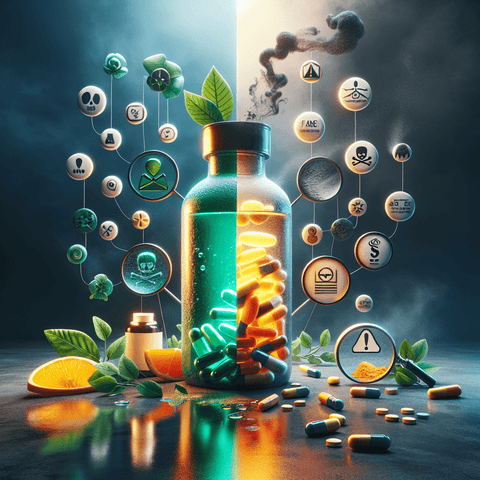
enthüllt: Die Wahrheit hinter gefälschten Nahrungsergänzungsmittelbewertungen und wie man sie erkennt


Wenn Sie jemals Online-Marktplätze oder soziale Feeds nach Produktempfehlungen durchsucht haben, haben Sie wahrscheinlich Behauptungen gesehen, die zu schön erscheinen, um wahr zu sein. Diese Seite handelt von Exposed: Der Wahrheit Hinter Gefälschten Supplement-Bewertungen und wie man sie erkennt – das Aufdecken von Warnsignalen, Taktiken und praktischen Tipps zur Überprüfung von Behauptungen, um heute klügere Entscheidungen zu treffen. Wir konzentrieren uns darauf, Anzeichen von unechten Feedbacks zu identifizieren und die Methoden zu verstehen, die verwendet werden, um Täuschungsnarrative zu verbreiten, damit Sie jede Bewertung kritisch betrachten können. Warnsignale bei gefälschten Supplement-Bewertungen sind unter anderem Kürze ohne Substanz, allgemeine Sprache und ein plötzlicher Anstieg positiver Beiträge in kurzer Zeit. Achten Sie auf identische Formulierungen in mehreren Bewertungen oder Bewertungen, die keine Details zu echten Erfahrungen enthalten. Seien Sie vorsichtig bei Bewertungen von neu erstellten Konten oder Profilen mit minimaler anderer Aktivität. Verdächtige Bewertungsmuster, wie eine Ansammlung von fünf-Sterne-Kommentaren, die alle das Produkt in übertriebenen Begriffen loben, oder Bewertungen, die eine Kaufangabe vermissen lassen, sind häufig Anzeichen für unechte Inhalte. Die Taktiken, die verwendet werden, um gefälschte Supplement-Bewertungen zu verbreiten, reichen von bezahlten Empfehlungen und Affiliate-Links bis hin zu versteckten Methoden wie Bewertungsfarmen, ghostgeschriebenen Testimonials und Influencer-Marketing, das als normale Verbrauchermeinung getarnt ist. Einige Quellen verwenden Stock-Bbilder oder erfundene Namen, während andere die Erzählung durch koordinierte Netzwerke vorantreiben, die Rankings und Sichtbarkeit manipulieren. Die Überprüfung der Glaubwürdigkeit dieser Behauptungen erfordert oft die Suche nach unabhängiger Bestätigung, wie Bewertungen von Dritten oder dokumentierten Beweisen, anstatt Werbeclaims. Praktische Tipps zur Überprüfung von Behauptungen und um klügere Entscheidungen zu treffen beginnen mit einem skeptischen Ansatz und einer einfachen Checkliste. Überprüfen Sie die Profile der Bewerter auf Konsistenz und Kaufbestätigung und suchen Sie nach den zitierten Phrasen, um zu sehen, ob sie auf vielen Seiten erscheinen oder nur auf einer einzigen, bereinigten Quelle. Nutzen Sie eine Umkehrbildsuche bei Fotos und achten Sie auf Anzeichen von Stock-Visuals. Vergleichen Sie, was Sie lesen, mit unabhängigen Quellen oder Verbraucherschutzressourcen, und scheuen Sie sich nicht, den Verkäufer um Klarstellungen oder Beweise zu bitten. Indem Sie eine Gewohnheit der Überprüfung anstelle von Impuls entwickeln, können Sie das Terrain der gefälschten Supplement-Bewertungen mit größerem Vertrauen navigieren.


What are the warning signs of a supplement scam you should never ignore - Topvitamine
August 29, 2025
Nahrungsergänzungsmittel-Betrug lässt sich oft an übertriebenen Versprechen, gefälschten Bewertungen, unklaren Etiketten und unseriösen Verkaufsseiten erkennen. Dieser Leitfaden zeigt, wie Sie eine Website prüfen, Händler auf Marktplätzen beurteilen und mögliche Fälschungen sicher melden. Außerdem erfahren Sie, warum schnelle Abnehmversprechen besonders kritisch sind und welche Informationen auf Verpackung und Produktseite vor dem Kauf nicht fehlen sollten.

The internet is saturated with reviews for vitamins, minerals, and other dietary supplements. While many reviews are written by genuine customers, a significant number are fake. Understanding how to spot fake supplement reviews is an essential skill for anyone shopping for health products online. This page serves as a guide to help you identify inauthentic feedback, understand the tactics behind it, and build a solid approach to verifying supplement claims.

What Are Fake Supplement Reviews?

Fake supplement reviews are pieces of written feedback that are not from genuine purchasers or users of the product. They can range from entirely fabricated positive endorsements to negative reviews posted by competitors to damage a brand's reputation. These reviews can be mass-produced, ghostwritten, or generated through automated means to inflate ratings and visibility, creating a distorted picture of a product's overall quality and user satisfaction.

The motivations for posting fake reviews are often commercial. Brands or marketing agencies may use them to create a halo of popularity around a new product launch or to counteract negative press. On marketplaces like Amazon, where reviews are a primary trust signal, the impact can be particularly significant, as many consumers rely on an average star rating to make a quick purchase decision.

Red Flags to Watch For in Supplement Reviews

Being able to quickly identify potential red flags in supplement reviews is a crucial first step. While a single indicator may not be conclusive, seeing several together can be a strong signal of inauthentic content. Here are some common patterns to look for:

  • Brevity without substance: Reviews that contain short, generic praise like “great product” or “works perfectly” without providing specific details about the product’s taste, texture, effects, or how it was used.
  • A sudden surge of positive posts: A product with a handful of reviews suddenly receives dozens of five-star ratings over a short period, often with no accompanying increase in neutral or negative reviews.
  • Suspicious reviewer accounts: Reviews left by profiles with minimal activity, newly created accounts, or usernames that look generic or generated. These accounts may also post similar reviews across multiple unrelated products.
  • Identical or highly similar phrasing: Multiple reviews that use the same sentences, phrases, or spelling errors. This is a strong indicator of ghostwritten content or a coordinated review farm.
  • Lack of verified purchase: Reviews that do not display a “Verified Purchase” badge on platforms that offer this feature. While not definitive, its absence is a notable red flag for a product that relies on social proof.
  • Overly enthusiastic language: Reviews that use dramatic superlatives like “life-changing” or “miracle cure”, especially for general wellness products, often read as inauthentic marketing copy rather than a balanced user experience.

Common Tactics Used to Manufacture Fake Reviews

Fake reviews are produced through a variety of methods, some more sophisticated than others. Recognizing the common tactics used to spread them can help you understand the scale of the problem and why they can be so persuasive.

  • Paid endorsements: Individuals or agencies are paid by a brand to leave positive reviews on a product page, often without disclosing their relationship with the company.
  • Review farms: Operations that employ people in large numbers to write and post reviews for various products, often following a template provided by the client.
  • Influencer marketing without disclosure: Influencers or social media figures promote a product as if it were an independent personal recommendation when they are actually being paid by the supplement company.
  • Taking over consumer protection resources: Obscuring or drowning out legitimate complaints by flooding review channels with positive noise, making it difficult for consumers to find reliable negative feedback.

These tactics can make even a mediocre product appear popular and well-regarded. By understanding that such coordinated efforts exist, you are already in a better position to evaluate the feedback you see.

How to Verify Supplement Claims Practically

Verifying supplement claims requires moving beyond the review section and adopting a systematic approach to research. The following practical steps can help you make more informed decisions:

  1. Cross-reference reviews with independent sources: Use search engines to look for the product name along with words like “review” or “side effects”. This can help you find discussions outside of the retailer's platform where users may provide more honest feedback.
  2. Search for exact phrases from reviews: Copy a suspiciously generic phrase from a review and paste it into a search engine. If the same wording appears on multiple different product pages, it is likely part of a templated review.
  3. Use reverse image search: Right-click on images uploaded with a review and use Google Images of TinEye to see if they are stock photos or have been used in other reviews on unrelated sites.
  4. Analyze the reviewer’s profile: On platforms that allow it, review the reviewer's profile. Look for consistency in their review history and whether they seem to have a genuine interest in the product category.
  5. Check for third-party testing: Look for brands that partner with independent testing organizations. Third-party verification can offer reassurance that the product contains what the label claims, and that it doesn't contain contaminants.

The Role of Trustworthy Sources and Independent Data

Ultimately, the most effective way to navigate the prevalence of fake supplement reviews is to rely on a combination of critical thinking and information from trustworthy sources. This includes established health institutions, regulatory bodies, and those independent testing organizations mentioned above. It also means developing a healthy skepticism of information, even if it comes with a high rating. Always consult your healthcare provider before starting any new supplement, as professional advice is tailored to your individual health profile and needs.

While reviews can be a helpful tool for gauging user satisfaction, they are not a substitute for scientific evidence or professional medical guidance. A product's popularity in reviews is not a marker of its safety or efficacy. When exploring supplement options, it can be helpful to consult a trusted range of products, such as those from our healthy origins supplements collection, and to prioritize evidence-based information when making a final choice.

Making Smarter Supplement Choices

Being an informed consumer is the most powerful defense against misleading information. By learning to identify the signs of fake supplement reviews and understanding the tactics used to spread them, you can filter out the noise and focus on the signal. While reviews can be part of your research, they should not be the sole basis for your decisions. Combine them with a thorough review of the product's ingredient profile, a consideration of registered claims, and advice from qualified health professionals. This ecosystem of information will guide you toward products that align with your wellness goals and are transparent about what they contain, such as those found in our Nature’s Plus supplements range. In a marketplace full of exaggerated claims, a critical eye is your most valuable tool.

To learn more about specific ingredients and how to evaluate supplements, explore our guides on multivitamin ingredients, usage, and safety.