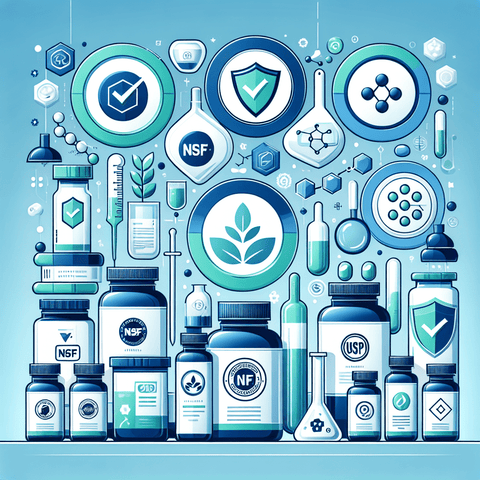
Bei Nahrungsergänzungsmitteln und ihren Zutaten ist die FDA-Verifizierung kein Gütesiegel und keine Arzneimittelzulassung. Der Begriff beschreibt vielmehr Verfahren und Nachweise, mit denen Unternehmen die Einhaltung geltender Anforderungen prüfen und dokumentieren, etwa zu Herstellungsprozessen, Identität, Reinheit, Gehalt, Zusammensetzung und Kennzeichnung. Die FDA genehmigt Nahrungsergänzungsmittel grundsätzlich nicht vor ihrem Verkauf. Hier erfahren Sie, wie sich Konformität prüfen, belegen und für Inspektionen dokumentieren lässt.
FDA-Verifizierung versus FDA-Zulassung: der entscheidende Unterschied
Nahrungsergänzungsmittel unterliegen in den USA grundsätzlich keiner Vorabzulassung durch die FDA wie Arzneimittel. Für ihre Sicherheit, die Einhaltung der geltenden Vorschriften und eine wahrheitsgemäße Kennzeichnung ist in erster Linie der Hersteller verantwortlich. Eine FDA-Verifizierung ist kein einheitlicher offizieller Zulassungsstatus, sondern bezieht sich auf den Nachweis, dass relevante Anforderungen durch Prozesse, Prüfungen und Unterlagen eingehalten werden.
Auch die Begriffe „FDA-certified“ oder „FDA-Zertifikat“ können missverständlich sein: Für Nahrungsergänzungsmittel gibt es kein allgemeines FDA-Gütesiegel. Eine Betriebsregistrierung bei der FDA ist keine Produktzulassung und bedeutet nicht, dass die Behörde ein Produkt geprüft oder empfohlen hat. Konformität wird vielmehr anhand der jeweils geltenden Anforderungen und geeigneter Dokumentation belegt. Dabei geht es unter anderem um Identität, Reinheit, Gehalt, Zusammensetzung und Kennzeichnung – nicht um den Nachweis einer therapeutischen Wirksamkeit.
- FDA-Verifizierung: Nachweis der Konformität durch geeignete Prozesse, Prüfungen und Dokumentation
- FDA-Zulassung: behördliche Marktzulassung für Arzneimittel; nicht mit dem Status eines Nahrungsergänzungsmittels gleichzusetzen
- FDA-Registrierung: Eintragung einer Produktionsstätte, keine Produktzulassung oder Empfehlung
- cGMP-Konformität: Einhaltung der anwendbaren Good Manufacturing Practices bei der Herstellung
Welche FDA- und ISO-Anforderungen die Rückverfolgbarkeit bestimmen
Rückverfolgbarkeit bedeutet, den Weg eines Produkts von den Zutaten über Herstellung und Prüfung bis zum Vertrieb nachvollziehen zu können. Dafür sind unter anderem Chargenkennzeichnungen, Aufzeichnungen zu Herstellungsprozessen und dokumentierte Prüfergebnisse wichtig. Sie helfen Unternehmen, die Qualitätssicherung nachvollziehbar zu gestalten und Unterlagen für eine FDA-Inspektion oder ein Audit geordnet bereitzuhalten.
Welche Vorschriften gelten, hängt von der Produktkategorie ab. 21 CFR Part 820 und ISO 13485 betreffen vor allem Qualitätsmanagement und Dokumentation im Bereich der Medizinprodukte. Sie sind nicht pauschal als Anforderungen an Nahrungsergänzungsmittel zu verstehen. Für Supplements sind die jeweils einschlägigen Vorschriften maßgeblich; gute Dokumentations- und Rückverfolgbarkeitspraktiken können unabhängig davon die Qualitätssicherung unterstützen.
- Registrierung der Produktionsstätte, soweit anwendbar
- Einhaltung der anwendbaren Good Manufacturing Practices (cGMP)
- Chargenrückverfolgbarkeit entlang der Lieferkette
- Dokumentation von Herstellungsprozessen und Prüfungen
- Transparente und wahrheitsgemäße Kennzeichnung
- Gegebenenfalls Analysezertifikate und Prüfungen unabhängiger Dritter
Die Rolle von 21 CFR Part 820
21 CFR Part 820 beschreibt Anforderungen an Qualitätssysteme für Medizinprodukte, darunter Vorgaben zur Dokumentation und zu kontrollierten Prozessen. Solche Grundsätze können als Orientierung für ein strukturiertes Qualitätsmanagement dienen. Daraus folgt jedoch nicht, dass Nahrungsergänzungsmittel unmittelbar unter diesen Regelungsteil fallen.
Die Rolle von ISO 13485
ISO 13485 ist ein internationaler Qualitätsmanagementstandard für Medizinprodukte. Unternehmen in medizinnahen Bereichen können den Standard zusammen mit einschlägigen FDA-Anforderungen nutzen, wobei die jeweiligen Vorgaben voneinander zu unterscheiden sind. Für Nahrungsergänzungsmittel ist ISO 13485 nicht pauschal gesetzlich vorgeschrieben; eine Anwendung kann Teil einer freiwilligen Qualitätsstrategie sein.
Rückverfolgbarkeitsmatrix aufbauen: Schritt für Schritt
Eine Rückverfolgbarkeitsmatrix verknüpft Anforderungen mit den dafür vorgesehenen Prüfungen, Ergebnissen und Nachweisen. In formellen Qualitätssystemen kann sie auch Designelemente abbilden. Für Nahrungsergänzungsmittel lässt sich dieses Prinzip auf relevante Qualitätsanforderungen und Herstellungsprüfungen übertragen – auch wenn nicht dieselben formellen Designkontrollen gelten.
Sammeln Sie zunächst die geltenden Anforderungen und die eigenen Qualitätsstandards. Formulieren Sie jeden Punkt so eindeutig, dass sich prüfen lässt, ob er erfüllt wurde. Ordnen Sie ihm passende Prüfschritte zu und dokumentieren Sie anschließend Ergebnisse, Zuständigkeiten und Status. Fehlende Verknüpfungen zeigen, wo Nachweise ergänzt werden sollten. Bei Änderungen an Prozessen oder Anforderungen muss die Matrix überprüft und aktualisiert werden.
- Schritt 1: Regulatorische Anforderungen und interne Qualitätsstandards sammeln
- Schritt 2: Anforderungen eindeutig beschreiben und nummerieren
- Schritt 3: Für jede Anforderung passende Tests oder Prüfschritte festlegen
- Schritt 4: Ergebnisse, Verantwortliche und Bearbeitungsstatus dokumentieren
- Schritt 5: Die Matrix bei Änderungen prüfen und aktualisieren
- Schritt 6: Rückverfolgbarkeitslücken erkennen und fehlende Nachweise ergänzen
Beispiel einer Rückverfolgbarkeitsmatrix
Eine vereinfachte Zeile könnte die Spalten „Anforderungsnummer“, „Anforderung“, „zugeordneter Prüfschritt“, „erwartetes Ergebnis“ und „Status“ enthalten. Für eine Anforderung zur Einhaltung eines cGMP-relevanten Herstellungsprozesses könnten beispielsweise mehrere Prüfschritte dokumentiert werden: eine Prüfung der Verfahrensunterlagen, eine Kontrolle der Chargendokumentation und die Erfassung der jeweiligen Ergebnisse. Das Beispiel dient der Veranschaulichung und ersetzt keine auf den Betrieb zugeschnittene Vorlage oder regulatorische Prüfung.
Werkzeuge und praktische Tipps für die Rückverfolgbarkeit
Testmanagement- und Qualitätsmanagement-Tools können dabei helfen, Anforderungen, Prüfschritte und Ergebnisse miteinander zu verknüpfen. Digitale Systeme ermöglichen oft eine zentrale Ablage und erleichtern es, Änderungen und Zuständigkeiten nachzuvollziehen. Für kleinere Betriebe kann auch eine sorgfältig gepflegte Tabelle ausreichen; entscheidend ist, dass Informationen vollständig, aktuell und auffindbar bleiben.
Benennen und versionieren Sie Dokumente einheitlich und archivieren Sie Nachweise so, dass sie den jeweiligen Prozessen und Chargen zugeordnet werden können. Regelmäßige interne Überprüfungen und eine klare Zuständigkeit für die Pflege der Unterlagen erleichtern die Vorbereitung auf Audits und Inspektionen.
- Konformitätsunterlagen zentral und mit nachvollziehbaren Versionen ablegen
- Einheitliche Benennung für Dokumente, Chargen und Versionen verwenden
- Anforderungen systematisch mit Tests und Ergebnissen verknüpfen
- Unterlagen regelmäßig intern überprüfen und aktualisieren
- Aussagekräftige Nachweise für relevante Prozesse bereithalten
- Verantwortliche im Umgang mit der Dokumentation schulen
Häufige Fragen zur FDA-Verifizierung
Was bedeutet FDA-Konformität? Sie bedeutet, dass die jeweils geltenden Anforderungen eingehalten werden. Je nach Produkt und Vorschrift können dazu beispielsweise Betriebsregistrierung, anwendbare cGMP-Anforderungen und eine regelkonforme Kennzeichnung gehören. Die konkreten Pflichten hängen von der Produktkategorie ab.
Was ist ein FDA-Zertifikat? Ein allgemeines FDA-Gütesiegel für Nahrungsergänzungsmittel gibt es nicht. Unternehmen können Konformität anhand geeigneter Unterlagen belegen, etwa durch Dokumente zur Betriebsregistrierung oder Analysezertifikate. Diese Nachweise sind nicht automatisch eine FDA-Zulassung.
Was bedeutet „FDA-approved“ bei Nahrungsergänzungsmitteln? Die FDA genehmigt Supplements grundsätzlich nicht vor dem Verkauf wie Arzneimittel. Die Bezeichnung kann daher irreführend sein, wenn sie eine behördliche Vorabzulassung des Produkts nahelegt.
Wie oft müssen Medizinprodukte auf ihre Funktionsfähigkeit geprüft werden? Dafür gibt es keine pauschale Antwort: Prüfanforderungen und -intervalle hängen unter anderem von der Produktart und den geltenden Anforderungen ab. Sie sollten anhand der jeweils zutreffenden Vorgaben festgelegt und dokumentiert werden.
Konformität für Verbraucher erkennen: Worauf Sie achten können
Bei Nahrungsergänzungsmitteln verschiedener Kategorien können transparente Herstellerinformationen, nachvollziehbare Chargenangaben und klare, wahrheitsgemäße Kennzeichnungen Hinweise auf eine sorgfältige Qualitätssicherung geben. Fragen Sie bei Bedarf nach Informationen zu Herstellungsbedingungen, Chargenprüfungen oder Analysezertifikaten. Prüfungen unabhängiger Dritter können zusätzliche Informationen liefern, sind aber kein allgemeines FDA-Gütesiegel.
- Ist die Produktionsstätte bei der FDA registriert, soweit eine Registrierung vorgeschrieben ist?
- Informiert der Hersteller über die Einhaltung der anwendbaren cGMP-Anforderungen?
- Ist die Kennzeichnung transparent und wahrheitsgemäß?
- Gibt es nachvollziehbare Angaben zu Chargen und Prüfungen?
- Sind Informationen zum Hersteller leicht zugänglich?
- Werden Analysezertifikate oder Prüfungen unabhängiger Dritter erläutert?
Solche Hinweise können die Einschätzung der dokumentierten Qualitätssicherung unterstützen, garantieren aber weder die individuelle Eignung eines Produkts noch eine bestimmte Wirkung. Wenn Sie Medikamente einnehmen oder gesundheitliche Beeinträchtigungen haben, lassen Sie sich vor der Verwendung von Nahrungsergänzungsmitteln von einer qualifizierten Fachperson beraten.