
{"" : ""}
Nahrungsergänzungsmittel in Lebensmittelqualität: Sichere, hochwertige Wahlmöglichkeiten
August 27, 2025
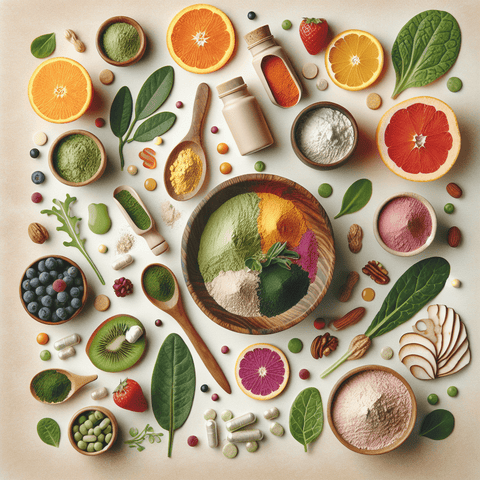
Pulverförmige Nahrungsergänzungsmittel lassen sich praktisch in Getränke, Joghurt oder andere Speisen einrühren. Ob das sinnvoll und sicher ist, hängt jedoch vom konkreten Nährstoff, der Dosierung, der Zubereitung und möglichen Wechselwirkungen ab. Dieser Ratgeber erklärt, worauf Sie bei Vitamin- und Mineralstoffpulvern achten sollten, warum Pulver nicht automatisch besser als Tabletten sind und wie Sie eine passende Ergänzung auswählen.
{
"content": "
Nahrungsergänzungsmittel in Lebensmittelqualität sind diätetische Produkte, deren Inhaltsstoffe Sicherheits- und Reinheitsstandards erfüllen, die für den menschlichen Verzehr geeignet sind. Da die Qualität zwischen den Herstellern stark variiert, hilft es Ihnen zu verstehen, was „Lebensmittelqualität\" tatsächlich bedeutet – und wie sie mit Herstellung, Testung und Kennzeichnung zusammenhängt –, um gut hergestellte Produkte von schlecht formulierten zu unterscheiden. Dieser Leitfaden erklärt, was Nahrungsergänzungsmittel in Lebensmittelqualität sind, warum Qualität und Reinheit wichtig sind, wann die Nahrungsaufnahme möglicherweise nicht ausreicht und wie Sie Etiketten lesen, Formen vergleichen und Dosierungen an den tatsächlichen Bedarf anpassen. Sie erfahren außerdem, wo die Supplementierung neben einer nährstoffreichen Ernährung ihren Platz hat und wann eine professionelle Beurteilung ein klügerer erster Schritt ist als Rätselraten.
\n\n
Was sind Nahrungsergänzungsmittel in Lebensmittelqualität? Definition und Bedeutung
\n\n
Nahrungsergänzungsmittel in Lebensmittelqualität sind Produkte, deren Wirkstoffe – Vitamine, Mineralstoffe, Pflanzenextrakte und Hilfsstoffe – nach Lebensmittelsicherheitsstandards hergestellt und gehandhabt werden, die für den menschlichen Verzehr bestimmt sind. In der Praxis bedeutet dies, dass Rohstoffe definierte Grenzwerte für Kontaminanten einhalten und Fertigprodukte unter kontrollierten Bedingungen hergestellt, gelagert und transportiert werden. Der Begriff beschreibt die Eignung für Menschen, nicht eine Garantie für überlegene Potenz oder klinische Wirkung.
\n\n
Wie sich „Lebensmittelqualität\" von pharmazeutischer Qualität und Futterqualität unterscheidet
\n\n
Pharmazeutische Qualität bezieht sich auf Substanzen, die nach strengeren Reinheitsspezifikationen hergestellt werden, oft über 99 %, mit umfangreicher Chargendokumentation – der Standard, der für Arzneimittel gilt. Futterqualität beschreibt Materialien, die für die Tierernährung hergestellt werden, wo die Verunreinigungsgrenzwerte niedriger sind. Wichtig ist, dass „pharmazeutische Qualität\" weitgehend ein Branchenbegriff und keine offizielle regulatorische Kategorie für Nahrungsergänzungsmittel ist, sodass ein Nahrungsergänzungsmittel in Lebensmittelqualität, das unter ordnungsgemäßen Qualitätssystemen hergestellt wird, dennoch ein ausgezeichnetes Produkt sein kann.
\n\n
Was Herstellungsstandards für Lebensmittelqualität in der Praxis bedeuten
\n\n
In der Praxis bedeutet Herstellung in Lebensmittelqualität gute Herstellungspraxis (GMP): Identitätstestung eingehender Rohstoffe, kalibrierte Geräte, dokumentierte Chargenaufzeichnungen, Hygienekontrollen, Vermeidung von Allergen-Kreuzkontamination und vollständige Rückverfolgbarkeit. Diese Systeme reduzieren das Risiko von Unterdosierung, Kontamination und Verwechslungen – Probleme, die unabhängige Laboruntersuchungen im weiteren Nahrungsergänzungsmittelmarkt wiederholt dokumentiert haben.
\n\n
Sind Nahrungsergänzungsmittel in Lebensmittelqualität reguliert? Was Sie wissen sollten
\n\n
Nahrungsergänzungsmittel werden in den meisten Rechtsordnungen, einschließlich der Europäischen Union und der Vereinigten Staaten, als Lebensmittelkategorie reguliert. Hersteller sind für Sicherheit und Etikettengenauigkeit verantwortlich, und Produkte durchlaufen keine Vorabgenehmigung für Wirksamkeit wie Arzneimittel. Die Regulierung setzt eine Baseline statt einer Garantie, weshalb unabhängige Tests und transparente Herstellung beim Vergleich von Marken wichtig sind.
\n\n
Warum Qualität und Reinheit von Nahrungsergänzungsmitteln für Ihre Gesundheit wichtig sind
\n\n
Wie minderwertige Nahrungsergänzungsmittel die Nährstoffversorgung untergraben können
\n\n
Ein Produkt, das weniger Wirkstoff als angegeben enthält, eine schlecht absorbierbare Form verwendet oder während der Lagerung abgebaut wird, liefert weniger Unterstützung, als Sie bezahlen. Die übliche Konsequenz ist nicht unmittelbarer Schaden, sondern verschwendetes Geld und ein falsches Sicherheitsgefühl – ein echtes Anliegen für Menschen, die sich auf Nahrungsergänzungsmittel verlassen, um eine tatsächliche Ernährungslücke zu schließen.
\n\n
Der Zusammenhang zwischen Inhaltsstoffqualität, Absorption und Wirksamkeit
\n\n
Die Qualität beeinflusst direkt die Bioverfügbarkeit – wie viel eines Nährstoffs den Blutkreislauf erreicht. Mineralsalze unterscheiden sich in ihrer Löslichkeit, fettlösliche Vitamine benötigen Nahrungsfett für die Absorption, und Überzüge beeinflussen, wie schnell sich eine Tablette auflöst. Zwei Produkte mit identischen Etikettenangaben können sich daher im Körper sehr unterschiedlich verhalten, weshalb die spezifische Inhaltsstoffform ebenso viel Aufmerksamkeit verdient wie die Dosis.
\n\n
Häufige Qualitätsbedenken: Kontaminanten, Füllstoffe und Falschkennzeichnung
\n\n
Wiederkehrende Befunde unabhängiger Tests umfassen Schwermetalle wie Blei und Cadmium in einigen Mineral- und Kräuterprodukten, Pestizidrückstände, mikrobielle Kontamination, nicht deklarierte Allergene und – insbesondere bei Kräuterinhaltsstoffen – Verfälschung mit billigeren Substanzen. Ein bedeutender Anteil der Produkte wich zudem von den Etikettenangaben ab. Füllstoffe sind nicht grundsätzlich problematisch, sollten aber transparent aufgeführt und auf das beschränkt werden, was die Formulierung tatsächlich benötigt.
\n\n
Wer von Nahrungsergänzungsmitteln in Lebensmittelqualität profitieren kann
\n\n
Nahrungsergänzungsmittel sind nicht für jeden notwendig. Sie werden relevant, wenn eine dokumentierte Lücke zwischen dem besteht, was die Ernährung liefert, und dem, was der Körper benötigt.
\n\n
Menschen mit Ernährungslücken oder restriktiven Diäten
\n\n
Veganer und Vegetarier benötigen möglicherweise Vitamin B12, zusammen mit Aufmerksamkeit für Eisen, Zink, Jod und Omega-3-Aufnahme. Menschen, die Milchprodukte meiden, könnten bei Calcium und Jod zu kurz kommen, und diejenigen, die Eliminationsdiäten aus medizinischen Gründen befolgen, benötigen möglicherweise gezielte Unterstützung unter professioneller Anleitung.
\n\n
Lebensphasen mit erhöhtem Nährstoffbedarf (Schwangerschaft, Alter, Wachstum)
\n\n
Die Schwangerschaft erhöht den Bedarf an Folat, Jod, Eisen und Vitamin D. Heranwachsende während Wachstumsschüben und ältere Erwachsene – deren Absorption von B12 und Vitamin D oft nachlässt – haben ebenfalls besondere Bedürfnisse, die eine Standardernährung möglicherweise nicht vollständig abdeckt.
\n\n
Lebensstilfaktoren, die den Nährstoffbedarf erhöhen
\n\n
Minimale Sonnenexposition, hohe Trainingsbelastungen, Rauchen und regelmäßiger Alkoholkonsum können alle den Bedarf an spezifischen Nährstoffen erhöhen – Vitamin C für Raucher beispielsweise oder B-Vitamine und Magnesium bei Menschen mit hohem Alkoholkonsum.
\n\n
Wann ein Bluttest oder eine professionelle Beurteilung der richtige erste Schritt ist
\n\n
Für Nährstoffe mit validierten Assays – Ferritin für Eisenspeicher, 25-Hydroxyvitamin D für den Vitamin-D-Status oder B12 – liefert ein Bluttest weitaus nützlichere Informationen als Symptome es je könnten. Wenn Sie einen Mangel vermuten oder regelmäßig Medikamente einnehmen, ist ein Check-up bei einem Arzt oder Ernährungsberater der angemessene Ausgangspunkt, bevor Sie etwas kaufen.
\n\n
Häufige Situationen, in denen die Nahrungsaufnahme möglicherweise nicht ausreicht
\n\n
Anzeichen dafür, dass Ihre Ernährung möglicherweise nicht alle Nährstoffbedürfnisse deckt
\n\n
Anhaltende Müdigkeit, brüchiges Haar und Nägel, häufige Infektionen, Muskelkrämpfe oder langsame Wundheilung werden manchmal mit einem niedrigen Nährstoffstatus in Verbindung gebracht. Diese Anzeichen sind real, aber unspezifisch, und sie sollten Neugier wecken statt Selbstdiagnose.
\n\n
Warum Symptome allein keinen Mangel bestätigen können
\n\n
Dasselbe Symptom kann viele Ursachen haben: Müdigkeit kann auf schlechten Schlaf, Stress, Schilddrüsenprobleme, niedriges Eisen oder niedriges B12 zurückzuführen sein. Da sich Symptome stark überschneiden und ein leichter Mangel oft gar keine erkennbaren Anzeichen hervorruft, ist die Laboruntersuchung die einzige zuverlässige Methode, um einen Mangel zu bestätigen.
\n\n
Häufig unzureichende Nährstoffe in modernen Ernährungen
\n\n
Bevölkerungsstudien identifizieren konsistent mehrere Nährstoffe, bei denen die durchschnittliche Aufnahme unter den Empfehlungen liegt: Vitamin D, Eisen (insbesondere bei menstruierenden Frauen), Calcium, Magnesium, Kalium, Ballaststoffe, Jod und die Omega-3-Fettsäuren EPA und DHA. Der Vitamin-B12-Status ist auch bei Veganern und einem erheblichen Anteil älterer Erwachsener ein Anliegen.
\n\n
Was den Nährstoffstatus beeinflusst: Ernährung, Absorption und Lebensstilfaktoren
\n\n
Ernährungsmuster, die die Nährstoffaufnahme einschränken können
\n\n
Ernährungen, die von hochverarbeiteten Lebensmitteln dominiert werden, häufiges Auslassen von Gemüse, Hülsenfrüchten, Fisch oder Vollkornprodukten und längeres restriktives Diäten reduzieren alle die Vielfalt und Dichte der aufgenommenen Nährstoffe. Selbst eine gut gemeinte Ernährung kann zu kurz kommen, wenn die Vielfalt der Lebensmittelgruppen gering ist.
\n\n
Absorptionsprobleme: Alter, Darmgesundheit und Medikamente
\n\n
Die Magensäureproduktion nimmt oft mit dem Alter ab und wird durch säureblockierende Medikamente wie Protonenpumpenhemmer weiter reduziert, was die Absorption von B12, Eisen und Calcium beeinträchtigen kann. Zöliakie, entzündliche Darmerkrankungen und bariatrische Chirurgie können die Aufnahme mehrerer Nährstoffe erheblich reduzieren. Pflanzenstoffe wie Phytate und Tannine hemmen die Mineralstoffabsorption, während Vitamin C die Eisenaufnahme aus pflanzlichen Lebensmitteln verbessert.
\n\n
Wie Stress, Schlaf, Alkohol und körperliche Aktivität den Nährstoffbedarf beeinflussen
\n\n
Chronischer Alkoholkonsum interferiert mit dem Stoffwechsel von Thiamin, Folat und Magnesium; Rauchen erhöht den Vitamin-C-Bedarf; und intensives Training erhöht den Energieumsatz und Eisenverluste. Die Evidenz, die Stress und schlechten Schlaf direkt mit Nährstoffverarmung verbindet, ist begrenzter, obwohl diese Faktoren eindeutig Appetit und Ernährungsmuster prägen und indirekt die Aufnahme beeinflussen.
\n\n
Warum individuelle Nährstoffbedürfnisse variieren
\n\n
Alter, Geschlecht, Genetik und Körpergröße
\n\n
Menstruierende Frauen benötigen mehr Eisen als Männer, größere Körpergrößen erfordern im Allgemeinen mehr von den meisten Nährstoffen, und genetische Variation – beispielsweise im Folat- oder Vitamin-D-Stoffwechsel – kann individuelle Anforderungen über oder unter Bevölkerungsdurchschnitte verschieben.
\n\n
Gesundheitszustand und bestehende Nährstoffaufnahme
\n\n
Die bestehende Aufnahme ist ebenso wichtig wie der Bedarf. Jemand, der angereicherte Lebensmittel und eine abwechslungsreiche Ernährung zu sich nimmt, deckt seinen Bedarf möglicherweise bereits, während jemand mit einer eingeschränkten Ernährung oder Malabsorption deutlich mehr Unterstützung benötigen könnte. Nieren- oder Lebererkrankungen verändern ebenfalls, was sicher zu supplementieren ist.
\n\n
Warum „Einheitsdosis für alle\" selten funktioniert
\n\n
Referenzwerte sind darauf ausgelegt, den Bedarf der meisten gesunden Menschen zu decken, nicht die optimale Dosis für eine Einzelperson zu definieren. Eine Dosis, die die Lücke einer Person schließt, kann für eine andere unnötig – oder übermäßig – sein, weshalb es wichtiger ist, das Produkt an Ihre tatsächlichen Umstände anzupassen als an das Marketing.
\n\n
Ernährung zuerst: Ernährungsstrategien vor der Supplementierung
\n\n
Nährstoffdichte Lebensmittel, die die meisten essenziellen Vitamine und Mineralstoffe abdecken
\n\n
Eine abwechslungsreiche Vollwerternährung liefert Nährstoffe in Formen und Kombinationen, an die der Körper gut angepasst ist. Die wertvollsten Bausteine umfassen:
\n\n
- Fettreicher Fisch für Vitamin D, Omega-3-Fette und Jod
- Eier und Milchprodukte (oder angereicherte pflanzliche Alternativen) für B12, Calcium und Jod
- Hülsenfrüchte, Nüsse und Samen für Magnesium, Zink, Folat und Ballaststoffe
- Blattgemüse und buntes Gemüse für Folat, Vitamin K, Kalium und Carotinoide
- Vollkornprodukte für B-Vitamine, Mineralstoffe und Ballaststoffe
\n\n
Ernährungsmuster, die mit einem besseren Nährstoffstatus verbunden sind
\n\n
Mediterrane und ähnlich abwechslungsreiche Muster – aufgebaut um Gemüse, Obst, Hülsenfrüchte, Vollkornprodukte, Fisch und Olivenöl – werden in Beobachtungsstudien konsistent mit einer besseren Gesamtnährstoffaufnahme und günstigen Gesundheitsmarkern in Verbindung gebracht.
\n\n
Zubereitungs- und Kombinationsgewohnheiten, die die Nährstoffabsorption verbessern
\n\n
Einfache Gewohnheiten machen einen messbaren Unterschied: Vitamin-C-reiche Lebensmittel mit pflanzlichen Eisenquellen kombinieren, Olivenöl zu Gemüse geben, um Carotinoide aufzunehmen, Hülsenfrüchte und Getreide einweichen oder keimen lassen, um Phytate zu reduzieren, und Dampfgaren statt längeres Kochen, um wasserlösliche Vitamine zu erhalten.
\n\n
Wann Ernährung allein möglicherweise nicht ausreicht
\n\n
Ernährung zuerst bedeutet nicht Ernährung allein. Folsäure vor und während der frühen Schwangerschaft, Vitamin B12 für Veganer und Vitamin D während der Wintermonate in höheren Breitengraden sind gut etablierte Situationen, in denen eine Supplementierung weithin empfohlen wird, weil die Nahrungsaufnahme allein oft unzureichend ist.
\n\n
Wo Nahrungsergänzungsmittel in Lebensmittelqualität ihren Platz haben: Wichtige Ergänzungskategorien
\n\n
Multivitamine: breite Nährstoffunterstützung oder unnötig?
\n\n
Ein vernünftig dosiertes Multivitamin kann als Nährstoffversicherung wirken und kleine Defizite bei mehreren Nährstoffen gleichzeitig ausgleichen. Es funktioniert am besten, wenn die Dosen nahe an den Standardreferenzwerten liegen statt Megadosen zu sein, und es ersetzt niemals die Ernährung. Unser Leitfaden zu Multivitamin-Inhaltsstoffen, Anwendung und Sicherheit erklärt ausführlicher, worauf Sie achten sollten.
\n\n
Vitamin D, B12, Omega-3 und Magnesium: häufig supplementierte Nährstoffe
\n\n
Vitamin D ist der am weitesten verbreitete supplementierte Nährstoff, hauptsächlich weil die Hautsynthese im Winter abnimmt und der Status in einem großen Teil der Bevölkerung niedrig ist; D3 ist die am häufigsten verwendete Form. Mehr dazu lesen Sie in unserer Übersicht zu Vitamin D: Vorteile, Quellen und Sicherheit. B12 ist für Veganer und viele ältere Erwachsene relevant, und die Omega-3-Aufnahme hängt stark vom Fischkonsum ab, was Omega-3-DHA- und EPA-Nahrungsergänzungsmittel zu einer praktischen Option für Menschen macht, die selten fettreichen Fisch essen. Magnesiumprodukte variieren erheblich in der Absorption, wie unten erläutert.
\n\n
Probiotika und pflanzliche Nahrungsergänzungsmittel: Was die Evidenz stützt
\n\n
Die Evidenz für Probiotika ist stamm- und zweckspezifisch: Bestimmte Stämme wurden für Verdauungskomfort und Antibiotika-assoziierte Diarrhö untersucht, während breite allgemeine Behauptungen Vorsicht verdienen. Unsere Übersicht zu Probiotika und Präbiotika erklärt, wie diese Produkte zu interpretieren sind. Pflanzliche Nahrungsergänzungsmittel stehen vor einigen der größten Qualitätskontrollherausforderungen im Markt – einschließlich Verfälschung und falscher Identifizierung – was transparente Beschaffung und Testung besonders wichtig macht.
\n\n
Was Supplementierung leisten kann und was nicht
\n\n
Supplementierung kann zuverlässig eine niedrige Aufnahme korrigieren, erhöhte Anforderungen unterstützen und helfen, einen angemessenen Status aufrechtzuerhalten. Sie kann keine ansonsten schlechte Ernährung reparieren, keine Erkrankung diagnostizieren oder chronischen Schlafmangel, Rauchen oder Inaktivität kompensieren. Die Rahmung von Nahrungsergänzungsmitteln als Unterstützung – nicht als Lösung – hält die Erwartungen realistisch.
\n\n
Wie man ein hochwertiges Nahrungsergänzungsmittel in Lebensmittelqualität auswählt
\n\n
Inhaltsstoffformen und Bioverfügbarkeit: Warum die Form wichtig ist
\n\n
Die chemische Form eines Nährstoffs beeinflusst Absorption und Verträglichkeit. Magnesiumoxid beispielsweise wird schlecht absorbiert im Vergleich zu Citrat oder Glycinat; D3 wird im Allgemeinen gegenüber D2 bevorzugt; und natürliches RRR-Alpha-Tocopherol unterscheidet sich von synthetischen Vitamin-E-Formen. Bei einigen Nährstoffen ist die Evidenz, die eine Form bevorzugt, stark; bei anderen ist sie bescheiden oder gemischt, sodass die Form Ihre Wahl informieren – aber nicht besessen machen – sollte.
\n\n
Dosierung: Das Etikett an Ihren tatsächlichen Bedarf anpassen
\n\n
Vergleichen Sie die Dosis pro Portion mit etablierten Referenzwerten und tolerierbaren oberen Grenzwerten. Höher ist nicht besser: Das Ziel ist, Ihre spezifische Lücke zu schließen, und chronische Dosen weit über Referenzwerten erhöhen das Risiko unerwünschter Wirkungen ohne nachgewiesenen Zusatznutzen.
\n\n
Unabhängige Tests, Zertifizierungen und Qualitätssiegel
\n\n
Da die Regulierung keine Etikettengenauigkeit garantiert, fügt unabhängige Verifizierung echten Wert hinzu. Achten Sie auf Siegel von anerkannten Programmen wie USP, NSF oder Informed Choice, GMP-zertifizierte Herstellung oder ein veröffentlichtes Analysezertifikat eines ISO-akkreditierten Labors. Diese zeigen an, dass ein Produkt getestet wurde – nicht, dass eine Regierungsbehörde es empfohlen hat –, aber die Unterscheidung trennt dennoch seriöse Marken von nachlässigen.
\n\n
Einzelinhaltsstoff- vs. Kombinationsprodukte
\n\n
Produkte mit einem einzigen Inhaltsstoff erleichtern die Kontrolle der Dosis, die Anpassung des Zeitpunkts und die Vermeidung unbeabsichtigter Überschneidungen zwischen Produkten. Kombinationsformeln bieten Bequemlichkeit, können aber Nährstoffe duplizieren, die Sie bereits anderweitig erhalten, und die Gesamtaufnahme unnötig hoch treiben.
\n\n
Zusätzliche Inhaltsstoffe, Allergene und Ernährungspräferenzen (vegan, glutenfrei)
\n\n
Prüfen Sie die Liste der „sonstigen Inhaltsstoffe\" auf Süßstoffe, Farbstoffe und Füllstoffe und überprüfen Sie Allergenhinweise, wenn Sie Empfindlichkeiten haben. Wer sich vegan oder glutenfrei ernährt, sollte auf ausdrückliche Zertifizierung achten statt anzunehmen.
\n\n
Kapseln, Tabletten, Pulver und Flüssigkeiten: Welche Form passt zu Ihnen?
\n\n
Kapseln benötigen typischerweise weniger Bindemittel und sind oft sanfter zur Verdauung; Tabletten sind wirtschaftlich, müssen sich aber ordnungsgemäß auflösen; Pulver ermöglichen flexible Dosierung, variieren aber im Geschmack; Flüssigkeiten eignen sich für Menschen, die Schwierigkeiten beim Schlucken von Pillen haben, sind aber manchmal weniger stabil. Softgels eignen sich gut für fettlösliche Vitamine und Öle. Das beste Format ist das, das Sie konsistent in der richtigen Dosis einnehmen werden.
\n\n
Wie man ein Supplement-Etikett wie ein Profi liest
\n\n
Nährwertangaben: Portionsgröße, Mengen und % des Tagesbedarfs
\n\n
Beginnen Sie immer mit der Portionsgröße – ein Produkt, das 500 mg pro Kapsel liefert, aber drei Kapseln empfiehlt, liefert 1.500 mg, was sowohl den Nutzen als auch das Risikoprofil verändert. Der Prozentsatz des Tagesbedarfs (oder NRV in Europa) zeigt, wie viel der Standardreferenzaufnahme eine Portion liefert.
\n\n
Inhaltsstofflisten und proprietäre Mischungen verstehen
\n\n
Inhaltsstoffe müssen im Allgemeinen in absteigender Reihenfolge nach Gewicht aufgeführt werden, aber „proprietäre Mischungen\" verbergen die individuelle Menge jeder Komponente. Ohne genaue Mengen können Sie eine Formel nicht mit evidenzbasierten Dosen vergleichen – ein legitimer Grund für Skepsis.
\n\n
Qualitätsindikatoren, auf die Sie achten sollten (und rote Flaggen, die Sie vermeiden sollten)
\n\n
- Gute Zeichen: genaue Nährstoffformen benannt, Dosis pro Portion klar angegeben, unabhängige Tests oder GMP-Zertifizierung, Chargenrückverfolgbarkeit, zugängliche Firmenkontaktdaten
- Rote Flaggen: Behauptungen zur Krankheitsheilung, Megadosen weit über sicheren Grenzwerten, versteckte proprietäre Mischungen und Versprechungen, die zu gut klingen, um wahr zu sein
\n\n
Produkte intelligent vergleichen: eine schnelle Checkliste
\n\n
Fragen Sie vor dem Kauf: Gibt es die genaue Form und Dosis pro Portion an? Entspricht die Dosis den Referenzwerten oder der Evidenz? Ist es unabhängig getestet? Dupliziert es Nährstoffe aus anderen Produkten, die Sie einnehmen? Sind die zusätzlichen Inhaltsstoffe und Allergene akzeptabel? Fünf ehrliche Antworten verhindern die meisten schlechten Käufe.
\n\n
Sicherheit, Wechselwirkungen und wann man mit einem Fachmann sprechen sollte
\n\n
Obere Aufnahmegrenzen: Wann mehr nicht besser ist
\n\n
Fettlösliche Vitamine A, D und E reichern sich im Körper an, und chronisch hohe Aufnahmen können schädliche Werte erreichen. Mineralstoffe einschließlich Eisen, Selen und Zink sowie Vitamin B6 und Niacin haben ebenfalls etablierte obere Grenzwerte – Nervenschäden durch langfristig hochdosiertes B6 und Selen-Toxizität sind dokumentierte Folgen von Megadosierung.
\n\n
Medikamentenwechselwirkungen, die man kennen sollte
\n\n
Vitamin K kann die Wirkung von Warfarin reduzieren; Johanniskraut beschleunigt den Abbau vieler Medikamente; hochdosierte Omega-3-Fettsäuren können die Wirkung von Antikoagulanzien verstärken; und Calcium kann die Aufnahme bestimmter Antibiotika und Schilddrüsenmedikamente beeinträchtigen, wenn es gleichzeitig eingenommen wird. Prüfen Sie Nahrungsergänzungsmittel immer gegen Ihre verschriebenen Medikamente.
\n\n
Nahrungsergänzungsmittel während Schwangerschaft, Krankheit oder medizinischer Behandlung
\n\n
Die Schwangerschaft erfordert spezifische Anleitung: Folsäure wird vor und während der frühen Schwangerschaft empfohlen, während hochdosiertes vorgeformtes Vitamin A (Retinol) vermieden werden sollte. Vor Operationen, während Krankheit oder während einer medizinischen Behandlung informieren Sie Ihren Arzt über jedes Nahrungsergänzungsmittel, das Sie einnehmen, einschließlich pflanzlicher Produkte.
\n\n
Mögliche Nebenwirkungen schlecht gewählter Nahrungsergänzungsmittel
\n\n
Eisen verursacht häufig Verstopfung oder Übelkeit; Magnesium kann eine abführende Wirkung haben; Niacin kann Flush verursachen; und sich überschneidende Produkte vervielfachen das Risiko, sichere Aufnahmegrenzen zu überschreiten. Nebenwirkungen sind oft ein Signal, die Dosis oder das Produkt neu zu bewerten, statt durchzuhalten.
\n\n
Ernährungsumstellung oder Nahrungsergänzungsmittel? Wie man entscheidet
\n\n
Fragen, die Sie sich vor dem Kauf eines Nahrungsergänzungsmittels stellen sollten
\n\n
- Habe ich meine tatsächliche Nahrungsaufnahme bewertet, oder rate ich?
- Gibt es eine klare Lücke – einen bestätigten niedrigen Blutwert, eine restriktive Ernährung oder eine eliminierte Lebensmittelgruppe?
- Könnte ich die Lücke zuerst mit Ernährungsumstellungen schließen?
- Passt das Produkt zu dieser Lücke in Form und Dosis?
- Nehme ich Medikamente ein, die wechselwirken könnten?
\n\n
Wann Ernährungsumstellungen allein wahrscheinlich ausreichen
\n\n
Wenn Sie eine abwechslungsreiche Ernährung ohne Einschränkungen haben, ausreichend Sonnenexposition haben und sich wohl fühlen, reichen gezielte Ernährungsverbesserungen – wie wöchentlich fettreicher Fisch, Hülsenfrüchte oder Blattgemüse – normalerweise aus, und routinemäßige Supplementierung bringt wenig.
\n\n
Wann die Ergänzung mit einem Nahrungsergänzungsmittel in Lebensmittelqualität sinnvoll ist
\n\n
Supplementierung wird wirklich nützlich, wenn die Aufnahme den Bedarf realistisch nicht decken kann: bestätigter Mangel, veganes B12, Schwangerschaftsfolat, Winter-Vitamin-D, Malabsorption oder professionell begleitete Unterstützung. In diesen Situationen ist ein Qualitätsprodukt in angemessener Dosis eine rationale Wahl.
\n\n
Aufbau einer vernünftigen, nachhaltigen Ergänzungsroutine
\n\n
Fangen Sie klein an – ein oder zwei evidenzbasierte Produkte statt eines vollen Schranks. Überprüfen Sie die Routine alle sechs bis zwölf Monate, achten Sie auf Überschneidungen zwischen Produkten und denken Sie daran, dass Konsistenz bei einer vernünftigen Dosis sporadische Hochdosierung übertrifft.
\n\n
Wichtige Erkenntnisse: Informierte Entscheidungen über Nahrungsergänzungsmittel in Lebensmittelqualität treffen
\n\n
- Lebensmittelqualität bedeutet, dass Inhaltsstoffe und Herstellung menschliche Lebensmittelsicherheitsstandards erfüllen – eine Baseline für Qualität, keine Garantie für Potenz.
- Nahrungsergänzungsmittel werden als Lebensmittel reguliert, sodass Etikettengenauigkeit und Sicherheit stark von Herstellerstandards und unabhängiger Verifizierung abhängen.
- Qualität beeinflusst die Bioverfügbarkeit: Nährstoffform, Stabilität und Auflösung bestimmen, was Ihr Körper tatsächlich absorbiert.
- Häufige Ernährungslücken umfassen Vitamin D, Eisen, Calcium, Magnesium, Jod, Omega-3 und B12 in spezifischen Gruppen.
- Symptome allein können keinen Mangel bestätigen; Bluttests bieten weitaus zuverlässigere Informationen, wo validierte Assays existieren.
- Eine abwechslungsreiche Vollwerternährung bleibt die Grundlage; Supplementierung füllt dokumentierte Lücken, nicht leere Stellen in einer schlechten Ernährung.
- Passen Sie die Dosis an den Bedarf an, indem Sie Etiketten mit Referenzwerten und oberen Grenzwerten vergleichen – mehr ist nicht besser.
- Unabhängige Siegel, GMP-Herstellung, transparente Etiketten und genaue Nährstoffformen sind die klarsten Marker eines vertrauenswürdigen Produkts.
- Prüfen Sie auf Medikamentenwechselwirkungen, besonders während Schwangerschaft, Krankheit oder vor Operationen.
- Der Bedarf variiert nach Alter, Geschlecht, Ernährung, Genetik und Lebensstil, sodass Ergänzungsroutinen individuell sein und regelmäßig überprüft werden sollten.
\n\n
Häufig gestellte Fragen
\n\n
Was bedeutet „Lebensmittelqualität\" tatsächlich auf einem Supplement-Etikett?
\n
Es bedeutet, dass die Inhaltsstoffe und der Herstellungsprozess Sicherheits- und Reinheitsstandards erfüllen, die für den menschlichen Lebensmittelverzehr geeignet sind, einschließlich Kontaminantengrenzwerten und kontrollierter Handhabung. Es signalisiert Eignung und Basisqualität – nicht, dass das Produkt potenter oder klinisch bewiesener ist als andere.
\n\n
Ist pharmazeutische Qualität besser als Lebensmittelqualität?
\n
Pharmazeutische Qualität beschreibt Substanzen, die nach strengeren Reinheitsspezifikationen hergestellt werden, oft über 99 %, und ist der Standard für Arzneimittel. Ein Nahrungsergänzungsmittel in Lebensmittelqualität, das unter GMP mit unabhängigen Tests hergestellt wird, kann dennoch ein ausgezeichnetes Produkt sein, da „pharmazeutische Qualität\" auf einem Supplement-Etikett weitgehend ein Marketingdeskriptor und keine offizielle Kategorie ist.
\n\n
Wie erkenne ich, ob eine Supplement-Marke vertrauenswürdig ist?
\n
Achten Sie auf GMP-zertifizierte Herstellung, unabhängige Testsiegel wie USP, NSF oder Informed Choice, genaue Nährstoffformen und -dosen auf dem Etikett, veröffentlichte Analysezertifikate und zugängliche Firmenkontaktinformationen. Marken, die Überprüfung begrüßen, haben im Allgemeinen weniger zu verbergen.
\n\n
Kann ich alle Nährstoffe, die ich brauche, allein aus der Ernährung bekommen?
\n
Viele Menschen können das, insbesondere diejenigen, die eine abwechslungsreiche Vollwerternährung mit ausreichender Sonnenexposition zu sich nehmen. Bestimmte Situationen – Schwangerschaft, vegane Ernährung, begrenzte Wintersonne oder Malabsorption – machen eine Supplementierung jedoch oft sowohl vernünftig als auch empfohlen.
\n\n
Welche Nährstoffe fehlen in modernen Ernährungen am häufigsten?
\n
Bevölkerungsdaten identifizieren am häufigsten Vitamin D, Eisen (besonders bei menstruierenden Frauen), Calcium, Magnesium, Kalium, Jod, Ballaststoffe und Omega-3-EPA/DHA als häufige Defizite, zusammen mit Vitamin B12 bei Veganern und älteren Erwachsenen.
\n\n
Sollte ich ein Nahrungsergänzungsmittel ohne vorherigen Bluttest einnehmen?
\n
Bei einigen Nährstoffen wie Vitamin D im Winter oder B12 bei veganer Ernährung ist die Supplementierung ein risikoarmer, gut begründeter Standard. Wenn Sie jedoch einen spezifischen Mangel vermuten oder anhaltende Symptome haben, ist Testung – beispielsweise Ferritin oder 25-Hydroxyvitamin D – weitaus informativer als Raten und hilft, unnötige Dosen zu vermeiden.
\n\n
Welche Supplement-Formen werden am besten absorbiert?
\n
Die Absorption hängt vom Nährstoff ab: Magnesiumcitrat oder -glycinat wird besser absorbiert als Oxid, D3 übertrifft D2 bei der Erhöhung des Vitamin-D-Status, und fettlösliche Vitamine werden am besten mit einer fett enthaltenden Mahlzeit eingenommen. Bei einigen Vergleichen ist die Evidenz begrenzt, sodass die Form als ein Faktor unter mehreren zu betrachten ist.
\n\n
Kann man zu viel von einem Nahrungsergänzungsmittel einnehmen?
\n
Ja. Fettlösliche Vitamine A, D und E reichern sich im Körper an, und Mineralstoffe wie Eisen, Selen und Zink haben etablierte tolerierbare obere Grenzwerte. Chronische Megadosierung kann echten Schaden verursachen, einschließlich Nervenschäden durch hochdosiertes B6 oder Organschäden durch überschüssiges Vitamin A.
\n\n
Wechselwirken Nahrungsergänzungsmittel mit Medikamenten?
\n
Einige tun das. Vitamin K beeinflusst Warfarin, Johanniskraut beschleunigt den Abbau vieler Medikamente, hochdosierte Omega-3-Fettsäuren können die Wirkung von Antikoagulanzien verstärken, und Calcium kann die Aufnahme bestimmter Antibiotika und Schilddrüsenmedikamente blockieren. Überprüfen Sie Ihre vollständige Supplement-Liste immer mit einem Apotheker oder Arzt.
\n\n
Wie lange dauert es, bis ein Nahrungsergänzungsmittel wirkt?
\n
Es hängt vom Nährstoff und Ihrem Ausgangsstatus ab. Die Korrektur eines Eisenmangels kann Wochen bis Monate dauern, die Vitamin-D-Auffüllung oft acht bis zwölf Wochen, und Nährstoffe, die eine bereits ausreichende Aufnahme ergänzen, erzeugen möglicherweise nie einen spürbaren „Effekt\" – sie erhalten einfach den Status aufrecht, was das Ziel ist.
\n\n
Werden Nahrungsergänzungsmittel auf Kontaminanten getestet?
\n
Seriöse Hersteller testen Rohstoffe und Fertigprodukte auf Schwermetalle, Mikroben und Pestizidrückstände, und unabhängige Programme verifizieren dies unabhängig. Die Teststandards sind jedoch nicht überall identisch, weshalb die Wahl von Marken mit veröffentlichten, verifizierbaren Tests wichtig ist.
\n\n
Brauche ich ein Multivitamin, wenn meine Ernährung bereits gesund ist?
\n
Wahrscheinlich nicht. Eine abwechslungsreiche Ernährung, die alle Lebensmittelgruppen abdeckt, erfüllt normalerweise die meisten Bedürfnisse, und ein Multivitamin fügt darüber hinaus wenig hinzu. Es kann dennoch in Betracht gezogen werden während der Schwangerschaft, bei restriktiven Ernährungen oder in Phasen tatsächlich unausgewogener Ernährung – idealerweise mit professioneller Unterstützung.
\n\n
Verwandte Suchbegriffe
\n\n
- Nahrungsergänzungsmittel in Lebensmittelqualität
- hochwertige Nahrungsergänzungsmittel
- Qualitätsstandards für Nahrungsergänzungsmittel
- unabhängig getestete Nahrungsergänzungsmittel
- Bioverfügbarkeit von Nahrungsergänzungsmitteln
- Clean-Label-Nahrungsergänzungsmittel
- Sicherheit und Wechselwirkungen von Nahrungsergänzungsmitteln
- wie man ein Nahrungsergänzungsmittel auswählt
- Supplement-Etiketten lesen
- Vitamin- und Mineralstoffpräparate
- GMP-zertifizierte Herstellung von Nahrungsergänzungsmitteln
- Dosierungsleitfaden für Nahrungsergänzungsmittel
- Reinheitstests für Nahrungsergänzungsmittel
- Nährstoffmangel und Testung
"
}