
Veredelte pflanzliche Lebensmittel sind pflanzenbasierte Produkte, denen während der Verarbeitung Nährstoffe zugesetzt wurden. Die Anreicherung ist die Praxis, Vitamine, Mineralstoffe oder andere Nährstoffe in Lebensmittel einzuführen, die über das natürliche Vorhandensein hinausgehen. Veredelte pflanzliche Lebensmittel umfassen eine Vielzahl von Artikeln, von Getränken bis zu Cerealien, Aufstrichen und Milchersatzprodukten, die alle Etiketten mit Angaben zu den zugesetzten Nährstoffen tragen. Diese Seite erklärt, was veredelte pflanzliche Lebensmittel sind, wie der Prozess funktioniert und wie sie in Mahlzeiten integriert werden können. Wie veredelte pflanzliche Lebensmittel entwickelt werden: Bei der Herstellung werden ausgewählte Nährstoffe in die Produktformel eingemischt oder als Beschichtungen aufgetragen. Die Auswahl der hinzugefügten Nährstoffe und deren Mengen richtet sich nach Produktspezifikationen und Kennzeichnungsregeln. Die Grundzutaten für veredelte pflanzliche Lebensmittel können aus Getreide, Hülsenfrüchten, Nüssen oder Samen stammen, und die Endprodukte werden mit Informationen über die veredelten Nährstoffe verpackt. Einfache Möglichkeiten, veredelte pflanzliche Lebensmittel in Mahlzeiten einzubauen: Bei der Planung von Mahlzeiten können veredelte pflanzliche Lebensmittel als Ergänzung zu anderen Zutaten gewählt werden. Beispiele sind veredelte Pflanzendrinks für Getränke, veredelte Cerealien zum Frühstück, veredelte pflanzliche Joghurts oder Aufstriche sowie veredelte Brote oder Kekse. Das Lesen von Nährwertkennzeichnungen hilft dabei zu erkennen, welche Produkte zugesetzte Nährstoffe enthalten und in welchen Mengen. Erfahren Sie mehr über veredelte pflanzliche Lebensmittel, indem Sie Produktetiketten, Beschreibungen und Bildungsressourcen erkunden. Dies kann Ihnen helfen, die verschiedenen Formen veredelter pflanzlicher Lebensmittel zu verstehen und wie sie in Geschäften präsentiert werden. Wenn Sie konkrete Ratschläge benötigen, sollten Sie Herstellerinformationen oder objektive Ressourcen über Anreicherungspraxis konsultieren.
Verstärkte Pflanzenlebensmittel: Steigern Sie Ihre Ernährung mit vitaminangereicherten Pflanzen

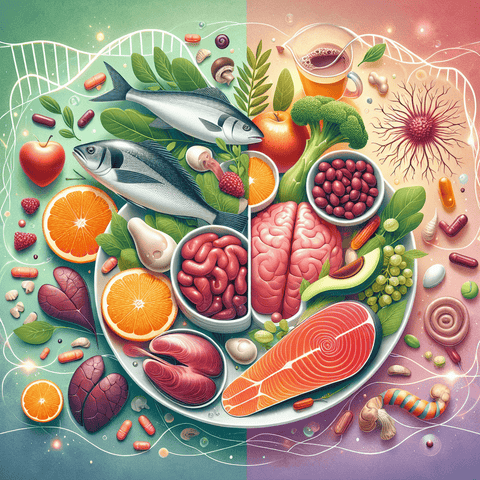
Fortified plant foods are plant-based products that have had nutrients such as vitamins and minerals added during processing, beyond what the base ingredients naturally contain. They are a familiar part of the modern food supply, appearing in categories that range from plant-based drinks and breakfast cereals to spreads, dairy alternatives, nutritional yeast and calcium-set tofu. Many readers come across them when following a plant-based or vegan diet, or when trying to understand the added nutrients listed on a label.
This page provides a broad overview of the topic: what fortified plant foods are, how fortification works, which product types and nutrients are common, how these foods fit into everyday meals and plant-based diets, and what to look for when choosing between them. The related articles under this tag explore specific questions in more detail.
What Are Fortified Plant Foods?
Fortification is the practice of adding vitamins, minerals or other nutrients to a food beyond the levels naturally present in its ingredients. When the base is a plant ingredient — a grain, legume, nut or seed — the result is a fortified plant food. The added nutrients are declared on the packaging, so the nutrition label shows what has been included and in what amounts. This makes the label the most reliable starting point for understanding any individual product.
Fortification and Enrichment
The term fortification is closely related to enrichment, which generally refers to restoring nutrients that may be reduced during processing. In everyday shopping, both appear simply as foods with added nutrients, and both are identified on the packaging. Because terminology and rules vary between countries and product categories, the nutrition label remains the clearest guide to what a product actually contains.
How Fortified Plant Foods Are Developed
In manufacturing, selected nutrients are blended into the product formulation or applied as coatings, for example on breakfast cereals. The choice of added nutrients and their amounts follows product specifications and applicable labeling rules, which vary between countries and product categories.
The base ingredients for fortified plant foods typically come from grains, legumes, nuts or seeds. Finished products are packaged with information about the fortified nutrients, usually on the nutrition label and in the ingredient list. Because recipes differ between brands, two similar products from different manufacturers can contain different added nutrients.
Common Types of Fortified Plant Foods
Fortified plant foods appear across many supermarket aisles. Some of the most familiar categories include:
- Fortified plant milks, such as soy, oat and almond drinks
- Plant-based yogurts and desserts
- Fortified breakfast cereals and mueslis
- Breads, crackers and other grain products
- Margarine-style spreads
- Plant-based meat and dairy alternatives
- Fortified juices, including some orange juices
- Nutritional yeast, often fortified with B vitamins
- Calcium-set tofu, prepared with a calcium-based coagulant
The specific nutrients and amounts vary considerably between products, brands and regions, so two items that look similar on the shelf can differ in what has been added. The next section looks at the nutrients most often used, while the nutrition label remains the most reliable guide for any individual product.
Fortified Plant Milks
Fortified plant milks — such as soy, oat and almond drinks — are among the most widely recognized examples, and plant-based yogurts and desserts are often fortified in similar ways. Calcium is one of the nutrients most frequently added to plant-based drinks, and many products list other additions alongside it. Checking the nutrition panel is the simplest way to see what a specific drink contains. For broader background on this mineral, see our Calcium guide.
Fortified Breakfast Cereals
Fortified breakfast cereals and mueslis are another familiar category, and they fit easily into breakfast routines. B vitamins and iron are among the nutrients most often used in cereal fortification, although the exact blend depends on the product. As with plant milks, recipes differ between brands, so the nutrition label is the best way to compare options.
Nutrients Commonly Added to Fortified Plant Foods
The nutrients used in fortification depend on the product, the base ingredients and local rules. Some additions recur across many fortified plant foods:
- Calcium, especially in plant-based drinks and yogurts
- Vitamin D, often added to plant-based drinks and spreads
- B vitamins, including vitamin B12 and folate, used in cereals and plant-based drinks
- Iron, found in various cereal and grain products
- Iodine, added to some plant-based products depending on the country
- Zinc, included in some fortified cereals and grain products
- Omega-3 fats, added to selected plant-based products in some markets
Vitamin D is one of the most widely used fortification nutrients, appearing in product types that range from plant-based drinks to cereals and spreads. For broader background on this nutrient, see our vitamin D guide.
B vitamins are similarly common in fortification, particularly in breakfast cereals, plant-based drinks and nutritional yeast. Vitamin B12 is among the additions most often discussed in relation to plant-based eating.
Minerals such as iron, iodine and zinc also feature in many fortified plant foods, especially cereal and grain products. Some additions, iodine being a common example, depend on local fortification practices and therefore differ between countries. For readers who want broader background on these nutrients, our mineral supplements guide covers iron, zinc, selenium, iodine and other minerals.
Fortified Plant Foods in a Plant-Based Diet
People who eat mostly or entirely plant-based often pay particular attention to fortified products, because certain nutrients that are prominent in animal-derived foods — vitamin B12 is the best-known example — are less abundant in plants. Nutrients that frequently come up in this context include vitamin B12, vitamin D, calcium, iron, iodine, zinc and omega-3 fats. Fortified plant milks, yogurts, cereals and alternatives can sit alongside whole staples such as legumes, whole grains, nuts, seeds, vegetables and fruit within an overall eating pattern.
Omega-3 intake is a frequent topic in plant-based nutrition as well. Plant foods supply the omega-3 fat ALA, while DHA — a longer-chain form found in fish and algae oil — is a different fatty acid that many plant-based eaters read about alongside fortified products. Where readers want to look beyond fortified foods, our omega-3 supplements collection covers DHA and EPA products.
Because vitamin B12 comes up so often in this context, our vitamin B guide is a useful place to start for broader background on the B vitamins.
How to Choose Fortified Plant Foods
Because fortification varies from product to product, labels are the most practical tool for shoppers. The nutrition panel lists each added nutrient and the amount per serving — often per 100 g or 100 ml as well as per portion — while the ingredient list shows what the product is based on. When comparing fortified plant foods, it can help to:
- Check the nutrition label to see which nutrients have been added and in what amounts per serving
- Read the ingredient list to understand what the product is based on
- Compare similar products, as added nutrients can differ between brands and recipes
- Consider how a product fits into your overall eating pattern rather than judging it in isolation
Product labels, descriptions and educational resources can also help you understand the different forms of fortified plant foods and how they are presented in stores. If you have questions about your own nutrition, manufacturer information and objective resources about fortification practices are sensible starting points, and a healthcare professional can provide personal guidance.
Fortified Plant Foods and Supplements
Fortified foods are one way that nutrients such as vitamin B12, vitamin D, calcium and iron appear in plant-based diets, but they are not the only option. Some people also consider supplements to complement their overall eating pattern, particularly for nutrients that may be less abundant in the foods they eat regularly. Our multivitamins guide explains how multivitamin products are formulated, and the individual vitamin and mineral guides linked throughout this page offer background on specific nutrients. Supplements are intended to complement a varied diet, not replace it, and anyone unsure about their own needs can consult a healthcare professional.
Frequently Asked Questions
What is fortified plant food?
A fortified plant food is a plant-based product that has had nutrients such as vitamins or minerals added during manufacturing, beyond the amounts naturally present in its ingredients. Fortified plant milks, breakfast cereals, plant-based yogurts and spreads are familiar examples.
Can you give me a list of fortified foods?
Well-known fortified plant foods include soy, oat and almond drinks, plant-based yogurts, fortified breakfast cereals, breads and crackers, margarine-style spreads, plant-based meat and dairy alternatives, fortified juices, nutritional yeast and calcium-set tofu. Fortification is also used more widely in the food supply — for example in other cereals, spreads and salt — but this page concentrates on plant-based products.
What is the best fortified food?
There is no single best fortified food; the most useful choice depends on your overall diet, your preferences and the nutrients you want more of. Fortified plant milks and fortified breakfast cereals are among the most widely available and most commonly used examples, and nutritional yeast is popular in plant-based cooking. Rather than looking for one best product, it helps to read labels, compare similar products and consider how a food fits into your overall eating pattern.
What are the most nutritious plant foods?
There is no single answer, because nutritional value depends on the overall diet rather than on any single food. Plant staples such as legumes, whole grains, nuts, seeds, vegetables and fruit are widely appreciated for the nutrients they naturally provide, while fortified plant foods add specific nutrients on top of that base. Labels help you see what each individual product actually contains.
What are 5 foods that fight fatigue?
No single food acts as a quick fix for tiredness; energy levels are shaped by overall diet, sleep, activity and general health. Fortified breakfast cereals and plant-based drinks are common morning choices, and nutrients often used in fortification — such as B vitamins and iron — contribute to normal energy-yielding metabolism. If tiredness is persistent, it is best to discuss it with a healthcare professional, as fatigue can have many causes.
Fortified plant foods are a broad and varied category within the modern food supply. This page has outlined the general map of the topic — definitions, product types, commonly added nutrients, how these foods fit into plant-based diets, practical selection points and where supplements may fit in — while the articles under this tag go deeper into individual questions.