
Willkommen bei einer Sammlung von Getränken für die Darmgesundheit. Diese Seite stellt sieben Getränke vor, die rund um die Idee von Darmgesundheitsgetränken entwickelt wurden. Sie bieten schnelle, schmackhafte Rezepte, die auf wissenschaftlich belegten Zutaten basieren. Der Fokus liegt auf leicht zugänglichen Optionen, die in einen vollen Tag passen, mit klaren Schritten und praktischen Tipps für die Zubereitung. Jedes Getränk zur Darmgesundheit verfolgt ein einfaches Konzept: eine ausgewogene Mischung aus Aromen und Texturen, abgeleitet von Zutaten, die in wissenschaftlichen Studien diskutiert werden. Sie finden prägnante Rezepte, die die Zubereitung unkompliziert halten, während sie die wissenschaftlich fundierte Herangehensweise hervorheben. Zugänglichkeit steht im Mittelpunkt: Diese Getränke sind für eine schnelle Zubereitung, minimalen Geräteinsatz und Anpassungsmöglichkeiten konzipiert, die unterschiedlichen Vorlieben entsprechen. Durch die einfache Durchführung können Sie in wenigen Minuten verschiedene Kombinationen ausprobieren und dabei Flavors und Portionen nach Wunsch anpassen. Durchstöbern Sie die sieben Getränke, um schnelle Ideen zu entdecken, die in Ihren Alltag passen. Die Seite zielt darauf ab, praktische, leicht verständliche Optionen im Bereich der Getränke für die Darmgesundheit anzubieten und Sie dazu einzuladen, mit Geschmack und Textur zu experimentieren – stets auf wissenschaftlich fundierter Basis.
7 Getränke für die Darmgesundheit, die die Verdauung und Energie fördern

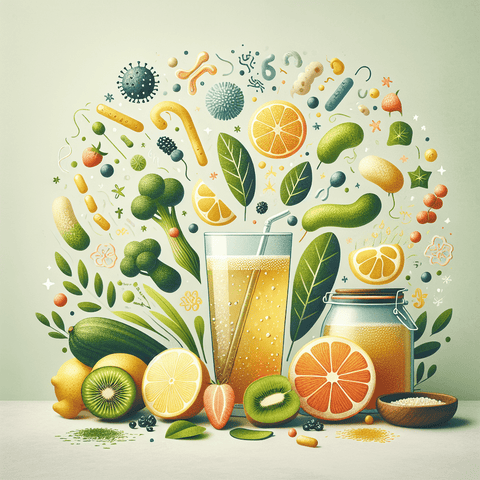
Gut health drinks are beverages chosen with digestive wellbeing in mind — from fermented classics like kombucha and kefir to soothing herbal teas, green tea, blended smoothies and newer probiotic sodas. Interest in them keeps growing as more people look for simple, enjoyable ways to support their gut alongside a balanced diet.
This page serves as a broad guide to the topic. It explains what gut health drinks are, introduces the main types, looks honestly at what the evidence does and does not show, and outlines practical points to consider when comparing products. The articles collected under this tag then explore individual drinks, recipes and specific questions in more depth.
What Are Gut Health Drinks?
Simply put, a gut health drink is any beverage people choose because of its perceived connection to digestive wellbeing. Most options fall into a few broad families: drinks that contain live microorganisms from fermentation, drinks brewed from herbs or tea leaves, and blended drinks built around fruit, vegetables and other whole-food ingredients.
Many of these drinks are discussed in connection with the gut microbiome — the large community of microorganisms that lives in the digestive tract. Fermented drinks such as kefir and kombucha can contain live cultures, smoothies can contribute fibre from fruit and vegetables, and herbal teas offer a gentle, often caffeine-free way to stay hydrated.
It is worth remembering that research into the gut microbiome is still evolving, and no single drink is a shortcut to better digestive health. For most people, these beverages work best as part of an overall pattern of eating and lifestyle habits rather than as stand-alone solutions.
Popular Types of Gut Health Drinks
The category is broader than many people expect. The drink families below are the ones most often discussed in the context of gut health, and each is covered in more detail by the articles on this page.
Fermented and Probiotic Drinks
Fermentation is the process most closely associated with gut-friendly beverages. Microorganisms such as bacteria and yeasts convert sugars into acids and other compounds, giving these drinks their characteristic tang — and, in many cases, leaving live cultures behind. Well-known examples include:
- Kombucha: a lightly fizzy, tangy tea fermented with a culture of bacteria and yeast, now widely available in an expanding range of flavours.
- Kefir: a fermented milk drink with a thin, pourable consistency and a slightly sour taste; water kefir offers a dairy-free alternative.
- Probiotic sodas: newer soft drinks formulated with live cultures, often positioned as lighter alternatives to traditional sodas.
- Drinking yoghurt and lassi: cultured dairy drinks with long traditions in many parts of the world.
Herbal and Green Teas
Not every gut-friendly drink relies on live cultures. Herbal teas such as ginger, peppermint, fennel and chamomile have long traditions of use around mealtimes, while green tea is another popular choice among people interested in digestive wellbeing. Depending on the variety, these drinks are simple to prepare, gentle and easy to enjoy caffeine-free. If you like exploring botanicals more broadly, our herbal supplements collection covers many of the same ingredients in concentrated form.
Smoothies and Blended Drinks
Smoothies take a different route: instead of adding live cultures through fermentation, they bring whole-food ingredients together in one glass. Fruit, vegetables, oats, seeds, greens, yoghurt or kefir can all be combined into a customizable drink, making smoothies a flexible way to add fibre-rich ingredients to the day. Some people also blend in superfood powders or other nutrient-focused ingredients — our superfoods guide explains how these ingredients are categorized and which nutrition claims are regulated.
Vinegar Drinks and Wellness Shots
Apple cider vinegar drinks and concentrated wellness shots, often built around ginger or turmeric, are also popular in the gut health space. Apple cider vinegar is highly acidic, so it is typically diluted in water before drinking, and shots are usually consumed in small quantities. These products are often discussed enthusiastically online, but the research behind them is generally limited or early-stage, so measured expectations are sensible. Turmeric, one of the botanicals most often found in these shots, also features in our turmeric supplements range.
Bone Broth
Bone broth — a savoury stock simmered slowly from bones, connective tissue and often vegetables — comes up regularly in gut-health conversations as well. It has a long history in traditional cooking around the world and is enjoyed both on its own and as a base for soups. As with many traditional foods, evidence for specific digestive effects is limited, so it fits best into the same measured, whole-diet mindset described throughout this page.
Do Gut Health Drinks Actually Work?
This is one of the most common questions about the topic, and the honest answer is nuanced. Fermented drinks really can contain live microorganisms, and fermented foods have been part of traditional diets around the world for centuries. What is harder to say is exactly how any specific drink will affect a specific person. Research on probiotics and the microbiome is active and evolving, and study findings do not always translate into predictable results for everyone.
Two terms help make sense of this category. Probiotics are live microorganisms — found in fermented drinks and in supplements — that are studied for their interactions with the gut microbiome. Prebiotics, by contrast, are types of fibre, abundant in foods like fruit, vegetables, oats and seeds, that the microorganisms already living in the gut can use as fuel.
Fermented drinks belong mainly to the first group, while fibre-rich smoothies touch on the second. Effects appear to depend on the strains and amounts involved as well as individual differences, which is why personal results can vary from drink to drink.
It also helps to keep proportion in mind. A drink is one part of a much larger picture that includes overall diet, fibre intake, hydration, sleep, stress and physical activity. No beverage works as an overnight fix, and persistent digestive discomfort is always worth discussing with a doctor or qualified healthcare professional rather than self-treating with a drink. For readers who want an option beyond food and drink, probiotic and prebiotic supplements are another way some people choose to include live cultures in their routine.
How to Choose a Gut-Friendly Drink
With so many products competing for attention, labels matter more than hype. When comparing gut health drinks, a few practical checkpoints are useful:
- Live cultures: if a product relies on fermentation, check whether the label states that cultures are live and active — pasteurized versions will not contain live microorganisms.
- Sugar content: some kombuchas, probiotic sodas and dairy-based drinks contain surprisingly high amounts of sugar, so comparing labels side by side is worthwhile.
- Strain transparency: products that name their cultures — and sometimes the quantities — make it easier to know what you are actually drinking.
- Ingredient list: shorter lists built around recognizable ingredients usually point to a straightforward product.
- Fit with your diet: consider dairy content, caffeine, sweetness and carbonation, and how the drink complements rather than replaces balanced meals.
Taste and budget count too. The most helpful drink is ultimately one you genuinely enjoy and can keep in your routine consistently, alongside fibre-rich food and adequate hydration.
Common Questions About Gut Health Drinks
A few questions about gut health drinks come up again and again in search. Here are concise answers to the most common ones, with the caveat that individual circumstances differ and personalized advice should come from a qualified professional.
What Is the Quickest Way to Heal Your Gut?
There is no scientifically established way to heal the gut overnight. The digestive system maintains itself continuously, and research generally points to consistent habits — a varied, fibre-rich diet, adequate hydration, sleep and stress management — as the sensible long-term approach. Persistent digestive discomfort is always a reason to speak with a doctor or qualified healthcare professional.
What Are Signs of an Unhealthy Gut?
Bloating, gas, irregular digestion and general abdominal discomfort are among the experiences most often mentioned in connection with an unsettled gut. These signs can have many different causes, however, and vary considerably from person to person. Anyone with persistent or severe symptoms should seek medical guidance rather than self-diagnosing or relying on drinks alone.
What Should I Drink to Clean Out My Gut?
No drink has been shown to flush or clean out the gut — that idea owes more to detox marketing than to science, and the digestive system regulates itself. Sensible everyday choices include water as the hydration baseline, fermented drinks that provide live cultures, herbal teas as a gentle caffeine-free option, and smoothies that add fibre from whole foods. If you are unsure what suits your situation, a doctor or registered dietitian can offer guidance tailored to you.
Exploring Gut Health Drinks Further
The articles gathered under this tag go deeper into individual drinks, recipes and specific questions — from how kombucha is made to building a gut-friendly smoothie and what the science says about particular ingredients. Browsing them is a natural next step once you have the broad overview. General information like this is a helpful starting point, but it is not a substitute for personalized advice from a qualified professional.