
Hatest du Schwierigkeiten mit deiner Darmgesundheit? Du bist nicht allein. Viele Menschen bemerken Veränderungen bei Verdauung, Wohlbefinden oder Energie, die verwirrend sein können. Das Verständnis häufiger Symptome und Auslöser ist ein hilfreicher erster Schritt, um zu verstehen, was du erlebst. Auf dieser Seite konzentrieren wir uns auf Darmgesundheitsprobleme, skizzieren typische Anzeichen, häufige Auslöser und sieben praktische Lösungen, die du heute ausprobieren kannst, um mehr Gleichgewicht zu erreichen. Hier sind sieben praktische Lösungen: 1) Überwache Symptome und Muster in einem einfachen Tagebuch; 2) Etabliere eine vorhersehbare tägliche Routine; 3) Priorisiere Schlaf mit einer konsequenten Schlafenszeit und Entspannungsritualen; 4) Praktiziere kurze tägliche Techniken zur Stressbewältigung; 5) Identifiziere und überwache persönliche Auslöser; 6) Halte einen regelmäßigen Aktivitätsplan ein; 7) Suche bei anhaltenden Bedenken Rat bei einem Facharzt. Diese Schritte sind so gestaltet, dass sie einfach umzusetzen sind und leicht in den Alltag integriert werden können, um einen strukturierten Ansatz für Darmgesundheitsprobleme zu bieten, ohne spezifische Lebensmittel oder medizinische Behandlungen vorzuschreiben. Denke daran, dass Darmgesundheitsprobleme von Person zu Person unterschiedlich sind. Ein personalisierter Ansatz beginnt oft mit Bewusstsein — zu erkennen, wann Probleme auftreten, wie sie sich im Verlauf verändern und welche Umgebungen oder Situationen besonders Einfluss haben. Die oben genannten Lösungen sind flexibel gestaltet, sodass du sie an deinen eigenen Zeitplan und Prioritäten anpassen kannst, während du auf einen harmonischeren Alltag hinarbeitest. Falls die Probleme weiterhin bestehen oder du unsicher bist, wo du anfangen sollst, ziehe in Erwägung, einen qualifizierten Fachmann um Rat zu fragen. Ziel ist es, Stabilität und Vertrauen zu fördern, während du dich mit Darmgesundheitsproblemen auseinandersetzt und nach einem klareren Weg nach vorne suchst.
Gesundheitsprobleme im Darm: Symptome, Auslöser und 7 einfache Lösungen, um sich schnell besser zu fühlen
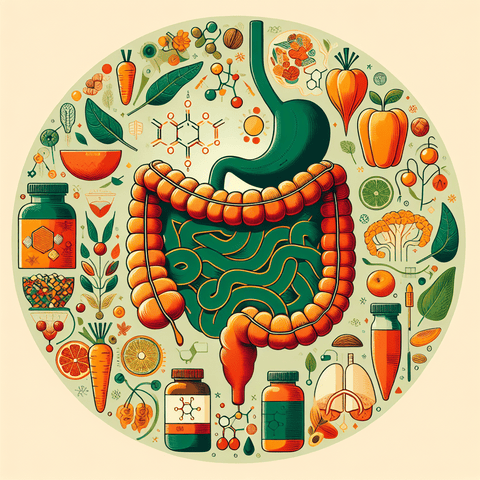
Gut health issues is a broad term that covers many different digestive and gastrointestinal concerns. It is not a single diagnosis, and it does not describe one specific problem. Instead, it refers to the range of experiences people have when their digestive system feels off — from occasional bloating or irregularity to more persistent discomfort that affects daily life. Because the gut is involved in digestion, nutrient absorption and communication with other systems in the body, changes in how it feels or functions can have wide-reaching effects on comfort and overall wellbeing.
This page is designed as a starting point for understanding gut health issues at a broad level. It covers what the topic includes, the symptoms people commonly notice, potential triggers, general warning signs and practical approaches that may support digestive balance. It does not aim to diagnose or treat any condition, and it is not a substitute for personalised medical advice.
What Are Gut Health Issues?
The gut, or gastrointestinal tract, includes the stomach, small intestine, large intestine and other organs involved in digestion. Gut health issues can arise when something disrupts the normal balance or function of this system. That disruption might be temporary, such as a reaction to a new food or a period of high stress, or it might be more persistent and require professional evaluation.
Because the gut interacts with the immune system, the nervous system and the body's overall metabolism, digestive concerns sometimes overlap with other areas of health. This is one reason why gut health has become a popular topic — it sits at the intersection of nutrition, lifestyle and general wellness. However, it is important to avoid oversimplifying: not every symptom is caused by the gut, and not every gut issue has a single solution.
Gut health issues are also not a single category of disease. They can include common functional complaints, food-related sensitivities, temporary disruptions and more complex conditions that require medical diagnosis. Understanding this spectrum helps set realistic expectations and supports more informed conversations with healthcare professionals.
Common Symptoms People Notice
Symptoms of gut health issues vary widely. Some are directly related to digestion, while others are more general and may have multiple possible causes. Common experiences include:
- Bloating or a feeling of fullness in the abdomen
- Gas and belching
- Abdominal discomfort, cramping or pain
- Changes in bowel habits, such as constipation, diarrhoea or alternating between the two
- Heartburn or reflux
- Nausea or a general sense of digestive unease
Some people also report symptoms that seem less directly connected to digestion, such as fatigue, skin changes or shifts in mood. These experiences are common and not necessarily a sign of a serious problem, but they can be frustrating and hard to interpret. Because symptoms overlap with many other conditions, self-diagnosis is not reliable. A healthcare professional can help assess what might be going on.
Warning Signs That Deserve Attention
Many gut health issues are mild and temporary. However, some signs suggest that a more thorough evaluation is warranted. These include:
- Blood in the stool or rectal bleeding
- Unexplained weight loss
- Severe or persistent abdominal pain
- Difficulty swallowing or persistent vomiting
- Symptoms that wake you from sleep or significantly disrupt daily life
- A sudden change in bowel habits that lasts for weeks
These warning signs do not automatically mean something serious is present, but they are reasons to seek medical guidance rather than trying to manage things alone. Early evaluation can provide clarity and peace of mind.
Possible Triggers and Contributing Factors
Gut health issues rarely have a single cause. More often, they emerge from a combination of factors that vary from person to person. Understanding potential triggers can help you notice patterns and make more informed choices.
Diet and Eating Habits
What you eat, how much you eat and when you eat can all influence digestive comfort. Some people notice sensitivity to certain foods or food groups, while others find that large meals, eating quickly or eating late at night affects how they feel. Fibre intake, hydration and the balance of different nutrients in the diet are also commonly discussed in relation to gut health.
Lifestyle and Stress
Sleep quality, physical activity and stress levels are frequently linked to digestive function. The gut and brain communicate through what is sometimes called the gut-brain axis, and periods of high stress or poor sleep may coincide with changes in digestion. Regular routines and stress-management practices are often recommended as part of a general approach to digestive wellbeing.
Other Factors
Travel, hormonal changes, certain medications and underlying medical conditions can also play a role. Because triggers are personal, tracking symptoms alongside daily habits over time can be more helpful than focusing on one suspected cause in isolation.
Practical Approaches to Support Digestive Balance
When it comes to gut health issues, there is no single fix that works for everyone. A flexible, awareness-based approach is often more realistic than strict rules. The following general steps are commonly discussed as supportive habits:
- Keep a simple symptom and habit diary to identify patterns over time.
- Establish a predictable daily routine around meals, sleep and activity.
- Prioritise sleep with a consistent bedtime and a calming wind-down routine.
- Practise brief daily stress-management techniques, such as breathing exercises or short walks.
- Identify and monitor personal triggers without eliminating foods unnecessarily.
- Keep a regular activity schedule that fits your energy and mobility.
- Seek guidance from a qualified professional if concerns persist or worsen.
These steps are intended to be adaptable. They do not replace medical care, and they do not promise specific outcomes. Their value lies in building awareness and supporting general wellbeing.
Nutritional Support and Supplement Considerations
Some people explore dietary supplements as part of their approach to gut health. Probiotics and prebiotics are among the most commonly discussed categories. Probiotics contain live microorganisms, while prebiotics are types of fibre that may support beneficial bacteria in the gut. You can explore our probiotics and prebiotics supplements collection to see available options.
Other nutrients sometimes associated with general digestive and overall health include certain vitamins and minerals. For example, magnesium is involved in many body functions, and some people consider it as part of a broader wellness routine. Our magnesium supplements category provides more information on this mineral. A varied diet remains the primary source of nutrients, and supplements should not be used as a substitute for healthy eating or medical treatment.
Before starting any new supplement, it is wise to speak with a healthcare professional, especially if you have a medical condition or take medication. Supplements can interact with other products, and individual needs vary.
When to Seek Professional Guidance
Gut health issues can be confusing to navigate alone. If symptoms are persistent, severe or accompanied by warning signs, speaking with a doctor or other qualified healthcare provider is the most reliable way to get answers. They can assess your individual situation, rule out underlying conditions and recommend appropriate next steps.
This page is intended for general educational purposes. It does not provide medical advice, diagnosis or treatment. Always consult a qualified professional for guidance tailored to your circumstances.
Exploring Gut Health Further
Gut health is a broad and evolving topic. The articles associated with this tag page dive deeper into specific questions, comparisons and practical strategies. Whether you are curious about particular symptoms, interested in dietary approaches or looking for general wellness information, the resources below can help you explore the subject in more detail. As always, use them as educational starting points rather than personalised medical advice.