
{"type":"json_object"}
Nahrungsergänzungsmittel bei gesundheitlichen Beschwerden: Wissenschaftlich gestützte Wege, dein Wohlbefinden sicher zu unterstützen
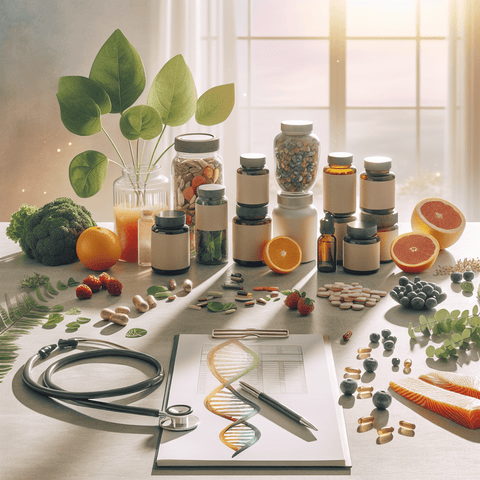
August 27, 2025
Welches Nahrungsergänzungsmittel für meine Erkrankung geeignet ist, hängt von Diagnose, Ernährung, Medikamenten und tatsächlichem Nährstoffbedarf ab. Dieser Leitfaden zeigt, wie Sie Produkte sicher vergleichen, Etiketten verstehen und mögliche Wechselwirkungen erkennen. Sie erfahren außerdem, wann Blutwerte oder eine Beratung sinnvoll sind und warum es kein universell bestes Supplement für alle Menschen gibt.
{"content":"
Nahrungsergänzungsmittel bei gesundheitlichen Beschwerden sind Produkte, die darauf ausgelegt sind, einen spezifischen Nährstoffbedarf zu decken, der entstehen kann, wenn der Körper zusätzlich belastet ist – sei es durch Krankheit, Medikamenteneinnahme, Verdauungsprobleme oder altersbedingte Veränderungen. Dieser Ratgeber erklärt, was solche Präparate sind, wann eine gezielte Nährstoffversorgung wirklich sinnvoll sein kann, welche Rolle Ernährung und Lebensstil spielen und wie man Qualität, Dosierung und Sicherheit von Nahrungsergänzungsmitteln beurteilt. Da sich der Nährstoffbedarf von Mensch zu Mensch unterscheidet, geht es darum, Ihnen zu fundierten, evidenzbewussten Entscheidungen zu verhelfen – statt zu raten.
\n\n
Was sind Nahrungsergänzungsmittel bei gesundheitlichen Beschwerden? Eine klare Definition
\n
Nahrungsergänzungsmittel bei gesundheitlichen Beschwerden sind Vitamine, Mineralstoffe, Fettsäuren, Probiotika oder pflanzliche Zubereitungen, die dazu verwendet werden, den Nährstoffstatus des Körpers in Phasen zu unterstützen, in denen die normale Aufnahme über die Ernährung den Bedarf möglicherweise nicht vollständig deckt. Sie sind keine Arzneimittel und nicht dazu bestimmt, Krankheiten zu diagnostizieren, zu behandeln, zu heilen oder ihnen vorzubeugen. Stattdessen beantworten sie eine konkrete Frage: Verfügt der Körper unter seinen aktuellen Umständen über ausreichend Nährstoffbausteine, um gut zu funktionieren?
\n\n
Wie sich Nahrungsergänzungsmittel bei gesundheitlichen Beschwerden von allgemeinen Wellness-Präparaten unterscheiden
\n
Allgemeine Wellness-Präparate – etwa ein einfaches Multivitamin – sollen kleine alltägliche Lücken in einer ansonsten ausreichenden Ernährung schließen. Nahrungsergänzungsmittel bei gesundheitlichen Beschwerden sind dagegen meist gezielter ausgerichtet. Wer sich beispielsweise wenig im Freien aufhält, konzentriert sich möglicherweise auf Vitamin D, während jemand, der langfristig säurehemmende Medikamente einnimmt, eine konkrete Frage zum Vitamin-B12-Status hat. Je gezielter das Ziel, desto wichtiger ist es, Nährstoff, Form und Dosis auf die individuelle Situation abzustimmen.
\n\n
Wichtige Begriffe: Nährstoffunterversorgung, Mangel und Nährstoffversorgung
\n
Ein Mangel ist ein klinisch bedeutsamer Nährstoffmangel, der häufig durch eine Blutuntersuchung bestätigt wird und messbare gesundheitliche Folgen haben kann. Unterversorgung beschreibt einen suboptimalen – aber nicht eindeutig mangelhaften – Spiegel, der sich dennoch auf das Wohlbefinden auswirken kann. Nährstoffversorgung ist ein weiter gefasster Begriff: die Zufuhr von Nährstoffen, die der Körper aufgrund erhöhten Bedarfs, verringerter Aufnahme oder gestörter Resorption möglicherweise stärker benötigt. Diese Unterscheidungen zu verstehen ist wichtig, weil allein aus Symptomen nicht zuverlässig abgeleitet werden kann, in welche Kategorie man fällt.
\n\n
Warum Nährstoffversorgung bei der Bewältigung gesundheitlicher Beschwerden wichtig ist
\n
Wenn der Körper mit Krankheit, Entzündungen oder chronischem Stress zu kämpfen hat, kann sein Bedarf an bestimmten Nährstoffen steigen, während gleichzeitig Aufnahme und Resorption sinken können. Diese Kombination kann die Nährstoffreserven allmählich erschöpfen – selbst bei Menschen, die sich einigermaßen ausgewogen ernähren. Die Unterstützung des Nährstoffstatus geht daher nicht darum, die Gesundheit künstlich zu „boostern“, sondern darum, sicherzustellen, dass der Körper die Rohstoffe erhält, die er für Energieproduktion, Immunfunktion, Gewebereparatur und Stoffwechselprozesse benötigt.
\n\n
Wie Krankheiten und chronische Erkrankungen den Nährstoffbedarf beeinflussen können
\n
Chronische Erkrankungen können den Nährstoffstatus auf verschiedene Weise beeinflussen. Entzündungen können verändern, wie der Körper Eisen speichert und verwendet. Magen-Darm-Erkrankungen können die Aufnahme fettlöslicher Vitamine und Mineralstoffe verringern. Stoffwechselerkrankungen können den Bedarf an bestimmten B-Vitaminen und Mikronährstoffen verändern. In manchen Fällen reduzieren Appetitveränderungen oder begleitend zur Behandlung verordnete restriktive Diäten die Nährstoffzufuhr zusätzlich.
\n\n
Der Zusammenhang zwischen Nährstoffstatus und alltäglichem Wohlbefinden
\n
Nährstoffe sind an nahezu jedem physiologischen Prozess beteiligt. Magnesium ist an Hunderten enzymatischer Reaktionen im Zusammenhang mit Muskel- und Nervenfunktion beteiligt. B-Vitamine unterstützen den Energiestoffwechsel. Vitamin D trägt zur Immun- und Knochengesundheit bei. Wenn der Status eines oder mehrerer Nährstoffe suboptimal ist, können Menschen Müdigkeit, eine verringerte Belastbarkeit oder eine langsamere Erholung bemerken – allerdings sind diese Symptome unspezifisch und können viele Ursachen haben.
\n\n
Häufige Situationen, in denen sich der Nährstoffbedarf ändern kann
\n\n
Müdigkeit, Energiemangel und Nährstofflücken
\n
Anhaltende Müdigkeit ist einer der häufigsten Gründe, aus denen Menschen über eine Nahrungsergänzung nachdenken. Eisen, Vitamin B12, Folat, Magnesium und Vitamin D spielen alle eine Rolle im Energiestoffwechsel, und eine Unterversorgung mit einem dieser Nährstoffe kann zu Energiemangel beitragen. Allerdings hat Müdigkeit viele mögliche Ursachen – darunter Schlaf, Stress, Schilddrüsenfunktion und zugrunde liegende Erkrankungen –, sodass ernährungsbedingte Ursachen abgeklärt und nicht einfach angenommen werden sollten.
\n\n
Verdauungsprobleme und Nährstoffresorption
\n
Erkrankungen, die den Darm betreffen – etwa Zöliakie, chronisch entzündliche Darmerkrankungen oder eine verminderte Magensäureproduktion –, können die Aufnahme von Eisen, Calcium, Magnesium, Zink sowie der Vitamine B12, A, D, E und K beeinträchtigen. In solchen Situationen kann die Ernährung auf dem Papier ausreichend sein, doch der Körper nimmt möglicherweise trotzdem nicht auf, was er braucht. Wer sich mit Probiotika und Verdauungsunterstützung beschäftigt, sollte zunächst prüfen, ob die Resorption selbst der limitierende Faktor ist.
\n\n
Knochen-, Immun-, Herz- und Stoffwechselgesundheit
\n
Unterschiedliche Gesundheitsziele betreffen unterschiedliche Nährstoffe. Die Knochengesundheit hängt von Calcium, Vitamin D, Vitamin K und Magnesium ab. Die Immunfunktion umfasst Vitamin C, Vitamin D, Zink und Selen. In der Forschung zu Herz-Kreislauf- und Stoffwechselgesundheit werden häufig Omega-3-Fettsäuren, Magnesium und B-Vitamine diskutiert. Die Evidenzstärke variiert zwischen diesen Bereichen erheblich – manche Zusammenhänge sind gut belegt, andere werden noch untersucht.
\n\n
Warum Symptome allein keinen Mangel bestätigen können
\n
Müdigkeit, brüchige Nägel, Muskelkrämpfe oder gedrückte Stimmung werden häufig auf Nährstoffmängel zurückgeführt, doch diese Symptome überschneiden sich mit vielen nicht ernährungsbedingten Ursachen. Eine Selbstdiagnose anhand von Symptomen führt oft zu unnötiger Nahrungsergänzung – oder schlimmer noch zu Verzögerungen bei der Erkennung eines tatsächlichen zugrunde liegenden Problems. Wo validierte Tests verfügbar sind (zum Beispiel für Vitamin D, B12, Folat, Eisenstatus und Ferritin), liefern Untersuchungen weitaus zuverlässigere Informationen.
\n\n
Was beeinflusst den Nährstoffstatus? Häufige Ursachen und Risikofaktoren
\n\n
Ernährungsmuster und eingeschränkte Ernährung
\n
Vegane und vegetarische Ernährungsweisen können einen niedrigen Gehalt an Vitamin B12, Eisen, Zink, Jod und Omega-3-EPA/DHA aufweisen. Eliminationsdiäten, häufige Diäten und ein hoher Anteil stark verarbeiteter Lebensmittel können alle die Bandbreite der aufgenommenen Nährstoffe verringern. Die Einschränkung selbst – unabhängig vom Grund – ist einer der beständigsten Prädiktoren für Nährstofflücken.
\n\n
Alter, Resorption und Verdauungsveränderungen
\n
Die Magensäureproduktion nimmt mit dem Alter natürlicherweise ab, was die Aufnahme von Vitamin B12, Eisen und Calcium verringert. Ältere Erwachsene bilden außerdem weniger Vitamin D in der Haut. Diese Veränderungen bedeuten, dass eine Ernährung, die mit 30 ausreichend war, mit 70 den Bedarf möglicherweise nicht mehr vollständig deckt.
\n\n
Medikamente, die den Nährstoffstatus beeinflussen können
\n
Mehrere weit verbreitete Medikamente können bei langfristiger Einnahme den Nährstoffstatus beeinflussen. Protonenpumpenhemmer und Antazida können die Aufnahme von B12 und Magnesium verringern. Metformin kann den B12-Spiegel im Laufe der Zeit senken. Diuretika können Kalium, Magnesium und andere Mineralstoffe beeinflussen. Corticosteroide wirken auf den Vitamin-D- und Calciumstoffwechsel. Wer langfristig Medikamente einnimmt, sollte die Nährstoffüberwachung mit seinem Arzt oder seiner Ärztin besprechen.
\n\n
Lebensstil, Stress und Umweltfaktoren
\n
Chronischer Stress erhöht den Bedarf des Körpers an Magnesium und B-Vitaminen und verschlechtert häufig die Ernährungsgewohnheiten. Rauchen entzieht dem Körper Vitamin C. Alkohol beeinträchtigt die Aufnahme und den Stoffwechsel mehrerer Nährstoffe, darunter B-Vitamine und Zink. Begrenzte Sonnenexposition ist ein wesentlicher Faktor für einen niedrigen Vitamin-D-Spiegel, insbesondere in nördlichen Klimazonen und in den Wintermonaten.
\n\n
Warum der Ergänzungsbedarf von Person zu Person unterschiedlich ist
\n\n
Ernährung, Genetik, Gesundheitszustand und bestehende Nährstoffzufuhr
\n
Zwei Menschen mit identischer Ernährung können einen sehr unterschiedlichen Nährstoffbedarf haben. Die Genetik beeinflusst, wie effizient Nährstoffe aufgenommen, umgewandelt und genutzt werden. Die bestehende Zufuhr angereicherter Lebensmittel, die Verwendung von Nahrungsergänzungsmitteln und sogar die Zubereitungsmethoden beeinflussen die gesamte Nährstoffaufnahme. Gesundheitszustand, Schwangerschaft, körperliche Aktivität und Körperzusammensetzung erhöhen die Variabilität zusätzlich.
\n\n
Warum ein Präparat, das einer Person hilft, nicht zu einer anderen passen muss
\n
Ein Nahrungsergänzungsmittel deckt eine bestimmte Lücke. Existiert keine Lücke, bringt eine zusätzliche Zufuhr wenig Nutzen und kann Risiken bergen. Umgekehrt kann jemand mit echter Malabsorption eine bestimmte Form oder eine höhere Dosis als der Durchschnitt benötigen. Deshalb beginnt der wirksamste Ansatz mit einer ehrlichen Einschätzung von Ernährung, Gesundheitszustand und – wo relevant – Laboruntersuchungen, statt einfach das Regime eines anderen zu kopieren.
\n\n
Ernährung und Lebensstil zuerst: ein Fundament vor Nahrungsergänzungsmitteln
\n\n
Nährstoffdichte Lebensmittel, die häufige Gesundheitsziele unterstützen
\n
Lebensmittel sollten die erste Nährstoffquelle sein, weil sie Nährstoffe in Formen und Kombinationen liefern, an die der Körper gut angepasst ist. Fettreicher Fisch liefert Omega-3-EPA und -DHA. Blattgemüse liefert Folat, Vitamin K und Magnesium. Hülsenfrüchte, Nüsse, Samen und Vollkornprodukte tragen Mineralstoffe und B-Vitamine bei. Eier, Milchprodukte und Fleisch sind reich an B12, und buntes Gemüse liefert Vitamin C und Carotinoide. Für weiteren Hintergrund bietet unser Ratgeber zu nährstoffdichten Lebensmitteln und zugelassenen gesundheitsbezogenen Angaben praktische Details.
\n\n
Ernährungsmuster, die mit besseren Gesundheitsergebnissen verbunden sind
\n
Die Forschung verbindet mediterrane und ähnliche vollwertige Ernährungsmuster beständig mit besseren kardiovaskulären, metabolischen und kognitiven Ergebnissen. Diese Muster betonen Gemüse, Obst, Hülsenfrüchte, Fisch, Olivenöl und Vollkornprodukte – eine Kombination, die den Mikronährstoffbedarf der meisten gesunden Erwachsenen natürlicherweise weitgehend deckt.
\n\n
Schlaf, Bewegung und Stressmanagement als Partner der Nährstoffversorgung
\n
Kein Nahrungsergänzungsmittel kann chronischen Schlafmangel, Bewegungsmangel oder unbehandelten Stress ausgleichen. Regelmäßige körperliche Aktivität verbessert die Insulinsensitivität und unterstützt Muskel- und Knochengesundheit. Ausreichender Schlaf reguliert Appetithormone und Immunfunktion. Stressmanagement verringert die physiologische Belastung der Nährstoffreserven. Diese Faktoren verstärken – und übertreffen manchmal – jeden Nutzen, den eine Nahrungsergänzung bieten könnte.
\n\n
Wo Nahrungsergänzungsmittel sinnvoll sein können: Nährstoffe, die bei gesundheitlichen Beschwerden oft relevant sind
\n\n
Vitamine und Mineralstoffe, die bei bestimmten Beschwerden häufig diskutiert werden
\n
- Vitamin D: wird häufig im Zusammenhang mit Knochen-, Muskel- und Immungesundheit diskutiert, besonders bei begrenzter Sonnenexposition. Siehe unseren Vitamin-D-Ratgeber.
- B-Vitamine: relevant für Energiestoffwechsel und Nervensystemfunktion, insbesondere für ältere Erwachsene, Veganer und Menschen, die bestimmte Medikamente einnehmen. Siehe Informationen zu Vitamin B.
- Magnesium: an Muskel-, Nerven- und Energiefunktion beteiligt; eine Unterversorgung ist in westlichen Ernährungsweisen relativ verbreitet. Siehe unseren Magnesium-Ratgeber.
- Eisen, Zink, Selen und Jod: jeder dieser Nährstoffe hat eine eigene Rolle; besonders vor einer Eisenergänzung sind Tests oder eine Ernährungsbewertung sinnvoll. Siehe unsere Mineralstoff-Übersicht.
\n\n
Omega-3-Fettsäuren und ihre Evidenzbasis
\n
EPA und DHA aus Fisch und Algen gehören zu den besser untersuchten Nahrungsergänzungs-Inhaltsstoffen. Die Evidenz stützt ihre Rolle für die Aufrechterhaltung einer normalen Herzfunktion bei etablierten Zufuhrmengen, und die Forschung zu ihren Wirkungen auf Entzündungen, Gehirngesundheit und Triglyceridstoffwechsel dauert an. Menschen, die selten fettreichen Fisch essen, sind die Gruppe mit der wahrscheinlich niedrigsten Zufuhr. Mehr dazu in unserem Omega-3-DHA-und-EPA-Ratgeber.
\n\n
Probiotika und Verdauungsunterstützung
\n
Die Probiotika-Forschung hat schnell zugenommen, und bestimmte Stämme wurden im Hinblick auf Verdauungskomfort, Antibiotika-assoziierte Diarrhö und Immununterstützung untersucht. Allerdings sind die Effekte stammspezifisch und dosisabhängig – eine allgemeine Bezeichnung „Probiotikum“ sagt ohne Stammangabe wenig aus. Die Evidenz ist in bestimmten Kontexten vielversprechend, sollte aber nicht auf alle Produkte oder Beschwerden verallgemeinert werden.
\n\n
Pflanzliche Nahrungsergänzungsmittel: Was die Forschung zeigt – und was nicht
\n
Kräuter wie Kurkuma (Curcumin), Ashwagandha und andere haben eine lange Anwendungstradition und wachsen\u0000des Forschungsinteresse. Einige Studien deuten auf mögliche Vorteile für Gelenkkomfort, Stress und Schlaf hin, doch die Studienqualität variiert, wirksame Dosierungen unterscheiden sich stark zwischen Produkten, und standardisierte Extrakte sind nicht mit rohen Kräutern vergleichbar. Traditionelle Anwendung ist nicht dasselbe wie klinische Evidenz, und Wechselwirkungen zwischen Kräutern und Medikamenten sind ein realer Aspekt.
\n\n
Was die Wissenschaft sagt – und was nicht
\n
Einige Grundsätze helfen, die Forschung zu Nahrungsergänzungsmitteln ehrlich zu interpretieren. Etablierte Evidenz (zum Beispiel Folsäure vor der Schwangerschaft, Vitamin D für die Knochengesundheit in Risikogruppen) unterscheidet sich von aufkommender Evidenz aus kleinen oder kurzfristigen Studien. Beobachtete Zusammenhänge beweisen keine Kausalität. Und bei gut versorgten Menschen bringt die zusätzliche Zufuhr eines Nährstoffs selten einen weiteren Nutzen – Nahrungsergänzung schließt Lücken; sie „turbo-lädt“ keinen Körper auf, der bereits ausreichend versorgt ist.
\n\n
Wann ist eine Nahrungsergänzung vernünftigerweise in Betracht zu ziehen?
\n\n
Situationen, in denen die Ernährung allein nicht ausreichen kann
\n
- Diagnostizierter Mangel oder Unterversorgung, bestätigt durch Tests
- Langfristige Einnahme von Medikamenten, die die Nährstoffresorption beeinflussen
- Malabsorptionserkrankungen oder Darmoperationen
- Schwangerschaft, wenn der Bedarf an Folat, Eisen, Jod und Vitamin D steigt
- Strenge vegane Ernährung ohne Planung von B12 und Omega-3
- Sehr niedrige Kalorienzufuhr oder unbeabsichtigter Gewichtsverlust
- Begrenzte Sonnenexposition bei niedriger Vitamin-D-Zufuhr über die Ernährung
\n\n
Nährstoffversorgung vs. Behandlung: den Unterschied verstehen
\n
Nahrungsergänzungsmittel unterstützen normale physiologische Funktionen; sie behandeln keine Krankheiten. Die Korrektur eines Vitamin-D-Mangels kann die Knochengesundheit unterstützen, ersetzt aber nicht die Behandlung einer zugrunde liegenden Erkrankung. Diese Unterscheidung klar zu halten, schützt sowohl Ihre Gesundheit als auch Ihre Erwartungen daran, was eine Nahrungsergänzung realistisch leisten kann.
\n\n
Warum Bluttests und professionelle Einschätzung wichtig sind
\n
Bei Nährstoffen mit validierten Tests – Vitamin D, B12, Folat, Ferritin und andere – verwandelt eine Untersuchung die Nahrungsergänzung von Raterei in eine gezielte Entscheidung. Sie schafft eine Ausgangsbasis, hilft bei der Bestimmung einer angemessenen Dosis und ermöglicht eine aussagekräftige Verlaufskontrolle. Eine professionelle Einschätzung ist besonders wichtig, bevor hochdosierte Nährstoffe oder fettlösliche Vitamine eingenommen werden, die sich im Körper anreichern können.
\n\n
Wie man das richtige Nahrungsergänzungsmittel bei gesundheitlichen Beschwerden auswählt
\n\n
Nährstoffformen und Bioverfügbarkeit: Warum sie wichtig sind
\n
Die chemische Form eines Nährstoffs beeinflusst, wie gut er aufgenommen und genutzt wird. Beispiele sind Methylcobalamin versus Cyanocobalamin bei B12, Magnesiumcitrat oder -glycinat versus Magnesiumoxid sowie Folat versus Folsäure. Die Bioverfügbarkeit hängt auch vom Kontext ab – Eisen wird auf nüchternen Magen mit Vitamin C besser aufgenommen, während die fettlöslichen Vitamine A, D, E und K am besten mit einer fetthaltigen Mahlzeit aufgenommen werden. Keine einzelne Form ist universell „am besten“; die richtige Wahl hängt vom Nährstoff, der Person und dem Ziel ab.
\n\n
Dosierung: das Etikett mit dem eigenen Bedarf abgleichen
\n
Unterscheiden Sie zwischen der empfohlenen Tageszufuhr (der Menge, die gesunde Menschen aus allen Quellen benötigen) und der Menge in einem Nahrungsergänzungsmittel. In Studien verwendete Dosierungen sind oft höher als Erhaltungsdosen und sollten nicht unbedacht übernommen werden. Jeder Nährstoff hat eine obere Zufuhrmenge, oberhalb derer unerwünschte Wirkungen wahrscheinlicher werden – mehr ist nicht besser, und bei fettlöslichen Vitaminen und Eisen kann mehr sogar aktiv schädlich sein.
\n\n
Einzelinhaltsstoffe vs. Kombinationspräparate
\n
Produkte mit einem einzigen Inhaltsstoff erleichtern die Anpassung von Dosis und Einnahmezeitpunkt und die Erkennung, was wirkt. Kombinationspräparate bieten Bequemlichkeit und in manchen Fällen einen synergistischen Aufbau (zum Beispiel Vitamin D mit Vitamin K für die Knochenunterstützung). Der Nachteil ist weniger Flexibilität und mögliche Überschneidungen mit anderen Präparaten, die Sie bereits einnehmen.
\n\n
Qualität, Reinheit und unabhängige Tests
\n
Nahrungsergänzungsmittel unterliegen nicht so strengen Vorschriften wie Arzneimittel, weshalb die Qualität zwischen Herstellern variiert. Achten Sie auf Marken, die Inhaltsstoffquellen offenlegen, bei Kräutern standardisierte Extrakte verwenden und unabhängige Tests auf Identität, Reinheit und Kontaminanten durchführen. Seriöse Hersteller sind transparent über ihre Herstellungsstandards.
\n\n
Kapseln, Tabletten, Pulver und Flüssigkeiten: Welches Format passt zu Ihnen?
\n
Das Format beeinflusst bei den meisten Nährstoffen eher den Komfort als die Wirksamkeit. Kapseln und Softgels eignen sich für fettlösliche Vitamine und sind oft leichter zu schlucken. Tabletten ermöglichen höhere Dosen, können aber für manche Menschen schwerer aufzulösen sein. Pulver und Flüssigkeiten eignen sich für Menschen, die Schwierigkeiten mit Tabletten haben oder eine flexible Dosierung benötigen, wobei einige Nährstoffe in flüssiger Form weniger stabil sind.
\n\n
Allergene, Zusatzstoffe und Ernährungspräferenzen
\n
Prüfen Sie die Etiketten auf Gluten, Milch, Soja, Gelatine und künstliche Zusatzstoffe, falls diese für Sie relevant sind. Vegan-, Vegetarier- und Allergenfrei-Zertifizierungen erleichtern die Auswahl. Beachten Sie auch Süßstoffe und Aromen in Kau- und Gummiformaten, die bei regelmäßiger, langfristiger Einnahme eine Rolle spielen können.
\n\n
Wie man ein Nahrungsergänzungsmittel-Etikett wie ein Experte liest
\n\n
Portionsgröße, aktive Inhaltsstoffe und Mengen erklärt
\n
Prüfen Sie immer zuerst die Portionsgröße – manche Produkte geben Mengen pro Kapsel an, während pro Portion zwei oder drei Kapseln erforderlich sind. Achten Sie auf die tatsächliche Menge des Nährstoffs (oft zusammen mit einem Prozentsatz der Tagesreferenzzufuhr angegeben) statt auf das Gesamtgewicht einer Mischung, und beachten Sie, ob pflanzliche Inhaltsstoffe auf eine aktive Verbindung standardisiert sind.
\n\n
Qualitätsindikatoren und Zertifizierungen, auf die man achten sollte
\n
Aussagekräftige Indikatoren sind Siegel unabhängiger Testinstitute, GMP-Konformität (Good Manufacturing Practice), Transparenz bei Chargentests und klare Haltbarkeitsangaben. Vage Begriffe wie „rein“, „natürlich“ oder „klinisch getestet“ ohne konkrete Angaben haben wenig Aussagekraft.
\n\n
Warnsignale und Marketingaussagen, die mit Vorsicht zu betrachten sind
\n
Seien Sie skeptisch bei Produkten, die versprechen, Krankheiten zu heilen, rückgängig zu machen oder zu „entgiften“, bei proprietären Mischungen, die Inhaltsstoffmengen verbergen, bei Wunderlösungs-Sprache und bei Bewertungen, die schnelle Ergebnisse versprechen. Seriöse Nahrungsergänzungsmittel machen Aussagen zur Struktur/Funktion – Unterstützung normaler physiologischer Prozesse – und keine Behandlungsaussagen.
\n\n
Wer am meisten von der Betrachtung von Nahrungsergänzungsmitteln profitieren könnte
\n\n
Gruppen mit höherem Risiko für Nährstofflücken
\n
- Erwachsene über 65 (B12, Vitamin D, Calcium)
- Schwangere oder Personen mit Kinderwunsch (Folat, Eisen, Jod, Vitamin D)
- Veganer und Vegetarier (B12, Eisen, Zink, Jod, EPA/DHA)
- Menschen mit Magen-Darm-Erkrankungen oder Darmoperationen
- Personen unter langfristiger Einnahme von Metformin, Protonenpumpenhemmern oder Diuretika
- Menschen mit begrenzter Sonnenexposition oder dunklerer Haut in nördlichen Breiten (Vitamin D)
\n\n
Wann professionelle Beratung an erster Stelle stehen sollte
\n
Wer eine diagnostizierte Erkrankung hat, verschreibungspflichtige Medikamente einnimmt, schwanger ist oder stillt oder eine hochdosierte Nahrungsergänzung in Betracht zieht, sollte zunächst einen Arzt oder eine Ärztin konsultieren. Dasselbe gilt, wenn Symptome unerklärt sind, sich verschlimmern oder den Alltag beeinträchtigen – diese Situationen erfordern eine medizinische Abklärung, nicht Selbstmedikation.
\n\n
Sicherheit, Wechselwirkungen und wann man mit einem Arzt sprechen sollte
\n\n
Obere Zufuhrmengen: Wann mehr nicht besser ist
\n
Wasserlösliche Vitamine werden im Überschuss in der Regel ausgeschieden, doch selbst hochdosiertes Vitamin B6 kann mit der Zeit Nervenprobleme verursachen. Fettlösliche Vitamine (A, D, E, K) reichern sich im Körpergewebe an, und ein Überschuss an Vitamin A wird insbesondere mit Leber- und Knochene\u0000ffekten in Verbindung gebracht. Eine hohe Eisenzufuhr ist für Menschen mit Hämochromatose gefährlich und kann bei Kindern schweren Schaden verursachen. Respektieren Sie die von Gesundheitsbehörden angegebenen oberen Zufuhrmengen.
\n\n
Wechselwirkungen zwischen Nahrungsergänzungsmitteln und Medikamenten
\n
Vitamin K kann die Wirksamkeit von Blutgerinnungshemmern wie Warfarin verringern. Johanniskraut interagiert mit vielen Medikamenten, darunter Antidepressiva und orale Kontrazeptiva. Hochdosierte Omega-3-Fettsäuren können leichte blutverdünnende Effekte haben. Calcium und Eisen können die Aufnahme bestimmter Antibiotika und Schilddrüsenmedikamente beeinträchtigen. Informieren Sie Ihren Arzt oder Ihre Ärztin immer über jedes Nahrungsergänzungsmittel, das Sie einnehmen.
\n\n
Überlegungen zu Schwangerschaft, chronischen Erkrankungen und Operationen
\n
Eine Schwangerschaft verändert den Bedarf erheblich – Folsäure vor der Empfängnis ist gut belegt, doch andere Nährstoffe erfordern professionelle Beratung. Menschen mit Nieren- oder Lebererkrankungen sollten bei Mineralstoffen und fettlöslichen Vitaminen vorsichtig sein. Einige Nahrungsergänzungsmittel sollten vor einer Operation wegen Blutungs- oder Wechselwirkungsrisiken pausiert werden; informieren Sie Ihr Operationsteam rechtzeitig über alle Präparate.
\n\n
Ernährung allein oder Ernährung plus Nahrungsergänzung? Ein praktischer Entscheidungsrahmen
\n\n
Fragen, die man sich vor der Einnahme eines Nahrungsergänzungsmittels stellen sollte
\n
- Welche konkrete Lücke versuche ich zu schließen?
- Gibt es einen Test, der bestätigen könnte, ob eine Lücke besteht?
- Kann ich diesen Nährstoff zuverlässiger oder angenehmer über Lebensmittel aufnehmen?
- Nehme ich Medikamente ein, die interagieren könnten?
- Welche Dosis passt zu meiner Situation – und liegt sie unter der oberen Zufuhrmenge?
- Woran erkenne ich, ob es wirkt?
\n\n
Wie man beurteilt, ob ein Nahrungsergänzungsmittel für Sie wirkt
\n
Wo Tests verfügbar sind, ist eine Wiederholungsmessung nach einem angemessenen Zeitraum (oft 2–3 Monate bei Vitamin D oder B12) die objektivste Kontrolle. Bei Ergebnissen wie Energie oder Verdauungskomfort sollte man eine angemessene Testphase einplanen – in der Regel 8–12 Wochen für die meisten Nährstoffe – und ehrlich bewerten. Wenn sich nichts Messbares verbessert und die Werte ausreichend sind, kann die Fortsetzung der Einnahme Kosten ohne Nutzen verursachen.
\n\n
Wichtige Erkenntnisse: Eine fundierte Entscheidung über Nahrungsergänzungsmittel bei gesundheitlichen Beschwerden treffen
\n
- Nahrungsergänzungsmittel bei gesundheitlichen Beschwerden decken spezifische Nährstofflücken – sie sind keine Arzneimittel und behandeln keine Krankheiten.
- Ernährung und Lebensstil kommen zuerst; ein vollwertiges Ernährungsmuster deckt die meisten Bedürfnisse der meisten gesunden Erwachsenen.
- Krankheit, Medikamente, Alter und Verdauungsstörungen können den Nährstoffbedarf erhöhen oder die Aufnahme verringern.
- Symptome allein können keinen Mangel bestätigen; wo validierte Tests existieren, liefern Untersuchungen zuverlässigere Antworten.
- Der Nährstoffbedarf unterscheidet sich erheblich zwischen Individuen, je nach Ernährung, Genetik, Gesundheitszustand und Lebensstil.
- Form und Bioverfügbarkeit des Nahrungsergänzungsmittels sind wichtig, doch keine einzelne Form ist universell am besten.
- Respektieren Sie obere Zufuhrmengen – mehr ist nicht besser, und fettlösliche Vitamine und Eisen können im Überschuss schädlich sein.
- Nahrungsergänzungsmittel können mit Medikamenten interagieren; informieren Sie immer Ihren Arzt oder Ihre Ärztin.
- Wählen Sie Produkte mit transparenter Kennzeichnung, hochwertiger Herstellung und unabhängigen Tests.
- Wenn Symptome unerklärt oder anhaltend sind, sollte eine professionelle medizinische Abklärung vor der Selbstmedikation stehen.
\n\n
Häufig gestellte Fragen
\n\n
Was sind Nahrungsergänzungsmittel bei gesundheitlichen Beschwerden?
\n
Es sind Vitamine, Mineralstoffe, Omega-3-Fettsäuren, Probiotika oder pflanzliche Produkte, die den Nährstoffstatus unterstützen, wenn Ernährung, Resorption oder ein erhöhter physiologischer Bedarf bestimmte Bedürfnisse möglicherweise ungedeckt lassen. Sie unterstützen normale Körperfunktionen, statt Krankheiten zu behandeln oder zu heilen.
\n\n
Können Nahrungsergänzungsmittel Medikamente bei einer Erkrankung ersetzen?
\n
Nein. Nahrungsergänzungsmittel bieten nur Nährstoffversorgung und können eine verordnete Behandlung nicht ersetzen. Die Einnahme von Medikamenten zugunsten von Nahrungsergänzungsmitteln abzusetzen oder zu ändern, kann gefährlich sein und sollte niemals ohne medizinische Aufsicht erfolgen.
\n\n
Wie weiß ich, ob ich tatsächlich ein Nahrungsergänzungsmittel brauche?
\n
Der zuverlässigste Ansatz ist eine ehrliche Einschätzung Ihrer Ernährung und – wo verfügbar – Bluttests für Nährstoffe wie Vitamin D, B12, Folat und Ferritin. Ein Arzt oder eine Ernährungsfachkraft kann helfen, die Ergebnisse im Kontext zu interpretieren.
\n\n
Welche Ergänzungsformen werden am besten aufgenommen?
\n
Das hängt vom Nährstoff ab. Magnesiumcitrat und -glycinat werden tendenziell besser aufgenommen als Oxid, und fettlösliche Vitamine werden am besten mit einer fetthaltigen Mahlzeit aufgenommen. Allerdings ist die Evidenz zum Vergleich von Formen bei vielen Nährstoffen begrenzt, sodass die Form vor allem bei spezifischen, bekannten Resorptionsproblemen eine Rolle spielt.
\n\n
Kann man zu viel von einem Vitamin oder Mineralstoff einnehmen?
\n
Ja. Fettlösliche Vitamine (A, D, E, K) und Mineralstoffe wie Eisen können sich bei hohen Dosen anreichern und Schaden verursachen. Jeder Nährstoff hat eine obere Zufuhrmenge, und deren regelmäßige Überschreitung erhöht das Risiko unerwünschter Wirkungen.
\n\n
Interagieren Nahrungsergänzungsmittel mit Medikamenten?
\n
Einige tun das. Vitamin K beeinflusst Warfarin, Johanniskraut interagiert mit vielen Medikamenten, und Calcium oder Eisen können die Aufnahme bestimmter Antibiotika und Schilddrüsenmedikamente verringern. Informieren Sie immer Ihren Arzt und Apotheker darüber, was Sie einnehmen.
\n\n
Wie lange dauert es, bis man einen Nutzen von einem Nahrungsergänzungsmittel bemerkt?
\n
Bei einem echten Mangel kann dessen Korrektur verwandte Symptome innerhalb von Wochen bis einigen Monaten verbessern. Wenn Sie nach 8–12 Wochen keine Veränderung bemerken – besonders bei normalen Blutwerten –, geht das Präparat möglicherweise nicht auf Ihr Problem ein.
\n\n
Sollte ich ein Multivitamin einnehmen, wenn ich mich gesund ernähre?
\n
Eine ausgewogene vollwertige Ernährung deckt die meisten Bedürfnisse der meisten gesunden Erwachsenen, sodass ein Multivitamin oft unnötig ist. Manche Menschen nutzen eines als niedrig dosierte „Versicherung“, was bei normalen Dosen im Allgemeinen sicher ist, aber keine gute Ernährung oder gezielte Korrektur einer bestätigten Lücke ersetzt.
\n\n
Sind pflanzliche Nahrungsergänzungsmittel so gut untersucht wie Vitamine?
\n
Im Allgemeinen nein. Während Kräuter wie Kurkuma und Ashwagandha eine wachsende Forschungslage haben, sind Studien oft kleiner und weniger konsistent als bei essenziellen Vitaminen und Mineralstoffen. Auch Qualität und Standardisierung variieren bei pflanzlichen Produkten stärker.
\n\n
Wann ist die beste Tageszeit für die Einnahme von Nahrungsergänzungsmitteln?
\n
Fettlösliche Vitamine und Omega-3-Fettsäuren werden am besten mit einer fetthaltigen Mahlzeit eingenommen. Eisen wird am besten auf nüchternen Magen aufgenommen, kann aber Verdauungsbeschwerden verursachen – in diesem Fall ist die Einnahme zu einer Mahlzeit in Ordnung. Magnesium wird wegen der Verträglichkeit oft abends eingenommen.
\n\n
Sind teurere Nahrungsergänzungsmittel immer von besserer Qualität?
\n
Der Preis ist kein zuverlässiger Hinweis auf Qualität. Wichtiger sind transparente Kennzeichnung, offengelegte Nährstoffformen und -mengen, unabhängige Tests und GMP-konforme Herstellung. Manche günstigen Produkte erfüllen alle diese Standards.
\n\n
Kann ich mehrere Nahrungsergänzungsmittel gleichzeitig einnehmen?
\n
Ja, aber prüfen Sie auf überlappende Inhaltsstoffe, um die oberen Zufuhrmengen nicht zu überschreiten, und beachten Sie, dass einige Mineralstoffe um die Aufnahme konkurrieren – zum Beispiel kann hochdosiertes Zink den Kupferstatus beeinflussen, und Calcium kann die Eisenaufnahme beeinträchtigen, wenn es gleichzeitig eingenommen wird.
\n\n
Verwandte Suchbegriffe
\n
- Nahrungsergänzungsmittel bei gesundheitlichen Beschwerden
- Nährstoffversorgung bei Krankheit
- Vitamin- und Mineralstoffmangel
- Symptome einer Nährstoffunterversorgung
- Sicherheit und Wechselwirkungen von Nahrungsergänzungsmitteln
- beste Ergänzungsformen und Bioverfügbarkeit
- Dosierungsrichtlinien für Nahrungsergänzungsmittel
- Lebensmittelquellen für Vitamine und Mineralstoffe
- wann man Nahrungsergänzungsmittel einnimmt
- hochwertige Nahrungsergänzungsmittel auswählen
- Nahrungsergänzungsmittel bei Müdigkeit und Energiemangel
- Medikamente und Nährstoffverlust
- unabhängig getestete Nahrungsergänzungsmittel
- Probiotika und Unterstützung der Verdauungsgesundheit
- Omega-3-EPA- und -DHA-Nahrungsergänzungsmittel
"}