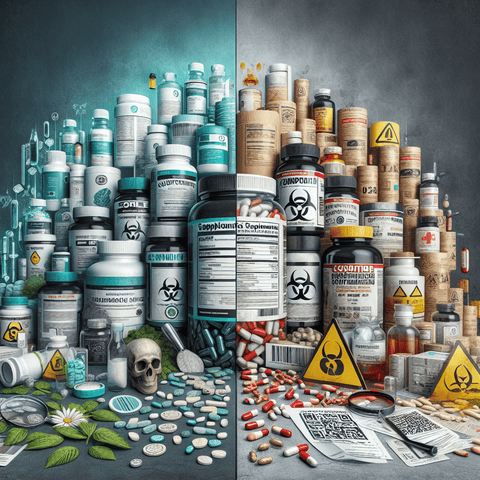
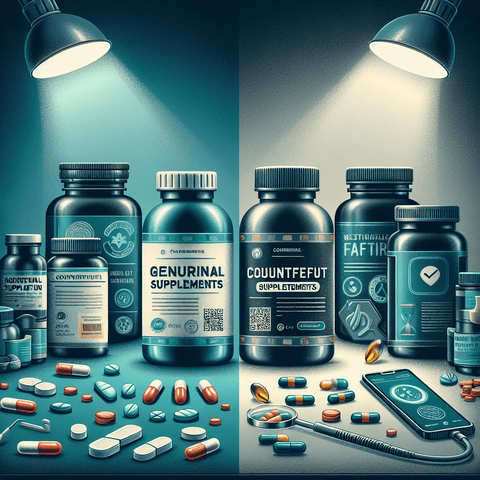
Navigating the world of dietary supplements can be challenging, especially with the growing number of health supplement scams preying on consumers. These fraudulent activities range from counterfeit products and deceptive marketing to unsafe manufacturing practices. While the vast majority of supplements are safe and beneficial, it's crucial to know how to identify and avoid the bad actors. This guide provides a broad overview of the common tactics used in supplement scams and offers practical, high-level strategies to help you make safer, more informed purchasing decisions.
What Defines a Health Supplement Scam?
A health supplement scam can take many forms, but it generally involves a product being misrepresented for financial gain. This can include selling counterfeit goods that imitate legitimate brands, or marketing products with ingredient lists that do not match what's actually inside the bottle. It also encompasses making unsubstantiated health claims, such as promising a cure for a disease or an immediate, dramatic weight loss. Understanding these fundamental types is the first step in recognizing them.
Transparency is a key marker of a legitimate supplement company. Scammers often rely on vague language, hidden ingredients, and a lack of verifiable information. In contrast, reputable brands are open about their sourcing, manufacturing, and testing processes. When a company is unclear about the basics of its product, it raises significant questions about its overall legitimacy.
Spotting the Red Flags: From Labels to Marketing
Learning to spot the red flags associated with health supplement scams is a powerful tool. These warning signs can appear on the product label itself or in the marketing materials used to promote it. Being able to quickly identify these indicators can save you from purchasing a potentially harmful product.
Questionable Labeling and Manufacturing
The product label is your first line of defense. Look for these potential issues:
- Missing lot numbers or batch codes that cannot be traced.
- Vague terms like "natural" or "clinically tested" without references to any supporting data or studies.
- Proprietary blends that conceal the exact amount of each ingredient.
- Certification seals that are unverifiable or appear to be counterfeit.
A lack of manufacturing transparency is another major warning sign. Legitimate companies are usually proud to share their Good Manufacturing Practices (GMP) certifications and third-party testing results. If this information is missing or difficult to access, it may indicate a lack of quality control.
Deceptive Marketing and Unrealistic Claims
Marketing is often where scams become most apparent. Be skeptical of any product that promises a miracle cure, an unearned guarantee, or results that sound unrealistic. Aggressive sales tactics, such as "limited-time offers" or high-pressure sales calls, are frequently used to prevent you from doing proper research. Always be wary of claims that seem too broad or definitive, especially if they are not supported by credible scientific evidence.
How to Verify a Supplement Company's Legitimacy
Before committing to a purchase, you can take several practical steps to verify that a supplement company is legitimate. These checks help you confirm that the company is who it says it is and that its products are subject to quality controls. This process is a cornerstone of avoiding health supplement scams.
- Check for third-party testing: Look for seals from independent organizations like NSF International, USP, or Informed Choice, which indicate that the product has been tested for quality and purity.
- Review company contact details: A legitimate company should have a physical address, a working phone number, and a responsive customer service team.
- Look for batch traceability: Check if the company offers a way to trace a product's batch number back to its manufacturing and testing records.
- Consult official resources: Use databases and resources from regulatory bodies like the FDA (for adverse events) and the FTC (for fraud complaints) to see if a company has a history of issues.
Taking these steps helps shift you from a passive consumer to an active investigator. It is a simple but effective way to filter out companies that are not operating with integrity. For further guidance, you may also explore our collection on supplements from healthy origins to see brands that emphasize transparent sourcing.
Key Questions to Ask Before You Buy
To further refine your decision-making process, consider these essential questions. They are designed to cut through the marketing noise and focus on the facts that matter most for safety and efficacy.
How to Spot a Fake Supplement Online
Online marketplaces are a common place to encounter counterfeit products. To spot a fake supplement, start by purchasing directly from the brand's official website or a verified and authorized retailer. Compare the product's packaging to images on the manufacturer's site, and be highly suspicious of deals that are significantly below the standard market price. Authentic products rarely have spelling errors on their labels, so that is another immediate red flag.
Who Is a Trustworthy Supplement Company?
While individual product needs vary, a trustworthy supplement company typically shares certain characteristics. They are transparent about their ingredient sourcing and manufacturing processes, they readily provide access to third-party certificates of analysis, and they make honest, scientifically-grounded claims. They are also upfront about potential side effects and do not rely on fear-mongering or miracle promises to sell their products. You can also check if they are a member of industry associations that promote ethical practices.
Understanding Third-Party Testing and Verification
Third-party testing is one of the most reliable ways to confirm a supplement contains what its label claims and is free from harmful contaminants. This process involves an independent lab that verifies the product's identity, purity, and potency. When a product has been tested, it often comes with a seal of approval from the certifying body. While not a federal requirement, it is a strong indicator of a company's commitment to quality. You can also look for batch-specific Certificates of Analysis (CoAs) on a company's website, which provide more detailed data.
If you are exploring options, considering brands that prioritize this level of transparency can be a good starting point. For example, you might explore health-focused supplement brands that often highlight their production standards.
Practical Steps to Protect Yourself from Scams
Spotting a scam before you buy is the best strategy, but you can also take steps to protect yourself as a consumer. This involves being organized and knowing what to do if you suspect you have purchased a fraudulent product. Building these habits protects your health and your finances.
- Keep records of all purchases, including receipts and batch numbers, to help trace a product if a problem arises.
- Report suspicious products or companies to the FTC and the FDA. These reports help these agencies track fraud and protect others.
- Be wary of international shipments that bypass standard customs declarations or offer no clear return policy.
- Remember that if a deal seems too good to be true, it very likely is. High discounts on premium supplements are a common lure for scams.
The Role of Regulatory Bodies and Where to Report
In the United States, two main government bodies oversee dietary supplements. The Food and Drug Administration (FDA) regulates the products themselves, including monitoring and taking action against unsafe and misbranded products after they are on the market. The Federal Trade Commission (FTC) regulates advertising and marketing, including taking action against companies that make false or unsubstantiated claims. Familiarizing yourself with their roles and reporting mechanisms is an important part of being a savvy consumer and helps combat health supplement scams on a broader level.
Exploring Supplements with Confidence
The goal of this guide is to help you navigate the supplement market with confidence, not fear. By understanding the tactics scammers use, you empower yourself to make choices based on scientific evidence and transparency. We encourage you to use the resources and checks outlined here as part of your routine when evaluating any new supplement. You can also explore our broad selection of natural supplement categories to see examples of products marketed with a focus on quality and transparency.
This guide serves as an introduction to the topic of health supplement scams. For more specific information, explore our related articles that delve into particular supplement types, ingredients, and verification methods. Always remember that this information is for educational purposes and is not a substitute for professional medical advice.