
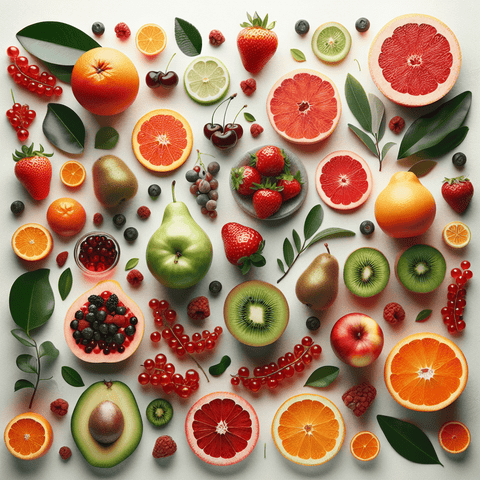
Entdecken Sie die besten Beeren mit hohem Vitamin C, die durch ihren Geschmack und ihre Brillanz natürlich hervorstechen. Dieser Leitfaden präsentiert eine kuratierte Auswahl an Beeren mit hohem Vitamin C, mit besonderem Augenmerk auf Geschmack, Farbe und Alltagsnutzung. Sie finden kleinen Profile, die zeigen, wie diese Auswahl in echten Snacks und Gerichten aussehen und wirken. Wenn Sie an Beeren mit hohem Vitamin C denken, fallen Ihnen oft Klassiker wie Erdbeeren, Himbeeren und Blaubeeren ein. Erdbeeren bieten ein aromatisches Aroma und einen leuchtend roten Farbton, mit einem saftigen, zufriedenstellenden Biss. Himbeeren liefern einen herben Biss und eine zarte Textur, während Blaubeeren eine milde Süße und eine glatte Schale haben. Diese Profile konzentrieren sich auf sensorische Qualitäten, die jede Beere einzigartig machen. Diese Beeren mit hohem Vitamin C lassen sich leicht in Ihren Alltag integrieren. Probieren Sie, sie auf Ihr Frühstücks-Müsli zu geben, in Joghurt zu mischen oder in einen Smoothie zu blendend. Streuen Sie eine Handvoll auf Salate oder Toasts für einen einfachen Geschmacks-Boost und eine farbenfrohe Note. Für die Auswahl sollten Sie auf pralle, gleichmäßig gefärbte Beeren mit frischem Aroma achten. Bewahren Sie sie gekühlt auf und waschen Sie sie erst vor der Verwendung, um ihre Textur und ihren Geschmack zu bewahren. Wenn Sie Lust auf eine schnelle Belohnung oder einen schnellen Austausch von Zutaten haben, bieten diese Beeren mit hohem Vitamin C flexible Möglichkeiten für den täglichen Genuss.
Top Hoch-Vitamin-C-Beeren zur natürlichen Stärkung Ihres Immunsystems
What Makes a Berry High in Vitamin C?
Berries are often described as high in vitamin C when they provide a meaningful amount of the nutrient relative to their weight or typical serving size. Vitamin C is a water-soluble vitamin that plays a role in normal immune function, collagen formation, and antioxidant protection. Since the body does not store it long-term, regular intake through foods like berries, citrus, and leafy greens is important. However, "high" is not a single threshold: a berry may be high per 100 grams but contribute less if eaten in small portions, or vice versa. Understanding this context helps when comparing different berries and when planning meals.
Several factors influence how much vitamin C a berry actually delivers. These include the berry variety, growing conditions, ripeness at harvest, storage time, and whether the berry is eaten raw, frozen, or cooked. Vitamin C is sensitive to heat, light, and oxygen, so long cooking or improper storage can reduce the amount available. Fresh and frozen berries generally retain more vitamin C than dried or heavily processed options, though frozen berries are often picked and frozen quickly, which can help preserve nutrients. This page provides a broad overview of the topic, while more specific comparisons and exact values are covered in individual articles.
Which Berries Stand Out for Vitamin C Content?
Among commonly discussed berries, blackcurrants, acerola cherries, and goji berries are frequently highlighted for their vitamin C content. Blackcurrants are often noted as one of the richest sources, while acerola cherries are known for concentrated vitamin C and are sometimes used in supplement form. Goji berries, usually consumed dried, also contain vitamin C but in amounts that can vary by product. Among more familiar berries, strawberries tend to offer more vitamin C per typical serving than blueberries, raspberries, or blackberries, though all of these contribute to overall intake. Cranberries contain vitamin C as well, but they are often consumed dried or as juice, which can affect the final nutrient profile.
Rather than treating one berry as the single best choice, it can be more useful to think in terms of variety and frequency. Different berries bring different flavors, textures, and additional nutrients such as fiber and antioxidants. A mix of fresh and frozen berries across the week can help maintain a steady intake of vitamin C along with other beneficial compounds. For readers who want a deeper ranking with specific milligram values and serving comparisons, dedicated articles on this tag page provide that level of detail.
How to Include High-Vitamin-C Berries in Everyday Eating
Adding berries to daily meals can be simple and flexible. Here are some practical ways to use them:
- Top yogurt, oatmeal, or cottage cheese with fresh or frozen berries.
- Blend berries into smoothies with other fruits and vegetables.
- Scatter a handful over salads for a sweet-tart contrast.
- Use berries as a natural topping for pancakes, waffles, or toast.
- Mix dried berries into trail mix or granola, keeping in mind they may contain added sugars.
When buying berries, choose plump, evenly colored fruit with a fresh fragrance. Refrigerate them and wash only just before eating to preserve texture and reduce nutrient loss. If you use frozen berries, keep them frozen until ready to use and avoid thawing and refreezing repeatedly. For those interested in broader nutritional support, our superfoods guide with EFSA-approved nutrient claims provides additional context on nutrient-dense foods.
Fresh, Frozen, or Dried: What to Consider
The form in which you eat berries can influence their vitamin C content. Fresh berries are often the reference point, but they can lose vitamin C during storage. Frozen berries are typically frozen shortly after harvest, which can help retain nutrients, and they are convenient for year-round use. Dried berries last longer but may have lower vitamin C due to the drying process, and some products include added sugar or preservatives. Juice and jams often involve heating, which reduces vitamin C further. For general purposes, a combination of fresh and frozen berries is a practical way to support intake without overcomplicating shopping or meal prep.
It is also worth noting that vitamin C from berries is just one part of overall nutrition. Other fruits, vegetables, and fortified foods also contribute. If you are considering vitamin C supplements, it is sensible to speak with a healthcare professional, especially if you take medications or have health conditions. Our vitamin C, immunity, and antioxidant energy category offers additional information on this nutrient.
Exploring Further: Related Topics and Questions
This tag page is designed as a broad hub for the topic of high-vitamin-C berries. It introduces the main concepts, highlights several berries that are often discussed, and offers practical context for everyday use. More specific questions—such as exact milligram values per berry, cup-by-cup comparisons, the top three healthiest berries, or how to reach a target vitamin C intake naturally—are better suited to dedicated articles linked from this page. Those articles can provide tables, charts, and detailed references to nutrient databases. Here, the goal is to help you understand the overall landscape and navigate to the most relevant deeper content.
For those who want to explore supplements and related nutrients, our natural supplements collection provides a starting point. As with any dietary change or supplement decision, it is best to consider your individual needs and consult a qualified healthcare provider if you have questions about your vitamin C intake or overall nutrition.