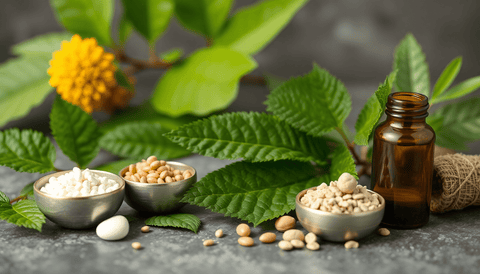
Entdecken Sie, wie Adaptogene wirken, indem Sie über Marketingaussagen hinausgehen und in die Wissenschaft der Stressreaktion eintauchen. Diese Seite erläutert, wie Adaptogene auf mehreren Ebenen funktionieren, von Molekülen in den Zellen bis hin zu den Systemen, die die Reaktion des Körpers auf Stress steuern. Der Begriff Adaptogen beschreibt Substanzen, die historisch zur Unterstützung der Widerstandskraft unter schwierigen Bedingungen verwendet wurden; moderne Forscher untersuchen, wie solche Substanzen mit physiologischen Wegen interagieren. Wenn wir darüber sprechen, wie Adaptogene wirken, konzentrieren wir uns auf die Mechanismen, die Forscher vorgeschlagen haben, auf die Gestaltung der Experimente und auf die bisherige Evidenz. Es ist wichtig zu beachten, dass die Forschungsergebnisse variieren und viele Fragen noch offen sind. Im Kern untersuchen Wissenschaftler, wie Adaptogene die Stressreaktion beeinflussen. Potenzielle Zielstrukturen sind die hypothalamisch-hypophysäre-adrenale Achse, die Signalkette, die Organismen bei der Bewältigung von Stress unterstützt, sowie nachgelagerte Messgrößen wie Cortisol, ein Hormon, das häufig als Biomarker in Studien verwendet wird. Forscher betrachten auch den Energiestoffwechsel und zelluläre Signalwege, die steuern, wie Zellen auf Stress reagieren, einschließlich Wege, die Antioxidantienverteidigungen und mitochondrialen Funktionen regulieren. Da verschiedene botanische Quellen oder Zubereitungen unterschiedliche molekulare Zielstrukturen ansprechen können, wird die Frage, wie Adaptogene wirken, vom Kontext und der Zubereitung abhängig. Beachten Sie, dass viel Arbeit auf präklinischen Modellen oder kleinen Humanstudien beruht, sodass Schlussfolgerungen vorläufig bleiben. Um zu verstehen, wie Adaptogene wirken, messen Wissenschaftler sowohl Biomarker als auch funktionale Messgrößen. Cortisol kann im Speichel, Blut oder Haar untersucht werden, während die Zellenergie anhand von Indikatoren wie ATP-Produktion oder mitochondrialer Atmung in Labormodellen bewertet werden kann. Studien untersuchen auch Veränderungen in der Genexpression im Zusammenhang mit Stressreaktionswegen und entzündlichen Signalen. Die Ergebnisse variieren häufig je nach Studiendesign, Art, Dosierung und Zubereitung des Extrakts, wodurch die Interpretation der Ergebnisse vorsichtig erfolgen sollte. Deshalb betonen Übersichten die Bedeutung der Qualität der Belege und die Notwendigkeit standardisierter Methoden. Praktische Tipps für den Umgang mit diesem Thema umfassen die Bevorzugung hochwertiger, peer-reviewed Quellen und die Suche nach Transparenz sowohl bei der Extraktzusammensetzung als auch bei der Studienplanung. Beim Bewerten von Informationen sollten Sie prüfen, ob die Zubereitung standardisiert ist und ob die Studie präklinisch, beobachtend oder randomisiert ist. Achten Sie auf potenzielle Interessenkonflikte sowie auf den Unterschied zwischen mechanistischen Erkenntnissen und praktischen Empfehlungen. Abschließend sollte man das Lernen darüber, wie Adaptogene wirken, als wissenschaftliche Fragestellung betrachten — welche Wege vorgeschlagen werden, welche Belege diese Vorschläge stützen oder widerlegen und wo noch Lücken für zukünftige Forschung bestehen.
Wie funktionieren Adaptogene? Die Wissenschaft hinter stressabbauenden Kräutern
Adaptogens have become a popular topic in the world of wellness, but what does the science really say? The term 'adaptogen' refers to a group of herbs that are believed to help the body resist and adapt to stress. Instead of focusing on a single action, these botanicals are thought to work holistically, supporting the body's natural ability to maintain balance or homeostasis. This guide will explore the core concepts behind how adaptogens work, the main mechanisms at play, and the factors that influence their effects, providing a broad foundation for understanding these intriguing plants.
For anyone interested in stress management and natural health, understanding the principles of adaptogens is a valuable first step. The following sections will cover the meaning of adaptogens, the primary ways they interact with the body, and how to evaluate the science behind them. We will also introduce some of the most well-known adaptogenic herbs and highlight important considerations for their use, helping you navigate the broader landscape of stress-supportive supplements.
What Are Adaptogens?
The concept of adaptogens was first formalized in the mid-20th century by Soviet scientists studying natural substances that could enhance performance and resilience. A substance is generally considered an adaptogen if it meets several key criteria. It should be non-toxic when used appropriately, produce a non-specific response in the body, helping it cope with various types of stress, and have a normalizing effect, meaning it helps counteract imbalances in the body. These effects are distinct from those of stimulants, which increase activity, or sedatives, which decrease it.
Common adaptogenic herbs include ashwagandha, rhodiola rosea, ginseng, and holy basil. These herbs have been used for centuries in traditional systems of medicine like Ayurveda and Traditional Chinese Medicine to promote vitality and emotional well-being. Their traditional use often aligns with the modern scientific focus on how they influence the body's stress-response systems. It's important to note that the research on adaptogens is a growing field, with many studies showing promising results, but it is also a field where conclusions remain tentative due to varying study designs and the complexity of botanical preparations.
How Adaptogens Interact With the Body
The primary way adaptogens are believed to work is through the hypothalamic-pituitary-adrenal (HPA) axis, which is the body's central stress response system. When you encounter a stressor, the HPA axis goes to work, leading to the release of hormones like cortisol to help you respond. Repeated or chronic stress can dysregulate this system. Adaptogens are thought to modulate the HPA axis, helping it respond appropriately to both high and low stress levels. This modulation aims to support a balanced stress response rather than a constant state of 'fight or flight'.
Beyond the HPA axis, research indicates that adaptogens can affect stress responses at a cellular level. Many adaptogens have been studied for their influence on mitochondrial function. Mitochondria are the energy-producing organelles in our cells, and their efficiency is crucial for maintaining energy during stressful periods. By supporting mitochondrial health, adaptogens may help the body maintain energy production and reduce fatigue. Furthermore, the antioxidant properties of many adaptogens are considered a key part of their mechanism. They can help protect cells from oxidative stress, which is a form of cellular damage caused by free radicals.
The exact mechanisms can vary between different herbs. Each adaptogen contains a unique mix of bioactive compounds that may have diverse effects. For example, the active compounds in ashwagandha are called withanolides, while rhodiola contains rosavins and salidroside. These different compounds can interact with multiple targets in the body, contributing to the unique profile of each herb. This complexity is why the question of 'how' adaptogens work doesn't have a single simple answer, and why it is often described as a network effect rather than a singular pathway.
The Science Behind the Claims
Given the growing popularity of adaptogens, it is natural to ask if they really work. The answer, based on current research, is nuanced. Several clinical trials have shown significant benefits, particularly for specific adaptogens like ashwagandha and rhodiola. For example, some studies have found that ashwagandha can help reduce perceived stress and lower cortisol levels. Yet, many of these studies are small, of short duration, and may have limitations in their design, such as a lack of a placebo control group or a narrow participant pool.
The scientific literature is also characterized by a large amount of preclinical research, which is conducted on cells or animals. While this research is valuable for understanding potential mechanisms, it does not necessarily translate directly to humans. The effects seen in a lab dish or in rodents may differ significantly in the context of human physiology. Therefore, while there is a promising evidence base, it is important to consider the quality and size of the studies behind any specific adaptogen claim. The field is moving forward, but many conclusions remain preliminary.
Furthermore, researchers might use different biomarkers to measure stress, such as cortisol levels in saliva or blood, or they might rely on self-reported questionnaires about anxiety and well-being. The variety of outcomes makes it challenging to compare studies directly. The preparation of the extract is another critical variable; a specific extract or a whole-plant preparation can yield different results. It’s also worth acknowledging that study funding often comes from manufacturers, which can introduce a potential source of bias, though receiving funding does not automatically invalidate the research.
A Look at Some Popular Adaptogens
While there is no single 'best' adaptogen for everyone, certain herbs have risen in popularity and have more research behind them. Here is a high-level look at a few well-known examples to illustrate the diversity within this category.
- Ashwagandha: Often studied for its ability to reduce stress and anxiety. Some clinical trials have shown it can lower cortisol levels and improve overall well-being.
- Rhodiola Rosea: Frequently used to combat mental and physical fatigue. Research suggests it may improve mood and performance during stressful or demanding situations.
- Ginseng: A broad category that includes Asian and American ginseng. It is often associated with supporting energy, cognitive function, and vitality.
- Holy Basil (Tulsi): An herb traditionally used to promote a balanced stress response and overall emotional well-being. It is often consumed as a tea.
Each of these herbs has its own profile of active compounds and a different evidence base. For example, the research on ashwagandha's effects on cortisol is more substantial than that for other adaptogens. The choice of which adaptogen to explore may depend on the specific effect you are looking for, such as reducing anxiety, improving stamina, or supporting cognitive function. It is always best to research the specific adaptogen you are interested in to understand its potential effects and the evidence supporting its use.
Practical Considerations and Important Notes
When considering an adaptogenic supplement, the quality of the product is a major factor. The concentration of active compounds, known as standardization, can vary greatly between brands. A high-quality supplement will typically list the specific extract and the percentage of active compounds on its label. It's also important to consider the preparation; for example, a water-based extract versus an alcohol-based extract may yield different compound profiles. Researching the brand and looking for third-party testing can provide additional reassurance.
Although adaptogens are generally well-tolerated, they can have side effects and may interact with certain medications. For instance, some adaptogens can affect blood pressure, blood sugar levels, or hormone levels. Additionally, the effects of adaptogens can take time to be noticed; they are often used over a period of weeks or months to see potential benefits. Because individual responses can vary and the research is still evolving, it's always wise to start with a low dose to see how your body reacts and to discuss any new supplement regimen with a qualified healthcare professional.
For those interested in exploring the broader landscape of nutritional supplements that can support health and well-being, you may find our section on natural supplements helpful. Additionally, understanding more about specific ingredients like those found in herbal supplements can provide a deeper context for how botanicals are traditionally used. These resources can serve as a starting point for further research into the products that align with your wellness goals.
Exploring the Topic Further
This guide has covered the fundamental aspects of how adaptogens are believed to work, from their definition to their interaction with the body's stress systems and the state of the science. The topic is rich with nuances, including how different herbs affect various signaling pathways and the questions that remain in the research. For example, you might be interested in learning more about how a specific adaptogen affects energy levels compared to another, or the science behind how a particular compound interacts with cortisol receptors.
Many specific questions, like the ideal dosage for a particular herb, the difference between various extracts, or how to choose between adaptogens, are best addressed by dedicated articles. The goal of this tag page is to provide a strong, broad foundation that helps you understand the general principles and navigate more detailed information with better confidence. We encourage you to explore our blog for more in-depth articles on specific herbs and health topics that interest you.