Immunsystem: Wie es funktioniert und wie man es stärkt


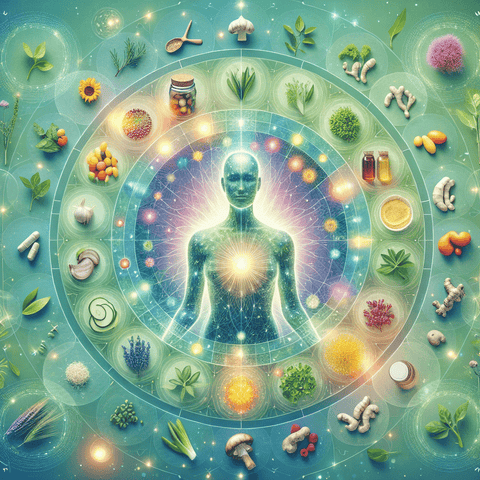
Erkunde, wie das Immunsystem dich schützt, und erhalte wissenschaftlich fundierte, praktische Tipps—Schlaf, Ernährung, Bewegung—um die Immunität sicher und effektiv zu stärken. Das Immunsystem ist ein Netzwerk aus Barrieren, Zellen und Signalmolekülen, die den Körper vor Bedrohungen schützen. Es umfasst physische Barrieren wie Haut und Schleimhäute sowie Immunzellen wie Makrophagen, Neutrophile und Lymphozyten. Das Immunsystem arbeitet in Phasen, wobei angeborene Komponenten eine schnelle, allgemeine Abwehr bieten und adaptive Komponenten lernen, spezielle Eindringlinge anhand von Antikörpern zu erkennen. Lymphgefäße und Organe wie Lymphknoten koordinieren die Reaktionen, während Signalmoleküle namens Zytokine den Zellen die Kommunikation ermöglichen. Das Verständnis dieses Systems kann aufzeigen, wie der Körper im dynamischen Umfeld das Gleichgewicht aufrechterhält. Wissenschaftlich belegte Beobachtungen zeigen, dass Schlafmuster beeinflussen, wie das Immunsystem arbeitet. Während des Schlafs passt der Körper die Immunaktivität und die Signalisierung von Immunzellen an, was die Organisation der Reaktionen am nächsten Tag beeinflussen kann. Ein konsequenter Schlaf unterstützt das Timing und die Koordination dieser Prozesse, während Störungen die Rhythmen stören können, die die Immunfunktion mit dem Alltag in Einklang bringen. Deshalb wird Schlaf oft als Teil eines ganzheitlichen Ansatzes für Wohlbefinden betrachtet, der die natürlichen Zyklen des Körpers respektiert. Ernährung und das Immunsystem stehen in Verbindung durch die Verfügbarkeit von Ressourcen, die die Immunprozesse unterstützen. Ein ausgewogenes Ernungsmuster stellt sicher, dass Immunzellen und Signalisierungswege die Bausteine haben, die sie unter normalen Bedingungen benötigen. Anstatt sich auf spezielle Ernährungsetiketten zu konzentrieren, besteht die Idee darin, die Nährstoffversorgung im Gleichgewicht zu halten, damit das Immunsystem innerhalb seines üblichen Bereichs arbeiten kann. Laufende Forschungen untersuchen weiterhin, wie unterschiedliche Ernährungsweisen die Dynamik des Immunsystems im Zusammenhang mit Gesundheit und Krankheit beeinflussen. Bewegung und körperliche Aktivität interagieren auf Weisen mit dem Immunsystem, die die Regulation mehrerer Körpersysteme widerspiegeln. Regelmäßige, sichere körperliche Aktivität kann die Immunfunktion beeinflussen, indem sie die Kreislauffähigkeit, den Stoffwechsel und das Stressmanagement unterstützt. Die Beziehung hängt von Faktoren wie Intensität, Dauer und individuellem Kontext ab; daher sind Personalisierung und Sicherheit entscheidend. Durch eine bewusste Integration von Bewegung in den Alltag kannst du Prinzipien umsetzen, die auf wissenschaftlichen Erkenntnissen basieren und die Rolle des Immunsystems bei der Aufrechterhaltung des Gleichgewichts respektieren.


10 Reasons Your Immune System Feels Weak - Topvitamine
April 28, 2026
Entdecken Sie die Top 10 Gründe, warum Ihr Immunsystem schwach sein könnte, und lernen Sie praktische Tipps, um Ihre Abwehrkräfte noch heute zu stärken. Bleiben Sie gesund und voller Energie mit unseren Experteneinsichten!
8 Ways to Support Your Immune System Without Supplements - Topvitamine
April 09, 2026
Wer sein Immunsystem stärken möchte, braucht meist keinen einzelnen Booster, sondern regelmäßige Gewohnheiten. Dieser Ratgeber zeigt acht alltagstaugliche Ansätze: eine ausgewogene Ernährung, ausreichend Schlaf, moderate Bewegung, weniger Stress, Tageslicht, Darmgesundheit, sinnvolle Hygiene und realistische Planung. Außerdem erfährst du, wann Nahrungsergänzungsmittel wie Vitamin D oder Zink überhaupt infrage kommen und wann eine ärztliche Abklärung sinnvoll ist.
Discover the Top Proven Strategies to Boost Your Immune System Naturally - Topvitamine
August 31, 2025
Wer sein Immunsystem stärken möchte, sollte bei den Grundlagen beginnen: abwechslungsreiche Ernährung, regelmäßiger Schlaf, Bewegung, Stressausgleich, Rauchverzicht und sinnvolle Hygienemaßnahmen. Vitamin C, Vitamin D, Zink und andere Nahrungsergänzungsmittel können bei unzureichender Versorgung eine Ergänzung sein, ersetzen aber keine ausgewogene Ernährung oder medizinische Behandlung. Dieser Ratgeber erklärt sieben alltagstaugliche Strategien und beantwortet häufige Fragen zu einem starken oder möglicherweise beeinträchtigten Immunsystem.

Your immune system is an intricate network of cells, tissues, and organs that work together to defend your body against harmful invaders like bacteria, viruses, and toxins. It's your body's natural defense mechanism, constantly patrolling for potential threats while distinguishing them from your own healthy cells. Understanding how this system functions—and the factors that influence it—can help you make informed choices about your overall well-being.

What Is the Immune System and How Does It Work?

The immune system is a multi-layered defense network that protects the body from foreign substances and pathogens. It consists of physical barriers, a variety of specialized cells, and signaling molecules that coordinate responses to potential threats.

The system operates at two main levels:

  • Innate immunity: This is your body's first line of defense. It provides immediate, non-specific protection through physical barriers like the skin and mucous membranes, as well as through general cellular responses.
  • Adaptive immunity: This level develops over time as your body learns to recognize specific pathogens. It involves specialized cells such as B-lymphocytes and T-lymphocytes that produce antibodies and mount targeted responses against particular invaders.

Communication is essential to immune function. Cells send and receive signals through molecules called cytokines, while lymphatic vessels and organs like lymph nodes serve as meeting points where immune cells coordinate their activities. This sophisticated system works continuously to maintain balance and protect against harm.

Signs That Suggest a Weakened Immune System

While everyone's immune system varies in its effectiveness, certain patterns may indicate that your defenses could use additional support. Common signs that people often associate with a weakened immune system include:

  • Frequent or recurring infections, such as colds or respiratory infections
  • Slow or delayed recovery from illnesses
  • Persistent fatigue that doesn't resolve with adequate rest
  • Digestive issues, since gut health is closely connected to immune function
  • Slow-healing wounds or frequent skin infections

It's important to note that experiencing one or more of these signs doesn't necessarily mean you have a weak immune system. Various lifestyle, genetic, and environmental factors can influence how your immune system responds. If you're concerned about your immune health, it's advisable to consult with a healthcare professional rather than self-diagnosing.

Lifestyle Factors That Support Immune Health

Several everyday habits can influence how well your immune system functions. While no single action guarantees a stronger immune response, consistently supporting your body through basic healthy practices can create favorable conditions for optimal immune function.

Quality Sleep and Immune Function

Sleep plays a significant role in immune regulation. During sleep, your body adjusts immune signaling and the activity of immune cells, which can influence how responses are organized the following day. Consistent, restorative sleep helps maintain the natural rhythms that align immune function with daily life. Disruptions to your sleep pattern can affect this coordination, which is why adequate rest is frequently discussed as part of a holistic approach to well-being.

Nutrition and the Immune System

The foods and nutrients you consume provide the raw materials that immune cells need to function properly. A balanced dietary pattern helps ensure that your immune system has the resources it requires to operate under normal conditions. Instead of focusing on rigid dietary labels, the emphasis should be on maintaining nutritional adequacy across your diet.

Key nutrients that are often discussed in the context of immune support include vitamins A, C, D, and several B vitamins, as well as minerals like zinc and selenium. These can be obtained through a varied diet that includes fruits, vegetables, whole grains, lean proteins, and healthy fats. For those with specific dietary restrictions or gaps, certain supplement categories may provide additional support.

Physical Activity and Immune Regulation

Regular, safe physical activity can influence immune system dynamics by supporting circulation, metabolic balance, and stress regulation. The relationship depends on factors such as intensity, duration, and individual context. Moderate, consistent movement is generally considered supportive of immune health, while excessive, exhaustive exercise without adequate recovery may temporarily affect immune function. Personalization and safety are key when integrating movement into your daily life.

Common Conditions Related to the Immune System

The immune system is complex, and its proper functioning depends on a delicate balance. When this balance is disrupted, various conditions may arise. Some of the more commonly recognized categories include:

  • Autoimmune diseases: These occur when the immune system mistakenly attacks healthy cells, such as in type 1 diabetes, rheumatoid arthritis, or multiple sclerosis.
  • Immunodeficiency disorders: These involve a weakened or absent immune response, making the body more susceptible to infections. These can be inherited or acquired.
  • Allergies: These are hypersensitivity reactions where the immune system overreacts to typically harmless substances like pollen, certain foods, or pet dander.

These broad categories represent just a few examples of how immune system dysregulation can manifest. Each involves different mechanisms, triggers, and management strategies, and they are typically diagnosed and treated by healthcare professionals.

Supplements and Immune Support: What to Consider

Many people turn to dietary supplements as part of their approach to supporting immune health. While supplements can help fill nutritional gaps, they are not substitutes for a balanced diet and healthy lifestyle. The scientific evidence supporting specific supplements for immune function varies, so it's important to approach this topic with informed caution.

For those exploring supplement options, certain nutrients and product categories are frequently discussed in connection with immune support. We carry a wide range of premium vitamins and supplements at Topvitamine. You may find our

When considering supplements, it's important to:

  • Look for high-quality products from reputable brands
  • Check for third-party testing or certifications where available
  • Follow recommended dosages and instructions on the label
  • Consult with a healthcare provider, especially if you have underlying health conditions or are taking medications

Exploring Immune Health Topics in Greater Depth

This page provides a broad overview of the immune system and the many factors that can influence its function. The following pages delve deeper into specific topics related to immune health, offering more detailed information for those interested in exploring further:

From understanding the specific roles of individual nutrients to exploring how different lifestyle habits affect immunity, the blog articles associated with this tag provide practical insights and evidence-informed guidance. Whether you're looking to understand how sleep impacts your defenses, which foods might be most beneficial, or whether a particular supplement could be right for you, these resources offer valuable perspectives.

Always remember that individual needs vary, and what works for one person may not be appropriate for another. General information can help you make more informed decisions, but it's always wise to consider your personal health circumstances when making choices about your well-being.