7 überraschende Vorteile des Immunsystems, um Ihre Gesundheit noch heute zu stärken


Entdecke 7 überraschende Vorteile für dein Immunsystem, die du heute genießen kannst, indem du praktische Tipps, einfache Gewohnheiten und schnelle Maßnahmen umsetzt, um deine Abwehrkräfte und dein Wohlbefinden zu stärken. Diese Seite konzentriert sich auf alltägliche Entscheidungen, die die Widerstandskraft deines Körpers und dein Lebensgefühl unterstützen. Hier findest du keine medizinischen Rezepte – nur zugängliche Ideen, die du sofort anpassen kannst, um dein tägliches Befinden von morgens bis abends positiv zu beeinflussen. Lies weiter, um praktische Schritte zu entdecken, die mit dem Gedanken an Immunsystem-Vorteile im breiten, alltäglichen Sinne in Einklang stehen. Ein Säulenpfeiler ist der Rhythmus: Strebe nach einem konstanten Schlaf-Wach-Rhythmus und einer kurzen Entspannungsroutine. Kombiniere das mit ein paar ruhigen Atemmomenten oder einer kurzen Achtsamkeitspause im Laufe des Tages. Etabliere eine einfache Gewohnheit, nach dem Aufwachen ein Glas Wasser zu trinken und eine kurze Bewegungseinheit einzubauen – sogar ein 10-minütiger Spaziergang zählt. Diese kleinen Änderungen können zu den Vorteilen für das Immunsystem und zu einem konstanten Gefühl des Wohlbefindens beitragen. Ein weiterer Pfeiler ist das Umfeld und die Verbindung: Verbringe, wenn möglich, Zeit im Freien im natürlichen Licht und pflege kleine, positive Kontakte zu anderen. Einfache Routinen wie eine regelmäßige Handhygiene und das Aufräumen eines ordentlichen, angenehmen Raums schaffen ein verlässliches tägliches Muster. Zusammen können diese Maßnahmen die Vorteile für das Immunsystem und die Stimmung unterstützen, sodass sich das tägliche Leben geerdeter anfühlt. Um heute loszulegen, wähle drei Mikro-Gewohnheiten, die du sofort starten kannst, stelle eine kurze Erinnerung ein und verfolge ein paar einfache Erfolge. Zum Beispiel setze dir ein Ziel für die Schlafenszeit, mache eine kurze Atemübung und plane einen kurzen Moment im Freien. Wenn du diese schnellen Maßnahmen in deinen Tag integrierst, kannst du über die Zeit sieben Vorteile für dein Immunsystem entfalten und dein Gesamtwohlbefinden fördern.


Where is the most vitamin C found? - Topvitamine
December 14, 2025
Vitamin-C-reiche Lebensmittel sind vor allem Paprika, schwarze Johannisbeeren, Guave, Kiwi, Brokkoli und Zitrusfrüchte. Exotische Früchte wie Acerola und Kakadu-Pflaume können deutlich höhere Mengen enthalten, sind aber nicht überall frisch erhältlich. Der Artikel vergleicht praktische Quellen, erklärt den Einfluss von Lagerung und Erhitzen und ordnet Vitamin C im Zusammenhang mit anderen Antioxidantien ein. Außerdem erfahren Sie, wann ein Präparat sinnvoll sein kann und worauf Sie bei der Auswahl achten sollten.
What organ does vitamin C affect? - Topvitamine
October 31, 2025
Welches Organ beeinflusst Vitamin C am stärksten? Die kurze Antwort lautet: kein einzelnes Organ. Vitamin C wird im Dünndarm aufgenommen, über das Blut verteilt und von verschiedenen Geweben genutzt. Besonders wichtig ist es für normale Immunfunktionen, die Kollagensynthese, Haut und Bindegewebe sowie den Schutz der Zellen vor oxidativem Stress. Der Artikel erklärt außerdem Lebensmittelquellen, Supplemente, Dosierung und wichtige Sicherheitsaspekte.
Is it good to take a probiotic daily? - Topvitamine
October 14, 2025
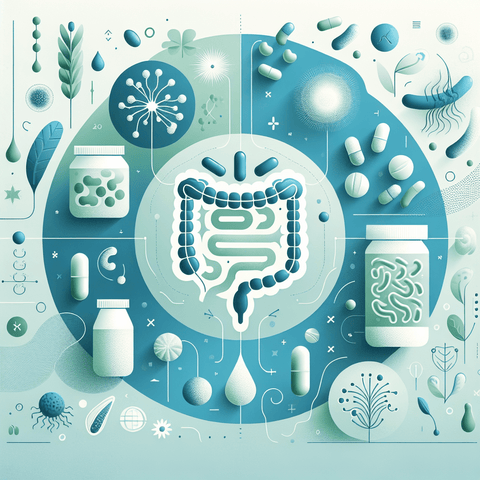
Probiotika täglich einzunehmen kann für manche Menschen sinnvoll sein, ist aber nicht automatisch für alle notwendig. Entscheidend sind der konkrete Zweck, der verwendete Stamm und eine passende Dosierung. Der Beitrag erklärt, wie Probiotika die Verdauung unterstützen können, worauf Sie bei Produkten achten sollten und welche Rolle Ballaststoffe, Präbiotika und fermentierte Lebensmittel spielen. Auch Nebenwirkungen, Vorsichtsmaßnahmen und mögliche Hinweise auf einen ärztlich abklärungsbedürftigen Enzymmangel werden behandelt.

When we talk about immune system benefits, we are referring to the positive outcomes of supporting your body’s natural defense network. This complex system works constantly to identify and respond to potential challenges, and its effectiveness is influenced by many everyday factors, including your sleep, stress levels, nutrition, and physical activity. This page explores the broad topic of immune health, offering a map of the key areas that contribute to your body's resilience and a sense of overall well-being. Here, you will find a high-level overview designed to help you understand the main pillars of immune support and guide you to more specific resources.

What Does a Healthy Immune System Mean?

The immune system is not a single organ but a network of cells, tissues, and proteins that work in concert to defend the body against harmful invaders like viruses, bacteria, and other pathogens. A well-functioning, or 'strong,' immune system is often described as one that can effectively recognize and respond to these threats while also maintaining tolerance to the body's own healthy cells. Rather than viewing it as a switch that can be turned on, it is more accurate to think of immunity as a state of balance, influenced by a variety of interconnected lifestyle and environmental factors.

The benefits of having a well-supported immune system are felt in everyday life. While it doesn't guarantee you will never get sick, it means your body is better equipped to handle daily challenges and recover more efficiently. This translates to feeling more energetic, resilient, and better able to maintain your normal routine. Supporting your immune system is a proactive approach to wellness, focusing on building a foundation of health through consistent, positive habits.

Key Pillars of Everyday Immune Support

There are several fundamental lifestyle areas that play a significant role in how well your immune system functions. These are the broad building blocks that form the basis of a resilient body. Focusing on these areas is a practical, effective way to support your health from day to day.

The Role of Nutrition & Essential Nutrients

What you eat provides the raw materials your immune system needs to build and maintain its defenses. A varied diet rich in colorful fruits, vegetables, lean proteins, and healthy fats ensures you receive a broad range of micronutrients. Certain vitamins and minerals are particularly noted for their role in supporting immune function, such as Vitamin C, found in citrus fruits and peppers; Vitamin D, which you can get from sunlight and fortified foods; and Zinc, present in nuts, seeds, and legumes.

While a balanced diet is the ideal foundation, nutritional gaps can occur. In such cases, some people explore high-quality supplements to help fill those gaps. For instance, you can explore specific information on Vitamin C, immunity, and antioxidant benefits or get a comprehensive overview with a guide to multivitamins, their ingredients, and usage. Remember, supplements are meant to complement a healthy diet, not replace it.

Sleep, Stress, and Physical Activity

Beyond nutrition, your daily habits have a profound impact on your immune system. Quality sleep is a time of active repair and regulation for the body, making consistent, restful sleep a cornerstone of immune health. Similarly, chronic stress can take a toll on your body's ability to maintain balance, so finding ways to manage stress is crucial. This might involve simple practices like deep breathing, taking a short walk, or engaging in a hobby you enjoy.

Regular, moderate physical activity is another important pillar. Exercise promotes healthy circulation, which allows immune cells to move through the body efficiently. This doesn't mean intense workouts; a daily 20-30 minute walk, cycling, or yoga session can be highly beneficial. The goal is consistent movement that you enjoy and can sustain.

Everyday Habits: Hydration, Hygiene, and Environment

Simple, practical habits also contribute to a well-supported immune system. Staying adequately hydrated helps all your body's systems function properly. Good hygiene practices, such as regular handwashing, are your first line of defense in preventing the spread of pathogens. Your environment also plays a role; spending time outdoors in natural light and maintaining a clean, comfortable living space can positively impact your mood and overall sense of well-being, which in turn supports your immune health.

Recognizing the Signs of a Well-Supported vs. Compromised System

It can be helpful to understand what a robust immune response looks like compared to one that may need more support. While these signs are general and not a medical diagnosis, they can offer insight into your own body.

A well-supported immune system is often associated with a consistent level of energy, the ability to recover quickly from minor daily stresses, and a general sense of vitality. On the other hand, a weaker immune system might be indicated by frequent or slow-healing illnesses, persistent fatigue, or high stress levels. If you have concerns about your immune health, it is always best to consult with a healthcare professional.

Getting Started: Simple Micro-Habits to Support Your Immune System

The idea of overhauling your lifestyle can be daunting. Instead, the most effective approach is to focus on small, manageable micro-habits. Start by choosing a few simple actions you can easily integrate into your daily routine. Consistency is far more important than intensity.

Here are a few practical examples to get you started:

  • Aim for a consistent sleep-wake schedule, even on weekends.
  • Start your day with a glass of water to rehydrate after sleep.
  • Take a short 10-15 minute walk outdoors during the day.
  • Incorporate a brief mindfulness or deep-breathing exercise into your afternoon break.
  • Choose one extra serving of vegetables or fruit to add to a meal.

By focusing on these small, positive actions, you can begin to build a stronger foundation for your health. Over time, these habits can contribute to the overall benefits of a well-supported immune system, helping you feel more grounded, energetic, and resilient in your daily life.