
Die Kennzeichnung von Inhaltsstoffen kann verbergen, was in einem Produkt enthalten ist, und in einigen Fällen zu Etiketten führen, die die tatsächlichen Inhalte nicht widerspiegeln. Auf dieser Seite finden Sie Hinweise zu Warnzeichen, wie man betrügerische Verpackungen erkennt, und praktische Schritte, um Ihre Familie zu schützen. Der Fokus liegt darauf, Diskrepanzen zu erkennen und die Muster zu verstehen, die auf eine falsche Kennzeichnung der Inhaltsstoffe hinweisen, damit Sie informierte Entscheidungen treffen können. Warnzeichen für falsche Kennzeichnung der Inhaltsstoffe sind fehlende oder vage Angaben zu den Inhaltsstoffen, Diskrepanzen zwischen der Liste auf dem Etikett und der Verpackung des Produkts sowie ungewöhnliche oder inkonsistente Schriftarten. Weitere Hinweise können ein Etikett in mehreren Sprachen, manipulierte oder unklare Verpackungen oder fehlende Lot- oder Haltbarkeitsangaben sein. Auf diese Hinweise zu achten, hilft Ihnen, mögliche falsche Kennzeichnungen zu erkennen und falsche Annahmen darüber zu vermeiden, was ein Produkt enthält. So erkennen Sie betrügerische Verpackungen im Zusammenhang mit falscher Inhaltsstoffkennzeichnung: Untersuchen Sie die Verpackung auf Manipulationssicherheitsmerkmale, vergleichen Sie das Design mit bekannten authentischen Versionen und prüfen Sie, ob Angaben zu Allergenen (falls vorhanden) mit den aufgelisteten Inhaltsstoffen übereinstimmen. Bestätigen Sie, dass der Barcode und die Produktbeschreibung mit dem vorgesehenen Artikel übereinstimmen, und achten Sie auf Unstimmigkeiten zwischen Behälter und Etikett. Wenn etwas nicht stimmt, sollten Sie es dokumentieren, zum Beispiel mit einem Foto, die Verpackung aufbewahren und sich bei Hersteller oder Händler über offizielle Kanäle erkundigen. Praktische Schritte zum Schutz Ihrer Familie vor falscher Kennzeichnung der Inhaltsstoffe: Bewahren Sie Verpackungen und Kaufbelege für Referenzzwecke auf, vergleichen Sie die Inhaltsstoffe mit offiziellen Herstellerwebsites oder Regulierungsdatenbanken und bitten Sie im Zweifel um eine Klärung bei Händlern oder Herstellern. Melden Sie vermutete falsche Kennzeichnungen an die zuständige Verbraucherschutzbehörde oder an relevante Stellen und bleiben Sie wachsam beim Einkauf in neuen oder unbekannten Geschäften. Durch eine Routine der Überprüfung und Dokumentation können Sie das Risiko verringern, durch betrügerische Etiketten in die Irre geführt zu werden.
Zutatenkennzeichnung falsch: Versteckte Allergene und Fake-Etiketten
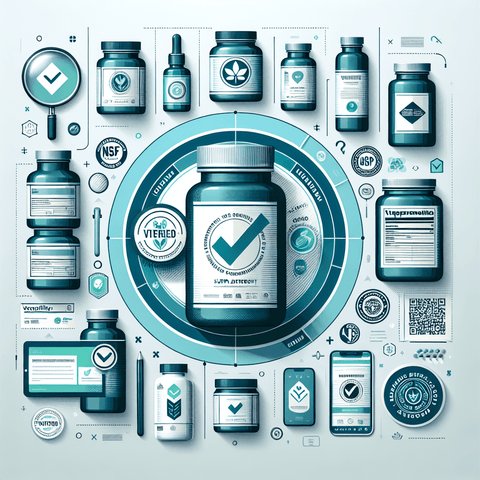
Ingredient mislabeling is a term that raises important questions for anyone who uses dietary supplements, vitamins, or packaged foods. It refers to situations where what is on the label does not accurately represent what is inside the product. This can range from small inaccuracies in an ingredient list to more serious issues like hidden allergens or completely unlisted substances. For consumers, understanding ingredient mislabeling is about more than just label accuracy—it is about safety, transparency, and making informed choices for yourself and your family. This page serves as a broad guide to the topic. Here, you'll learn what ingredient mislabeling means, how it differs from related legal concepts like misbranding, why it matters for your health, and what practical steps you can take to verify the products you buy. We'll also explore the regulatory landscape and the warning signs that can help you spot potentially mislabeled supplements.
What Does Ingredient Mislabeling Mean?
At its core, ingredient mislabeling is a failure of accuracy. When you purchase a product, you rely on the label to tell you what you are consuming. Mislabeling breaks that trust by presenting information that is incomplete, inaccurate, or deliberately misleading. This can include:
- Undeclared ingredients, such as allergens hidden in a product without being listed.
- Substituted ingredients, where a cheaper or different substance replaces a listed one without disclosure.
- Inaccurate quantities, where the amount of an ingredient listed on the label does not match what is actually in the product.
- False claims, such as describing an ingredient as "natural" or "pure" when it is not.
For example, a supplement might list only "herbal blend" without specifying which herbs are included, so consumers do not know what they are actually taking. In more serious cases, a product advertised as one ingredient might contain another entirely, a practice sometimes called adulteration. The term "food fraud" is also used to describe intentional acts of misrepresentation for economic gain, and ingredient mislabeling is a common form of this.
Mislabeling vs. Misbranding: Understanding the Distinction
While often used interchangeably, "mislabeling" and "misbranding" have distinct meanings in regulatory contexts. Misbranding is a legal term used by agencies like the U.S. Food and Drug Administration (FDA) to describe a product whose labeling is false or misleading in any particular way. This can include issues with the label itself, such as missing required information like the manufacturer's name or net weight, or making deceptive claims about the product's benefits.
Ingredient mislabeling, on the other hand, is a more specific concern that falls under this broader umbrella. It focuses on the ingredient list and the accuracy of what is declared versus what is actually present. While the FDA oversees most food and supplement labeling, the Federal Trade Commission (FTC) also plays a role in regulating advertising claims. Understanding the difference is useful because it clarifies how authorities may respond and what a consumer can expect when a violation is suspected.
Potential Health Risks of Mislabeled Ingredients
The risks associated with ingredient mislabeling are not just hypothetical. For some people, exposure to an undeclared allergen can cause serious reactions. For others, taking a supplement that contains a different ingredient than expected may lead to unintended side effects or interactions with medications. Even when the immediate risk is low, consistently purchasing mislabeled products undermines your ability to make informed decisions about your health.
The supplement industry, in particular, has seen cases involving hidden fillers, undisclosed active ingredients, or even different substances replacing what was listed. These practices can have real consequences, which is why label accuracy matters so much. Regulatory actions, product recalls, and lawsuits related to mislabeling highlight the importance of transparency across the supply chain. These events also serve as reminders for consumers to remain vigilant.
Warning Signs of Ingredient Mislabeling
Being able to spot the warning signs of ingredient mislabeling is a valuable skill. While not every suspicious detail indicates a problem, certain patterns may deserve a closer look:
- Missing or vague ingredient information, such as a generic "proprietary blend" without full disclosure.
- Discrepancies between the ingredient list and other information on the packaging.
- Unusual or inconsistent typography, which may suggest an altered label.
- A label in multiple languages that does not provide consistent information across each version.
- Missing lot numbers, expiration dates, or other standard manufacturing details.
- Packaging that appears tampered with or does not match the design of known authentic versions.
These signs are not proof of mislabeling on their own, but they can be signals to investigate further before using a product.
How to Spot Deceitful Packaging
Examining packaging carefully can reveal clues about a product's authenticity and label accuracy. Consider the following steps:
- Check for tamper-evident features, such as sealed caps or shrink wrap, and make sure they are intact.
- Compare the packaging design with known authentic versions, either from previous purchases or the manufacturer's website.
- Verify that allergen declarations, if present, align with the listed ingredients.
- Ensure the barcode and product description match the intended item.
- Look for mismatches between the container and the label, such as a label that looks too large or too small for the bottle.
If something seems off, consider documenting the issue with a photo, preserving the packaging, and reaching out through the manufacturer's or retailer's official channels for clarification.
Practical Steps to Protect Your Family
Building a routine of verification and documentation can significantly reduce the chances of being misled by deceitful labeling. Here are some practical steps to consider:
- Keep packaging and purchase details, such as receipts and lot numbers, for future reference.
- Cross-check ingredient lists with official manufacturer websites or regulatory databases.
- Request clarification from retailers or manufacturers when anything is unclear.
- Report suspected mislabeling to the appropriate consumer protection agency or relevant authorities.
- Stay vigilant when buying from new or unfamiliar stores, whether online or in person.
When choosing supplements or other health products, it can also be helpful to explore brands and product types that prioritize transparency in their sourcing and manufacturing. For instance, you may wish to review our natural supplements or look into our multivitamin guide for more information on what to look for in a quality product.
The Regulatory Landscape and Food Fraud
Food fraud and ingredient mislabeling are not new problems, but regulatory oversight continues to evolve. Agencies like the FDA and USDA have established definitions and enforcement mechanisms to address misleading labels. The FDA, for instance, is responsible for overseeing the safety and labeling of dietary supplements, while the USDA covers certain food products. The FTC can also become involved when advertising claims are deceptive.
Recalls and enforcement actions related to mislabeling are periodically reported, and these events serve as important reminders of the ongoing need for vigilance. While regulators work to set standards, the reality is that individual consumers are often the first line of defense. Understanding the legal definitions and staying informed about common practices can help you navigate the supplement market with greater confidence.
Frequently Asked Questions About Ingredient Mislabeling
Can you sue for mislabeled food?
Consumers may be able to take legal action against companies that sell mislabeled food, depending on the circumstances and the laws in their jurisdiction. Lawsuits around mislabeling often involve claims of false advertising, breach of warranty, or other consumer protection violations. If you believe you have been harmed by a mislabeled product, consulting with a legal professional who understands food law can provide guidance on your options.
What is false labeling on food?
False labeling on food, or mislabeling, occurs when the information on a product's label does not accurately represent what is inside. This can include undeclared ingredients, incorrect quantities, or misleading claims about the product's nature or origin. False labeling is a violation of consumer trust and can be subject to regulatory action, especially when it creates a risk to health.
Is misbranding illegal?
Yes, misbranding is illegal under U.S. law. The FD&C Act prohibits the introduction or delivery for introduction into interstate commerce of any food or drug that is misbranded. Misbranding includes labels that are false or misleading, fail to provide required information, or feature misleading packaging or design.
Explore More About Supplement Transparency
Understanding ingredient mislabeling is one part of a larger effort to purchase supplements wisely. As you explore different vitamins and minerals, you may find it useful to learn more about specific ingredients and what to verify on their labels. For example, our magnesium supplement guide offers insights into a popular mineral, including what to look for in a quality product. Awareness and education are the first steps toward making safer, more informed choices for you and your family.
This page is intended as a general overview of ingredient mislabeling. Individual blog articles associated with this topic can provide deeper dives into specific aspects, such as the latest regulatory actions, types of food fraud, or detailed case studies. For personalized advice about your specific health needs or concerns, always consult a qualified healthcare professional.