
Entdecken Sie wissenschaftlich fundierte Ernährung für intermittierenden Fasten. Das Essential Guide to Eating for Results stellt einen Rahmen auf Basis aktueller Forschung vor, um den Lesern zu helfen, zu verstehen, wie Mahlzeitenplanung und Nährstoffoptimierung zusammenwirken. Diese Seite konzentriert sich auf die Ernährung beim intermittierenden Fasten als Disziplin – erklärt, wie Essenszeiten mit biologischen Rhythmen interagieren, wie man Evidenz bewertet und wie man Erkenntnisse in praktische, flexible Pläne umsetzt. Der Zeitpunkt der Mahlzeiten ist eine zentrale Säule der Ernährung beim intermittierenden Fasten. Der Leitfaden beschreibt gängige Zeitmuster, erörtert, wie Fastenintervalle und Essensfenster mit dem Alltag in Einklang gebracht werden können, und betont die Individualisierung. Die Leser lernen, ihre Routinen auf ein Essensfenster abzustimmen, die Machbarkeit zu bewerten und bei Bedarf Anpassungen vorzunehmen, ohne nach einem einzigen universellen Zeitplan zu verlangen. Die Nährstoffoptimierung wird als Begleitung zur Timing-Strategie innerhalb der Ernährung beim intermittierenden Fasten behandelt. Das Essential Guide to Eating for Results zeigt, wie man die Nahrung innerhalb des Essensfensters verteilt, welche Überlegungen bei Makro- und Mikronährstoffen zu beachten sind und wie man innerhalb persönlicher Ziele ein Gleichgewicht erzielt. Der Fokus liegt auf evidenzbasierter Argumentation und kritischer Bewertung der Quellen, anstatt auf eine Einheitslösung. Praktische Tipps und Umsetzungsstrategien stehen im Mittelpunkt. Der Leitfaden bietet Planungsvorlagen, Selbsteinschätzungsmethoden und realitätsnahe Strategien, um Einschränkungen zu bewältigen. Indem die Ernährung beim intermittierenden Fasten als ein Forschungsfeld präsentiert wird, entwickeln die Leser Fähigkeiten im Interpretieren von Studien, im Entwerfen personalisierter Pläne und im nachhaltigen Fortschritts-Tracking.
Intermittierendes Fasten Ernährung: Der unverzichtbare Leitfaden für erfolgreiches Essen
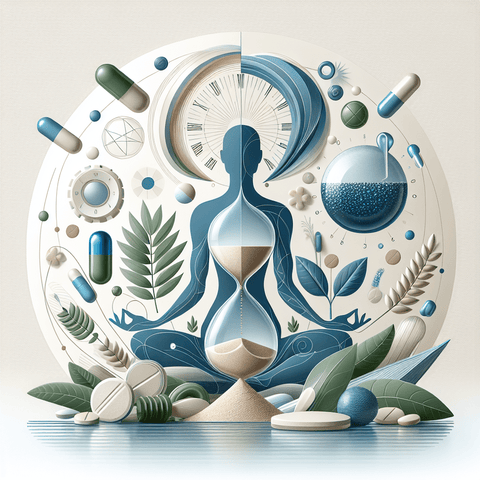
Intermittent fasting nutrition is the practice of balancing when you eat with what you eat to support overall health and wellness. This approach isn't about a single strict diet but about understanding how your eating patterns interact with your body's natural cycles. The goal is to build a flexible, evidence-informed framework for meal timing and nutrient intake that fits your lifestyle and helps you feel your best.
This guide serves as a comprehensive introduction to intermittent fasting nutrition. We'll explore the core concepts, the importance of a balanced approach, and practical strategies for making this eating pattern work for you. It's designed to be a starting point, helping you understand the different dimensions of this topic and guiding you toward more specific information as needed.
What Is Intermittent Fasting Nutrition?
Intermittent fasting nutrition is a broad term that combines two key elements. The first is the fasting protocol itself, which is a pattern of eating that alternates between periods of eating and fasting. These protocols, like the 16:8 method, focus on the timing of your meals. The second element is nutrition, which emphasizes the quality and composition of the food you consume during your eating windows. Together, they form a holistic approach that looks at both the 'when' and the 'what' of your diet.
This discipline is rooted in the idea that meal timing can influence your body's biological rhythms, energy regulation, and metabolic flexibility. By understanding how to structure your eating, you can create a sustainable plan that supports your health and wellness goals without adhering to a rigid, one-size-fits-all diet.
Key Components of an Intermittent Fasting Nutrition Plan
An effective approach to intermittent fasting nutrition is built on three main components: meal timing, nutrient optimization, and practical planning. Understanding how these pieces work together is the foundation for building a routine that you can maintain over the long term.
Meal Timing and Fasting Schedules
Meal timing is the structural pillar of intermittent fasting. It involves selecting a fasting and eating window that suits your daily schedule. Common approaches include time-restricted eating, such as the 16:8 method, which typically involves a 16-hour fast and an 8-hour eating window. The best schedule is not universal; it's the one you can incorporate into your routine consistently, ensuring it aligns with your work, social life, and sleep patterns.
When determining your fasting schedule, consider these factors:
- Daily routine: Choose a window that fits naturally with your work and family commitments.
- Energy levels: Pay attention to when you feel most energetic and hungry to help determine your optimal eating period.
- Feasibility: Select a schedule you can maintain consistently, as consistency is more important than perfection.
- Social commitments: Consider how your fasting window will interact with social events and family meals.
The Role of Nutrient Optimization
While the fasting schedule is the framework, the quality of your meals is the substance. Nutrient optimization is about making every meal count. Because you may be eating fewer meals, it's important to focus on a balance of macronutrients—protein, healthy fats, and complex carbohydrates—as well as essential micronutrients like vitamins and minerals. This ensures your body gets what it needs to function well, maintain muscle mass, and sustain energy.
A focus on nutrient-dense whole foods—such as leafy greens, lean proteins, whole grains, nuts, and seeds—is a general principle of a healthy eating plan. During your eating window, prioritizing these foods can help you meet your nutritional needs and feel satisfied. For some, a high-quality multivitamin or a specific supplement may be considered to help fill nutritional gaps in the diet. You can explore our multivitamins guide for more information on ingredients, usage, and safety.
Strategies for Sustainable Implementation
Translating the principles of intermittent fasting into a daily routine requires practical strategies. This is where planning and self-assessment come into play. A successful plan is one that is adaptable and based on how you feel, not just a set of strict rules.
- Start gradually: Begin with a more manageable fasting window and slowly increase its length as your body adapts.
- Plan your meals: Prepare nutrient-rich meals and snacks ahead of time to avoid making impulsive choices during your eating window.
- Stay hydrated: Drinking plenty of water and other zero-calorie beverages is essential, especially during fasting periods.
- Listen to your body: It's important to be flexible. If you feel unwell or excessively stressed by the fasting schedule, it may need to be adjusted.
Key Questions About Intermittent Fasting
As you explore intermittent fasting, you'll likely have questions about how to get the most from your approach. Below are some common topics that people often consider when starting.
How often should you fast?
The frequency of your fasting periods is a personal choice. For time-restricted eating like the 16:8 method, many people choose to fast every day, which means they eat within the same 8-hour window daily. Others may opt for an approach where they follow the schedule 5-6 days a week and are more flexible on the remaining days. The right frequency depends on your individual health goals and how your body responds. It is always a good idea to consult with a healthcare professional to determine a plan that is appropriate for you.
What should you eat during your eating window?
The quality of your diet is important during your eating window. To support your energy and overall health, it's generally recommended to focus on a variety of whole foods. This includes:
- Protein: Lean meats, poultry, fish, eggs, beans, and legumes.
- Healthy fats: Avocados, olive oil, nuts, and seeds.
- Complex carbohydrates: Whole grains, vegetables, and fruits.
Building your meals around these nutrient-dense food groups is a general guideline for a balanced diet, and it can be particularly important when you have fewer meals to consume. To learn about ingredients that can complement a healthy lifestyle, you may find our guide on sports supplements useful.
What are the main dos and don'ts?
When starting any new eating pattern, it helps to have a few simple guidelines. The following list summarizes some general 'dos and don'ts' for intermittent fasting nutrition. It's not medical advice, but rather a starting point for a balanced and thoughtful approach.
- Do prioritize nutrient-dense foods that provide vitamins, minerals, and fiber.
- Do stay well hydrated by drinking water throughout the day.
- Do listen to your body and be willing to adjust your plan if needed.
- Don't drastically overeat during your eating window to compensate for the fasting period.
- Don't rely on processed foods, sugary drinks, or excessive amounts of caffeine.
- Don't ignore signs of fatigue, dizziness, or irritability; these may signal a need to adjust your plan.
Exploring the Topic Further
Intermittent fasting nutrition is a broad field with many specific subtopics. As you become more familiar with the fundamentals, you may find it helpful to explore areas such as various fasting protocols, the science of metabolic flexibility, and the role of specific supplements in supporting overall wellness. For those interested in the ingredients that might support an active lifestyle, exploring our amino acids supplement collection could be a useful starting point.
Ultimately, successful intermittent fasting nutrition is about creating a structured yet flexible framework that enhances your well-being. It involves combining the principles of meal timing with a commitment to nutrient quality. By taking an evidence-informed and personalized approach, you can build sustainable habits that support your health journey. The information provided here is for educational purposes and should not be considered a substitute for professional medical advice.