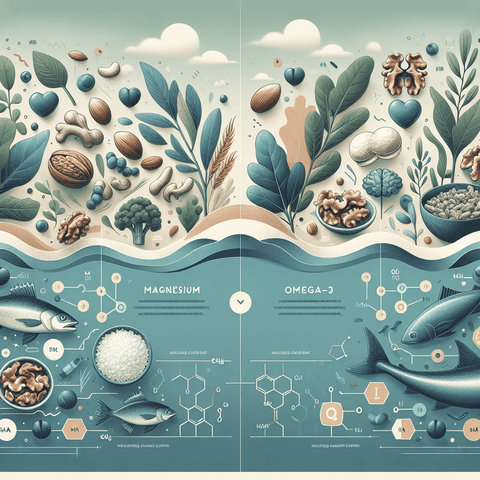
Die Gelenkgesundheit zu unterstützen ist ein proaktiver, vorbeugender Ansatz, der auf der normalen physiologischen Funktion Ihrer Gelenke aufbaut – und nicht mit der Behandlung einer bereits diagnostizierten Erkrankung wie Arthrose zu verwechseln ist. Im Mittelpunkt stehen drei zentrale Säulen: eine ausgewogene Ernährung, gelenkschonende Bewegung und ein gesundes Körpergewicht. Supplemente können erst dann eine sinnvolle Ergänzung darstellen, wenn diese Grundlagen optimiert sind.
Gelenkgesundheit verstehen: Aufbau und Funktion
Ein Gelenk ist die Verbindungsstelle zwischen zwei oder mehr Knochen. Knie, Hüfte, Schultern und Ellenbogen gehören zu den beweglichsten synovialen Gelenken des Körpers. Damit diese Beweglichkeit reibungslos und belastbar bleibt, wirken mehrere Bausteine zusammen.
- Knorpel: das glatte Gewebe, das die Knochenenden polstert
- Gelenkflüssigkeit: Schmiermittel und Stoßdämpfer, das den Knorpel ernährt
- Bänder und Sehnen: verbinden Knochen mit Knochen bzw. Muskel mit Knochen und sorgen für Stabilität
Ein wichtiger Punkt: Knorpel besitzt keine eigene Blutversorgung. Er ist darauf angewiesen, dass die Gelenkflüssigkeit durch Bewegung zirkuliert und ihn mit Nährstoffen versorgt. Regelmäßige, angemessene Bewegung ist deshalb kein Widerspruch zur Gelenkpflege, sondern eine Voraussetzung dafür. Kollagen – insbesondere Typ-II-Kollagen – bildet das strukturelle Gerüst des Knorpels und trägt wesentlich zu seiner Zugfestigkeit bei.
Warum sich Unterstützung von Behandlung unterscheidet
Behandlung umfasst die Versorgung einer diagnostizierten Erkrankung wie Arthrose und beinhaltet medizinische Maßnahmen. Unterstützung hingegen ist ein vorbeugender, erhaltender Ansatz, der auf normale Funktion und Belastbarkeit abzielt. Ernährungsstrategien können Bausteine für den Knorpel liefern, ersetzen aber keine medizinische Versorgung.
Wichtige Nährstoffe für gesunde Gelenke
Mehrere Vitamine und Mineralstoffe unterstützen direkt die Struktur und Funktion der gelenkunterstützenden Gewebe. Eine ausgewogene Zufuhr kann dazu beitragen, Nährstofflücken zu schließen, die den Gelenkkomfort beeinflussen können.
- Vitamin D und Kalzium: für normale Knochengesundheit
- Magnesium: unterstützt Muskeln und Knochen
- Vitamin C: trägt zur normalen Kollagenbildung bei
- Spurenelemente (Zink, Mangan, Kupfer): Kofaktoren für die Bindegewebssynthese
Wenn die Ernährung allein nicht alle Bedürfnisse abdeckt, können Multivitamin-Präparate eine praktische Ergänzung sein, um die Grundversorgung abzurunden.
Pflanzliche und spezielle Inhaltsstoffe für die Gelenke
Neben Vitaminen und Mineralstoffen werden pflanzliche und spezielle Inhaltsstoffe diskutiert, die eine ausgewogene Entzündungsreaktion und den Schutz vor oxidativem Stress unterstützen können. Kurkuma und sein Wirkstoff Curcumin werden wegen ihrer antioxidativen Eigenschaften und des Schutzes von Zellen vor oxidativem Stress geschätzt. Omega-3-Fettsäuren wie DHA und EPA können zu einer ausgewogenen Entzündungsreaktion beitragen.
- Kurkuma und Curcumin: antioxidative Eigenschaften
- Omega-3-Fettsäuren (DHA und EPA): unterstützen eine ausgewogene Entzündungsreaktion
Ein ganzheitlicher Ansatz kann Vitamine, Mineralstoffe, Pflanzenstoffe und Omega-3 kombinieren. Der individuelle Bedarf variiert jedoch und eine Rücksprache mit Fachpersonen ist sinnvoll. Um die Zufuhr von DHA und EPA gezielt zu ergänzen, können Omega-3-Präparate eine praktische Option darstellen.
Ernährung und Lebensstil für flexible Bewegung
Ernährung und Lebensstil sind die logischste und effektivste erste Maßnahme – noch vor jeder Supplementierung. Eine vollwertige Ernährung mit Gemüse, Obst, Hülsenfrüchten, Nüssen und Samen liefert Antioxidantien und sekundäre Pflanzenstoffe. Omega-3-Fettsäuren aus fettem Fisch wie Lachs und Makrele können eine ausgewogene Entzündungsreaktion unterstützen.
Ein gesundes Körpergewicht ist der einflussreichste nicht-ernährungsbezogene Faktor für den Gelenkkomfort, da jedes zusätzliche Kilogramm die Gelenke belastet. Gelenkschonende Bewegung wie Schwimmen, Radfahren oder Gehen stärkt die Muskulatur, ohne die Gelenke zu überlasten. Ausreichende Erholung und Schlaf sind die Voraussetzung für die natürlichen Reparaturprozesse des Körpers.
- Vollwertige Ernährung mit viel Gemüse, Obst, Hülsenfrüchten, Nüssen und Samen
- Regelmäßiger Verzehr von Omega-3-reichen Fischen wie Lachs und Makrele
- Gesundes Körpergewicht halten
- Gelenkschonende Bewegung wie Schwimmen, Radfahren oder Gehen
- Ausreichende Erholung und Schlaf
Supplemente in einem Gelenkgesundheitsplan
Supplemente sollten erst nach Optimierung von Ernährung und Lebensstil in Betracht gezogen werden – und mit realistischen Erwartungen verbunden sein. Sie sind kein Ersatz für eine vollwertige Ernährung oder medizinische Versorgung.
- Glucosamin und Chondroitin: natürliche Knorpelbestandteile, bei manchen Menschen mit bescheidener Wirkung
- Kollagenpeptide (Typ II): strukturelle Bausteine für den Knorpel
- Curcumin und Boswellia serrata: unterstützen eine ausgewogene Entzündungsreaktion
- Hyaluronsäure: verleiht der Gelenkflüssigkeit Viskosität, Evidenzlage begrenzter
Glucosamin und Chondroitin sind natürliche Knorpelbestandteile. Einige Studien legen bei manchen Menschen eine bescheidene Symptomlinderung nahe, ohne dass die Evidenz allgemein eindeutig ist. Kollagenpeptide, insbesondere Typ-II-Kollagen, zeigen vielversprechende, aber noch nicht abschließende Ergebnisse. Curcumin und Boswellia serrata werden zur Unterstützung einer ausgewogenen Entzündungsreaktion diskutiert. Hyaluronsäure ist ein Bestandteil der Gelenkflüssigkeit, wobei die orale Supplementierung weniger gut untersucht ist.
Für zusätzlichen Kontext zu traditionell verwendeten Pflanzenstoffen kann ein Ratgeber zu pflanzlichen Präparaten eine hilfreiche Orientierung bieten.
Wann eine Supplementierung sinnvoll sein kann
Eine Supplementierung kann für verschiedene Gruppen interessant sein: ältere Erwachsene, die ihre Mobilität erhalten möchten, aktive Menschen und Sportler, die ihre Gelenke stark belasten, sowie Personen mit eingeschränkter Ernährung oder Nährstoffmängeln.
Vor jeder neuen Supplementierung ist eine Rücksprache mit einer qualifizierten Fachperson empfehlenswert – insbesondere bei der Einnahme von Blutverdünnern, bei chronischen Erkrankungen oder in der Schwangerschaft und Stillzeit.
Sicherheit, Wechselwirkungen und professionelle Beratung
Supplemente sind biologisch aktive Verbindungen, die Wirkungen haben und mit anderen Substanzen interagieren können. Hohe Dosen von Curcumin und Omega-3-Fettsäuren können potenziell blutverdünnend wirken und mit Antikoagulanzien interagieren. Informieren Sie daher Apotheker oder Arzt über alle eingenommenen Supplemente, um Nebenwirkungen und Wechselwirkungen auszuschließen.
- Hohe Dosen von Curcumin und Omega-3 können blutverdünnend wirken
- Wechselwirkungen mit Antikoagulanzien möglich
- Gelenkschmerzen mit Schwellung, Rötung oder Wärme ärztlich abklären lassen
- Anhaltende oder ungewöhnliche Symptome medizinisch untersuchen lassen
Gelenkschmerzen mit Schwellung, Rötung oder Wärme können auf eine entzündliche Erkrankung hinweisen und sollten ärztlich abgeklärt werden. Auch anhaltende oder ungewöhnliche Symptome sind ein Grund für eine Untersuchung durch eine medizinische Fachperson.
So wählen Sie ein hochwertiges Gelenk-Supplement
Bei der Auswahl eines Gelenk-Supplements lohnt sich ein genauer Blick auf die Details. Entscheidend ist nicht nur, dass ein Inhaltsstoff aufgeführt ist, sondern in welcher Form und Dosierung.
- Inhaltsstoffform vergleichen (z. B. Glucosaminsulfat vs. -hydrochlorid)
- Forschungsgestützte Dosierung des Wirkstoffs prüfen
- Auf Reinheit und unabhängige Dritttests achten (z. B. NSF International, USP)
- Allergene prüfen, insbesondere Schalentiere bei Glucosamin, pflanzliche Alternativen erwägen
Häufige Fragen zur Gelenkgesundheit
Was bedeutet es, die Gelenkgesundheit zu unterstützen? Es handelt sich um einen proaktiven Ansatz aus Ernährung, Bewegung, Gewichtsmanagement und gezielter Supplementierung – nicht um die Behandlung einer Erkrankung.
Wie beeinflusst die Ernährung die Gelenkgesundheit? Protein, Vitamin C, Omega-3-Fettsäuren und Spurenelemente liefern die Bausteine für Knorpel und Bindegewebe.
Was ist besser: Glucosamin oder Chondroitin? Beide Stoffe haben unterschiedliche, ergänzende Rollen. Eine pauschale Antwort auf die Frage nach dem „besseren“ Stoff lässt sich aus der Studienlage nicht ableiten.
Welche Übungen sind gelenkschonend? Gehen, Schwimmen, Radfahren und Yoga gehören zu den gelenkschonenden Aktivitäten. Ergänzend kann Krafttraining die Muskelunterstützung verbessern.
Wie schnell wirken Gelenk-Supplemente? Sie sind nicht für sofortige Linderung gedacht. Je nach Person können mehrere Wochen konsequenter Einnahme nötig sein, bevor Veränderungen wahrgenommen werden.
Fazit: Gelenkgesundheit als ganzheitliche Strategie
Eine vollwertige Ernährung, regelmäßige angemessene Bewegung und ein gesundes Körpergewicht haben den größten Einfluss auf Gelenkkomfort und Mobilität. Die Gelenkgesundheit hängt nicht von einem einzelnen Inhaltsstoff ab, sondern von einer ganzheitlichen Strategie. Supplemente sind ein möglicher Baustein, der erst nach Optimierung der Grundlagen sinnvoll ist.
Wer grundlegende Nährstofflücken schließen möchte, findet im Ratgeber zu Mineralstoff-Präparaten einen nützlichen Ausgangspunkt.