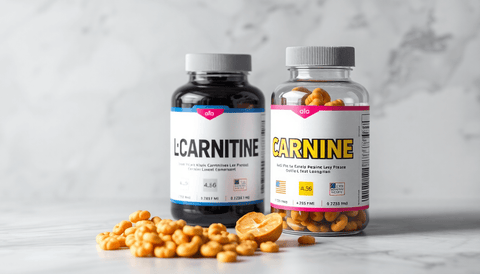
L-Carnitin-Dosierung: Wie viel man für Energie, Fettabbau und Leistung einnehmen sollte


Die richtige Dosierung von L-Carnitin zu finden, beginnt mit dem Verständnis der verfügbaren Formen, der Kennzeichnung und der Herangehensweise von Experten bei der Planung. Diese Seite konzentriert sich auf die Dosierung von L-Carnitin als ein praktisches Thema zur Bestimmung präziser Mengen, des Zeitplans im Zusammenhang mit Aktivitäten, Sicherheitsaspekten und Empfehlungen von qualifizierten Fachleuten. Sie stellt die Diskussion auch in einen breiteren Kontext von Energie, Fettabbau und Leistung, ohne konkrete Ergebnisse zu behaupten. Durch den Fokus auf Dosierungsstruktur und professionelle Anleitung können Leser Produktkennzeichnungen vergleichen und ihre Entscheidungen auf ihre Situation abstimmen. Genaue Mengen: Bei der Diskussion über die Dosierung von L-Carnitin liegen die üblichen täglichen Gesamtmengen, die in Verbrauchermedien genannt werden, etwa zwischen 500 mg und 2000 mg, abhängig von der Produktform und der Kennzeichnung. Diese Mengen werden meist auf eine oder mehrere Dosen aufgeteilt. Zum Beispiel kann eine 500-mg-Kapsel einmal oder zweimal eingenommen werden, um eine angestrebte tägliche Gesamtdosis zu erreichen, während Produkte mit 250 mg oder 1000 mg pro Portion unterschiedliche Dosierungsmuster erfordern. Überprüfen Sie immer die Verpackung auf die genaue Angabe der mg pro Portion und die geplante tägliche Gesamtdosis, bevor Sie Anpassungen an Ihrer Routine vornehmen. Zeitplanungstipps: Das Dosierungsmuster kann variieren; gängige Ansätze bestehen darin, die tägliche L-Carnitin-Menge über den Tag hinweg zu verteilen, um sie an Ihre Routine und Verträglichkeit anzupassen. Einige Nutzer kombinieren einen Teil mit Aktivitätszeiten, während andere es bevorzugen, Portionen zu unterschiedlichen Zeiten einzunehmen, um die Aufnahme zu streuen. Wenn Sie Empfindlichkeiten bemerken, kann eine Anpassung des Zeitplans bei gleichzeitiger Beibehaltung der Gesamtmenge pro Tag helfen, zu beobachten, wie sich der Zeitplan auf den Komfort auswirkt, während die empfohlene Dosierung eingehalten wird. Sicherheitsrichtlinien und Fachberatung: Beginnen Sie mit der niedrigsten praktisch möglichen L-Carnitin-Dosis laut Verpackung und erhöhen Sie nur bei Bedarf, während Sie auf Nebenwirkungen achten. Seien Sie sich möglicher Nebenwirkungen bewusst und setzen Sie die Einnahme ab, wenn Sie anhaltende oder schwere Symptome bemerken. Personen mit Nierenerkrankungen, Schwangere oder Stillende oder Personen, die andere Medikamente einnehmen, sollten professionelle Beratung in Anspruch nehmen, um eine sichere Dosierung von L-Carnitin zu bestimmen. Für persönliche Empfehlungen konsultieren Sie einen Arzt oder Apotheker, der Produktkennzeichnungen interpretieren, Wechselwirkungen berücksichtigen und Empfehlungen an Ihre individuelle Situation anpassen kann.


L-Carnitine Benefits & Side Effects: A Clear Review from Topvitamine - Topvitamine
June 30, 2025
L-Carnitin ist ein körpereigener Stoff, der am Transport von Fettsäuren in die Mitochondrien beteiligt ist. Dieser Ratgeber erklärt mögliche Vorteile, Grenzen und L-Carnitin-Nebenwirkungen sowie übliche Einnahmemengen. Sie erfahren außerdem, was bei täglicher Einnahme passiert, ob L-Carnitin Bauchfett reduziert und warum es nicht mit Ozempic vergleichbar ist. Hinweise zu Lebensmittelquellen, Produktformen und wichtigen Vorsichtsmaßnahmen erleichtern eine informierte Entscheidung.

L-carnitine is a compound that has garnered significant attention in the realm of dietary supplements. Often discussed for its potential role in energy production and metabolism, it is a popular topic for those interested in sports nutrition, weight management, and overall wellness. This guide serves as a broad introduction to l-carnitine dosage, providing a map of the key concepts you will encounter when exploring this supplement. Here, we will cover what l-carnitine is, the different forms available, general dosage considerations, timing strategies, and important safety information to help you make informed decisions.

What is L-Carnitine?

L-carnitine is a naturally occurring amino acid derivative that the body produces in the liver and kidneys. It plays a crucial role in the transport of fatty acids into the mitochondria, the energy-producing components of cells, where they can be used for energy. While the body can produce sufficient amounts for most people, some individuals may choose to supplement their diet with additional l-carnitine for various reasons, including supporting athletic performance or general energy levels. It is important to note that l-carnitine is different from acetyl-l-carnitine, another popular form, which we will explore later.

Why is L-Carnitine Dosage Important?

Understanding the appropriate dosage of l-carnitine is essential for several reasons. Using an appropriate amount may help individuals adhere to their supplement routine and potentially observe the effects they are seeking, while minimizing the risk of unnecessary side effects. The right dosage can depend on numerous factors, including the specific form of the supplement, the concentration of the product, an individual's body weight, health status, and lifestyle goals. This is why a one-size-fits-all approach does not exist, and why becoming familiar with general guidelines is the first step toward making an educated choice.

Different Forms of L-Carnitine

L-carnitine supplements come in several forms, each with its own characteristics. The most common forms include:

  • L-Carnitine: The base form, often found in capsules, tablets, powders, and liquids. It is the most widely studied and commonly used form for general supplementation.
  • Acetyl-L-Carnitine (ALCAR): A form that is thought to have better absorption into the brain due to its acetyl group. It is often researched in the context of cognitive health and neurological function.
  • L-Carnitine L-Tartrate: A form often used in sports and fitness supplements due to its purported rapid absorption rate, making it popular among athletes.

The form you choose may influence the dosage you take, as they can differ in concentration and bioavailability. Always check the product label to see the exact amount of active ingredient per serving, as this will be your primary guide for determining a daily total.

General L-Carnitine Dosage Guidelines

Consumer resources commonly cite a general daily l-carnitine dosage range of approximately 500 mg to 2,000 mg. This range is a starting point and not a one-size-fits-all recommendation. The specific dose you consider will depend on the product you choose and your individual needs.

Here are some typical scenarios:

  • A supplement providing 500 mg per capsule might be taken once or twice daily to reach a target of 500–1,000 mg.
  • A product with 250 mg per serving may require multiple servings throughout the day to achieve a similar total.
  • A higher-dose product, such as 1,000 mg per serving, may be intended for once-daily use, depending on the label instructions.

When determining your approach, it is crucial to verify the label for the precise mg per serving and decide on a planned daily total. Starting at the lower end of the general range is often a sensible strategy, especially for those new to supplementation, allowing you to assess tolerance before making any adjustments.

Timing and Administration Tips

How you time your l-carnitine intake can be as important as the amount you take, though individual preferences and tolerances vary. Common approaches include:

  • Dividing the daily total into two or more smaller doses spread across the day, which may help with absorption and minimize any potential digestive discomfort.
  • Taking a portion around the time of physical activity for those interested in sports or exercise performance support, though the significance of this timing is a matter of ongoing research.
  • Taking it with meals or on an empty stomach, depending on the product's specific label instructions, as some forms may be better tolerated with food.

If you notice any sensitivity, adjusting the timing while maintaining the same overall daily total can help you observe how timing influences your comfort, all while staying within your planned l-carnitine dosage.

Safety Considerations and Potential Side Effects

While l-carnitine is considered safe for many individuals when used appropriately, it is not without potential side effects. Being aware of these is part of responsible supplement use.

Who Should Exercise Caution?

  • Individuals with kidney disease: The kidneys play a role in carnitine metabolism, and supplementation may require careful medical supervision.
  • People who are pregnant or nursing: Due to a lack of sufficient safety data, professional guidance is strongly advised.
  • Those taking other medications: L-carnitine could potentially interact with certain drugs, so a review with a healthcare provider is important.

A Cautious Approach

It is generally recommended to start with the lowest practical l-carnitine dosage that your chosen product allows. This approach gives your body time to adapt and allows you to monitor for any adverse effects. If you experience persistent or severe symptoms, discontinue use and consult a healthcare professional. The information provided here is for educational purposes and is not a substitute for personalized medical advice from a qualified clinician or pharmacist, who can interpret product labels, consider potential interactions, and help tailor a recommendation to your specific situation.

Comparing L-Carnitine Forms

A common question that arises is the difference between l-carnitine and acetyl-l-carnitine. While both are forms of carnitine, their structural differences may influence their use and potential effects. L-carnitine is primarily associated with energy metabolism in muscles and other tissues. Acetyl-l-carnitine, on the other hand, includes an acetyl group that may facilitate its passage across the blood-brain barrier, sparking interest in its potential role in cognitive health. This distinction is why some research investigates these forms separately.

Understanding these differences can help you better understand product labels and why certain forms may be marketed for specific purposes, although individual research on each form is ongoing and varied.

Exploring L-Carnitine and Related Topics Further

This guide provides a broad overview of l-carnitine dosage. The topic of amino acids and their role in supplementation is vast. For more information on this class of supplements, you may find it useful to explore our comprehensive resources on amino acid supplements or our dedicated guide to sports nutrition supplements. These categories offer a wider perspective on how supplements like l-carnitine fit into a balanced approach to health and fitness.

Remember, navigating the world of supplements involves careful consideration of product labels, personal health factors, and professional guidance. By building a solid understanding of the foundational concepts outlined here, you are better equipped to approach l-carnitine dosagewith knowledge and confidence.