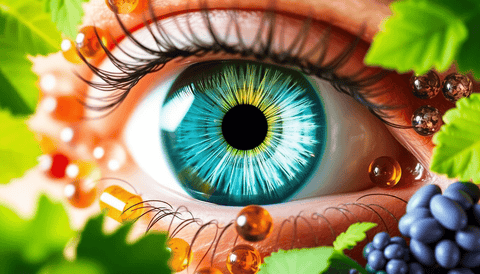
Lutein- und Zeaxanthin-Nutzen: Schützen Sie Ihre Augen, verbessern Sie das Sehvermögen und fördern Sie die allgemeine Augengesundheit


Entdecken Sie, wie die Vorteile von Lutein und Zeaxanthin in der wissenschaftlichen Literatur beschrieben werden. Diese Seite soll erklären, was Forscher meinen, wenn sie über die Vorteile von Lutein und Zeaxanthin im Zusammenhang mit der Augengeburt sprechen, ohne gesundheitliche Behauptungen aufzustellen. Der Schwerpunkt liegt auf dem Verständnis von Fachterminologie, Studientypen und den Fragen, die Wissenschaftler über die Funktionsweise dieser Verbindungen im Auge stellen, damit Leser das Thema klarer erfassen können. Diskussionen in der Forschung über die Vorteile von Lutein und Zeaxanthin beziehen sich häufig auf vorgeschlagene Mechanismen wie Lichtfilterung und antioxidative Aktivität. Wissenschaftler untersuchen diese Konzepte anhand von Laborexperimenten, beobachtenden Daten und klinischen Studien, um zu verstehen, wie die Verbindungen im visuellen System wirken. Während einige Ergebnisse auf mögliche Rollen hinweisen, ist die Evidenzlage differenziert, und es besteht weiterhin Diskussion über die Ausmaß und die Bedingungen, unter denen Effekte auftreten können. Praktische Tipps zur Navigation in diesem Thema umfassen die Überprüfung der Glaubwürdigkeit der Quellen, das Unterscheiden zwischen Korrelation und Kausalität sowie das Beachten des spezifischen Kontexts jeder Studie (wie Bevölkerungsgruppe, Dosierung und Dauer). Wenn Sie Hinweise auf die wichtigsten Ernährungquellen finden, suchen Sie nach verlässlichen Daten, die Konzentrationswerte und typischen Portionen vergleichen, und verwenden Sie seriöse Datenbanken, um Werte zu verifizieren. Dieser Ansatz hilft Ihnen, eine fundierte Sicht auf die Vorteile von Lutein und Zeaxanthin zu entwickeln, ohne über die wissenschaftlich Unterstützte hinauszugehen. Indem Sie sich auf die Sprache rund um die Vorteile von Lutein und Zeaxanthin konzentrieren, können Leser neue Erkenntnisse besser interpretieren, sobald sie auftauchen. Die Seite soll Neugier und kritisches Denken ausbalancieren, einen neutralen Überblick bieten und praktische Schritte zum Erkunden, wie diese Carotinoide in breitere Diskussionen über die Augengeburt passen. Wenn Sie persönliche Beratung wünschen, sollten Sie qualifizierte Gesundheitsexperten oder Ernährungsberater konsultieren, die dabei helfen können, Forschung in individuelle Überlegungen zu übersetzen.


Supplements for Eye Health: What Really Works? | Topvitamine - Topvitamine
September 08, 2025
Nahrungsergänzungsmittel für die Augen können eine ausgewogene Ernährung ergänzen, verbessern jedoch nicht automatisch die Sehkraft. Lutein und Zeaxanthin sind Bestandteile der Makula; die AREDS2-Kombination ist nur für bestimmte Stadien der altersbedingten Makuladegeneration relevant und sollte ärztlich begleitet werden. Bei trockenen Augen ist die Studienlage zu Omega-3 nicht eindeutig. Der Artikel erklärt, welche Nährstoffe wofür infrage kommen, worauf Sie bei der Auswahl achten sollten und wann eine Untersuchung wichtiger ist als ein Supplement.

Lutein and zeaxanthin are powerful antioxidants that have garnered significant attention for their potential role in supporting long-term eye health. Found naturally in the macula of the eye, these plant pigments may help protect vision from age-related decline and the stresses of modern screen time. This guide provides a comprehensive overview of what lutein and zeaxanthin are, their proposed benefits, the best food sources, and important safety considerations for those thinking about supplementation.

What are Lutein and Zeaxanthin?

Lutein and zeaxanthin belong to a group of over 600 naturally occurring carotenoids, which are the pigments that give many fruits and vegetables their yellow, orange, and red colors. They are often referred to as the "eye vitamins" because they are selectively accumulated in the eye's macula, where they form the macular pigment.

This dense layer of pigment acts in two primary ways: as a natural filter, helping to absorb high-energy blue light, and as an antioxidant, helping to neutralize potentially harmful free radicals before they can damage delicate eye tissues. Understanding this basic biology is key to appreciating the interest these compounds have generated in the fields of nutrition and vision science. Lutein is also found in the skin and brain, where its antioxidant properties are also being investigated.

The Science Behind the Benefits

Most scientific research on lutein and zeaxanthin has focused on their role in eye health, particularly in relation to age-related macular degeneration (AMD) and visual function. The proposed mechanisms include their ability to filter blue light and their antioxidant activity, which may help protect the retina over time.

Eye Health and Visual Performance

Research suggests that a higher dietary intake and higher blood levels of lutein and zeaxanthin are associated with a reduced risk of developing advanced AMD. Studies have also looked into whether supplementation can improve visual performance in areas like contrast sensitivity, glare recovery, and general visual acuity. While findings are promising, the evidence base for these outcomes is nuanced and the magnitude of effects can vary between individuals.

Potential Benefits for Skin and Brain

Beyond the eyes, lutein and zeaxanthin are being explored for their antioxidant benefits throughout the body. In the skin, these carotenoids may help protect against damage from UV radiation and support skin hydration. In the brain, their role as antioxidants has led researchers to investigate their potential impact on cognitive health, though this is an area of emerging science that requires more investigation.

As with any area of nutrition science, it is important to view these findings with a balanced perspective. While the correlations and mechanisms are compelling, they do not constitute proof that these compounds can prevent, treat, or cure any disease.

Dietary Sources and Recommended Intake

The best way to increase your lutein and zeaxanthin levels is through your diet. They are fat-soluble, meaning they are better absorbed when consumed with a source of dietary fat.

Foods Rich in Lutein and Zeaxanthin

  • Leafy green vegetables (kale, spinach, collard greens)
  • Egg yolks (particularly from pasture-raised hens)
  • Corn and sweet corn
  • Orange and yellow fruits and vegetables (carrots, pumpkin, squash, oranges)
  • Herbs and spices like parsley and basil
  • Certain types of algae and microalgae

Recommended Dietary Intake

There is no official recommended daily allowance (RDA) for lutein and zeaxanthin. However, based on research, many experts suggest that an intake of around 10 mg of lutein and 2 mg of zeaxanthin per day may support good eye health. A balanced diet can provide this amount: for instance, a one-cup serving of raw spinach offers around 3.7 mg of lutein, and a single large egg contains approximately 0.2 mg.

Supplements and Common Questions

For those who find it difficult to consume enough lutein and zeaxanthin through diet alone, supplements are a popular and convenient option. They are often derived from marigold flowers and come in various forms, such as capsules and softgels. If you are considering a supplement, it is important to understand the practical aspects of usage.

When and How to Take Them

The best time to take lutein and zeaxanthin supplements is with a meal that contains some fat, as this significantly improves absorption. This could be breakfast, lunch, or dinner. There is no scientific reason to prefer morning or night; consistency is more important than a specific time.

It is generally considered safe to take these supplements daily. They are fat-soluble vitamins, so they are stored in the body, and a consistent daily intake helps maintain steady levels. Many eye health experts use supplements in their own lives and practices.

How Long Until They Work?

The timeline for seeing effects, particularly for presymptomatic eye health, is generally measured in months, not days. Research studies often look at a period of six months to two years to assess the impact of supplementation. This is because the nutrients need time to build up in the macular pigment.

Safety, Side Effects, and Interactions

Lutein and zeaxanthin are well-tolerated by most people. However, as with any supplement, there are a few important considerations to keep in mind.

  • Common Side Effects: High doses are generally safe but may cause a benign condition called carotenemia, which is a yellowing of the skin. Other rare, mild side effects can include digestive issues.
  • Beta-Carotene Interactions: Some formulations include beta-carotene, and studies (such as the CARET and ATBC trials) have shown a potential link between beta-carotene supplements and an increased risk of lung cancer in smokers. For this reason, smokers are often advised to choose a supplement without beta-carotene.
  • Medication Interactions: While lutein and zeaxanthin are not known to have major interactions with medications, it is always prudent to inform your doctor about all supplements you are taking, especially if you are on blood thinners or other medications that require close monitoring.

This information is for educational purposes and should not be considered medical advice.

Exploring Your Supplement Options

For those looking to support their health through nutrition, exploring high-quality supplements can be an important step. On our site, you can browse a range of options related to antioxidants and overall wellness.

To learn more about how different antioxidants work together and their general role in the body, you can explore our antioxidants collection. For more specific options, you might also be interested in our targeted antioxidant supplements page, which features specialized products.

Remember, supplements are most effective when used as part of a holistic approach to health, which includes a balanced diet rich in fruits and vegetables, regular exercise, and not smoking.