
Auf dieser Seite werden magnesiumhaltige Nahrungsquellen und deren Erkennung erläutert. Der Schwerpunkt liegt darauf zu verstehen, was eine magnesiumreiche Zufuhr ausmacht und wie Informationen über den Magnesiumgehalt in den von Ihnen konsultierten Quellen dargestellt werden. Durch das Erlernen, magnesiumhaltige Nahrungsquellen zu identifizieren, können Sie Optionen vergleichen, ohne sich auf Behauptungen zu verlassen, und untersuchen, wie verschiedene Lebensmittel in Nährwertangaben beschrieben werden. Das Ziel ist es, eine klare, neutrale Übersicht darüber zu bieten, wie diese Quellen kategorisiert und erfasst werden. Der Magnesiumgehalt wird typischerweise in einer Standardeinheit wie Milligramm pro Portion angegeben und manchmal auch als Prozentsatz der täglichen Referenzwerte. Variabilität kann durch Faktoren wie Zubereitung, Verarbeitung und regionale Unterschiede in der Zusammensetzung entstehen. Bei der Bewertung magnesiumhaltiger Nahrungsquellen ist es hilfreich, die angegebene Menge pro Portion zu betrachten und zu berücksichtigen, wie sich die Portionsgrößen zwischen den Lebensmitteln unterscheiden. Einige Datenbanken geben auch die Qualität und Konsistenz der Daten an, was Vergleiche beeinflussen kann. Um heute magnesiumreiche Nahrungsquellen in den Alltag einzubauen, empfiehlt es sich, zunächst die Nährwertangaben der aktuellen Artikel und Einkaufsliste zu überprüfen. Wählen Sie Optionen mit höherer Magnesiumdichte pro Portion und planen Sie, die Aufnahme über Mahlzeiten und Snacks zu verteilen. Sie können dazu Werkzeuge wie Etiketten-Scanner-Apps oder Referenzdatenbanken verwenden, um Optionen nebeneinander zu vergleichen. Eine Mischung verschiedener Quellen hilft dabei, das Nährstoffprofil zu diversifizieren und unterschiedliche Zubereitungsmethoden und Vorlieben zu berücksichtigen. Abschließend sollten Sie mit einer flexiblen Einstellung vorgehen und die Auswahl an Ihre Situation und Geschmack anpassen. Wenn Sie auf spezielle Diäten angewiesen sind oder diätetische Einschränkungen haben, konsultieren Sie vertrauenswürdige Quellen und professionelle Ratschläge, um magnesiumhaltige Nahrungsquellen im Rahmen Ihres Gesamtplans richtig zu interpretieren. Diese Seite möchte neutrale Informationen darüber präsentieren, wie magnesiumhaltige Nahrungsquellen identifiziert und verglichen werden, ohne bestimmte Lebensmittel oder Gesundheitsergebnisse zu empfehlen.
Magnesium: Die besten Lebensmittelquellen zur natürlichen Gesundheitsförderung
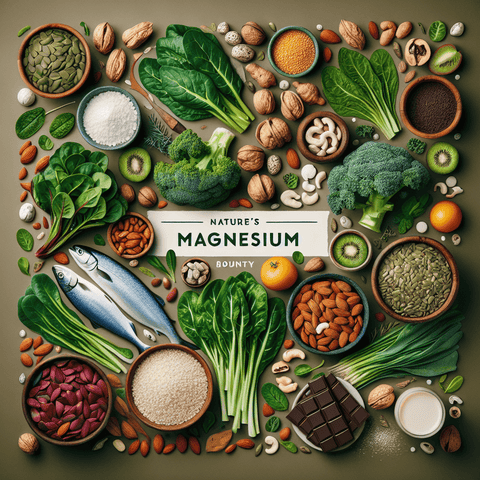
Magnesium dietary sources are the foods that naturally provide magnesium, an essential mineral the body must obtain from the diet. Because magnesium occurs in many everyday foods, from nuts and seeds to whole grains and leafy greens, understanding where it is found makes it easier to plan balanced meals and evaluate your overall nutrient intake.
This page is a topical hub for everything related to magnesium-rich foods. It explains what magnesium dietary sources are, which food groups are most often associated with magnesium, how magnesium content is measured and compared, and what practical considerations matter when aiming for adequate daily intake. The articles listed under this tag then explore specific questions, such as individual foods, intake patterns and signs of low intake, in greater depth.
What Are Magnesium Dietary Sources?
Magnesium dietary sources are foods that naturally contain measurable amounts of magnesium. Magnesium is an essential mineral involved in many normal body processes, and because the body cannot produce it, it must come from food and drink. For most people, a varied and balanced diet is the primary way to obtain magnesium.
The term covers both the foods themselves and the information that describes them: nutrition labels, food-composition databases and dietary guidelines. Understanding both parts, the foods and the numbers attached to them, helps you compare options in a realistic way without relying on marketing claims or single data points.
Major Food Groups That Contain Magnesium
Magnesium is widely distributed across the food supply, but some food groups are especially well known for contributing meaningful amounts. Commonly cited examples include:
- Nuts and seeds, such as almonds, cashews and pumpkin seeds
- Whole grains, including oats, brown rice and wholemeal bread
- Legumes, such as beans, chickpeas and lentils
- Green leafy vegetables, including spinach and similar greens
- Other contributors, such as certain fruits, fish, dairy products and, in some regions, drinking water
Amounts vary considerably between individual foods, and even within a single food group. As a general pattern, minimally processed plant foods are the most frequently referenced magnesium dietary sources, which is one reason they often appear in lists of nutrient-dense superfoods and whole-food-based eating patterns.
How Magnesium Content Is Measured and Compared
Magnesium content is typically reported in milligrams per serving, and sometimes as a percentage of a daily reference value. This makes it possible to compare foods on a like-for-like basis, provided you also pay attention to the serving size each figure refers to.
Several factors can cause values to differ between sources. Preparation and processing can affect how much magnesium a food retains, and regional differences in growing conditions and composition mean that databases sometimes list slightly different numbers for similar items. Some databases also indicate the quality and consistency of their data, which is worth considering when comparing options side by side.
A practical habit is to look at the stated amount per serving, note the portion size it refers to, and compare foods within the same category rather than across very different portion sizes.
Adding Magnesium Dietary Sources to Everyday Meals
For most people, dietary magnesium intake works best as a pattern rather than a single choice. Instead of searching for one food that covers everything, most dietary guidance points toward a varied mix of magnesium-containing foods spread across meals and snacks. A simple way to put this into practice:
- Review the nutrition information on foods you already eat regularly.
- Look for options with a higher magnesium density per serving, using labels or reference databases.
- Plan to distribute magnesium-containing foods across meals and snacks rather than relying on one meal.
- Mix different types of sources to diversify your overall nutrient profile and suit your preparation methods and preferences.
If you follow a specialized diet or have dietary restrictions, it can help to review your usual shopping list and identify which of your current foods already contribute magnesium, and where a gap might exist. A healthcare professional or registered dietitian can support you in interpreting this information within your overall plan.
Magnesium From Food and Supplement Considerations
Diet is generally the starting point for magnesium intake, and the food groups above form the foundation of most guidance on this mineral. At the same time, some people look at magnesium supplements as a way to complement their diet, particularly when dietary choices or restrictions make certain food groups harder to include.
If you are exploring that route, it is worth understanding the different forms, qualities and regulatory contexts involved. You can browse our magnesium supplements to see how such products are typically presented, and speak with a healthcare professional before adding any supplement to your routine.
Common Questions About Magnesium Dietary Sources
Which foods are highest in magnesium?
There is no single highest food, as values vary between databases and serving sizes. That said, nuts, seeds, whole grains, legumes and green leafy vegetables are the food groups most consistently cited as concentrated magnesium dietary sources, and food-composition databases can be used to compare specific items.
How can you meet your daily magnesium needs through food?
Most dietary guidance emphasizes variety: combining several magnesium-containing food groups across the day, rather than relying on one food, makes it easier to reach your overall daily intake. Checking labels and using reference databases helps you see how individual foods contribute.
Is eating a banana enough for your daily magnesium?
Bananas do contain magnesium, but they are not among the most concentrated sources, and a single food is unlikely to cover an adult's entire daily requirement. Bananas can still be a useful part of a varied, magnesium-conscious diet.
What are the signs of low magnesium intake?
Signs of inadequate magnesium intake are best assessed by a qualified healthcare professional, since they can overlap with many other issues. If you are concerned about your intake, discuss your diet and, if appropriate, testing options with a doctor or dietitian rather than self-diagnosing.
Exploring Magnesium Dietary Sources Further
Magnesium is one of several minerals that play a role in a balanced diet. If you want to see how it fits alongside related nutrients, our broader guide to mineral supplements provides context on other essential minerals. The articles listed under this tag then go deeper into individual questions, from specific foods and meal ideas to intake patterns and more detailed frequently asked questions.