
Verwirrung zwischen Methylcobalamin und Cyanocobalamin? Diese Seite befasst sich mit der Wissenschaft hinter den beiden am häufigsten diskutierten Formen von Vitamin B12. Beide sind Cobalamine und teilen die gleiche Grundstruktur, unterscheiden sich jedoch in ihren Liganden und wie der Körper sie nutzt. Methylcobalamin und Cyanocobalamin tauchen in Nahrungsergänzungsmitteln und angereicherten Produkten auf, interagieren jedoch unterschiedlich in biochemischen Wegen, wenn sie verarbeitet werden. Das Verständnis dieser Unterschiede hilft zu klären, warum eine Form in bestimmten Zusammenhängen und bei Produkteinstellungen hervorgehoben wird. Aus biochemischer Sicht ist Methylcobalamin ein Kofaktor bei der Methioninsynthase-Reaktion, die B12 mit dem Ein-Kohlenstoff-Stoffwechsel verbindet. Adenosylcobalamin dient als Kofaktor für Methylmalonyl-CoA-Mutase, ein weiteres Enzym in zellulären Wegen. Cyanocobalamin, mit seinem Cyanid-Liganden, ist eine stabile, synthetische Form, die im Körper in die aktiven Coenzym-Formen umgewandelt wird – Methylcobalamin und Adenosylcobalamin – als Teil des normalen Verarbeitungsprozesses. In diesem Sinne spiegeln Methylcobalamin vs. Cyanocobalamin sowohl unmittelbare Kofaktor-Rollen als auch die nachgeschalteten Umwandlungsschritte des Körpers wider. Stabilität und Handhabung sind praktische Faktoren, die die beiden unterscheiden. Cyanocobalamin ist bekannt für seine robuste Stabilität und längere Haltbarkeit, was zu seiner Verbreitung in vielen Produktformulierungen beiträgt. Methylcobalamin kann licht- und temperaturempfindlicher sein und möglicherweise produktspezifische Lagerungsüberlegungen erfordern. Diese Unterschiede in der Stabilität beeinflussen Verpackung, Etikettierung und die Herstellungsweise der Produkte, verändern jedoch nicht die grundsätzliche Chemie des Vitamins selbst. Bei der Entscheidung zwischen Methylcobalamin und Cyanocobalamin sollten Sie überlegen, wie jede Form hergestellt wird, wie der Körper sie verarbeitet und wie sie in einem bestimmten Produkt präsentiert wird. Verfügbarkeit, Formulierungstyp und Kosten können je nach Marke variieren, und die regulatorische Kennzeichnung kann regional unterschiedlich sein. Durch den Fokus auf die Wissenschaft — Struktur, Umwandlungswege und Stabilität — können Sie Optionen abwägen und die Form wählen, die am besten zu Ihren Vorlieben und Zielen passt. Klicken Sie, um mehr darüber zu erfahren, wie diese Formen zu verschiedenen Produktfamilien und Spezifikationen passen.
Methylcobalamin vs Cyanocobalamin: Welches Vitamin B12 ist am besten für Sie?

Haben Sie mit Müdigkeit, Gehirnnebel oder Gedächtnisproblemen während der Wechseljahre zu kämpfen? Möglicherweise benötigen Sie Vitamin B12. Dieser Leitfaden erklärt, warum B12 in den Wechseljahren wichtig ist, vergleicht Methylcobalamin mit Cyanocobalamin und gibt klare Empfehlungen zu Dosierung, Aufnahme und den besten Nahrungsergänzungsmitteln für 2026.

“Methylcobalamin vs. Cyanocobalamin: Erfahren Sie die wichtigsten Unterschiede, Vorteile, Absorption und welche Form am besten bei B12-Mangel, für Energie und Nervengesundheit geeignet ist.”
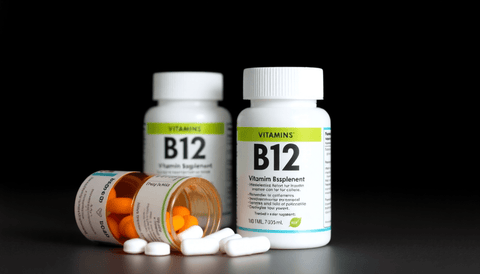
Vitamin B12 trägt zur normalen Funktion des Energiestoffwechsels und zur Verringerung von Müdigkeit und Ermüdung bei. Ein Präparat sorgt jedoch nicht automatisch für mehr Energie, insbesondere wenn kein Mangel besteht. Dieser Ratgeber erklärt die Unterschiede zwischen Methylcobalamin und Cyanocobalamin, ordnet Dosierungen ein und zeigt, worauf Sie bei einem Vitamin-B12-Präparat achten sollten.