
Mineralmängel können sich auf vielfältige Weise äußern, und die Erkennung von Mustern kann schwierig sein. Diese Seite konzentriert sich auf Mineralmängel und stellt sieben typische Anzeichen vor, die Leser im Alltag beobachten könnten, zusammen mit praktischen Schritten, um zu erkunden, wie diese Muster in ein breiteres Gesundheitsbild passen. Ziel ist es, Ihnen zu helfen, zu verstehen, wie Mineralmängel sich zeigen können, ohne definitive Aussagen zu Diagnose oder Behandlung zu machen. Durch den Fokus auf Beobachtung, Kontext und glaubwürdige Informationen können Sie das Thema mit Sorgfalt und Klarheit angehen. Der Abschnitt über einfache Tests behandelt zugängliche Screening-Ansätze, die Menschen manchmal nutzen, um Mineralmängel zu erkennen. Es wird betont, dass die Ergebnisse von Person zu Person variieren können und immer in Absprache mit einem Fachmann interpretiert werden sollten. Wenn Sie ein wiederkehrendes Muster unter den sieben besprochenen Anzeichen bemerken, werden Sie dazu angeleitet, Ihre Beobachtungen mit einem qualifizierten Facharzt oder Therapeuten zu besprechen, der die Ergebnisse im entsprechenden Kontext interpretieren kann. In Bezug auf Ernährungstipps betrachtet der Leitfaden, wie ernährungsbedingte Entscheidungen im Zusammenhang mit Mineralmängeln innerhalb eines breiteren Gesundheitskontexts stehen können. Die Diskussion bleibt auf einer allgemeinen Ebene und weist darauf hin, dass Ansätze sorgfältig und mit professioneller Unterstützung erwogen werden sollten. Dieser Teil des Inhalts soll eine Perspektive bieten, wie Ernährungsmuster mit dem Mineralstatus in Verbindung stehen können, ohne spezifische Ergebnisse oder konkrete Empfehlungen zu behaupten. Expertenhinweise ermutigen dazu, mit glaubwürdigen Fachleuten und verlässlichen Quellen zusammenzuarbeiten, wenn Sie Mineralmängel angehen. Sie finden Anweisungen zur Dokumentation von Symptomen, zum Stellen fundierter Fragen und zum Nutzen von Informationen aus seriösen Ressourcen, um Ihren Ansatz zu unterstützen. Die übergeordnete Botschaft ist, sich bewusst und überlegt mit dem Thema Mineralmängel auseinanderzusetzen und qualifizierte Fachkompetenz zu suchen, um selbstbewusst voranzukommen.
Mineralstoffmangel aufgedeckt: 7 Anzeichen, dass Ihnen wichtige Nährstoffe fehlen – und wie Sie Ihre Gesundheit wieder ins Gleichgewicht bringen

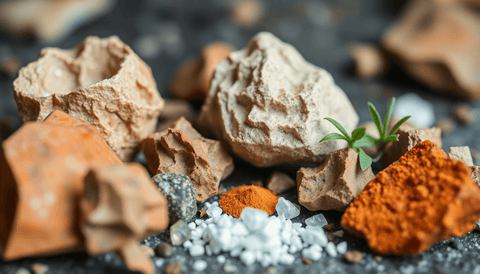
Minerals are inorganic nutrients that your body relies on to function normally. They contribute to structural health, such as bone formation, and participate in hundreds of biochemical reactions, including nerve transmission, muscle contraction, and the regulation of fluid balance. A mineral deficiency develops when the body does not receive or absorb sufficient amounts of a specific mineral to meet its needs. Given the range of minerals and their distinct functions, the topic of mineral deficiency covers many different nutrients, each with its own set of considerations.
What Is a Mineral Deficiency?
A mineral deficiency is defined by an inadequate level of an essential mineral in the body, relative to what is required for optimal health. This can occur for several reasons: the diet may not provide enough of the mineral, the body may not absorb it effectively, or certain conditions may cause increased excretion or higher demand. It is important to understand that mineral status is not a single, simple reading. It involves a complex interplay of intake, absorption, utilization, and storage, which is why the topic is best approached with a broad perspective.
Deficiencies can range from mild, with subtle signs, to severe, leading to distinct clinical presentations. However, the line between insufficient and adequate is not always clear-cut, and individual needs can vary greatly. This page aims to familiarize you with the major dimensions of mineral deficiencies, including common types, potential signs, underlying causes, and general strategies for support, so you can explore the topic with a well-informed foundation.
Common Types of Mineral Deficiencies
Several minerals are particularly relevant when discussing deficiencies due to their prevalence and importance. While any essential mineral can become deficient, the following are among the most commonly discussed and studied. Understanding the primary roles of each helps clarify why a deficiency might have broad-ranging effects.
- Iron: A core component of hemoglobin, which carries oxygen in the blood. Iron deficiency is one of the most widespread nutritional deficiencies globally.
- Calcium: Essential for building and maintaining strong bones and teeth, and also involved in muscle function, nerve signaling, and blood clotting.
- Magnesium: Participates in over 300 enzymatic reactions, including energy production, protein synthesis, and muscle and nerve function.
- Zinc: Important for immune function, wound healing, DNA synthesis, and cell division. It also supports normal growth and development.
- Iodine: A critical component of thyroid hormones, which regulate metabolism, growth, and development.
- Potassium: An electrolyte that helps regulate fluid balance, nerve signals, and muscle contractions, including the heart.
Each of these minerals has its own set of dietary sources, recommended intakes, and factors that can influence absorption. For a deeper dive into specific nutrients, resources like our mineral supplements guide can provide more detailed information on iron, zinc, selenium, iodine, and other trace minerals.
Recognizing Potential Signs of Mineral Deficiency
The signs of a mineral deficiency are not always obvious and can often be mistaken for other health issues. They depend heavily on which mineral is lacking, the severity of the deficiency, and the individual. It is important to remember that experiencing one or more of these signs does not confirm a deficiency; many other conditions can cause similar symptoms. The following are general signs that may be associated with mineral imbalances:
- Persistent fatigue or weakness
- Muscle cramps, spasms, or twitching
- Irregular heartbeat or palpitations
- Changes in skin, hair, or nail health
- Poor concentration or brain fog
- Increased susceptibility to infections
- Bone pain or a higher risk of fractures
- Loss of appetite or unusual cravings
Because these symptoms can overlap with numerous other conditions, it is not possible to self-diagnose a mineral deficiency based on how you feel alone. Observing a persistent pattern is a reason to consult a qualified healthcare practitioner for proper evaluation, which may include blood tests and a review of your medical history.
Understanding the Causes and Risk Factors
Mineral deficiencies arise from a combination of factors that reduce intake, absorption, or increase the body's requirements. Recognizing these contributing factors can help you take proactive steps. The causes are often grouped into several main categories:
- Inadequate Diet: A diet low in whole foods such as vegetables, fruits, legumes, nuts, seeds, and lean proteins may not provide sufficient minerals.
- Poor Absorption: Certain digestive conditions, like celiac disease, Crohn's disease, or chronic diarrhea, can impair the body's ability to absorb minerals from food.
- Increased Needs: Periods of rapid growth (infancy, adolescence), pregnancy, lactation, and intense athletic training can increase the body's demand for minerals.
- Medication Use: Some medications can interfere with mineral absorption or increase urinary excretion. For example, diuretics can deplete potassium and magnesium.
- Lifestyle Factors: High alcohol consumption can interfere with the absorption of several minerals, while a diet high in processed foods often displaces nutrient-dense options.
- Age: As we age, the body often becomes less efficient at absorbing certain minerals, such as calcium and vitamin B12, which is often paired with minerals in foods.
Understanding these causes provides context for why a deficiency may develop and underscores the importance of a holistic view of health rather than simply taking a supplement without investigating the root cause.
Dietary Sources and Nutrition Considerations
The most sustainable way to support healthy mineral levels is through a balanced and varied diet. Whole, minimally processed foods are generally the richest sources of minerals. The table of common deficiencies above highlights some key nutrients, but here is a broader look at dietary patterns:
A diverse diet featuring a colorful array of fruits and vegetables, whole grains, legumes, nuts, seeds, and lean proteins typically covers a wide spectrum of minerals. For example, leafy greens are a source of magnesium and calcium, while legumes and red meat are known for their iron content. Iodine is often found in seafood and dairy products. Focusing on food first is recommended, as it provides minerals within a matrix of other beneficial nutrients like fiber and vitamins. For general guidance on mineral intake, see our multivitamins guide for an overview of how these nutrients fit into overall dietary supplementation.
For more specific guidance on individual minerals, you can explore dedicated resources on calcium for bone and muscle health and magnesium for energy and muscle support. These dedicated pages offer deeper insights into the specific roles, sources, and safety information for these important nutrients.
The Role of Testing and Professional Evaluation
Because symptoms overlap with so many other conditions, laboratory testing is often necessary to determine if a true deficiency exists. Blood tests can measure the levels of various minerals in the serum, though it is important to know that mineral status is not always accurately reflected in a simple blood draw. For example, magnesium is primarily stored inside cells, so a standard blood test may not reveal a mild cellular deficiency.
This underscores why professional interpretation is critical. A healthcare provider can choose the most appropriate tests based on your symptoms, medical history, and risk factors. They can also help rule out other potential causes of your symptoms. Engaging with a qualified professional for testing and interpretation is a foundational step, rather than relying on self-assessment or broad home tests. Results from any test should be discussed in the context of your overall health picture.
Approaching Remedies and Supplementation Safely
Addressing a mineral deficiency involves more than just taking a pill. A comprehensive approach often starts with dietary adjustments, aiming to fill gaps with mineral-rich foods. When dietary changes are insufficient or when a specific deficiency is diagnosed, supplements may be considered. However, the decision to take a supplement, and which form and dosage to use, should be made in consultation with a healthcare professional.
It is also crucial to understand that more is not always better. Taking a high dose of one mineral can interfere with the absorption of another. For instance, excessive zinc intake can impair copper absorption, and high calcium intakes can reduce iron absorption. Therefore, supplements should be used thoughtfully and under guidance. When exploring supplements, consider brands that provide transparent labeling and third-party testing. For a comparison of supplement types, you may find it helpful to explore different product categories and their intended uses, such as trace mineral supplements.
Frequently Asked Questions About Mineral Deficiency
What are the symptoms of mineral deficiency?
Symptoms vary significantly depending on the specific mineral that is deficient. General signs can include persistent fatigue, muscle cramps, weakness, poor concentration, and changes in skin or hair health. For example, iron deficiency is often associated with fatigue, while magnesium deficiency might present as muscle spasms. However, many of these symptoms are nonspecific and can be caused by a range of other health conditions.
How do you fix mineral deficiency?
The first step is to get a proper evaluation from a healthcare professional to confirm which mineral is deficient and why. Rebalancing generally involves a two-pronged approach: increasing intake through a diet rich in mineral-dense foods and, if necessary, adding a targeted supplement as advised by a doctor. The underlying cause of the deficiency—such as poor absorption or increased need—also needs to be addressed for long-term correction.
What are the most common mineral deficiencies?
Iron, calcium, magnesium, zinc, and iodine are among the most common mineral deficiencies reported globally. These deficiencies often stem from dietary patterns that lack sufficient sources of these nutrients, but can also be influenced by absorption issues and other health conditions. Potassium deficiency can also occur, particularly in individuals using certain medications like diuretics.
What are the three deficiency diseases of minerals?
When considering clinically recognized deficiency diseases, iron deficiency causes anemia, iodine deficiency leads to goiter and hypothyroidism, and vitamin D deficiency, which acts like a hormone, causes rickets in children and osteomalacia in adults. While not a traditional "disease" in the same sense, severe magnesium deficiency can present with neurological and muscular symptoms. These examples highlight how critical minerals are to physiological function.
Exploring Specific Mineral Topics Further
This tag page serves as a broad overview of mineral deficiency, but the topic has many more specific facets that deserve their own attention. Individual articles can explore each mineral in detail, discussing specific symptoms, food sources, supplementation forms, and interactions. For example, you might find dedicated content on the difference between iron deficiency and iron deficiency anemia, or the nuances of magnesium supplementation for sleep versus muscle recovery.
We encourage you to use the articles on this page as a starting point for more detailed exploration. As you read, keep the broader principles discussed here in mind—such as the importance of dietary variety, the value of professional testing, and the need for a cautious, informed approach to supplementation.