Entdecken Sie Mineralinteraktionen: Wie Atome Gesteine Gestalten


Entdecken Sie, wie Atome sich verbinden, anordnen und interagieren, um Mineralien und Gesteine zu formen. Die Mikrowelt der Mineralinteraktionen beginnt damit, wie Elektronen geteilt oder übertragen werden, was ionische, kovalente, metallische oder Van-der-Waals-Bindungen bildet. Diese Bindungen ordnen Atome in geordnete Reihenfolgen, sogenannte Kristallgitter, an, wobei ein wiederholendes Muster die Identität des Minerals bestimmt. Durch das Studium der Verknüpfung von Atomen lernen wir, warum Mineralien in bestimmten Formen kristallisieren und warum einige Körner beim Wettbewerb um Platz innerhalb von Gesteinen wachsen. Mineralinteraktionen legen die Grundlage für Texturen, die wir unter dem Mikroskop und in der Landschaft beobachten. Kristallstrukturen offenbaren die Geometrie der Mineralinteraktionen. Eine Einheitszelle beschreibt den kleinsten wiederkehrenden Baustein, aus dem das Gitter aufgebaut ist, und wie die einzelnen Teile zusammenpassen, bestimmt Symmetrie, Härte, Spaltbarkeit und optische Eigenschaften. Bei Silikatmineralien zum Beispiel beeinflusst die Verbindung der Silizium-Sauerstoff-Tetraeder die Bildung von Gerüststrukturen oder Ketten, die Festigkeit und Elastizität steuern. Mineralinteraktionen auf atomarer Ebene beeinflussen Farbe, Transparenz und Dichte und erklären, warum Mineralien wie Quarz oder Feldspat trotz gemeinsamer Umwelt unterschiedliche äußere Flächen aufweisen. Geschichten unter der Erdoberfläche entfalten sich durch Mineralinteraktionen, die durch Druck, Temperatur und Fluidbewegung geprägt sind. Während der Kristallisation aus abkühlender Magma oder der Metamorphose unter wechselnden Bedingungen reorganisieren, exsolvieren oder ersetzen Atome einander durch Festkörperdiffusion, wodurch Texturen wie Zwillingsbildungen, Zonierungen oder Foliationen entstehen. Flüssigkeitsreiche Umgebungen fördern Mineralinteraktionen, bei denen Ionen ausgetauscht und neue Mineralien an Reaktionsfronten gebildet werden. Diese mikroskopischen Prozesse hinterlassen makroskopische Spuren in Gesteinen – Farbbanden, Linienführungen und Mineralzusammensetzungen, die die Geschichte des Erdinneren erzählen. Moderne Geowissenschaften entschlüsseln Mineralinteraktionen mit Werkzeugen wie Röntgendiffraktion, Elektronenmikroprobe und computergestützten Simulationen. Durch die Abbildung von Kristallstrukturen und Bindungsumgebungen können Wissenschaftler Eigenschaften vorhersagen und die Entstehungsbedingungen interpretieren. Das Verständnis von Mineralinteraktionen hilft zu erklären, warum Gesteine sich unter Stress so verhalten, wie sie es tun, und wie Erze, Tonmineralien und Mineralien zur Landschaft und Ressourcenentwicklung beitragen. Die Geschichte der Mineralien und Gesteine ist eine Geschichte der Interaktionen – zwischen Atomen, zwischen Mineralien und zwischen der Erde und ihrer tiefen Vergangenheit.


What Vitamins Should Not Be Taken Together? (2026 Guide) - Topvitamine
September 25, 2026
Bestimmte Vitamine und Mineralstoffe konkurrieren um die Aufnahme im Darm und sollten zeitlich getrennt eingenommen werden. Calcium hemmt die Eisenaufnahme, hohe Zinkdosen können die Kupferresorption stören und Magnesium sowie Zink konkurrieren bei hohen Dosen. Fettlösliche Vitamine wie A, D, E und K nehmen Sie am besten mit einer fettreichen Mahlzeit ein. Dieser Ratgeber erklärt, welche Vitamine nicht zusammen eingenommen werden sollten, welche Kombinationen sich hingegen gut ergänzen und wie Sie Ihre Einnahmezeiten sinnvoll planen.

Can multivitamins cause anxiety? - Topvitamine
October 28, 2025
Können Multivitamine Angstzustände verursachen? Eine direkte Ursache ist nicht typisch, doch hohe Dosierungen, ungeeignete Kombinationen, Nebenwirkungen oder individuelle Empfindlichkeit können Unruhe und angstähnliche Beschwerden begünstigen. Dieser Ratgeber erklärt, worauf Sie bei Multivitaminen achten sollten, wann eine Einnahmepause und fachlicher Rat sinnvoll sind und wie Sie Produkte sicherer auswählen.
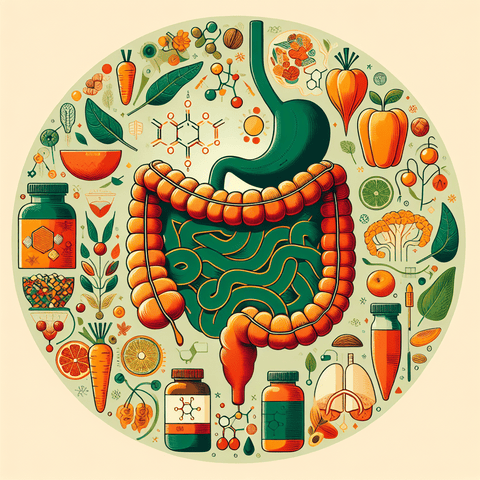
What blocks vitamin A absorption? - Topvitamine
October 18, 2025
Die Vitamin-A-Aufnahme wird vor allem durch eine gestörte Fettverdauung und bestimmte Erkrankungen des Magen-Darm-Trakts beeinträchtigt. Vitamin A sollte zu einer Mahlzeit mit etwas Fett eingenommen werden. Ballaststoffe, Phytate und Mineralstoffe blockieren Vitamin A dagegen nicht pauschal. Dieser Artikel erklärt außerdem den Unterschied zur Eisenaufnahme, die Rolle von Erdnussbutter und wichtige Hinweise zur sicheren Verwendung von Vitamin-A-Supplementen.

Mineral interactions are the ways minerals affect one another inside the body. Because minerals are involved in countless processes—from bone structure and oxygen transport to enzyme activity and nerve signalling—their absorption and use can be influenced by what else is present in the diet or in a supplement. This tag page provides a broad overview of the topic, including the main types of interactions, key minerals commonly discussed, and practical considerations for everyday nutrition.

What Are Mineral Interactions?

At a basic level, mineral interactions describe how one mineral can influence another's absorption, transport, storage, or excretion. Some minerals share similar chemical properties and therefore compete for the same transport pathways in the digestive tract. Others may form complexes with dietary components that reduce or enhance their availability. These interactions are a normal part of human physiology and nutrition, and they help explain why a balanced intake is often more useful than focusing on very high amounts of a single mineral.

The topic is relevant to anyone interested in nutrition, but it becomes especially practical for people who take supplements. When minerals are taken in concentrated forms, the potential for interaction can be greater than when they are consumed as part of a varied diet. Understanding the general principles can help readers interpret supplement labels, timing recommendations, and the rationale behind different formulations.

Common Mineral Interactions to Know

Several mineral pairings are frequently discussed in nutrition and supplement contexts. The examples below are broad illustrations rather than personalised recommendations, and individual needs can vary considerably.

  • Calcium and iron: High calcium intake may reduce iron absorption, particularly when taken together. This is one reason some guidance suggests separating calcium-rich foods or supplements from iron-rich meals or supplements.
  • Zinc and copper: Zinc and copper can compete for absorption when zinc is taken in large amounts over time. Copper is an essential trace mineral, and maintaining a reasonable balance is often part of the discussion around long-term high-dose zinc supplementation.
  • Iron and copper: These two minerals are metabolically linked. Copper is involved in iron transport and use, so a severe copper deficiency can affect iron status, even when iron intake appears adequate.
  • Calcium and magnesium: Calcium and magnesium are both important for bone health and muscle function. They can influence each other's absorption and regulation, and supplement formulas often consider their relative amounts.
  • Zinc and iron: Both minerals can compete for absorption when taken together in supplement form. Some people may be advised to take them at different times of day, depending on individual circumstances.

Beyond these pairings, other minerals such as selenium, iodine, manganese, and chromium also participate in complex regulatory networks. The key takeaway is that minerals do not operate in isolation, and both deficiency and excess of one mineral can have ripple effects on others.

Why Timing and Balance Matter

Timing is a common practical consideration in mineral nutrition. Because some minerals compete for absorption, spacing them out across the day may help reduce interference. For example, a person taking both iron and calcium supplements might be advised to take them at different meals. Similarly, zinc and copper are sometimes balanced within a formula or taken at separate times, depending on the product and the reason for use.

Balance is equally important. The body regulates mineral levels through multiple mechanisms, and very high intakes of one mineral over a long period can potentially affect the status of others. This is why broad dietary variety and appropriately dosed supplements are generally preferred over extreme intakes of single nutrients. For personalised advice, especially when managing a health condition or taking medication, consulting a healthcare professional is important.

Factors That Influence Mineral Absorption

Mineral absorption is not fixed; it changes based on many factors. Understanding these can help put mineral interactions into context.

  • Dietary composition: Some compounds in plant foods, such as phytates and oxalates, can bind minerals and reduce their absorption. Vitamin C, on the other hand, can enhance iron absorption from plant sources.
  • Supplement form: Different chemical forms of a mineral may be absorbed differently. For example, mineral salts, chelates, and complexes can behave differently in the digestive tract.
  • Individual factors: Age, life stage (such as pregnancy), digestive health, and genetic differences can all affect how well minerals are absorbed and used.
  • Total intake: The amount of a mineral consumed matters. Low intakes may be absorbed more efficiently, while very high intakes can overwhelm transport systems and increase the chance of interactions.

Minerals in Supplements: What to Keep in Mind

Mineral supplements are available in many forms, from single-mineral products to broad-spectrum formulas. When evaluating a supplement, it can be useful to consider how the minerals are combined and whether the amounts are reasonable relative to general dietary reference intakes. Some products are designed with specific ratios to account for known interactions, while others may be intended for short-term use or targeted needs.

For readers exploring this topic further, our mineral supplements guide provides a broader overview of individual minerals such as iron, zinc, selenium, iodine, copper, manganese, and chromium. You can also explore our magnesium supplement category and calcium supplement category for more specific information on these two key minerals.

When to Seek Personalised Advice

General information about mineral interactions is useful for understanding the topic, but it cannot replace individual guidance. People who are pregnant, breastfeeding, managing a chronic condition, taking prescription medications, or following a restricted diet may have different mineral needs and should seek advice from a qualified healthcare professional. A doctor or dietitian can help interpret blood test results, assess dietary intake, and recommend appropriate supplement strategies if needed.

Exploring the Topic Further

This page is intended as a broad introduction to mineral interactions. More detailed articles on this site look at specific minerals, supplement forms, dietary sources, and practical questions such as what minerals should not be taken together or how absorption can be supported. By understanding the wider map of mineral interactions, readers can approach those specific topics with better context and a clearer sense of why balance and timing are recurring themes in nutrition and supplement discussions.