Mineralreiche Lebensmittel: Steigern Sie Ihre Gesundheit mit essenziellen Nährstoffen noch heute


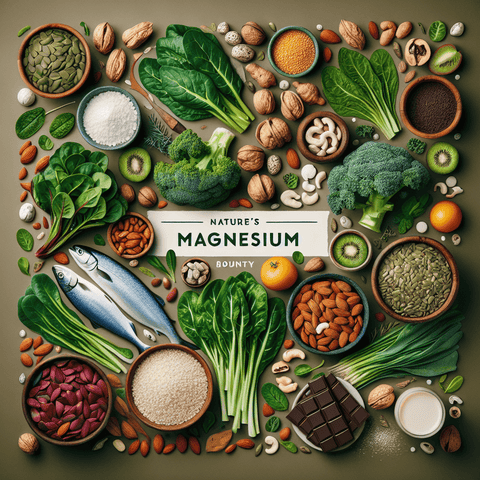
Finden Sie heraus, welche mineralstoffreichen Lebensmittel eine ausgewogene Küche bevölkern. Diese Seite konzentriert sich auf mineralstoffreiche Lebensmittel und bietet praktische Tipps, nährstoffreiche Auswahlmöglichkeiten und schnelle Mahlzeitenideen, um Ihre Planung und Ihren Einkauf zu erleichtern, mit klarem Fokus auf die Identifizierung von Artikeln in dieser Kategorie. Praktische Tipps zum Erkennen mineralstoffreicher Lebensmittel umfassen die Überprüfung der Nährwertkennzeichnung auf Mineralien wie Kalzium, Eisen, Magnesium, Kalium, Zink und Selen; die Wahl weniger verarbeiteter Optionen, wann immer möglich; und die Mischung von pflanzlichen und tierischen Quellen, um das Mineralprofil zu erweitern. Lagerungs- und Zubereitungsmethoden, die die Qualität erhalten, sowie durchdachte Kombinationen, um die Auswahl zu diversifizieren, können ebenfalls dabei helfen, den Vorrat mit Zuversicht zu durchstöbern. Indem Sie auf Vielfalt und Ausgewogenheit achten, können Sie eine Reihe mineralstoffreicher Lebensmittel für Mahlzeiten und Snacks zusammenstellen. Nährstoffreiche Auswahlmöglichkeiten, die häufig in mineralstoffreichen Lebensmitteln vorkommen, umfassen mehrere Gruppen. Blattgrün und Kreuzblütler, Hülsenfrüchte wie Linsen und Bohnen, Vollkornprodukte wie Hafer und Quinoa, Samen und Nüsse, Milchprodukte oder angereicherte Alternativen, Meeresfrüchte und mageres Fleisch erscheinen alle in dieser Kategorie. Beispiele sind Spinat, Linsen, Hafer, Sesamsamen, Joghurt, Lachs und Quinoa, unter anderem. Ziel dieses Überblicks ist es, die Vielfalt der Optionen hervorzuheben, die unter mineralstoffreiche Lebensmittel fallen. Schnelle Mahlzeitenideen setzen diese Auswahl in alltäglichen Kochsituationen ein. Beginnen Sie mit einer Basis aus Quinoa oder braunem Reis, fügen Sie Bohnen oder Linsen hinzu, mischen Sie grünes Gemüse dazu und bestreuen Sie alles mit Samen für Textur. Oder mixen Sie einen Smoothie mit Blattgrün und angereicherter pflanzlicher Milch, und fügen Sie eine Handvoll Nüsse hinzu. Ein Pfannengericht mit Gemüse, Tofu oder einem mageren Protein sowie einem Topping aus gehackten Samen bietet eine weitere einfache Option. Für eine einfache, frische Mahlzeit direkt vom Feld auf den Tisch kombinieren Sie Vollkorngetreide mit Milch oder einer pflanzlichen Alternative und gehackten Nüssen. Diese Ideen zeigen mineralstoffreiche Lebensmittel in praktischen, einfach zuzubereitenden Formaten.


Which foods are high in magnesium? - Topvitamine
October 14, 2025
Magnesiumreiche Lebensmittel wie Kürbiskerne, Nüsse, Hülsenfrüchte, Vollkornprodukte und grünes Blattgemüse können zu einer ausgewogenen Magnesiumzufuhr beitragen. Dieser Ratgeber zeigt praktische Portionsbeispiele, erklärt mögliche Faktoren, die die Aufnahme beeinflussen, und beantwortet häufige Fragen zu Magnesiummangel und Supplementen. Außerdem erfahren Sie, wann ein Magnesiumpräparat sinnvoll sein kann und worauf Sie bei der Einnahme achten sollten.
What is the food highest in magnesium? - Topvitamine
October 12, 2025
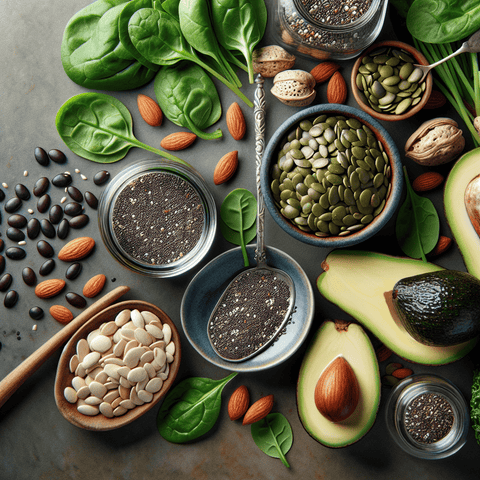
Kürbiskerne gehören zu den magnesiumreichsten Lebensmitteln und liefern bereits in kleinen Portionen viel Magnesium. Auch Chiasamen, Mandeln, Hülsenfrüchte, Vollkornprodukte und grünes Blattgemüse tragen zu einer guten Versorgung bei. Dieser Überblick zeigt konkrete Mengen, beantwortet, ob Bananen ausreichen, erklärt magnesiumreiches Mineralwasser und gibt Hinweise zur sinnvollen Verwendung von Nahrungsergänzungsmitteln.
What are the 7 minerals your body needs daily? - Topvitamine
October 06, 2025
Mineralstoffe täglich aufzunehmen ist wichtig für Knochen, Muskeln, Nerven, Flüssigkeitshaushalt und den Energiestoffwechsel. Dieser Ratgeber erklärt die Aufgaben von Calcium, Magnesium, Kalium, Zink, Eisen, Selen und Jod, nennt geeignete Lebensmittel und ordnet Orientierungswerte für Erwachsene ein. Außerdem erfahren Sie, wie sich ein möglicher Mineralstoffmangel abklären lässt und worauf Sie bei Nahrungsergänzungsmitteln sowie Wechselwirkungen achten sollten.

Minerals are fundamental nutrients that support countless functions in the body, from building strong bones and teeth to regulating muscle contractions and maintaining a healthy nervous system. Unlike some vitamins, the body cannot produce most essential minerals on its own, so they must be obtained through the diet. This guide provides a broad overview of mineral-rich foods, explaining what they are, why they matter, and how to easily incorporate more of them into your daily eating pattern.

What Are Mineral-Rich Foods?

A food is considered mineral-rich when it provides a significant amount of one or more essential minerals relative to its calorie content. These minerals are inorganic elements that the body requires for proper growth, development, and maintenance. They are typically divided into two categories: macrominerals, which are needed in larger amounts, and trace minerals, which are needed in smaller amounts but are still vital for health.

Key Macrominerals and Trace Minerals

The most common macrominerals include calcium, phosphorus, magnesium, sodium, potassium, and chloride. Trace minerals, on the other hand, include iron, zinc, selenium, iodine, copper, and manganese. Each mineral has a unique role. For example, calcium is crucial for bone health, iron is a key component of red blood cells, and potassium helps regulate fluid balance and nerve signals.

The best approach to ensuring adequate intake is to consume a varied diet that includes a wide range of whole foods. This naturally provides a broad spectrum of these essential elements, which is generally more effective than relying on a single food source.

Top Categories of Mineral-Rich Foods

Mineral-rich foods are found across all major food groups. Knowing which categories are most beneficial can help you make informed choices at the grocery store and when planning your meals. Here are some of the most significant categories to include in your diet:

  • Leafy Green and Cruciferous Vegetables: Spinach, kale, Swiss chard, and broccoli are excellent sources of calcium, magnesium, iron, and potassium.
  • Legumes: Lentils, chickpeas, black beans, and kidney beans are packed with iron, magnesium, potassium, and zinc.
  • Whole Grains: Quinoa, oats, brown rice, and whole-wheat products provide magnesium, selenium, and iron.
  • Nuts and Seeds: Almonds, cashews, pumpkin seeds, and sesame seeds are rich in magnesium, zinc, and calcium.
  • Dairy and Fortified Alternatives: Milk, yogurt, and fortified plant-based milks are primary sources of calcium and often fortified with vitamin D to aid absorption.
  • Seafood and Lean Meats: Salmon, sardines, and shellfish are excellent sources of iodine, selenium, and zinc. Lean meats like chicken and turkey provide iron and zinc.

For a deeper look at how specific minerals support health, you can explore our mineral supplements guide for more information.

Practical Tips for a Mineral-Rich Diet

Incorporating more mineral-rich foods into your routine doesn't require a complete overhaul of your diet. Simple, consistent changes can make a significant difference. Here are a few practical strategies to get you started:

  • Read Nutrition Labels: Pay attention to the % Daily Value (%DV) for minerals like calcium, iron, and magnesium. Foods with 20% DV or more are considered high sources.
  • Choose Less-Processed Options: Whole foods generally retain more of their natural mineral content than highly processed alternatives. Opt for whole grains over refined ones and fresh or frozen produce over heavily processed meals.
  • Mix Plant and Animal Sources: Combining different food groups, such as beans with rice or spinach with a source of vitamin C, can enhance mineral absorption and provide a broader nutrient profile.
  • Use Smart Pairings: Pairing iron-rich plant foods with vitamin C (like adding lemon juice to a lentil salad) can help your body absorb the iron more effectively.

Quick Meal Ideas to Boost Mineral Intake

Putting these tips into practice can be easy and delicious. Here are a few simple meal ideas that are naturally rich in minerals:

  • Start your day with a smoothie made with spinach, fortified plant milk, a banana, and a handful of almonds.
  • Build a hearty grain bowl with a base of quinoa or brown rice, topped with black beans, sautéed greens, and a sprinkle of pumpkin seeds.
  • Prepare a quick stir-fry with broccoli, bell peppers, tofu or chicken, and a topping of sesame seeds.
  • Enjoy a simple breakfast of whole-grain cereal with milk or a fortified plant-based alternative and chopped nuts.

Understanding Mineral Deficiency

While a varied diet usually provides sufficient minerals, some people may be at risk of deficiency. Signs of low mineral levels can vary depending on which mineral is lacking. For example, low iron may lead to fatigue, while low calcium might affect bone health over time. It's important to remember that these signs can also be caused by other factors, and a healthcare professional is the best person to diagnose a deficiency.

If you are concerned about your mineral intake, focusing on a balanced diet is the first step. For specific questions about supplementation, it's always wise to consult with a doctor or registered dietitian. They can provide personalized advice based on your individual needs.

Frequently Asked Questions About Mineral-Rich Foods

What food has all 102 minerals?

No single food contains all 102 minerals that exist in nature. The human body requires a specific set of essential minerals, and these are found in varying combinations across different foods. A varied diet is the most reliable way to get all the minerals your body needs.

Which food has the highest minerals?

There is no single 'highest' mineral food, as different foods excel in different minerals. For example, spinach is high in iron and calcium, while brazil nuts are exceptionally high in selenium. The best approach is to eat a variety of nutrient-dense foods to cover your bases.

What are the 7 minerals your body needs?

The body needs a wide range of minerals, but seven are often highlighted for their importance: calcium, iron, magnesium, potassium, zinc, selenium, and iodine. Each plays a unique and vital role in maintaining health.

Explore More on Mineral Health

This guide provides a broad overview of mineral-rich foods. For more specific information on individual minerals, their benefits, and how they work in the body, you may find our magnesium guide and calcium guide helpful. These resources offer deeper insights into specific nutrients.

For a broader perspective on how supplements can fit into a healthy lifestyle, you can also explore our natural supplements collection.